
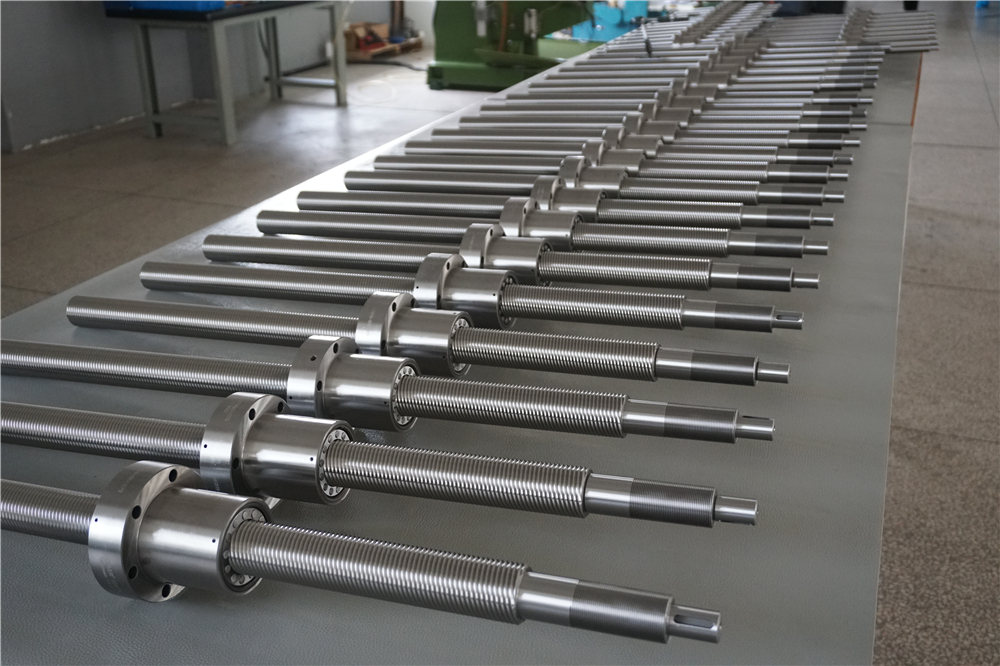
With the maturity of precision grinding, heat treatment and industrial detection systems in China, domestic linear motion components have achieved comprehensive technological upgrading in recent years. Imported ball screws from HIWIN and THK, which ...
VIEW MORE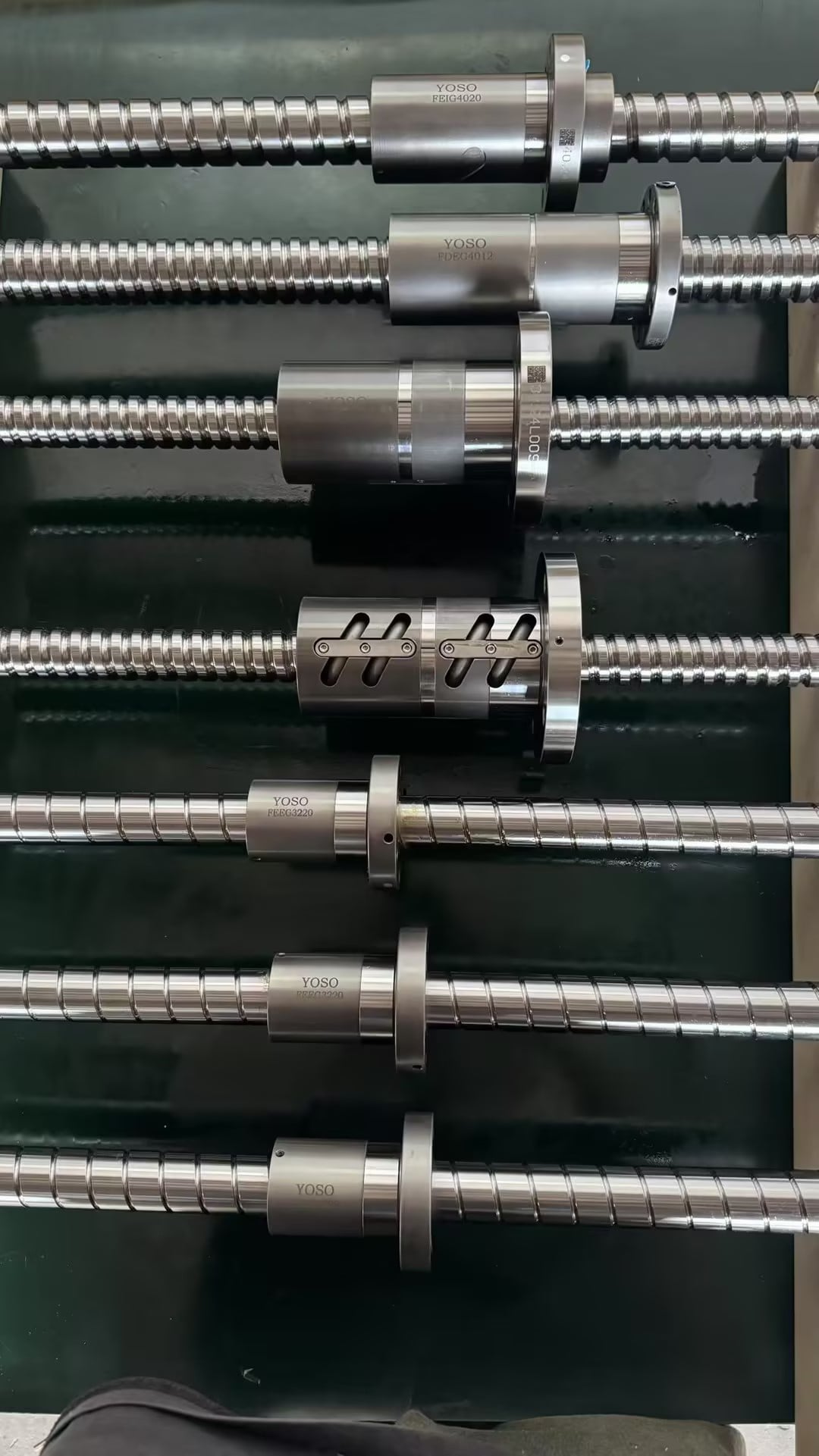
Ball screws are the core precision transmission components of linear motion modules, CNC machine tools, and automated transfer equipment in industrial automation systems. Most automation manufacturers only focus on three basic parameters during sele...
VIEW MORE
Problem: Precision injection machines, five-axis CNC and semiconductor stages gradually generate axial backlash after millions of reciprocating cycles, causing shot weight fluctuation, contour tool marks and unqualified micro components. Many factory...
VIEW MORE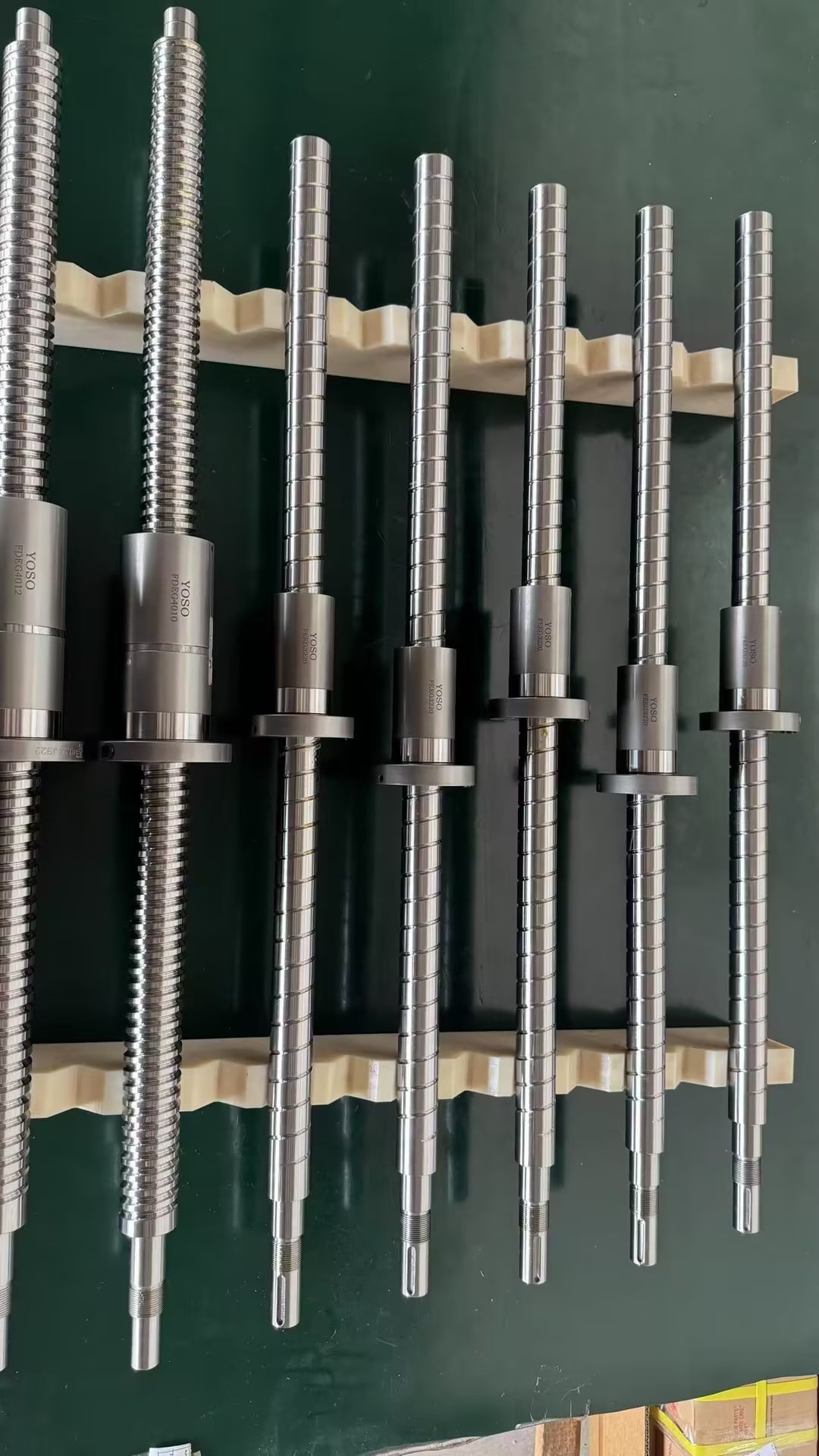
High precision ground ball screw is the core linear transmission component that determines micron-level positioning performance for high-end automation, CNC machine tools, medical all-electric injection molding and semiconductor equipment. Unlike rol...
VIEW MORE
Ball screws are the mechanical backbone of all-electric injection molding machines. They convert rotary motor motion into the linear force that clamps molds, injects plastic, and ejects parts. When they fail, production stops — often unexpected...
VIEW MORE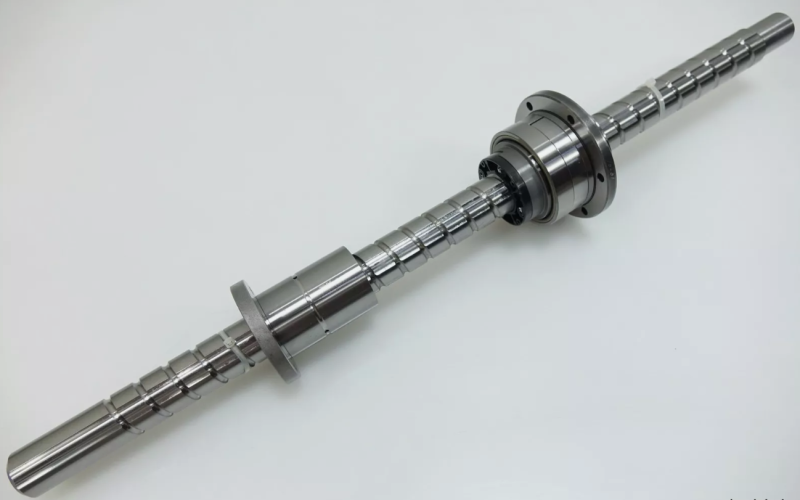
When specifying ball screws for all-electric injection molding machines, one of the most consequential decisions is also one of the most frequently overlooked: screw lead. The lead — the distance the nut travels per single revolution of the scr...
VIEW MORE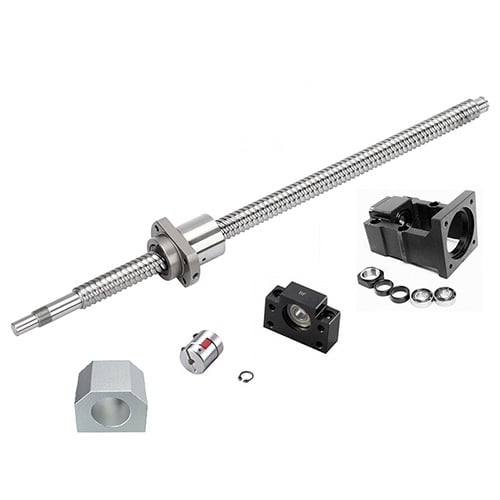
When engineers specify ball screws for all-electric injection molding machines, most attention goes to the screw diameter, lead, and nut type. But the support bearing configuration at the screw ends is equally critical — it determines axial ri...
VIEW MORE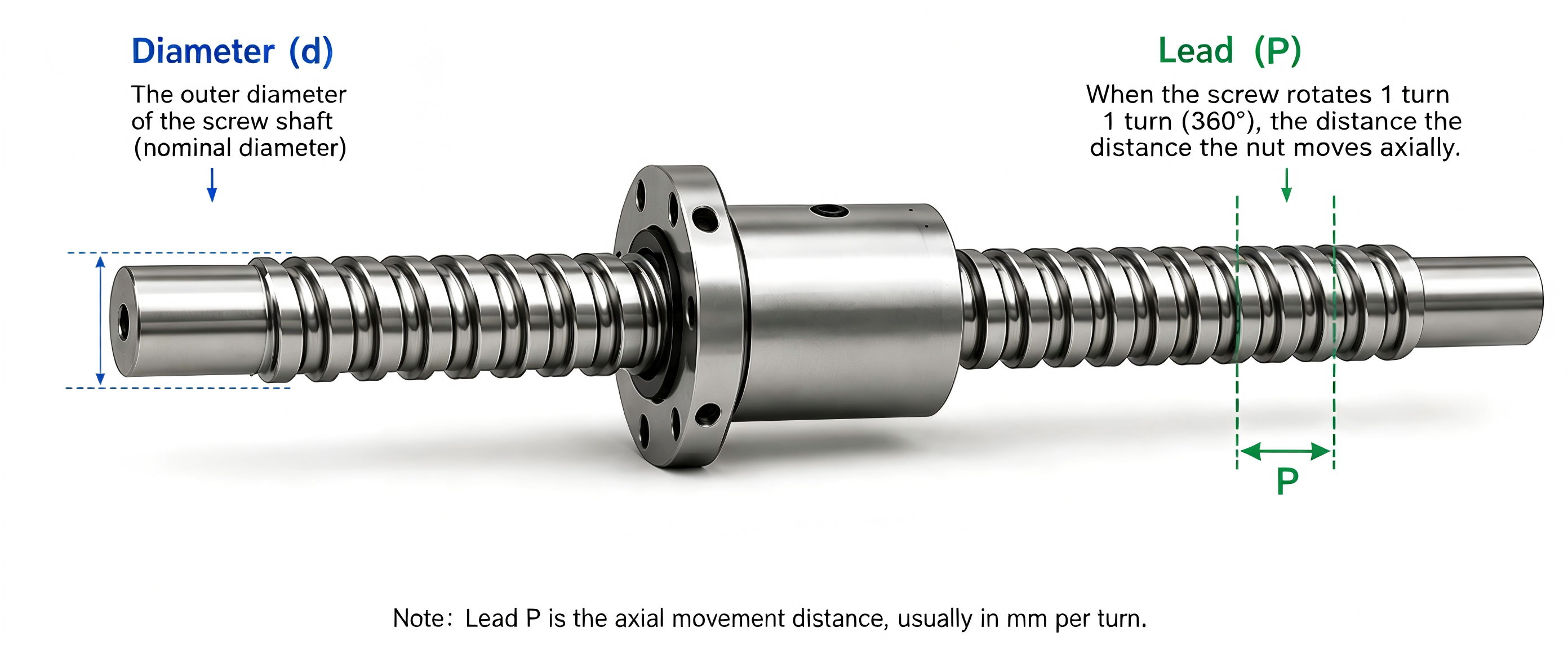
Backlash — the axial play between a ball screw and nut — is one of the most common causes of precision loss in all-electric injection molding machines. When the screw reverses direction, that small gap translates directly into lost motio...
VIEW MORE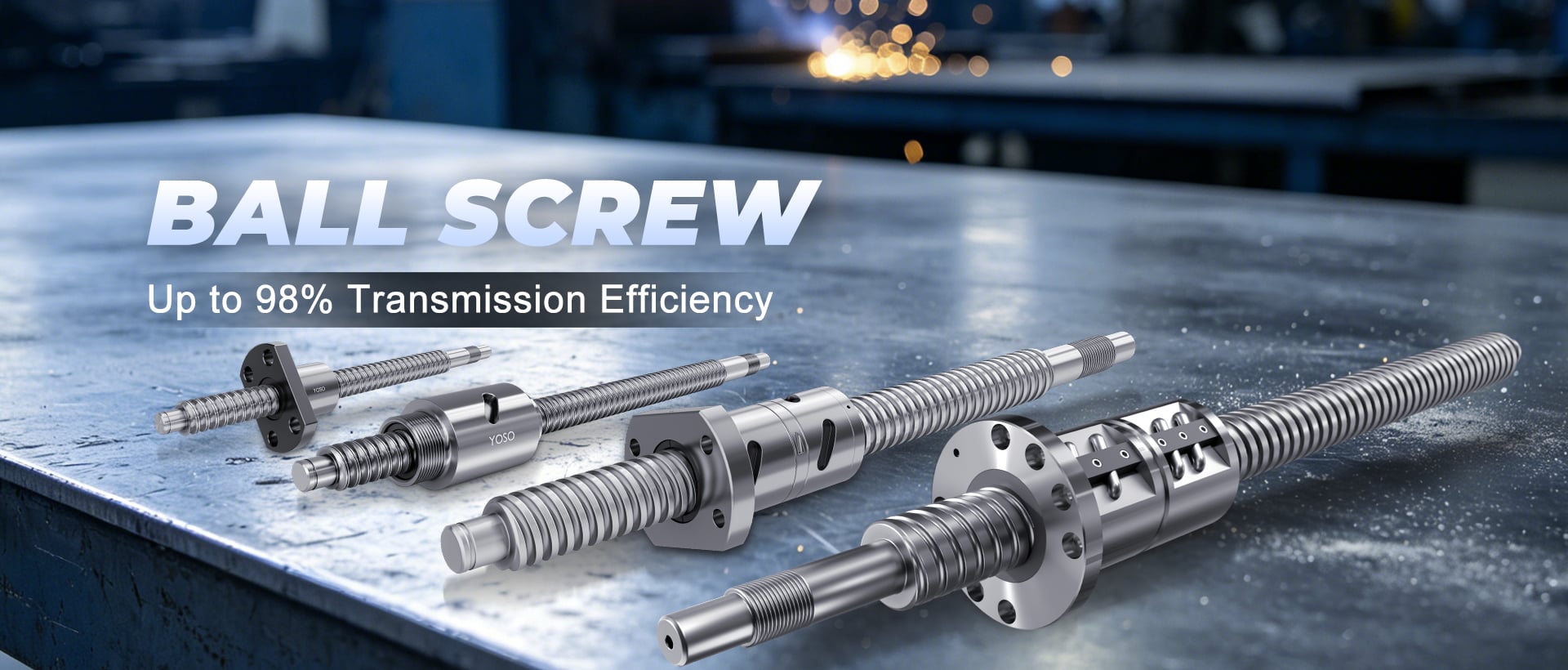
This guide breaks down what preload actually does, the standard preload classes used by major manufacturers like HIWIN, THK, and TBI, and how to match the right preload level to each axis of an injection molding machine. What Is Ball Screw Prelo...
VIEW MORE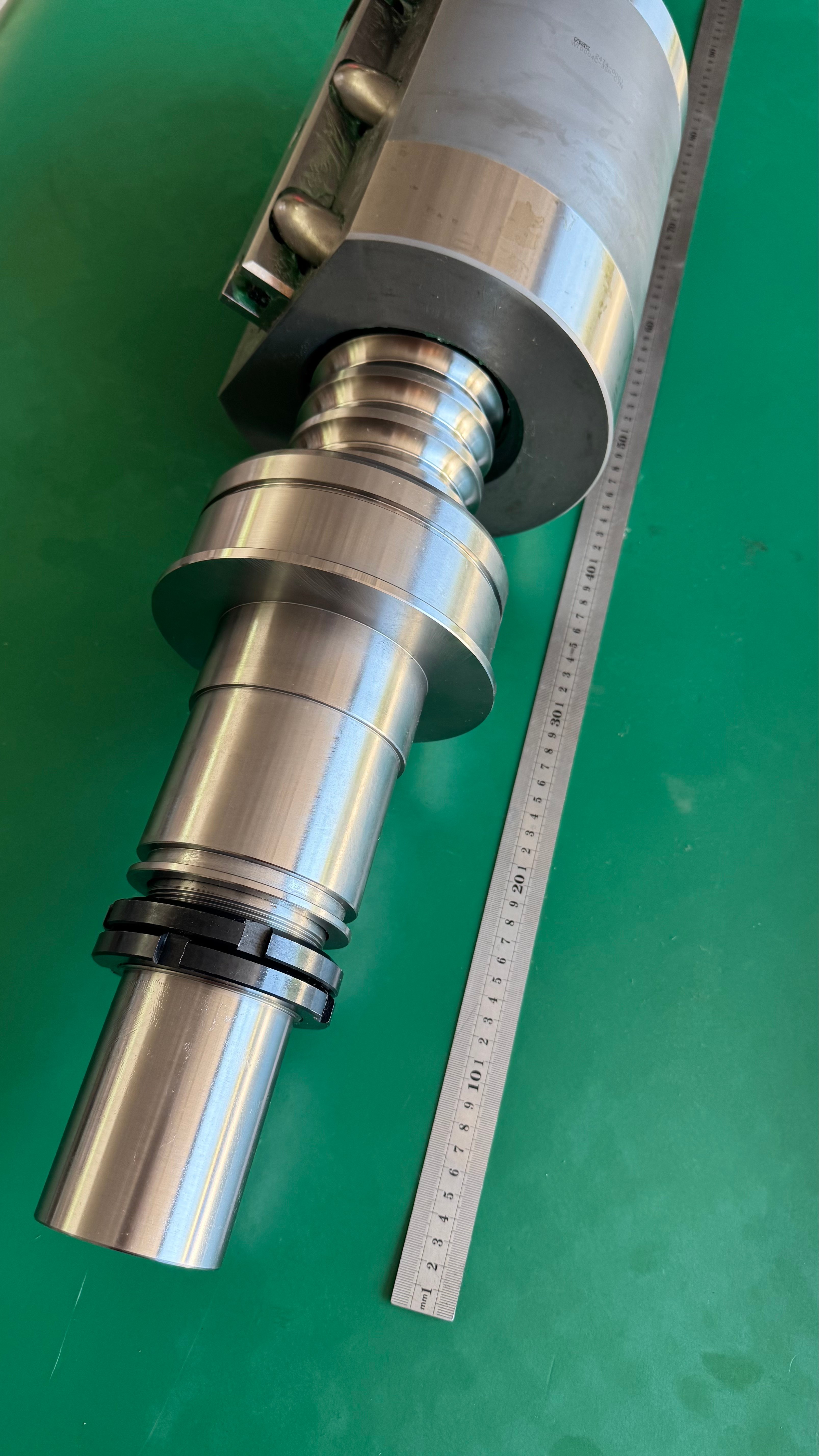
In all-electric injection molding, dimensional consistency depends heavily on positioning accuracy of the clamping, injection, and ejection axes. Yet one hidden factor undermines precision every shift: ball screw thermal growth. As screws rotate con...
VIEW MORE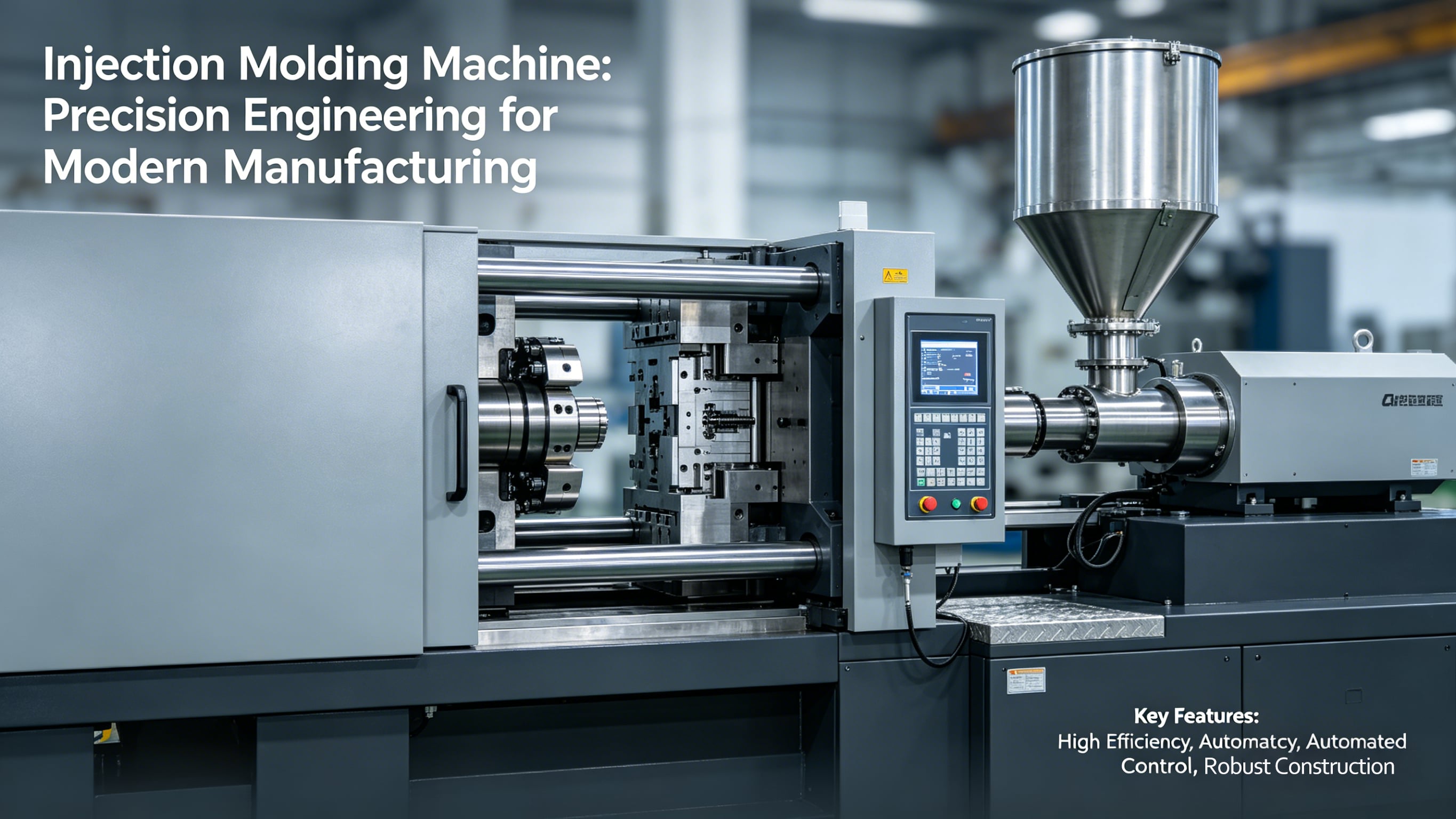
Many factory maintenance teams only lubricate ball screws when abnormal noise appears. This passive maintenance method is the main reason for precision attenuation and shortened service life. Unlike ordinary automation equipment, injection molding b...
VIEW MORE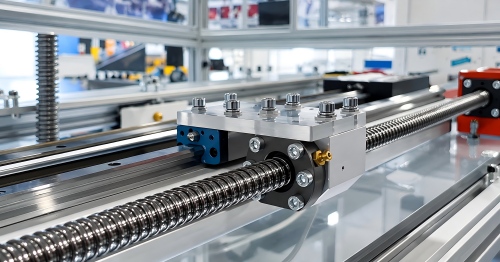
Most injection molding purchasers focus only on precision grades (C3/C5/C7) and outer dimensions when selecting ball screws. However, more than 70% of premature failures, low yield rates, and unstable precision are caused by improper selection match...
VIEW MORE
Subscribe to our newsletter for daily new and updates
Shanghai, China
YOSOmachinery
Copyright © Jingpeng Machinery&Equipment(Shanghai) Co.,Ltd All Rights Reserved
 EN
EN
 AR
AR
 BG
BG
 CS
CS
 DA
DA
 NL
NL
 FI
FI
 FR
FR
 DE
DE
 EL
EL
 HI
HI
 IT
IT
 JA
JA
 KO
KO
 NO
NO
 PL
PL
 PT
PT
 RU
RU
 ES
ES
 SV
SV
 TL
TL
 ID
ID
 UK
UK
 VI
VI
 HU
HU
 TH
TH
 TR
TR
 FA
FA
 AF
AF
 MS
MS
 SW
SW
 GA
GA
 CY
CY
 BE
BE
 KA
KA
 LA
LA
 MY
MY
 TG
TG
 UZ
UZ