
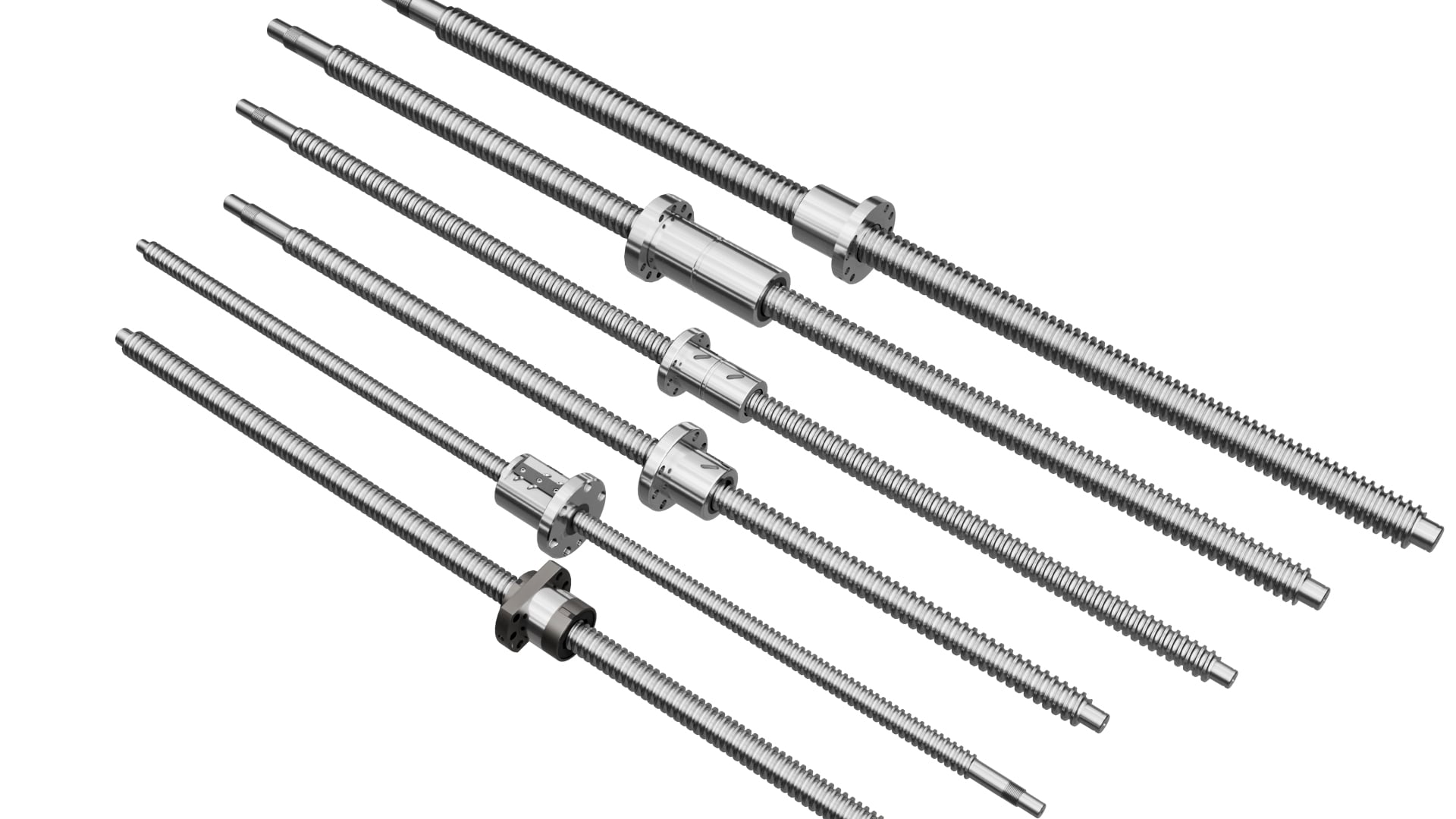
Thermal drift is one of the most frustrating hidden faults on automated production lines. Operators re-zero the axis at shift start, run for two hours, then discover positioning errors gradually growing, even though backlash and preload check within ...
VIEW MORE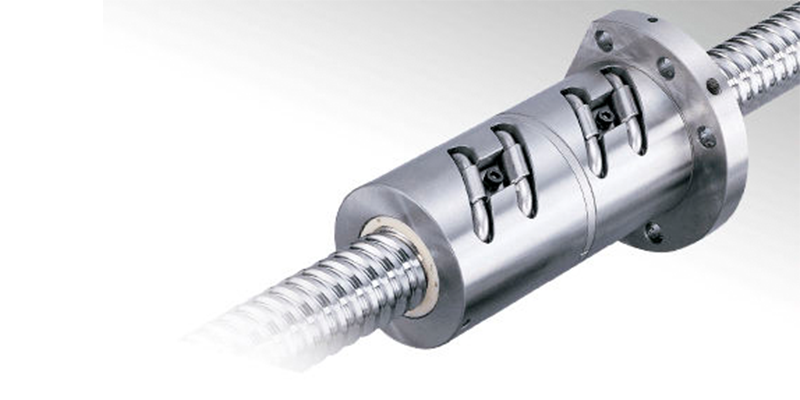
Engineers working on aluminium extrusion lines often face a recurring trade-off: standard ball guides are smooth and quiet, yet they lose stiffness quickly under sustained heavy loads and shock from cut-off saws, transfer carts and stretching station...
VIEW MORE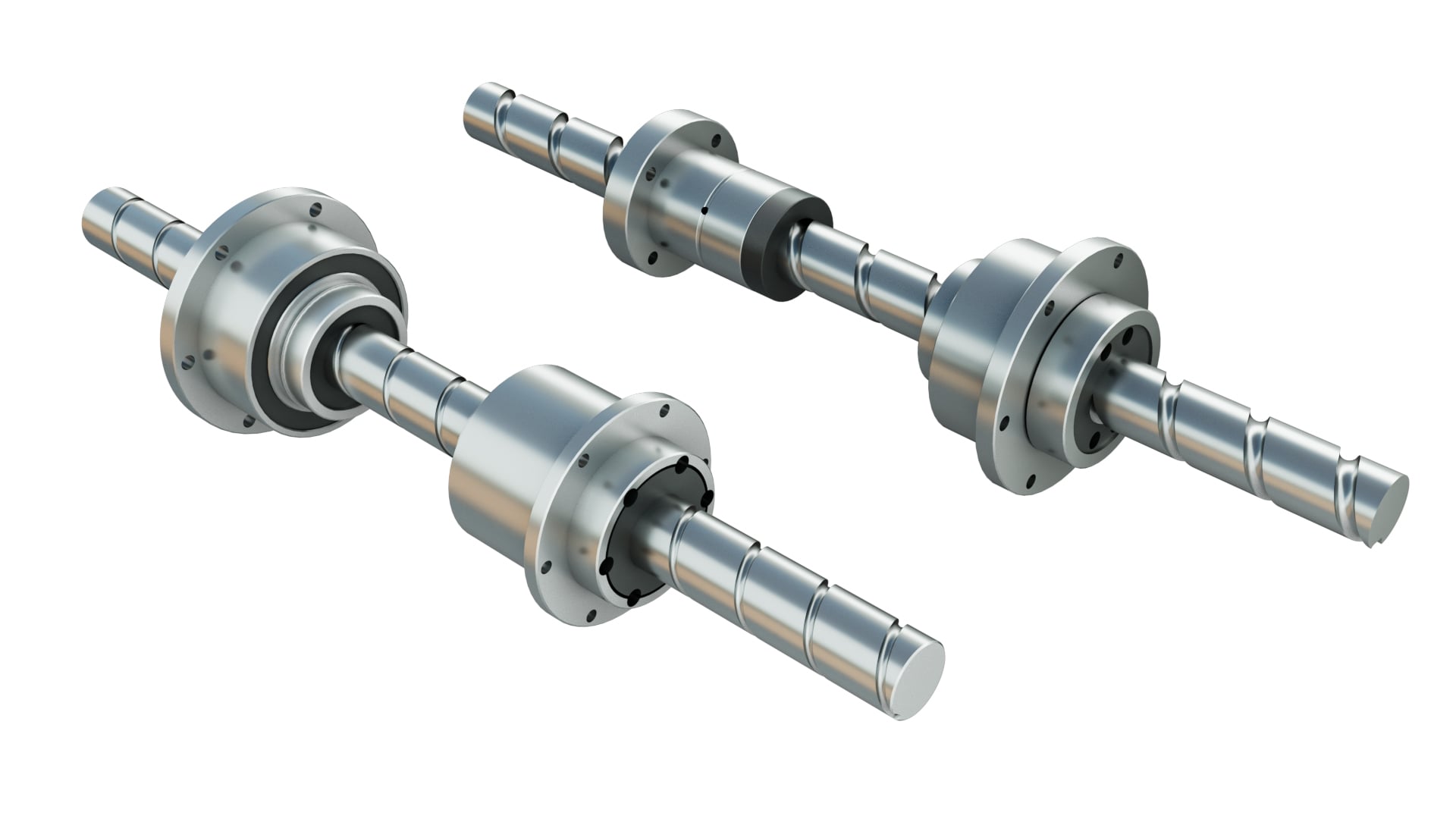
Backlash is a frequent complaint from maintenance teams supporting automated production lines. When an axis loses repeatability, the ball screw nut is often replaced immediately. In practice, increased play can stem from preload degradation, misalign...
VIEW MORE
Aluminium extrusion is one of the harshest operating environments for linear motion components. Fine aluminium swarf, fluctuating operating temperatures, cyclic shock loads and near-continuous duty cycles combine to accelerate wear on rails, carriage...
VIEW MORE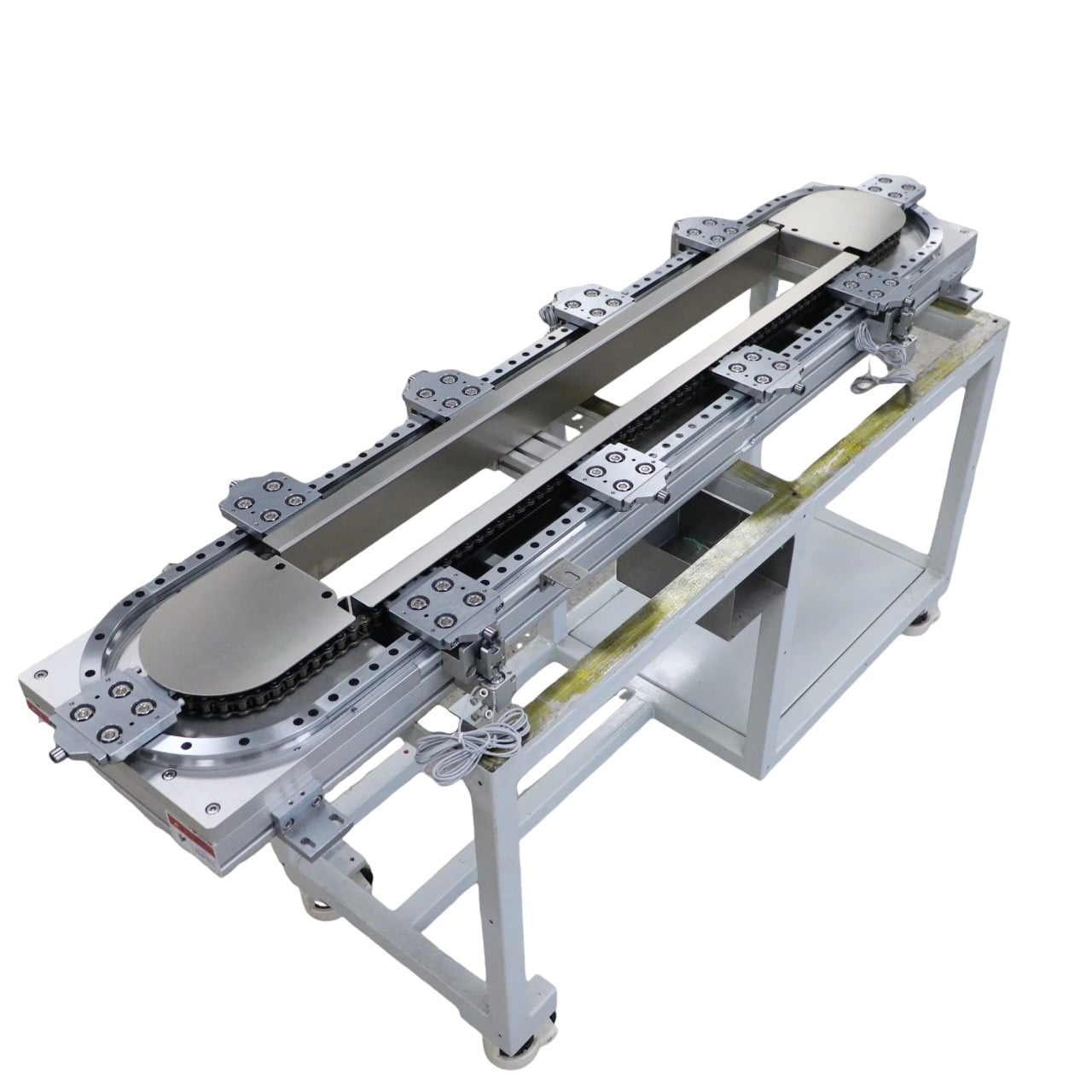
Unplanned downtime is the biggest cost driver for continuous industrial production lines. While control alarms draw most attention, many recurring line stoppages trace back to gradual degradation of linear guides and ball screws. The failure develops...
VIEW MORE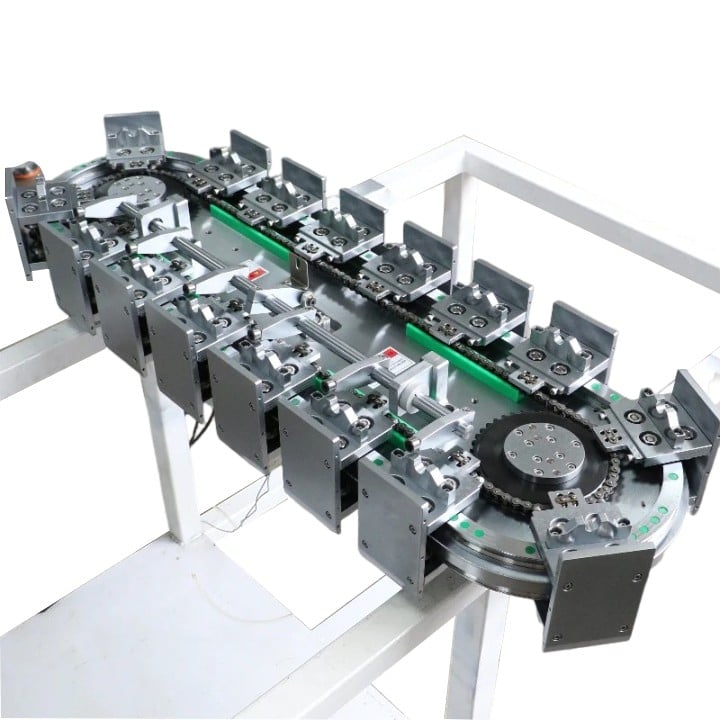
Automated assembly lines rely heavily on linear motion pairs to transfer workpieces, lock fixtures, perform pick-and-place and carry inspection probes. Unlike single-purpose standalone machines, production line axes run continuously in cycles, often ...
VIEW MORE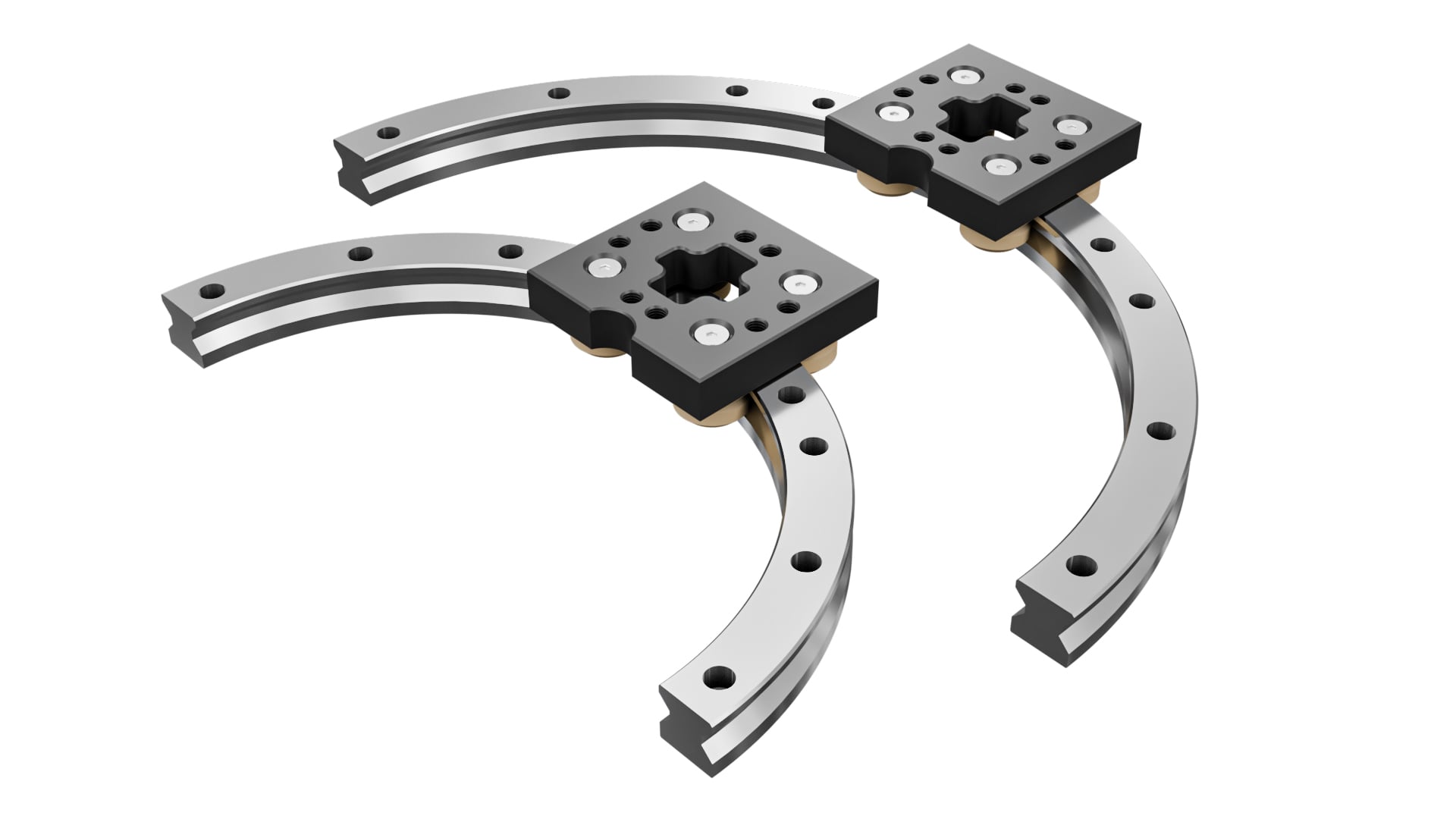
ulti-station automated assembly and testing lines always face a core decision: should the machine use a traditional rotary index table, or a closed-loop curved rail system made of arc rails and straight linear guides? Many mechanical engineers defaul...
VIEW MORE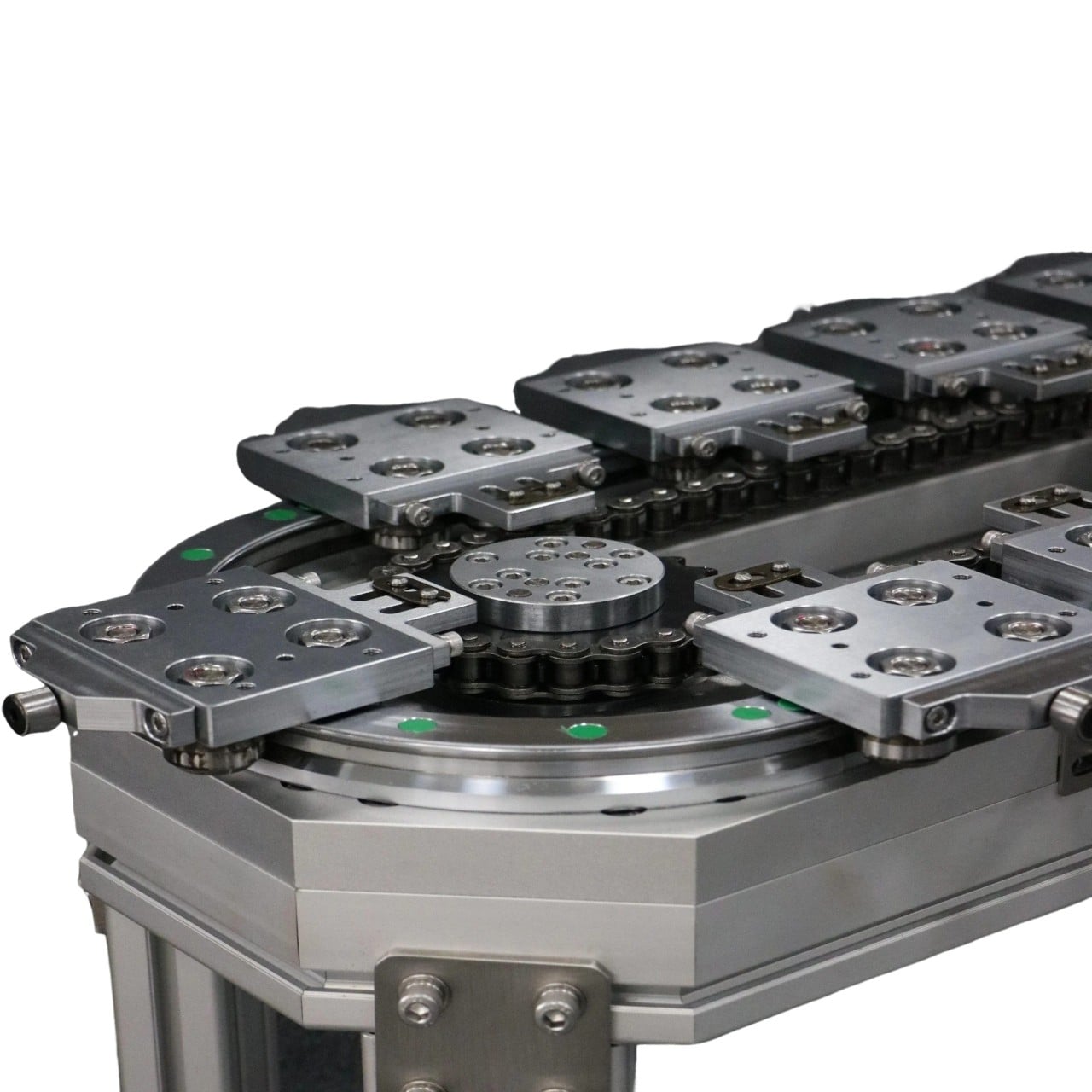
For automation mechanical designers, curved guide rails (also known as arc rails or circular guide rails) solve a classic motion challenge: moving workpieces smoothly along non-straight paths without complex linkages, cams or rotary tables. While sta...
VIEW MORE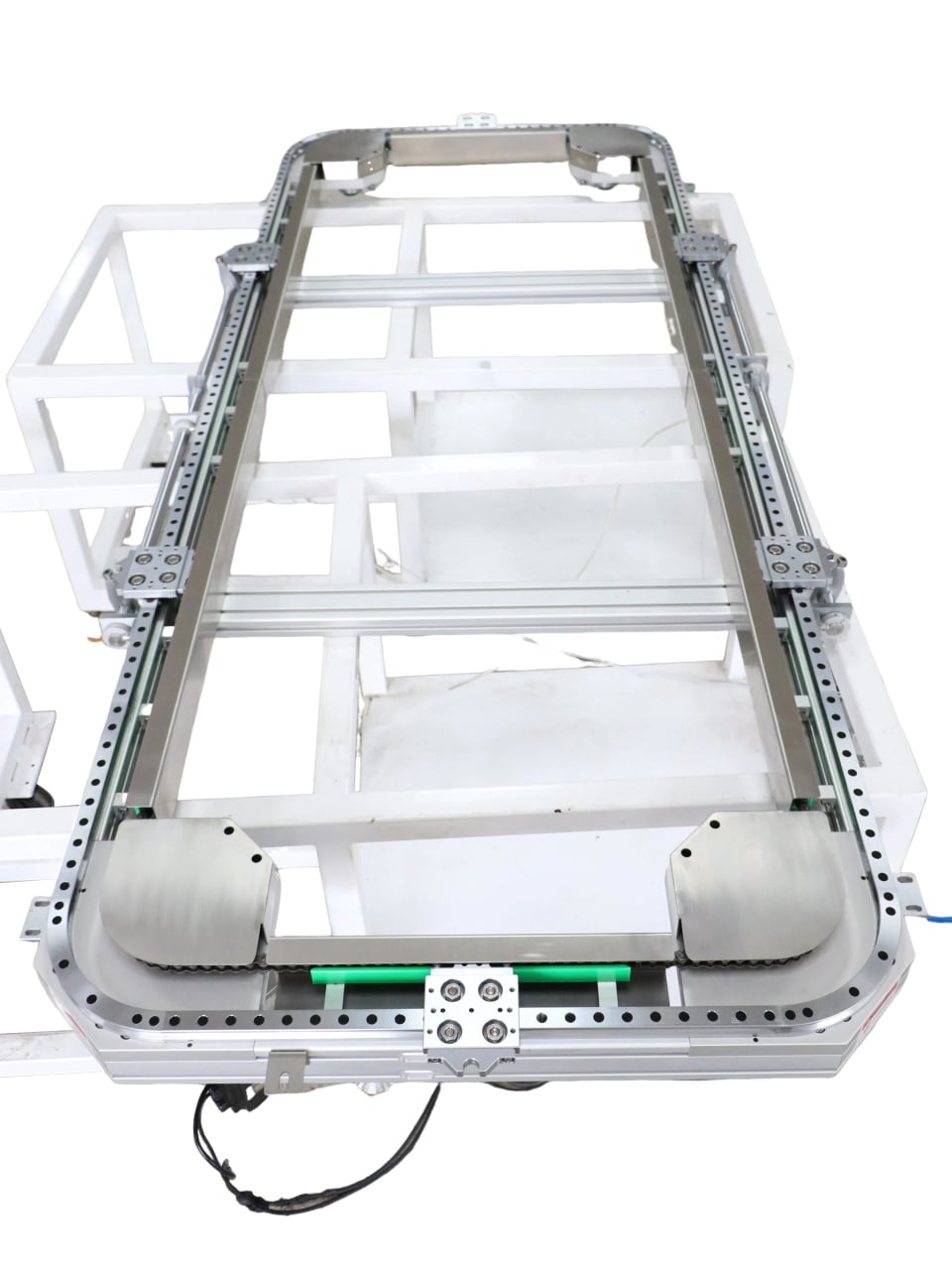
When designing automation machinery that needs cyclic motion, engineers often face the choice: rotary table or arc guide rail? Rotary tables are suitable for intermittent index rotation, while arc guide rails support continuous, uninterrupted movemen...
VIEW MORE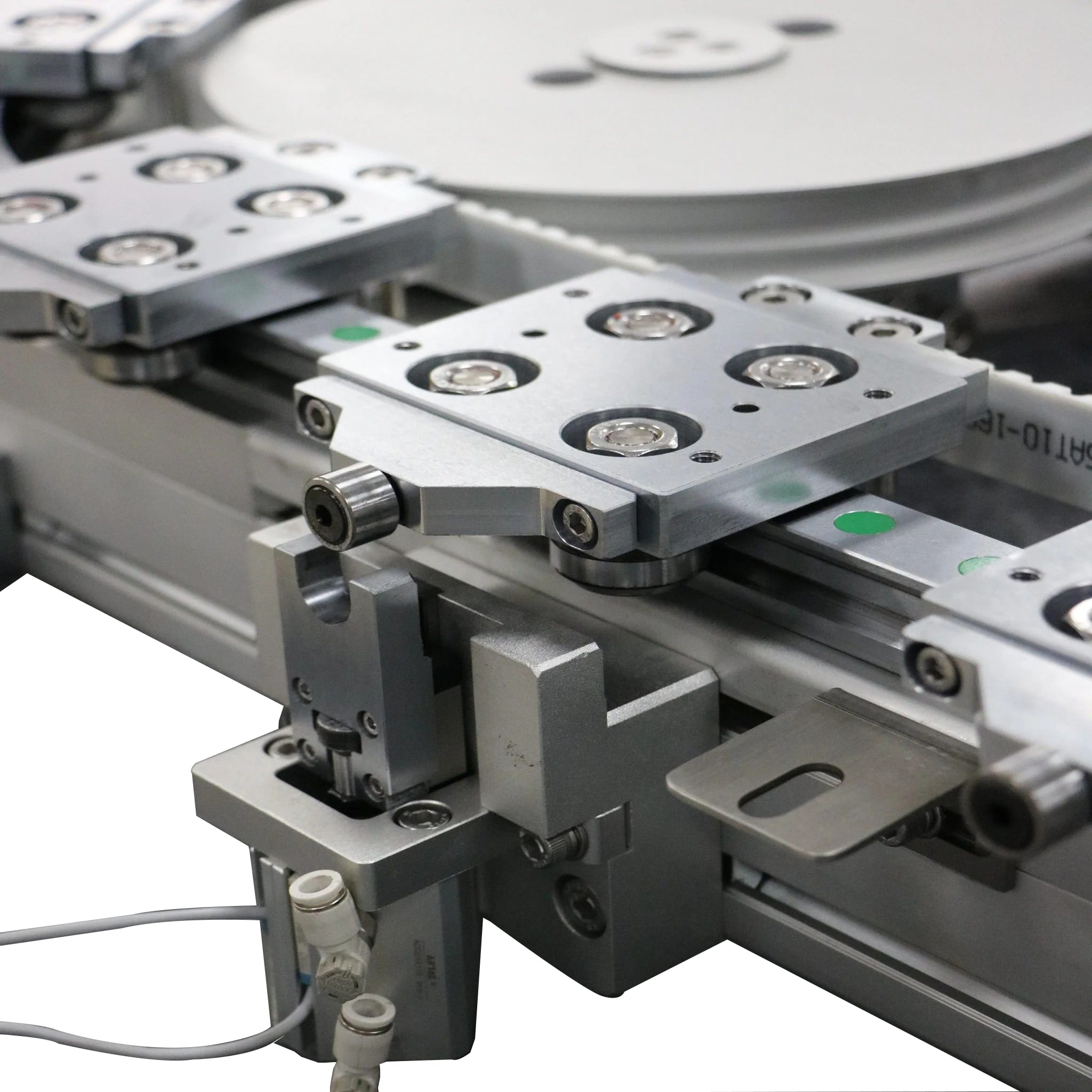
raditional straight linear guides can only deliver reciprocating motion along a single axis. But many modern automated production lines require workpieces to follow circular, arc, rectangular loop or vertical turning paths. This is where curved linea...
VIEW MORE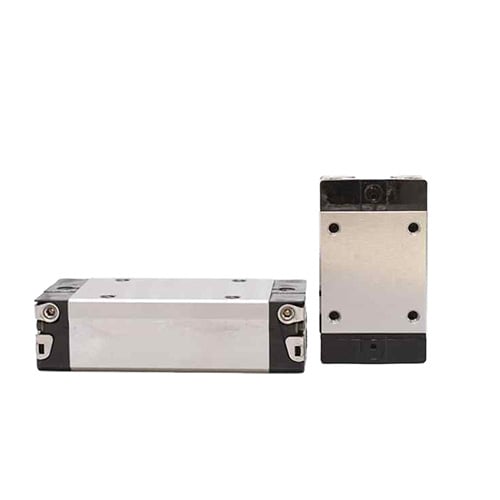
Choosing a suitable linear guide rail is not just about matching the mounting dimension. Wrong selection will lead to premature wear, vibration, poor accuracy or unexpected downtime. This guide summarizes 7 key factors mechanical engineers should che...
VIEW MORE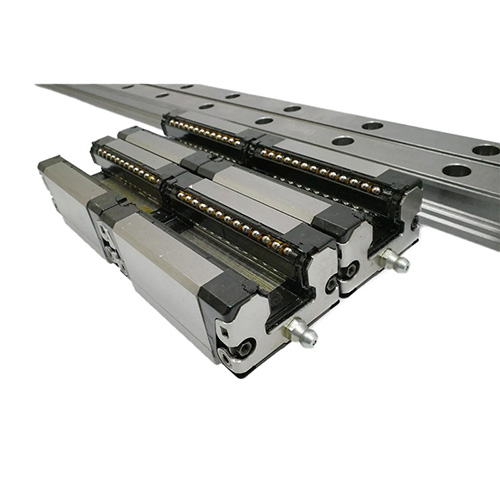
Linear guide rails are core components of linear motion systems, widely adopted in modern automation equipment, CNC machine tools, packaging machinery and robotic systems. Compared with traditional sliding guides, rolling-type linear guides use balls...
VIEW MORE
Subscribe to our newsletter for daily new and updates
Shanghai, China
YOSOmachinery
Copyright © Jingpeng Machinery&Equipment(Shanghai) Co.,Ltd All Rights Reserved
 EN
 AR
 BG
 CS
 DA
 NL
 FI
 FR
 DE
 EL
 HI
 IT
 JA
 KO
 NO
 PL
 PT
 RU
 ES
 SV
 TL
 ID
 UK
 VI
 HU
 TH
 TR
 FA
 AF
 MS
 SW
 GA
 CY
 BE
 KA
 LA
 MY
 TG
 UZ