 EN
EN
 AR
AR
 BG
BG
 CS
CS
 DA
DA
 NL
NL
 FI
FI
 FR
FR
 DE
DE
 EL
EL
 HI
HI
 IT
IT
 JA
JA
 KO
KO
 NO
NO
 PL
PL
 PT
PT
 RU
RU
 ES
ES
 SV
SV
 TL
TL
 ID
ID
 UK
UK
 VI
VI
 HU
HU
 TH
TH
 TR
TR
 FA
FA
 AF
AF
 MS
MS
 SW
SW
 GA
GA
 CY
CY
 BE
BE
 KA
KA
 LA
LA
 MY
MY
 TG
TG
 UZ
UZ


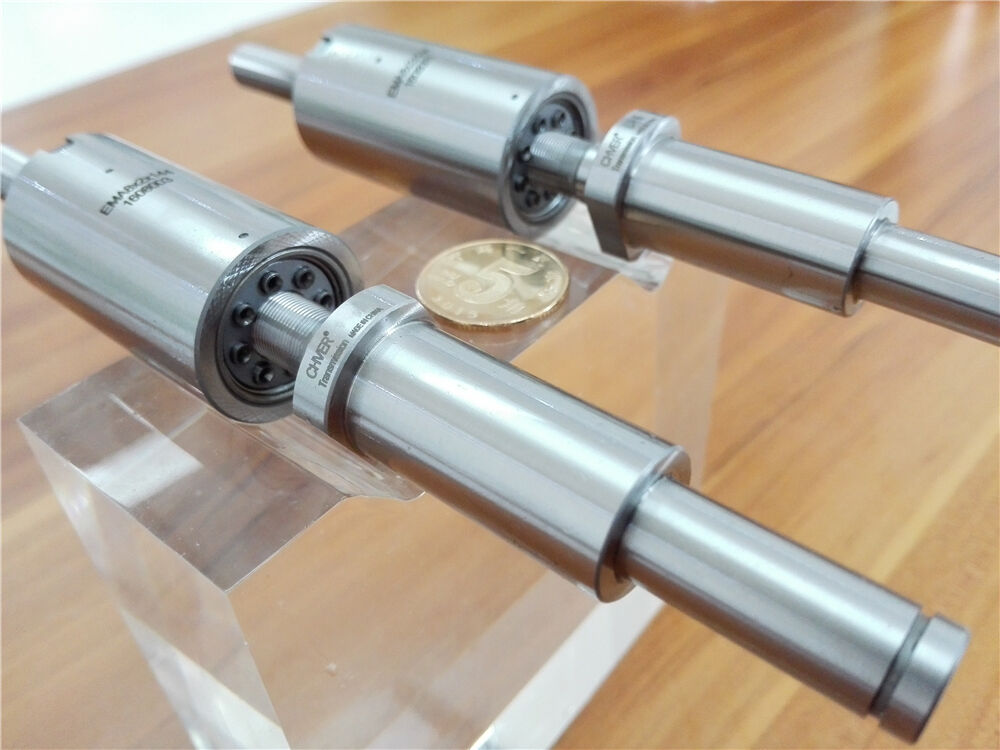
Planetary screws are the backbone of high-precision, heavy-load linear motion systems, but their performance is only as good as the selection and optimization process. Many engineers and manufacturers fall into common pitfalls when specifying planetary screws—from misaligning load requirements to overlooking environmental factors—resulting in premature failure, reduced precision, and unnecessary costs. This blog breaks down the most costly selection mistakes, shares actionable optimization strategies, and guides you to get the most out of your planetary screw investment.
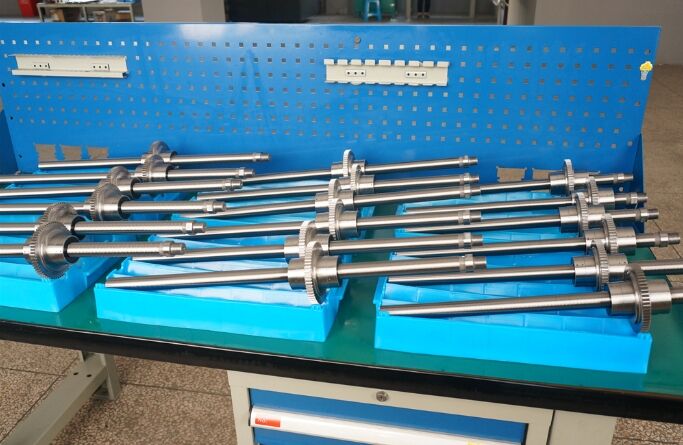
Part 1: 6 Costly Planetary Screw Selection Mistakes
Even with high-quality planetary screws, poor selection can negate their performance advantages. Below are the most common errors and their impacts:
Mistake 1: Confusing Planetary Screws with Ball Screws (Load Capacity Mismatch)
A common oversight is treating planetary screws as “heavy-duty ball screws,” but their load-bearing principles differ drastically. Planetary screws use line contact (via satellite rollers) to handle 2-3x the axial load of ball screws of the same size. Choosing a ball screw for a planetary screw’s intended application leads to frequent wear and failure; conversely, over-specifying a planetary screw for light-load tasks inflates costs. Always match the component to the application’s dynamic and static load requirements—calculate peak loads (not just average) to avoid mismatches.
Mistake 2: Ignoring Backlash Requirements for Precision Applications
While planetary screws inherently offer low backlash, not all models are zero-backlash. For applications like aerospace actuation, surgical robotics, or CNC machining, even minimal backlash (≥0.001mm) can compromise positioning accuracy. Many engineers skip preloaded planetary screw options to save costs, only to face rework later. Opt for preloaded designs (e.g., double-nut preloading) for precision-critical tasks, and verify backlash specs with your supplier before purchasing.
Mistake 3: Overlooking Environmental Compatibility
Planetary screws in harsh environments (extreme temperatures, moisture, dust, or corrosive substances) require specialized materials and sealing. Using standard carbon steel screws in outdoor energy applications or uncoated screws in medical cleanrooms leads to accelerated corrosion and reduced service life. Key fixes: Choose stainless steel for corrosion resistance, nitride coatings for wear protection, and IP65+ sealed assemblies for dusty/wet environments.
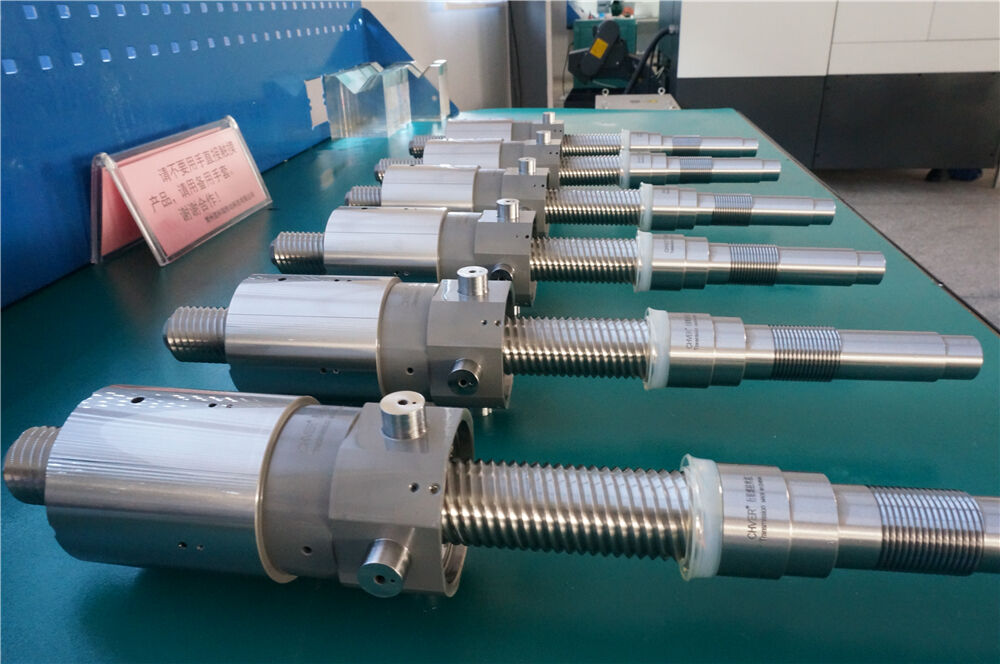
Mistake 4: Underestimating Lubrication Needs
Lubrication directly impacts planetary screw service life—insufficient or improper lubrication increases friction, wear, and noise. Many users rely on generic lubricants instead of application-specific options: High-temperature environments need synthetic lubricants (operating up to 150°C), while food-grade applications require NSF-certified greases. Establish a lubrication schedule (every 500-1,000 operating hours for heavy loads) and avoid mixing lubricant types, which causes degradation.
Mistake 5: Neglecting Mounting and Alignment
Planetary screws demand precise mounting to maintain accuracy. An uneven or misaligned mounting surface creates uneven load distribution, bending stress, and premature wear on the screw shaft and rollers. Engineers often skip precision machining of the mounting base to cut costs, leading to positioning deviations. Ensure the mounting surface flatness error is ≤0.01mm/m and use laser alignment tools during installation to avoid misalignment.
Mistake 6: Overlooking Lead Time for Custom Solutions
Many high-end applications require custom planetary screws (e.g., unique thread pitch, compact size, or specialized materials). Underestimating lead times (typically 30-45 days for custom designs) disrupts project timelines, forcing rushed installations or temporary replacements. Engage with your supplier early in the design phase to lock in lead times and align production schedules with your project milestones.
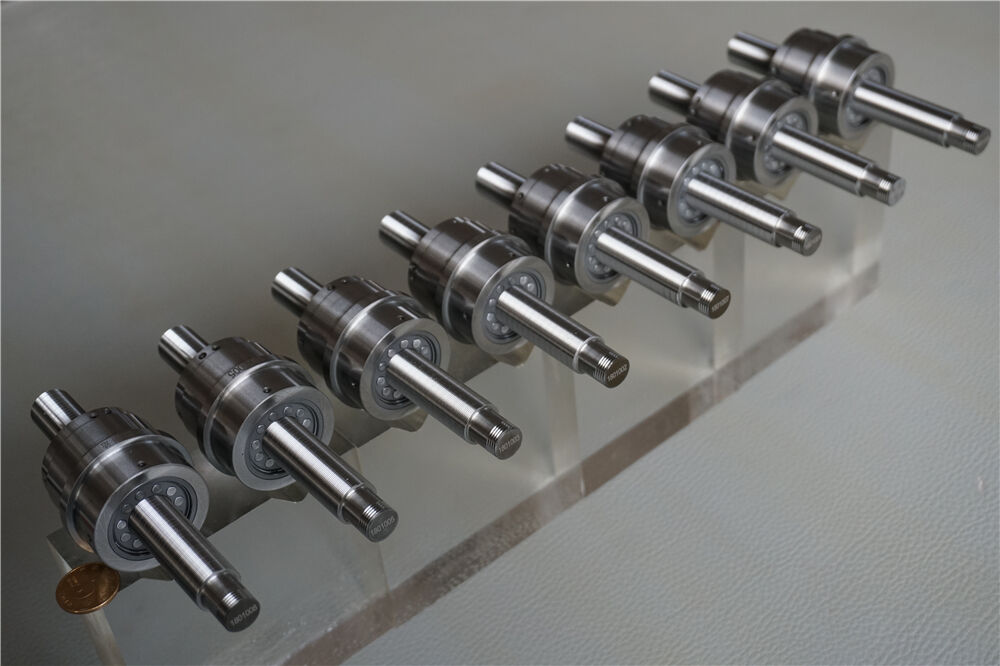
Part 2: Optimization Strategies for Planetary Screw Performance
Beyond avoiding mistakes, proactive optimization extends service life, enhances precision, and reduces maintenance costs. Here’s how to optimize your planetary screw system:
1. Match Precision Grade to Application Needs
Planetary screws are available in accuracy grades (e.g., C1-C5), with C1 offering ultra-precision (±0.001mm) and C5 for general industrial use. Over-specifying accuracy (e.g., using C1 for standard automation) increases costs by 20-30% unnecessarily. Align the grade with your application: C1-C2 for aerospace/medical, C3-C4 for machine tools, and C5 for heavy machinery.
2. Optimize Load Distribution with Proper Sizing
Calculate the maximum axial load, radial load, and shock load your system will encounter, then select a planetary screw with a safety factor of 1.5-2.0. This prevents overloading and extends service life. For dynamic load scenarios (e.g., robotic arms with frequent start-stops), prioritize screws with higher dynamic load ratings to handle cyclic stress.
3. Enhance Durability with Protective Modifications
For harsh environments, add custom protections: Scrapers to block debris, corrosion-resistant coatings (e.g., chrome plating), or thermal insulation for extreme temperatures. In high-vibration applications, use thread lockers on mounting bolts and anti-vibration washers to prevent loosening and misalignment.
4. Implement Predictive Maintenance
Instead of reactive maintenance, monitor planetary screw performance with sensors to track vibration, temperature, and wear. Abnormal vibration often indicates misalignment or worn rollers, while increased temperature signals lubrication issues. Predictive maintenance reduces unplanned downtime by 30-40% and extends service life by identifying issues early.
Part 3: When to Choose Custom Planetary Screws
Standard planetary screws work for most applications, but custom designs are necessary for: - Space-constrained systems (e.g., compact surgical robots) requiring miniaturized components. - Extreme environments (e.g., aerospace, offshore energy) needing specialized materials or sealing. - Unique motion profiles (e.g., variable pitch threads for controlled acceleration/deceleration). - Integration with legacy equipment (custom mounting interfaces or thread sizes). Work with a supplier with in-house engineering capabilities to ensure custom designs meet performance and compliance requirements (e.g., ISO 9001, CE).
Conclusion: Maximize Planetary Screw Value Through Smart Selection
Planetary screws deliver unmatched precision and load capacity, but their full potential is unlocked by avoiding common selection mistakes and implementing targeted optimizations. By aligning the component to your application’s load, precision, and environmental needs, and prioritizing proper installation and maintenance, you can ensure reliable performance and a strong return on investment.
If you’re unsure how to select or optimize planetary screws for your project, our team of experts is here to help. We offer standard and custom planetary screw solutions, plus technical guidance to avoid pitfalls and maximize performance. Contact us today to discuss your specific requirements.
Table of Contents
-
Part 1: 6 Costly Planetary Screw Selection Mistakes
- Mistake 1: Confusing Planetary Screws with Ball Screws (Load Capacity Mismatch)
- Mistake 2: Ignoring Backlash Requirements for Precision Applications
- Mistake 3: Overlooking Environmental Compatibility
- Mistake 4: Underestimating Lubrication Needs
- Mistake 5: Neglecting Mounting and Alignment
- Mistake 6: Overlooking Lead Time for Custom Solutions
- Part 2: Optimization Strategies for Planetary Screw Performance
- Part 3: When to Choose Custom Planetary Screws
- Conclusion: Maximize Planetary Screw Value Through Smart Selection