 EN
EN
 AR
AR
 BG
BG
 CS
CS
 DA
DA
 NL
NL
 FI
FI
 FR
FR
 DE
DE
 EL
EL
 HI
HI
 IT
IT
 JA
JA
 KO
KO
 NO
NO
 PL
PL
 PT
PT
 RU
RU
 ES
ES
 SV
SV
 TL
TL
 ID
ID
 UK
UK
 VI
VI
 HU
HU
 TH
TH
 TR
TR
 FA
FA
 AF
AF
 MS
MS
 SW
SW
 GA
GA
 CY
CY
 BE
BE
 KA
KA
 LA
LA
 MY
MY
 TG
TG
 UZ
UZ


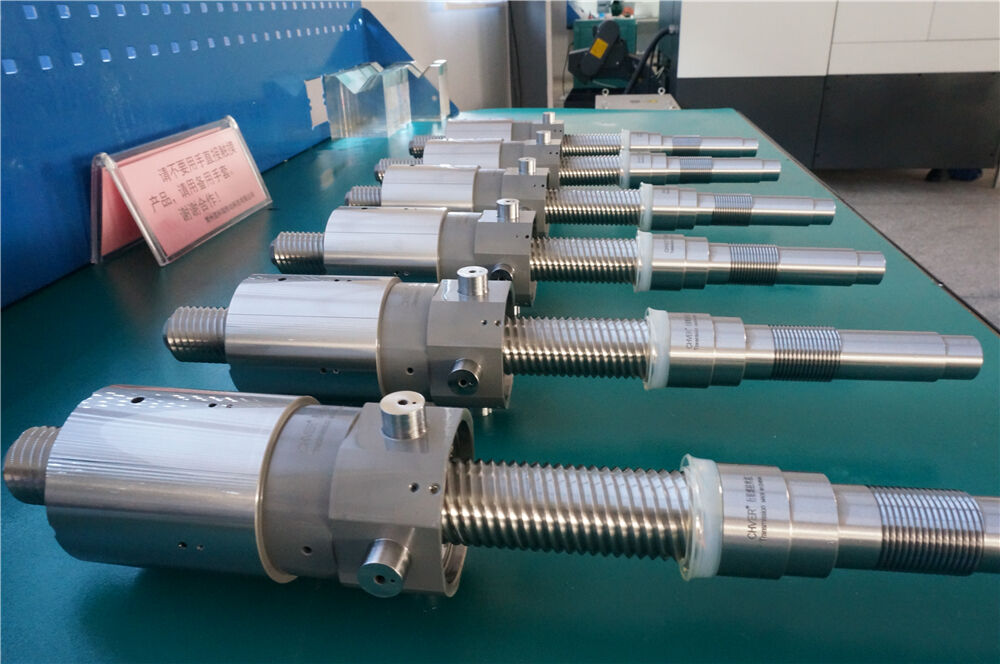
For decades, hydraulic systems have been the go-to for heavy-load linear motion in industries like manufacturing, construction, and aerospace. However, their inherent drawbacks—fluid leakage, high maintenance, and low energy efficiency—have driven engineers to seek alternatives. Planetary screws, with their exceptional load capacity, precision, and electromechanical design, have emerged as a game-changing replacement for hydraulic systems, delivering comparable performance with fewer downsides. This blog compares planetary screws and hydraulic systems, explores when to make the switch, and highlights real-world success stories of this industrial upgrade.
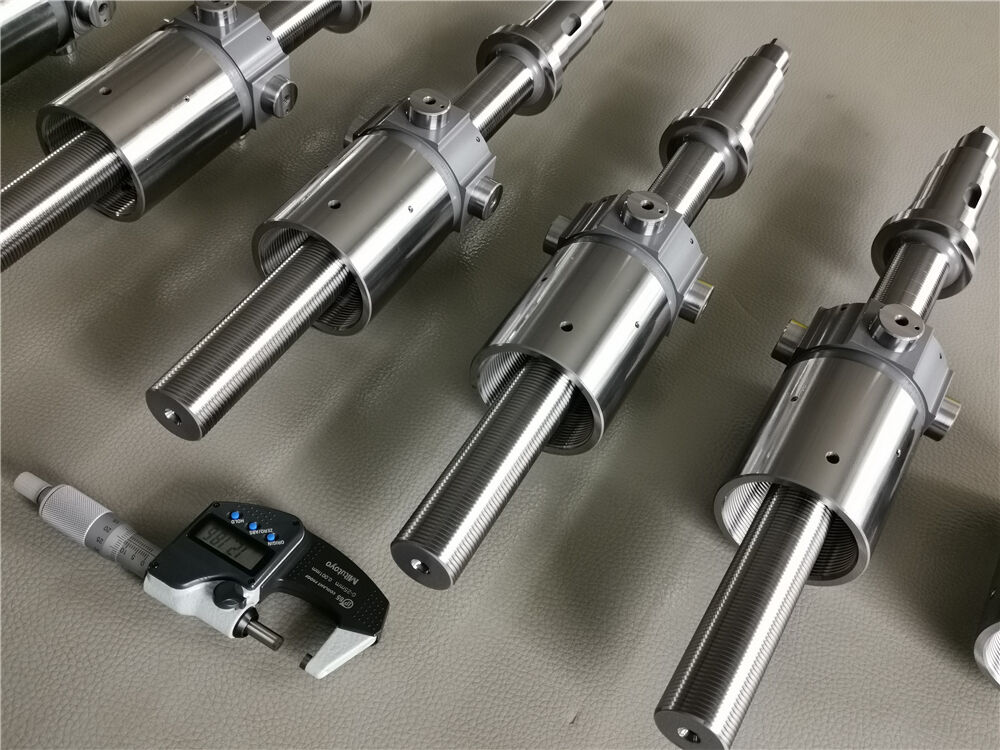
Planetary Screws vs. Hydraulic Systems: Core Performance Comparison
While both solutions handle heavy loads, their operating principles and performance characteristics differ drastically. Below is a head-to-head comparison of key metrics that matter for industrial applications:
1. Load Capacity & Precision
Hydraulic systems excel at heavy loads but struggle with precision. They rely on fluid pressure to generate force, making micron-level positioning nearly impossible—position deviation of ±0.1mm is common. Planetary screws, by contrast, use line-contact rolling elements to handle 2-3x the load of ball screws (and match hydraulic load capacity for mid-to-large systems) while delivering ±0.001mm to ±0.005mm precision. This makes them ideal for applications where both load and accuracy are critical, such as automotive press machines and aerospace actuators.
2. Energy Efficiency
Hydraulic systems are notoriously inefficient: up to 60% of energy is lost to fluid friction, heat generation, and idle pump operation. Planetary screws, as electromechanical components, convert electrical energy directly to linear motion with over 85% efficiency. For 24/7 operations (e.g., injection molding machines), this translates to 30-40% lower energy bills— a significant cost savings over the system’s lifespan.
3. Maintenance & Reliability
Hydraulic systems require constant upkeep: fluid changes, seal replacements, and leak repairs are routine, leading to frequent downtime. Leaks also pose environmental risks and safety hazards (e.g., slippery floors). Planetary screws have fewer moving parts, no fluid components, and require only periodic lubrication and visual inspections. Their service life is 2-4x longer than hydraulic systems, reducing unplanned downtime by 50% or more.
4. Environmental Impact & Compliance
Hydraulic fluid leaks contaminate soil, water, and machinery, violating EU REACH, US EPA, and global environmental standards. Disposing of used hydraulic fluid also adds cost and regulatory complexity. Planetary screws use no fluids, eliminating leakage risks and aligning with sustainability goals. Stainless steel and corrosion-resistant variants further enhance their eco-friendly profile for clean industries like food processing and medical equipment.
5. Compactness & Installation Flexibility
Hydraulic systems require bulky pumps, hoses, reservoirs, and valves, taking up significant floor space and limiting installation flexibility. Planetary screws have a compact, integrated design—fitting into tight spaces (e.g., robotic arms, compact presses) with minimal auxiliary components. Their modular design also simplifies integration with existing electromechanical systems, reducing retrofitting time and costs.
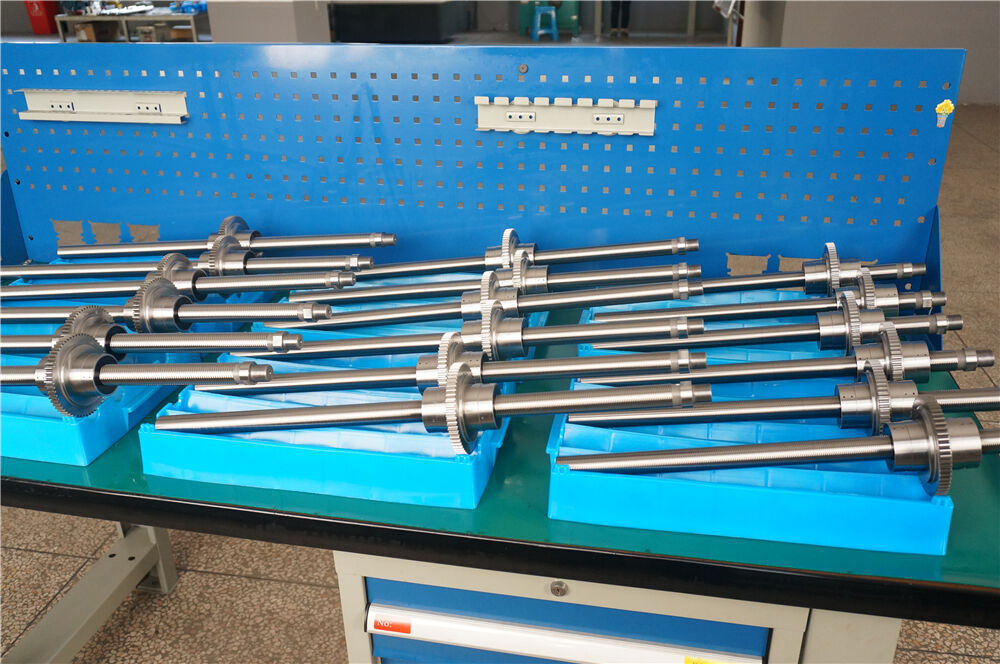
When to Replace Hydraulics with Planetary Screws
Planetary screws are not a one-size-fits-all replacement, but they are ideal for applications where: - Precision positioning (±0.01mm or better) is required. - Energy efficiency and cost savings are priorities. - Environmental compliance and leak prevention are mandatory. - Compact installation space is limited. - Unplanned downtime must be minimized. Common use cases include hydraulic press replacements, robotic arm actuation, injection molding clamping systems, and aerospace landing gear components.
Real-World Success: Hydraulic to Planetary Screw Upgrades
Across industries, companies are switching to planetary screws and reaping tangible benefits. Below are two notable examples:
Case 1: Automotive Stamping Press Upgrade
A European automotive manufacturer replaced hydraulic systems in their 500-ton stamping presses with planetary screws. The upgrade delivered: - 35% lower energy consumption (saving €20,000+ per press annually). - Positioning accuracy improved from ±0.08mm to ±0.008mm, reducing part defects by 28%. - Maintenance costs cut by 60% (no more fluid changes or leak repairs). - Downtime reduced from 8 hours/week to 1 hour/week, increasing production throughput by 12%.
Case 2: Injection Molding Machine Clamping System
A plastics manufacturer retrofitted their hydraulic clamping systems with planetary screws. Key results: - Clamping force consistency improved by 40%, reducing mold wear and plastic waste. - Energy costs decreased by 32% due to higher efficiency. - No fluid leaks eliminated environmental compliance risks and clean-up costs. - System lifespan extended by 3 years, delaying capital expenditure on new equipment.
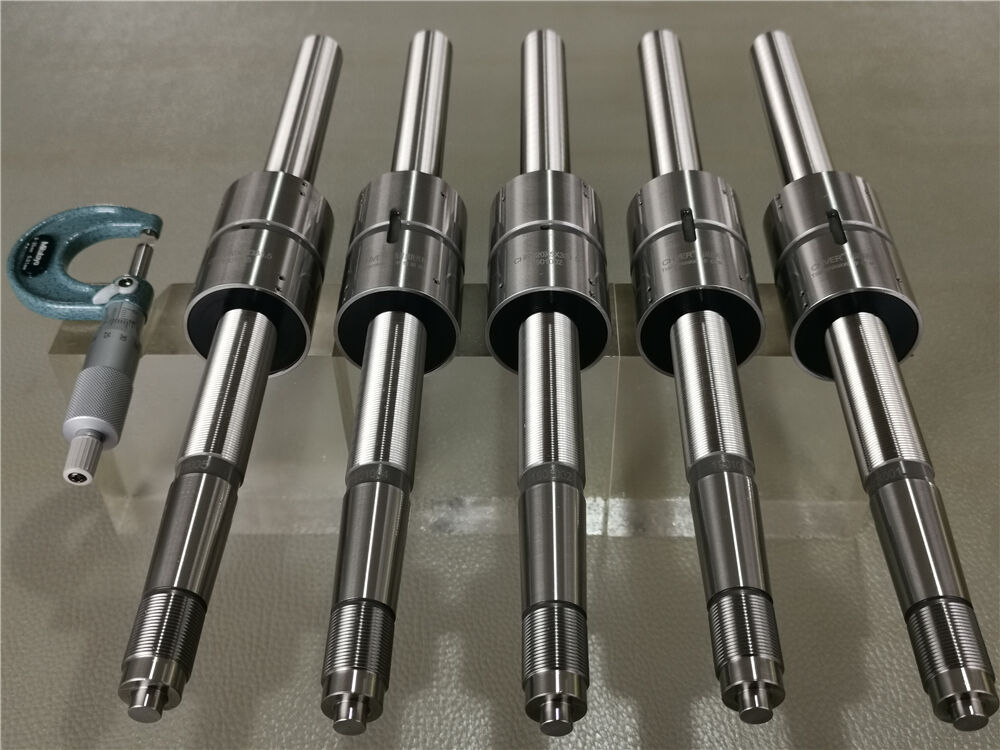
Key Considerations for Hydraulic-to-Planetary Screw Retrofits
Successful retrofitting requires careful planning to ensure compatibility and performance. Focus on these critical factors:
1. Load & Force Calculation
Calculate peak dynamic loads, static loads, and shock loads to select a planetary screw with a safety factor of 1.5-2.0. Work with your supplier to match the screw’s load rating to the hydraulic system’s output force.
2. Motor & Drive Compatibility
Pair planetary screws with servo motors and drives that match their speed and torque requirements. Servo systems enhance precision and enable programmable motion profiles (e.g., variable speed, position holding)—a capability hydraulic systems lack.
3. Mounting & Alignment
Ensure the mounting surface is flat (error ≤0.01mm/m) and aligned to avoid bending stress on the screw shaft. Use custom brackets to adapt planetary screws to existing machine interfaces, minimizing retrofitting modifications.
4. Lubrication & Environmental Protection
Select lubricants tailored to your application (e.g., high-temperature synthetic grease for extreme environments, food-grade grease for cleanrooms). Add IP65+ sealed assemblies if the application involves dust, moisture, or debris.
Conclusion: The Future of Heavy-Load Motion is Electromechanical
As industries prioritize efficiency, precision, and sustainability, planetary screws are replacing hydraulic systems as the gold standard for heavy-load linear motion. Their superior performance, lower maintenance, and environmental benefits deliver long-term value that hydraulic systems cannot match—whether for new machine designs or retrofits.
If you’re considering upgrading from hydraulic systems to planetary screws, our team of experts can help. We offer custom planetary screw solutions, load calculations, and retrofitting guidance to ensure a seamless transition. Contact us today to explore how planetary screws can reduce costs, improve performance, and align with your sustainability goals.
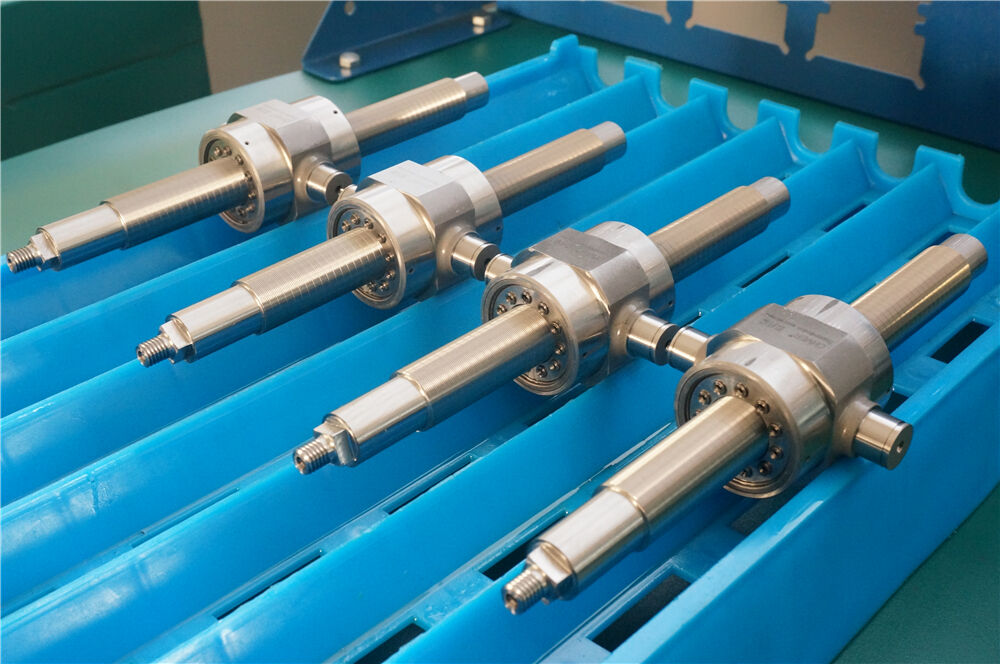
Table of Contents
- Planetary Screws vs. Hydraulic Systems: Core Performance Comparison
- When to Replace Hydraulics with Planetary Screws
- Real-World Success: Hydraulic to Planetary Screw Upgrades
- Key Considerations for Hydraulic-to-Planetary Screw Retrofits
- Conclusion: The Future of Heavy-Load Motion is Electromechanical