 EN
EN
 AR
AR
 BG
BG
 CS
CS
 DA
DA
 NL
NL
 FI
FI
 FR
FR
 DE
DE
 EL
EL
 HI
HI
 IT
IT
 JA
JA
 KO
KO
 NO
NO
 PL
PL
 PT
PT
 RU
RU
 ES
ES
 SV
SV
 TL
TL
 ID
ID
 UK
UK
 VI
VI
 HU
HU
 TH
TH
 TR
TR
 FA
FA
 AF
AF
 MS
MS
 SW
SW
 GA
GA
 CY
CY
 BE
BE
 KA
KA
 LA
LA
 MY
MY
 TG
TG
 UZ
UZ


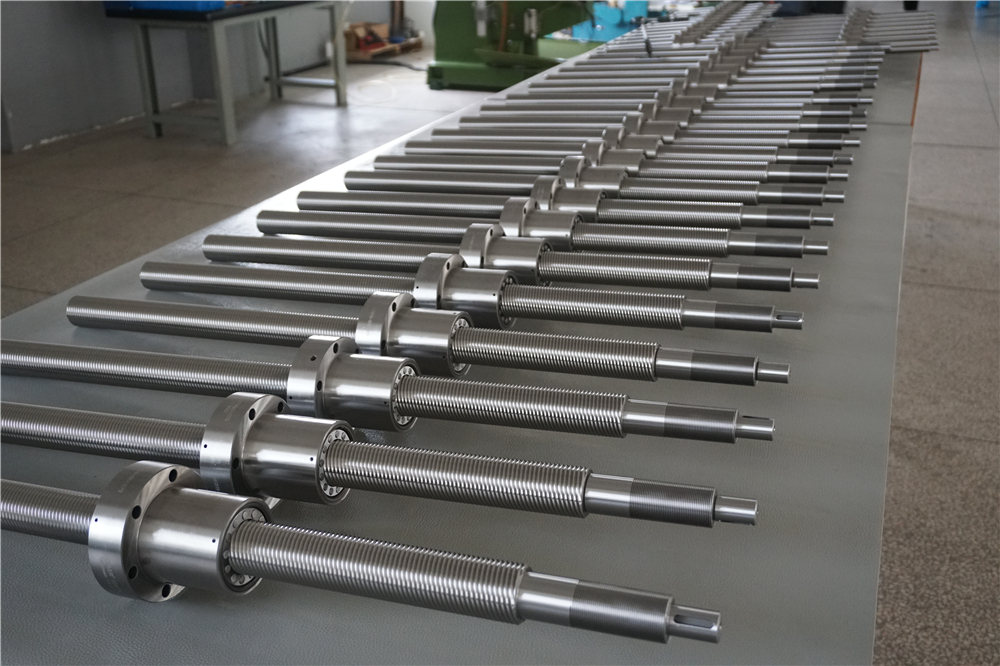
With the maturity of precision grinding, heat treatment and industrial detection systems in China, domestic linear motion components have achieved comprehensive technological upgrading in recent years. Imported ball screws from HIWIN and THK, which once dominated the high-precision automation market, are now gradually replaced by high-quality domestic ball screws and embedded linear modules in 3C electronics, new energy lithium battery, photovoltaic, medical equipment and general automation industries.
The biggest change in the 2026 automation industry is no longer low-price competition. Domestic precision ball screws have achieved all-round advantages of standard precision, stable performance, double cost performance and faster delivery cycle, becoming the core choice for automation manufacturers to reduce costs and improve equipment quality.
1. Core Upgrades of Domestic Ball Screws: Solving Precision Drift & Instability Pain Points
The main drawbacks of early domestic ball screws were accuracy attenuation, inconsistent surface roughness, unstable preload and frequent abnormal noise after long-term operation. The root causes included immature heat treatment process, insufficient raceway grinding precision, unclassified steel balls and poorly adapted circulator structures.
Leading domestic screw and module manufacturers have completed full-process technological iteration:
-
Constant-temperature precision grinding process ensures consistent raceway machining accuracy
-
Precision heat treatment and shaping eliminate long-term stress deformation
-
High-precision steel ball classification optimizes operation smoothness and mute performance
-
Standardized preload matching technology realizes stable backlash control
Current domestic ball screws can fully replace imported products in C5 general precision and partial C3 high-precision scenarios, meeting the application requirements of automated transfer, precision positioning, dispensing, detection and cutting equipment.
2. Scenario-Based Ball Screw Selection Rules for 2026 Automation Industry
Most equipment failures stem from mismatched product selection rather than quality problems. Combined with mainstream industrial working conditions, we sort out three sets of standardized selection solutions:
2.1 Precision Positioning Scenarios (Dispensing, Inspection, Laminating, Micro Processing)
Core requirements: ultra-low backlash, high repeat accuracy, stable start-stop operation, zero direction switching error
Matching solution: C3/C5 precision-grade ball screws with micro-preload or double-nut preload structure to ensure micron-level positioning stability.
2.2 High-Speed Handling Scenarios (Loading & Unloading, Pipeline Transfer)
Core requirements: high operating speed, high cycle efficiency, low wear and low noise
Matching solution: large-lead high-speed ball screws with optimized circulation structure, reducing steel ball centrifugal wear and enhancing lubrication performance to balance speed and service life.
2.3 Heavy-Load & Long-Stroke Scenarios (Lithium Battery, Photovoltaic Equipment)
Core requirements: high rigidity, anti-eccentric load, low deflection deformation and long service life
Matching solution: increased screw shaft diameter, optimized guide rail layout and sufficient dynamic load safety margin to solve long-stroke deflection and partial wear problems.
3. Embedded Ball Screw Modules Become Mainstream Upgrade Direction
Traditional open-type ball screw modules have poor dust resistance, vulnerable to dust and oil pollution, resulting in fast wear and frequent maintenance in harsh working conditions. In contrast, embedded ball screw linear modules with integrated fully enclosed structure have become the mainstream upgrade choice for 2026 automated equipment.
Key advantages of embedded screw modules:
-
Built-in track design, compact structure and higher overall rigidity
-
Fully enclosed dustproof structure, adaptable to dusty, oily and humid workshops
-
External oil injection design, convenient daily maintenance without shell disassembly
-
Stable precision and excellent mute performance, suitable for high-standard precision production lines
The upgrade from traditional open screws to closed embedded screw modules represents the industrial iteration of automated equipment from basic usability to high stability, durability and low maintenance.
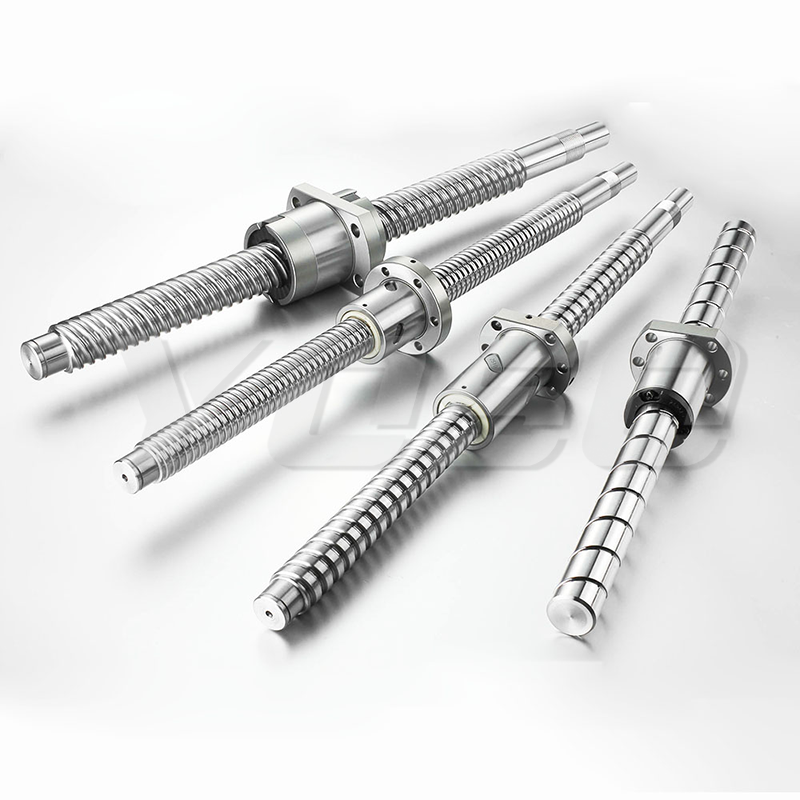
4. Industry Trend: Competition Shifts from Parameter Comparison to Full-Life Stability
With intensified industrial involution, automation manufacturers no longer only focus on procurement unit price. Full-life indicators such as long-term precision stability, failure rate, maintenance cost and delivery efficiency have become the core evaluation standards.
The core competitiveness of ball screws and linear modules in the future is reflected in:
-
Controllable precision attenuation in the full service life
-
Strong adaptability to high/low speed and heavy/light load working conditions
-
Excellent dust resistance, wear resistance and fatigue resistance with low failure rate
-
Customizable production and fast after-sales service
With outstanding scenario adaptability and cost performance, domestic ball screws and modules are continuously seizing market share from imported brands, becoming key components for automation enterprises to reduce costs and improve efficiency.
Final Words
As the core transmission component of linear motion systems, ball screws determine the overall precision, stability and service life of automated equipment despite their simple structure. With the comprehensive upgrading of domestic manufacturing technology, scenario-based precise selection and refined operation maintenance can maximize the performance of precision ball screws, ensuring long-term efficient and stable operation of industrial automation equipment.