 EN
EN
 AR
AR
 BG
BG
 CS
CS
 DA
DA
 NL
NL
 FI
FI
 FR
FR
 DE
DE
 EL
EL
 HI
HI
 IT
IT
 JA
JA
 KO
KO
 NO
NO
 PL
PL
 PT
PT
 RU
RU
 ES
ES
 SV
SV
 TL
TL
 ID
ID
 UK
UK
 VI
VI
 HU
HU
 TH
TH
 TR
TR
 FA
FA
 AF
AF
 MS
MS
 SW
SW
 GA
GA
 CY
CY
 BE
BE
 KA
KA
 LA
LA
 MY
MY
 TG
TG
 UZ
UZ


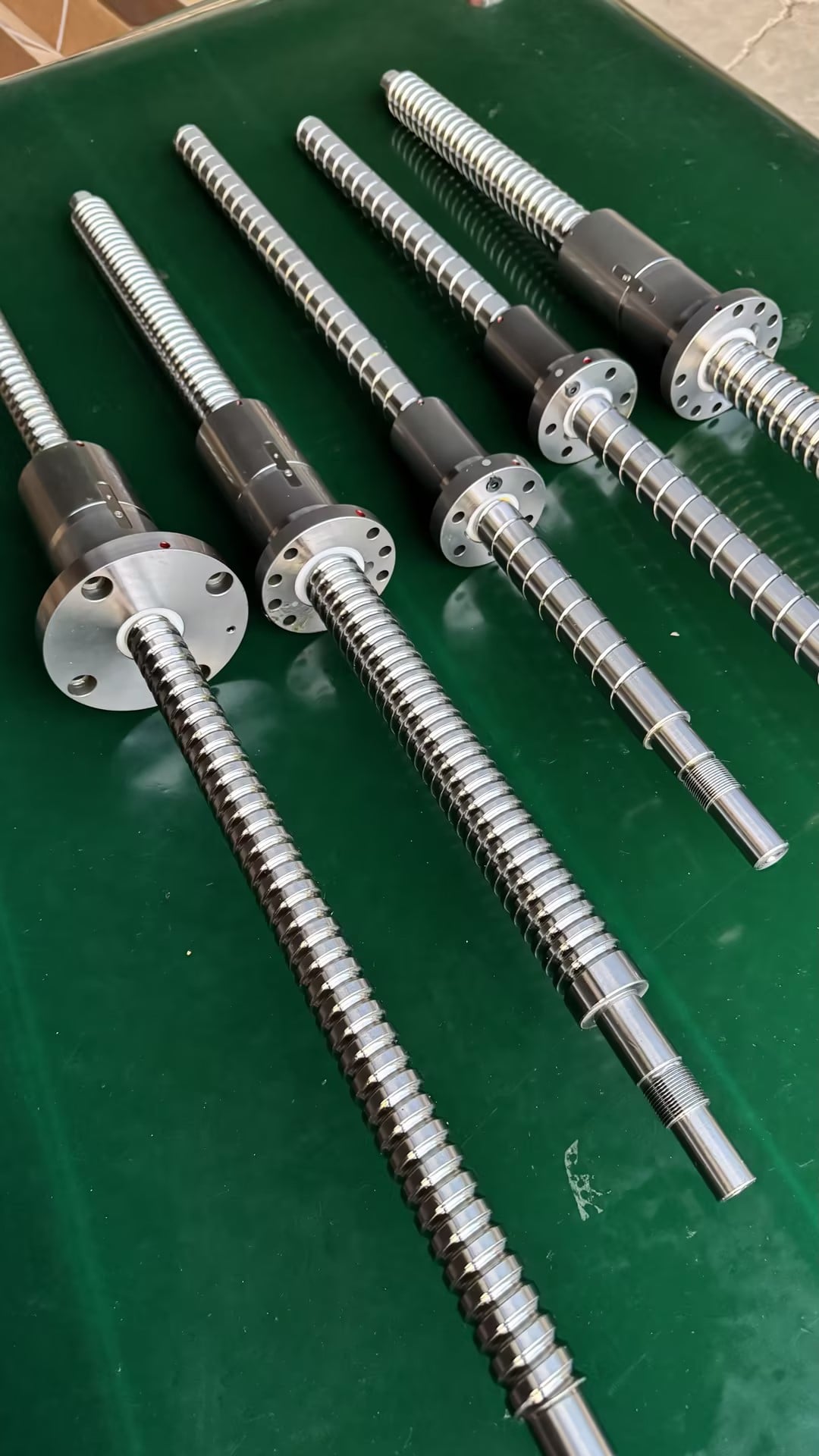
Ball screw failure rarely happens abruptly in industrial automation. Most precision degradation, abnormal noise, and jitter issues stem from accumulated minor wear, improper lubrication, installation deviation, and long-term fatigue load. For mechanical engineers and equipment maintenance teams, accurate fault diagnosis can effectively avoid unplanned downtime and extend linear module service life.
This article summarizes 6 most common ball screw failure symptoms in actual production scenarios, analyzes root causes, and provides practical repair and optimization solutions for CNC machines, dispensing equipment, automated handling modules, and precision inspection stations.
1. Irregular Abnormal Noise & Clicking Sound
Symptom: Regular clicking, grinding or jittering noise during reciprocating movement; louder noise at high speed or reversing position.
-
Insufficient or deteriorated lubricant leads to local dry friction between steel balls and raceway
-
Damaged circulator causes unstable steel ball operation
2. Positioning Accuracy Drift & Repeatability Decline
Root Cause: Long-term eccentric load and impact load cause micro plastic deformation of the screw raceway; preload attenuation leads to increased reverse backlash; screw thermal deformation affects feeding accuracy.
3. Obvious Reverse Backlash & Hysteresis Error
Root Cause: Preload fatigue of double-nut or single-nut preload structure; excessive wear of local raceway; unreasonable large lead screw matching.
4. Module Stuck Movement & Uneven Operation Resistance
Root Cause: Screw installation parallelism deviation; foreign particle blockage; local raceway peeling and scratch damage.
5. Excessive Heat Generation During High-Speed Operation
Root Cause: Excessive preload resistance; insufficient lubrication oil film; unreasonable high-speed lead matching.
6. Short Service Life & Early Fatigue Failure
Root Cause: Working condition mismatch, overload operation, long-term cantilever deflection, and lack of regular maintenance.
Conclusion
Blog 4: Embedded vs External Ball Screw Module: Which Structure Suits Your Automation Application Best
This article conducts an in-depth comparison of structural principle, rigidity, precision stability, dustproof performance, maintenance cost and applicable scenarios of the two structures, helping engineers make the most scientific model selection for 3C automation, new energy, medical, packaging and precision testing equipment.
Embedded Ball Screw Module: The screw raceway and guide rail are integrally processed inside the aluminum profile base. The ball screw is built into the closed track, forming an integrated high-rigidity motion structure represented by TOYO GTH series modules.
2. Rigidity & Stability Comparison
The external split structure has relatively independent guide rail and screw. Under eccentric load and cantilever working conditions, the overall rigidity is weaker, and slight vibration is more likely to occur during high-frequency operation.
Embedded modules feature unified one-piece processing benchmark, ensuring long-term consistent positioning accuracy within ±0.005mm. The fully enclosed internal structure avoids external interference, realizing slower precision attenuation and longer full-cycle service life.
4. Dustproof Performance & Environmental Adaptability
External structure: Relatively open internal space. Dust, metal chips and floating oil fume easily invade the screw raceway, causing accelerated wear and requiring higher environmental cleanliness standards.
Embedded ball screw modules support external oil injection maintenance without disassembling the upper cover, which greatly improves daily maintenance efficiency and reduces manual maintenance costs.
6. Applicable Scenario Selection Guide
-
Long-term high-precision positioning is required (dispensing, testing, laminating)
-
Long stroke, high speed and high frequency cyclic operation
Choose Traditional External Ball Screw Modules If:
-
Clean indoor workshop environment with low pollution
Final Selection Suggestion
Engineers should select structural types according to actual working environment, precision requirements, operating frequency and maintenance budget to achieve the best balance of equipment performance and cost.
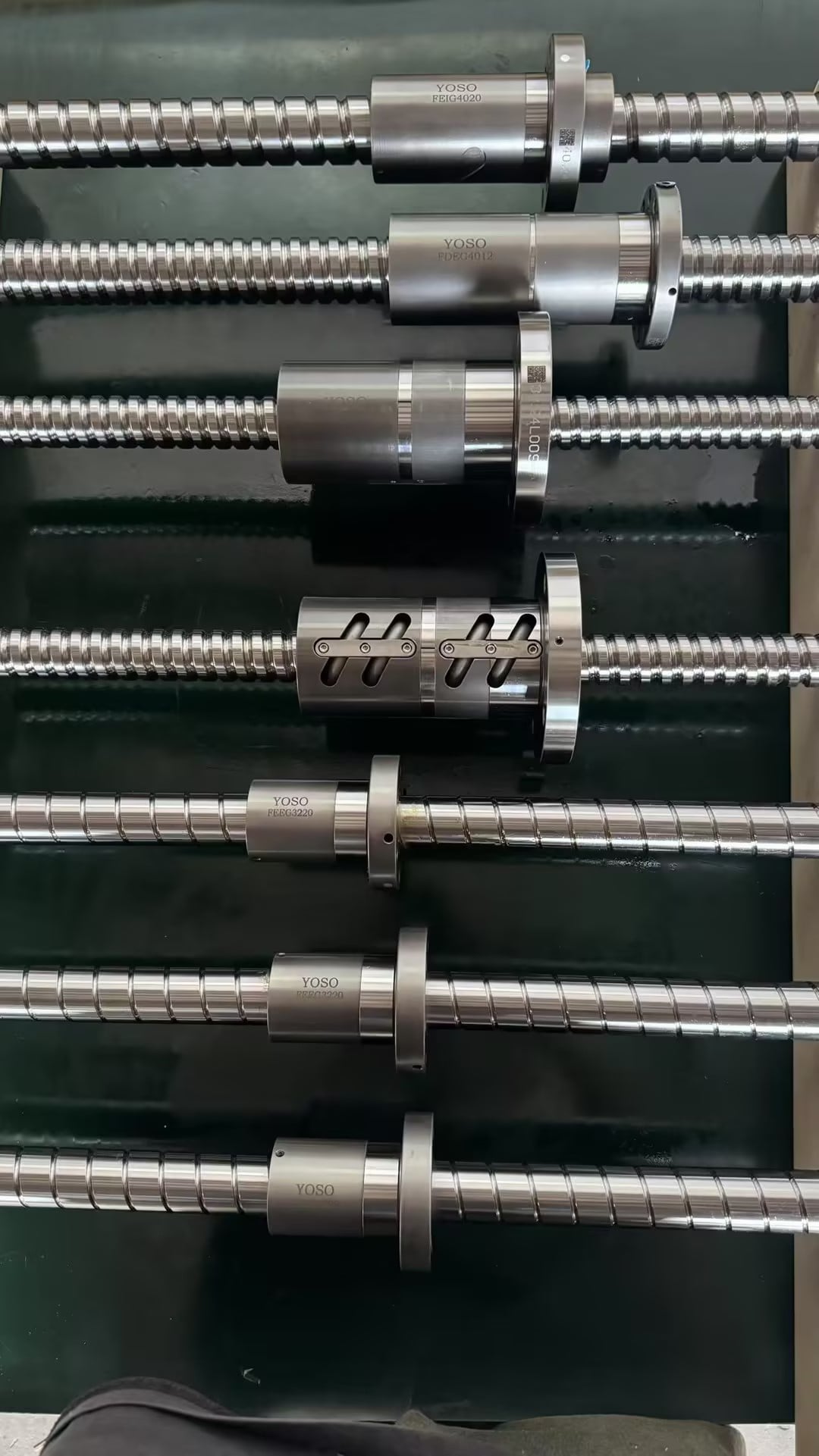
3. Obvious Reverse Backlash & Hysteresis Error
Root Cause: Preload fatigue of double-nut or single-nut preload structure; excessive wear of local raceway; unreasonable large lead screw matching.
4. Module Stuck Movement & Uneven Operation Resistance
Root Cause: Screw installation parallelism deviation; foreign particle blockage; local raceway peeling and scratch damage.
5. Excessive Heat Generation During High-Speed Operation
Root Cause: Excessive preload resistance; insufficient lubrication oil film; unreasonable high-speed lead matching.
6. Short Service Life & Early Fatigue Failure
Root Cause: Working condition mismatch, overload operation, long-term cantilever deflection, and lack of regular maintenance.
Conclusion
Blog 4: Embedded vs External Ball Screw Module: Which Structure Suits Your Automation Application Best
This article conducts an in-depth comparison of structural principle, rigidity, precision stability, dustproof performance, maintenance cost and applicable scenarios of the two structures, helping engineers make the most scientific model selection for 3C automation, new energy, medical, packaging and precision testing equipment.
Embedded Ball Screw Module: The screw raceway and guide rail are integrally processed inside the aluminum profile base. The ball screw is built into the closed track, forming an integrated high-rigidity motion structure represented by TOYO GTH series modules.
2. Rigidity & Stability Comparison
The external split structure has relatively independent guide rail and screw. Under eccentric load and cantilever working conditions, the overall rigidity is weaker, and slight vibration is more likely to occur during high-frequency operation.
Embedded modules feature unified one-piece processing benchmark, ensuring long-term consistent positioning accuracy within ±0.005mm. The fully enclosed internal structure avoids external interference, realizing slower precision attenuation and longer full-cycle service life.
4. Dustproof Performance & Environmental Adaptability
External structure: Relatively open internal space. Dust, metal chips and floating oil fume easily invade the screw raceway, causing accelerated wear and requiring higher environmental cleanliness standards.
Embedded ball screw modules support external oil injection maintenance without disassembling the upper cover, which greatly improves daily maintenance efficiency and reduces manual maintenance costs.
6. Applicable Scenario Selection Guide
-
Long-term high-precision positioning is required (dispensing, testing, laminating)
-
Long stroke, high speed and high frequency cyclic operation
Choose Traditional External Ball Screw Modules If:
-
Clean indoor workshop environment with low pollution
Final Selection Suggestion
Engineers should select structural types according to actual working environment, precision requirements, operating frequency and maintenance budget to achieve the best balance of equipment performance and cost.
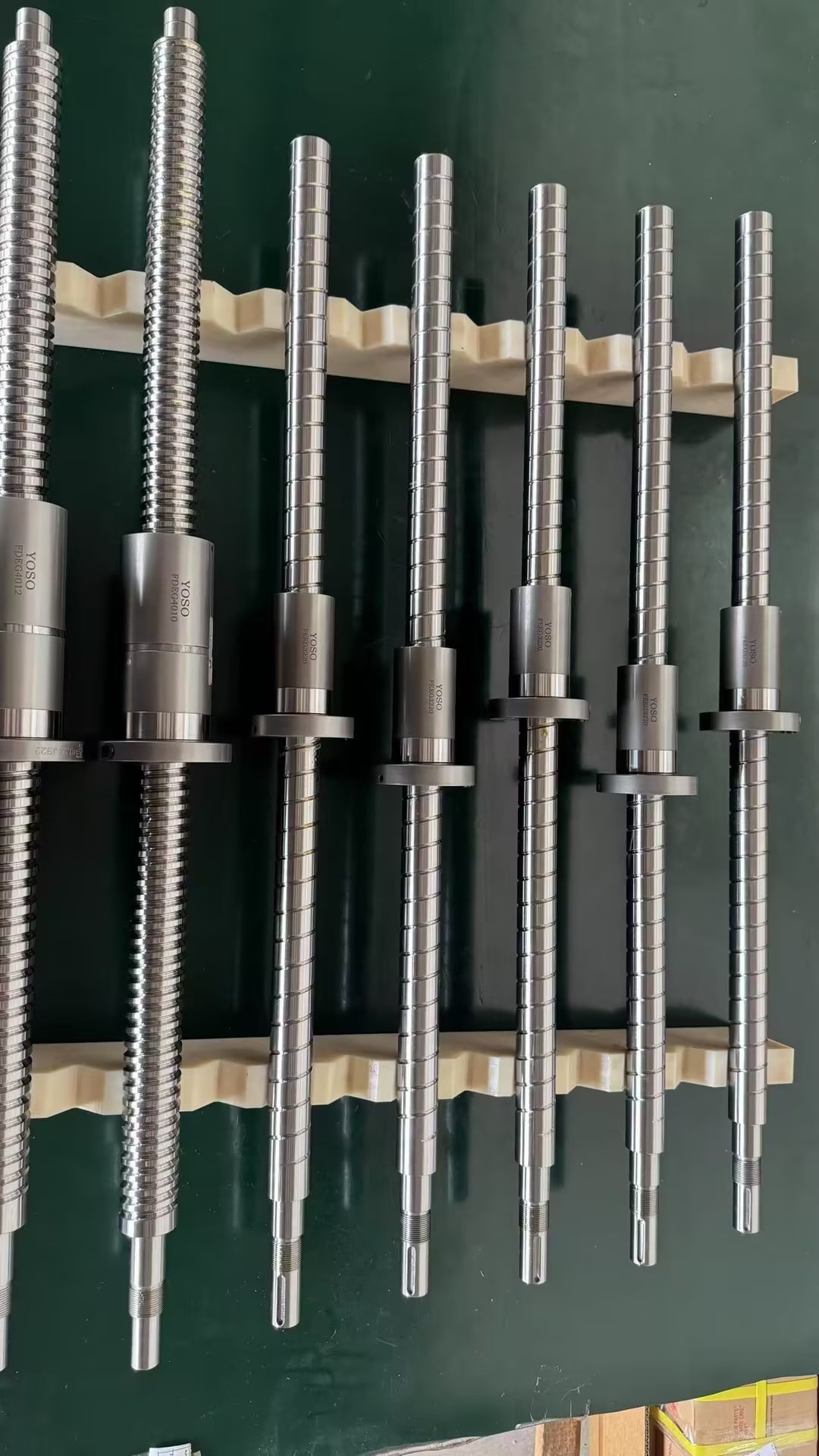
6. Short Service Life & Early Fatigue Failure
Root Cause: Working condition mismatch, overload operation, long-term cantilever deflection, and lack of regular maintenance.
Conclusion
Blog 4: Embedded vs External Ball Screw Module: Which Structure Suits Your Automation Application Best
This article conducts an in-depth comparison of structural principle, rigidity, precision stability, dustproof performance, maintenance cost and applicable scenarios of the two structures, helping engineers make the most scientific model selection for 3C automation, new energy, medical, packaging and precision testing equipment.
Embedded Ball Screw Module: The screw raceway and guide rail are integrally processed inside the aluminum profile base. The ball screw is built into the closed track, forming an integrated high-rigidity motion structure represented by TOYO GTH series modules.
2. Rigidity & Stability Comparison
The external split structure has relatively independent guide rail and screw. Under eccentric load and cantilever working conditions, the overall rigidity is weaker, and slight vibration is more likely to occur during high-frequency operation.
Embedded modules feature unified one-piece processing benchmark, ensuring long-term consistent positioning accuracy within ±0.005mm. The fully enclosed internal structure avoids external interference, realizing slower precision attenuation and longer full-cycle service life.
4. Dustproof Performance & Environmental Adaptability
External structure: Relatively open internal space. Dust, metal chips and floating oil fume easily invade the screw raceway, causing accelerated wear and requiring higher environmental cleanliness standards.
Embedded ball screw modules support external oil injection maintenance without disassembling the upper cover, which greatly improves daily maintenance efficiency and reduces manual maintenance costs.
6. Applicable Scenario Selection Guide
-
Long-term high-precision positioning is required (dispensing, testing, laminating)
-
Long stroke, high speed and high frequency cyclic operation
Choose Traditional External Ball Screw Modules If:
-
Clean indoor workshop environment with low pollution
Final Selection Suggestion
Engineers should select structural types according to actual working environment, precision requirements, operating frequency and maintenance budget to achieve the best balance of equipment performance and cost.
Table of Contents
-
Blog 4: Embedded vs External Ball Screw Module: Which Structure Suits Your Automation Application Best
- 2. Rigidity & Stability Comparison
- 4. Dustproof Performance & Environmental Adaptability
- 6. Applicable Scenario Selection Guide
- Final Selection Suggestion
- 3. Obvious Reverse Backlash & Hysteresis Error
- 4. Module Stuck Movement & Uneven Operation Resistance
- 5. Excessive Heat Generation During High-Speed Operation
- 6. Short Service Life & Early Fatigue Failure
- Conclusion
- Blog 4: Embedded vs External Ball Screw Module: Which Structure Suits Your Automation Application Best
- Blog 4: Embedded vs External Ball Screw Module: Which Structure Suits Your Automation Application Best