 EN
EN
 AR
AR
 BG
BG
 CS
CS
 DA
DA
 NL
NL
 FI
FI
 FR
FR
 DE
DE
 EL
EL
 HI
HI
 IT
IT
 JA
JA
 KO
KO
 NO
NO
 PL
PL
 PT
PT
 RU
RU
 ES
ES
 SV
SV
 TL
TL
 ID
ID
 UK
UK
 VI
VI
 HU
HU
 TH
TH
 TR
TR
 FA
FA
 AF
AF
 MS
MS
 SW
SW
 GA
GA
 CY
CY
 BE
BE
 KA
KA
 LA
LA
 MY
MY
 TG
TG
 UZ
UZ


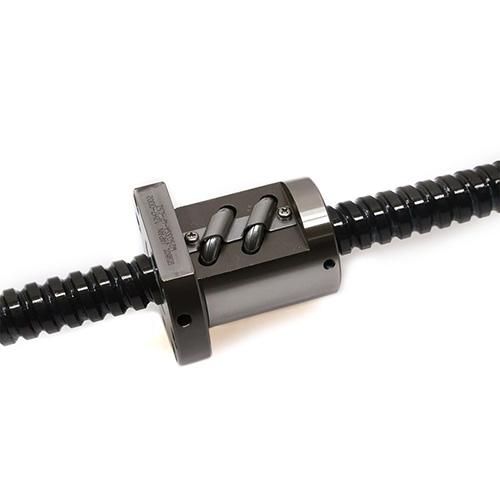
Ball screw linear modules are divided into two mainstream structural types in the global automation market: embedded ball screw modules and traditional external ball screw modules. Many system integrators and equipment designers are confused about structure selection, resulting in poor equipment stability, insufficient rigidity or excessive cost waste.
This article conducts an in-depth comparison of structural principle, rigidity, precision stability, dustproof performance, maintenance cost and applicable scenarios of the two structures, helping engineers make the most scientific model selection for 3C automation, new energy, medical, packaging and precision testing equipment.
1. Structural Principle Difference
Embedded Ball Screw Module: The screw raceway and guide rail are integrally processed inside the aluminum profile base. The ball screw is built into the closed track, forming an integrated high-rigidity motion structure represented by TOYO GTH series modules.
External Ball Screw Module: Adopts separated structure of independent screw shaft and external linear guide rail. The screw is exposed inside the module cavity, represented by traditional ETH and HIWIN KK series modules.
2. Rigidity & Stability Comparison
The embedded integrated structure greatly enhances overall structural rigidity. The internal track limits screw deflection effectively, showing stronger anti-deformation ability under long stroke and heavy load conditions. It is not easy to generate resonant vibration during high-speed reciprocating movement.
The external split structure has relatively independent guide rail and screw. Under eccentric load and cantilever working conditions, the overall rigidity is weaker, and slight vibration is more likely to occur during high-frequency operation.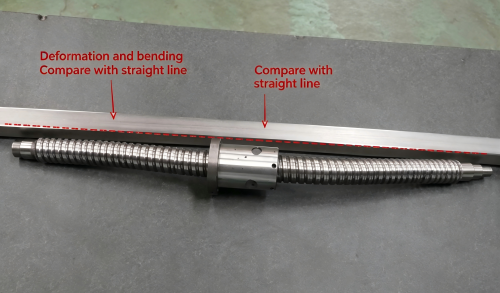
3. Precision Consistency & Service Life
Embedded modules feature unified one-piece processing benchmark, ensuring long-term consistent positioning accuracy within ±0.005mm. The fully enclosed internal structure avoids external interference, realizing slower precision attenuation and longer full-cycle service life.
External screw modules rely on manual assembly benchmark calibration. After long-term vibration, assembly tolerance deviation may accumulate, leading to gradual precision drift and increased later calibration frequency.
4. Dustproof Performance & Environmental Adaptability
Embedded structure: Fully enclosed integrated design, excellent dustproof, oil-proof and anti-pollution performance. It can operate stably in dusty, humid and oil-fume workshops, suitable for new energy, laser processing and industrial harsh environments.
External structure: Relatively open internal space. Dust, metal chips and floating oil fume easily invade the screw raceway, causing accelerated wear and requiring higher environmental cleanliness standards.
5. Maintenance Efficiency & Cost
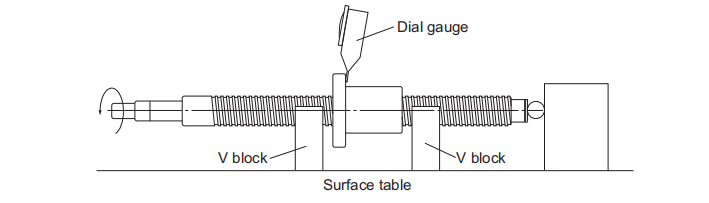
Embedded ball screw modules support external oil injection maintenance without disassembling the upper cover, which greatly improves daily maintenance efficiency and reduces manual maintenance costs.
Traditional external modules need to disassemble the protective cover for internal cleaning and lubrication, with complicated maintenance steps and higher long-term operation costs.

6. Applicable Scenario Selection Guide
Choose Embedded Ball Screw Modules If:
-
Long-term high-precision positioning is required (dispensing, testing, laminating)
-
Working environment contains dust, oil mist and impurities
-
Long stroke, high speed and high frequency cyclic operation
-
Low maintenance frequency and stable long-term operation are pursued
Choose Traditional External Ball Screw Modules If:
-
General automatic handling and assembly scenarios
-
Clean indoor workshop environment with low pollution
-
Cost-sensitive standard automated equipment
Final Selection Suggestion
With the upgrading of industrial automation equipment from "basic operation" to "high stability and low maintenance", embedded ball screw modules have gradually become the mainstream upgrade solution for mid-to-high-end automation equipment. External screw modules still maintain cost advantages in low-demand standard scenarios.
Engineers should select structural types according to actual working environment, precision requirements, operating frequency and maintenance budget to achieve the best balance of equipment performance and cost.