EN
EN
 AR
AR
 BG
BG
 CS
CS
 DA
DA
 NL
NL
 FI
FI
 FR
FR
 DE
DE
 EL
EL
 HI
HI
 IT
IT
 JA
JA
 KO
KO
 NO
NO
 PL
PL
 PT
PT
 RU
RU
 ES
ES
 SV
SV
 TL
TL
 ID
ID
 UK
UK
 VI
VI
 HU
HU
 TH
TH
 TR
TR
 FA
FA
 AF
AF
 MS
MS
 SW
SW
 GA
GA
 CY
CY
 BE
BE
 KA
KA
 LA
LA
 MY
MY
 TG
TG
 UZ
UZ


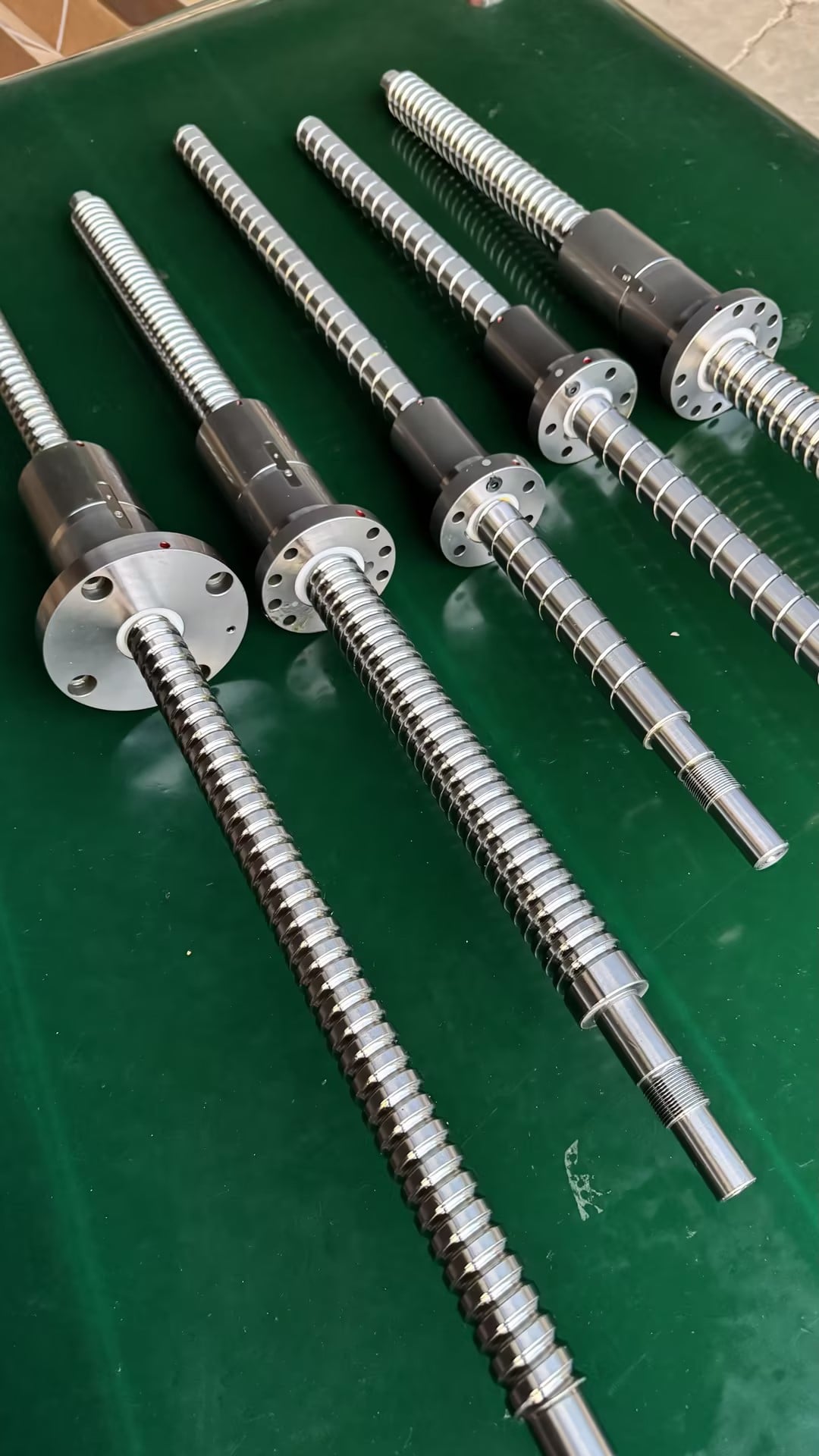
Ball screws are divided into two core manufacturing types in the global linear motion industry: rolled ball screws and ground ball screws. Many automation buyers and mechanical engineers confuse their precision differences, service life, and application boundaries, resulting in overbudget procurement or insufficient equipment accuracy.
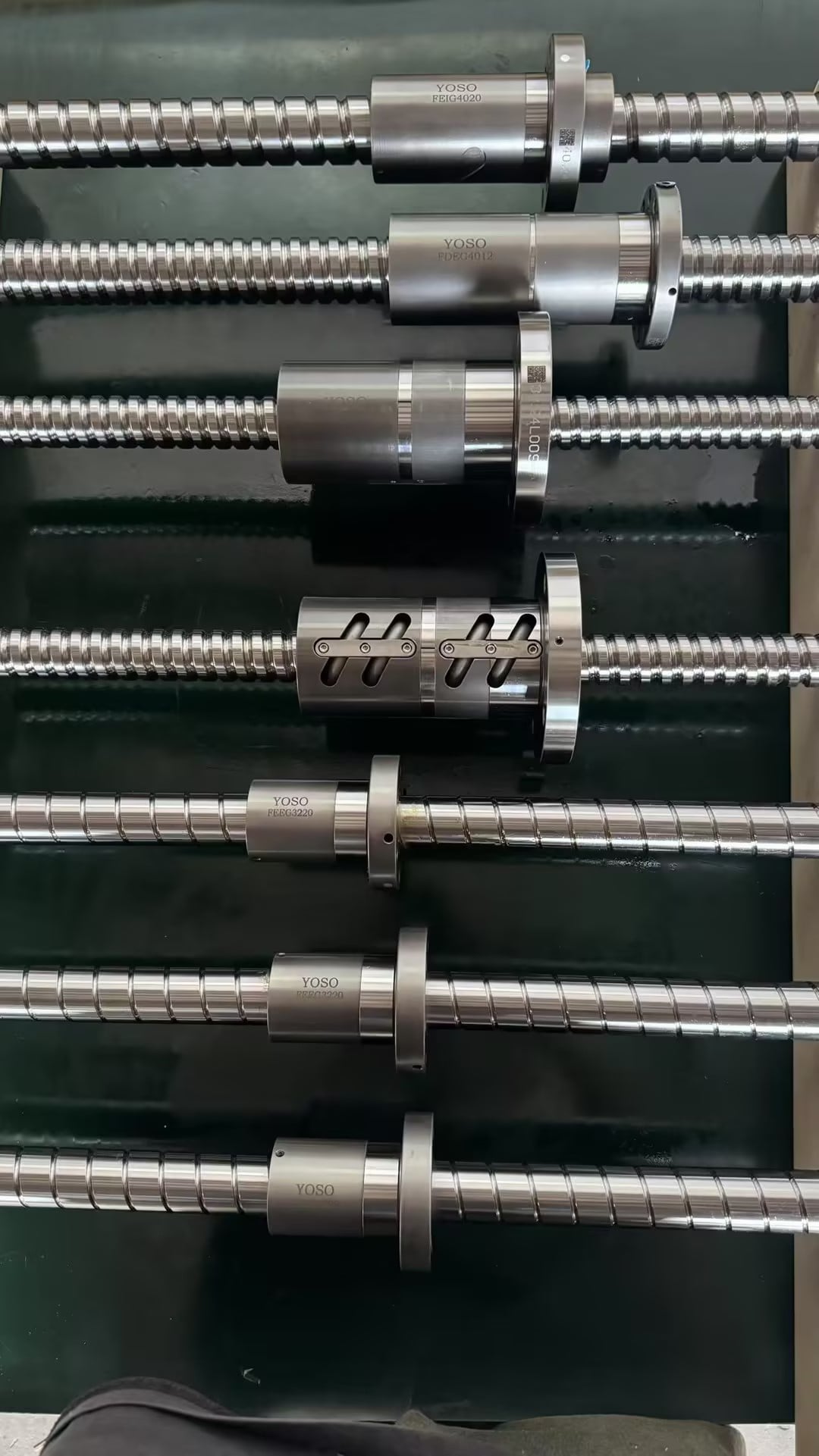
This article clearly compares rolled and ground ball screws in manufacturing process, precision grade, surface quality, running noise, load stability and suitable scenarios, helping you select the most cost-effective solution.
1. Manufacturing Process Difference
Rolled Ball Screw: Formed by high-precision thread rolling molding. The production speed is fast, cost is low, and batch consistency is stable. It is the mainstream choice for general automation and standard linear modules.
Ground Ball Screw: Adopts secondary precision grinding process after thread forming. The screw raceway is ultra-smooth with uniform tolerance, achieving ultra-high positioning accuracy and excellent fatigue resistance.
2. Precision Grade Matching (C2/C3/C5/C7)
Rolled Ball Screw: Mainly supports C7, C5 precision grades. It meets standard positioning requirements and features low price and fast delivery.
Ground Ball Screw: Supports full precision grades including C2, C3, C5, C7. Only ground screws can achieve C2 and C3 ultra-precision levels for high-end equipment.
3. Surface Smoothness & Wear Resistance
Ground ball screws have extremely low raceway roughness, forming a stable oil film during high-speed operation. They effectively reduce steel ball friction, lower running noise, and greatly extend service life.
Rolled ball screws have acceptable surface texture for normal-speed operation but show faster wear under long-term high-frequency and heavy-load cycles.
4. Speed & Noise Performance
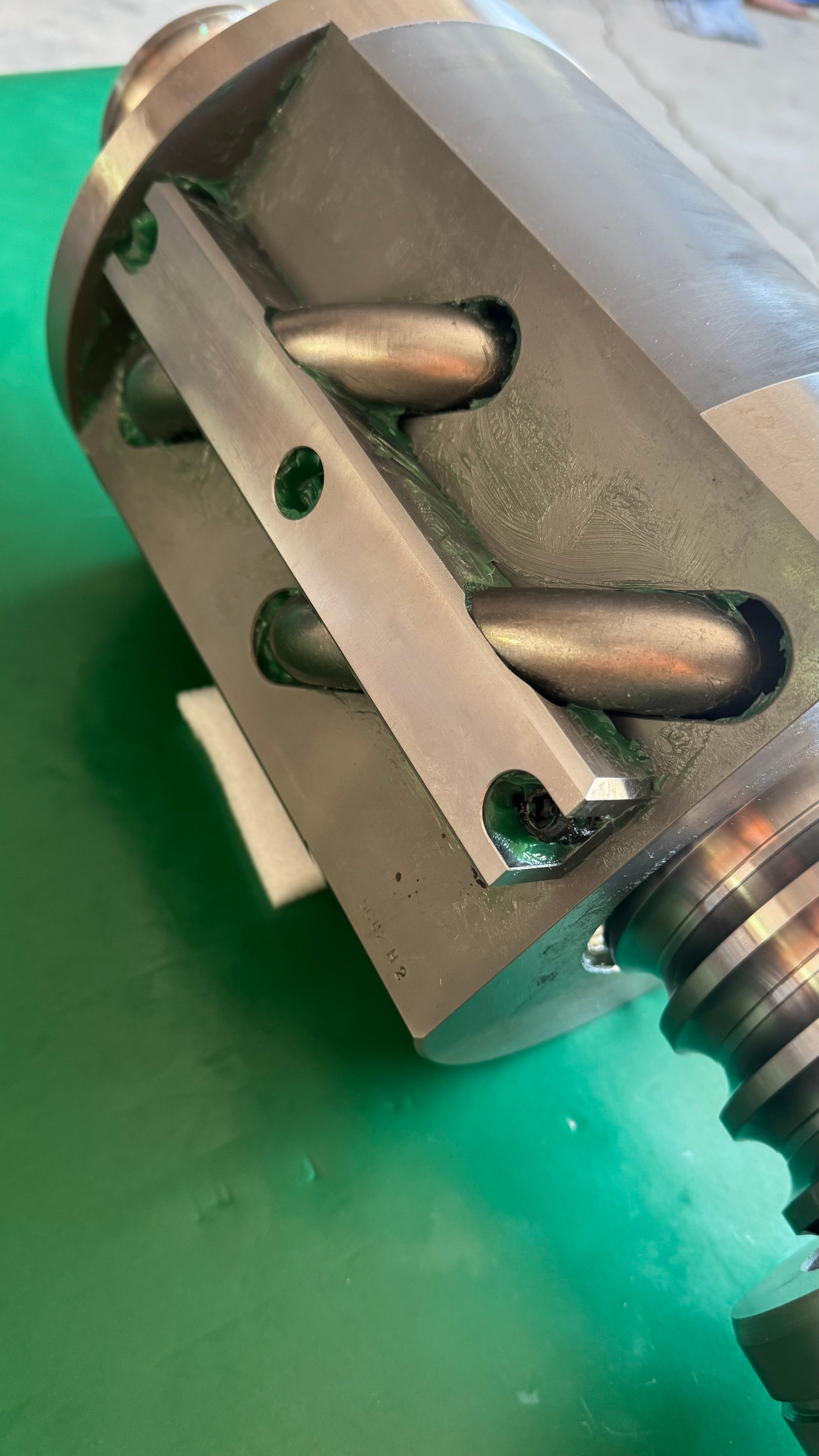
Ground ball screws perform better in high-speed and high-cycle scenarios. The precise raceway structure ensures stable steel ball circulation, effectively suppressing jitter and abnormal noise during forward and reverse switching.
Rolled ball screws are slightly noisier at ultra-high speed but fully competent for medium-speed conventional automation equipment.
5. Application Selection Rules
Choose Ground Ball Screw (C2/C3/C5)
-
Precision inspection, dispensing, and medical equipment
-
High-end CNC machining centers and laser processing machines
-
Low noise, high stability, long-life requirement production lines
Choose Rolled Ball Screw (C5/C7)
-
Standard automatic loading and unloading machines
-
Packaging machinery, logistics handling equipment
-
Cost-sensitive general automation projects
Conclusion
Rolled and ground ball screws correspond to different precision hierarchies in industrial automation. There is no absolute good or bad — only the most suitable match. For high-precision positioning, choose C2/C3/C5 ground ball screws; for cost-effective standard transmission, C5/C7 rolled ball screws are the best choice.