 EN
EN
 AR
AR
 BG
BG
 CS
CS
 DA
DA
 NL
NL
 FI
FI
 FR
FR
 DE
DE
 EL
EL
 HI
HI
 IT
IT
 JA
JA
 KO
KO
 NO
NO
 PL
PL
 PT
PT
 RU
RU
 ES
ES
 SV
SV
 TL
TL
 ID
ID
 UK
UK
 VI
VI
 HU
HU
 TH
TH
 TR
TR
 FA
FA
 AF
AF
 MS
MS
 SW
SW
 GA
GA
 CY
CY
 BE
BE
 KA
KA
 LA
LA
 MY
MY
 TG
TG
 UZ
UZ


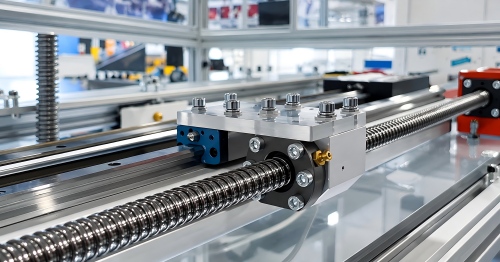
Most injection molding purchasers focus only on precision grades (C3/C5/C7) and outer dimensions when selecting ball screws. However, more than 70% of premature failures, low yield rates, and unstable precision are caused by improper selection matching, not poor quality. A high-precision ball screw will still wear out quickly if mismatched in preload, lead, load capacity, and working conditions.
1. Choosing High Precision Blindly Without Considering Actual Working Conditions
Correct rule: Match C3 for medical/electronic precision parts; C5 is the most cost-effective and stable option for 90% of general electric injection machines.
This is the top hidden killer of screw lifespan. Using light preload on large-tonnage machines causes insufficient rigidity and rapid backlash expansion. Using heavy preload on small-tonnage precision machines leads to excessive temperature rise, slow injection speed, and reduced production efficiency.
3. Ignoring Dynamic Load Rating, Only Focusing on Static Load
Core selection standard: Dynamic load rating is far more important than static load for injection machine screws.
Large lead pursues speed but sacrifices thrust, resulting in insufficient holding pressure and defective filled products. Small lead ensures high thrust but reduces cycle efficiency, failing to meet high-cycle production demands. Unreasonable lead matching leads to either low yield or low productivity.
General-standard ball screws lack stress relief treatment. Under the long-term high-temperature radiation of injection barrels, thermal drift and micro deformation occur continuously, causing cold-machine qualified products and hot-machine defective products. Many high-precision failures are misjudged as process problems.
Ordinary sealing structures cannot block tiny plastic dust. Dust mixes with grease to form abrasive paste, which continuously polishes steel balls and raceways, causing irreversible wear. Injection molding workshops must adopt enhanced double-layer dustproof structure screws.
General automation screws are designed for uniform and stable load, without resisting instantaneous impact and high-temperature fatigue. Direct replacement will lead to rapid precision attenuation and short service life.
Article 10 SEO Settings
Meta Description: Avoid these 7 critical ball screw selection mistakes for electric injection molding machines. Learn correct preload, precision, lead and load matching to extend service life and improve yield.
-
ball screw selection mistakes
-
C3 vs C5 ball screw for injection machine
-
dynamic load ball screw injection molding
Article 11: Ball Screw Maintenance Cycle & Standard Procedure for Injection Molding Machines | How to Keep 99% Long-Term Precision Stability
This article provides a complete factory-ready maintenance cycle checklist and standardized operation procedure to help manufacturers maintain long-term zero-drift precision and maximize screw service life.
Injection molding working conditions have three major destructive factors:
-
Plastic fine dust invades the nut assembly to form abrasive wear
Without standardized maintenance, precision will decline significantly within 3–6 months, even for high-quality screws.
2.1 Daily Inspection (Every Day)
-
Observe screw surface oil film status
2.2 Weekly Maintenance (Every 7 Days)
-
Supplement high-temperature special lubricant
2.3 Monthly Deep Maintenance (Every 30 Days)
-
Full-stroke inspection for raceway wear and scratches
-
Check coupling tightness and concentricity
-
Detect positioning accuracy and repeatability
-
Check guide rail parallelism and installation stress
-
Never mix different types of grease: Mixed lubricants will carbonize rapidly and cause jitter
-
Do not ignore dustproof seals: Failed seals are the No.1 cause of screw wear
4. How to Judge Whether Maintenance Is Qualified
Conclusion: Precision and service life rely 50% on product quality and 50% on standardized maintenance. Strictly following the injection molding ball screw maintenance cycle can maintain long-term stable yield and avoid unnecessary replacement costs.
SEO Title: Injection Molding Ball Screw Maintenance Cycle & Standard Procedure
Core Keywords
-
ball screw maintenance cycle
-
ball screw precision calibration
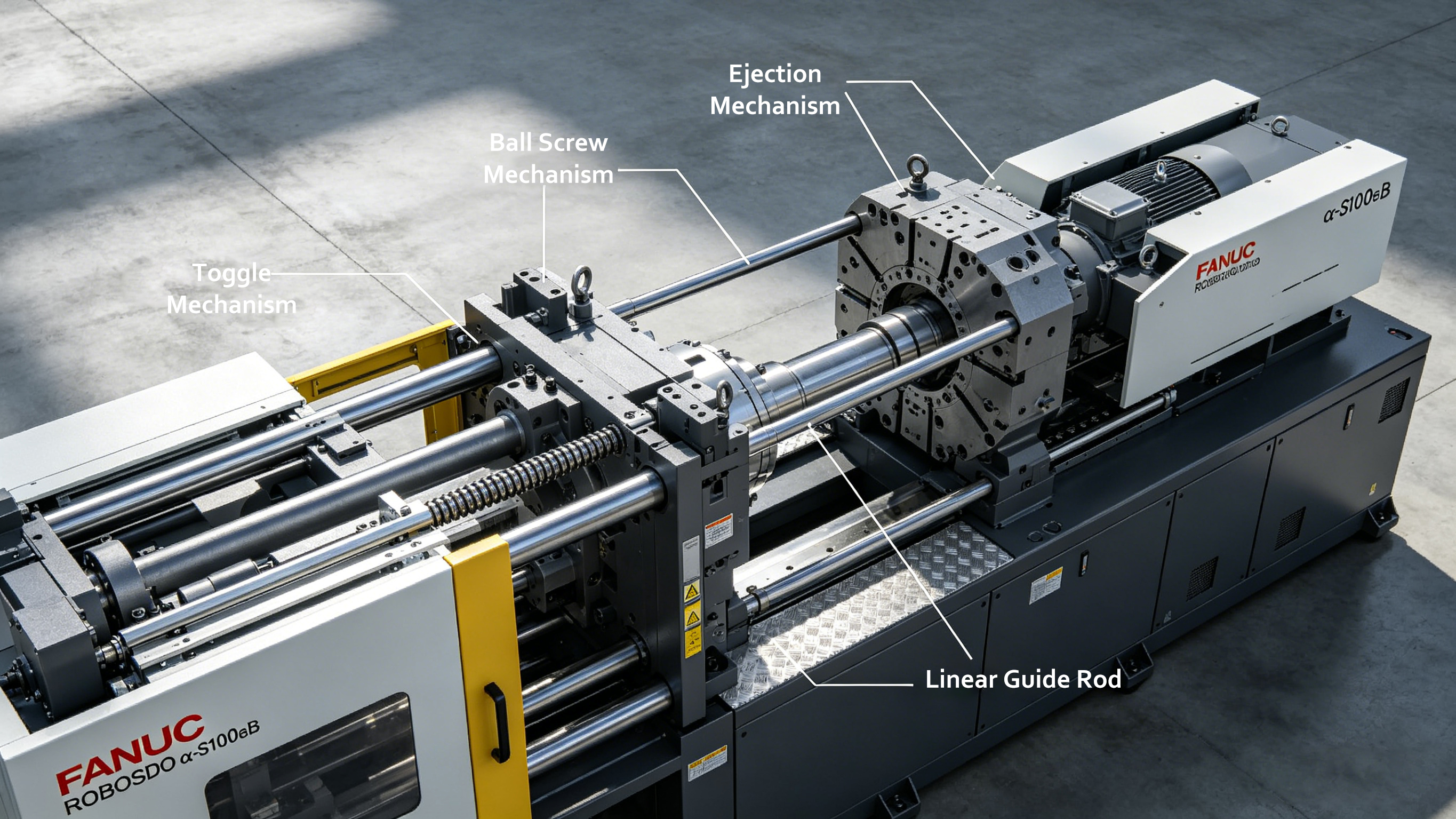
3. Ignoring Dynamic Load Rating, Only Focusing on Static Load
Core selection standard: Dynamic load rating is far more important than static load for injection machine screws.
Large lead pursues speed but sacrifices thrust, resulting in insufficient holding pressure and defective filled products. Small lead ensures high thrust but reduces cycle efficiency, failing to meet high-cycle production demands. Unreasonable lead matching leads to either low yield or low productivity.
General-standard ball screws lack stress relief treatment. Under the long-term high-temperature radiation of injection barrels, thermal drift and micro deformation occur continuously, causing cold-machine qualified products and hot-machine defective products. Many high-precision failures are misjudged as process problems.
Ordinary sealing structures cannot block tiny plastic dust. Dust mixes with grease to form abrasive paste, which continuously polishes steel balls and raceways, causing irreversible wear. Injection molding workshops must adopt enhanced double-layer dustproof structure screws.
General automation screws are designed for uniform and stable load, without resisting instantaneous impact and high-temperature fatigue. Direct replacement will lead to rapid precision attenuation and short service life.
Article 10 SEO Settings
Meta Description: Avoid these 7 critical ball screw selection mistakes for electric injection molding machines. Learn correct preload, precision, lead and load matching to extend service life and improve yield.
-
ball screw selection mistakes
-
C3 vs C5 ball screw for injection machine
-
dynamic load ball screw injection molding
Article 11: Ball Screw Maintenance Cycle & Standard Procedure for Injection Molding Machines | How to Keep 99% Long-Term Precision Stability
This article provides a complete factory-ready maintenance cycle checklist and standardized operation procedure to help manufacturers maintain long-term zero-drift precision and maximize screw service life.
Injection molding working conditions have three major destructive factors:
-
Plastic fine dust invades the nut assembly to form abrasive wear
Without standardized maintenance, precision will decline significantly within 3–6 months, even for high-quality screws.
2.1 Daily Inspection (Every Day)
-
Observe screw surface oil film status
2.2 Weekly Maintenance (Every 7 Days)
-
Supplement high-temperature special lubricant
2.3 Monthly Deep Maintenance (Every 30 Days)
-
Full-stroke inspection for raceway wear and scratches
-
Check coupling tightness and concentricity
-
Detect positioning accuracy and repeatability
-
Check guide rail parallelism and installation stress
-
Never mix different types of grease: Mixed lubricants will carbonize rapidly and cause jitter
-
Do not ignore dustproof seals: Failed seals are the No.1 cause of screw wear
4. How to Judge Whether Maintenance Is Qualified
Conclusion: Precision and service life rely 50% on product quality and 50% on standardized maintenance. Strictly following the injection molding ball screw maintenance cycle can maintain long-term stable yield and avoid unnecessary replacement costs.
SEO Title: Injection Molding Ball Screw Maintenance Cycle & Standard Procedure
Core Keywords
-
ball screw maintenance cycle
-
ball screw precision calibration
Table of Contents
- 1. Choosing High Precision Blindly Without Considering Actual Working Conditions
- 3. Ignoring Dynamic Load Rating, Only Focusing on Static Load
- Article 10 SEO Settings
- 4. How to Judge Whether Maintenance Is Qualified
- 3. Ignoring Dynamic Load Rating, Only Focusing on Static Load
- Article 10 SEO Settings
- 4. How to Judge Whether Maintenance Is Qualified