 EN
EN
 AR
AR
 BG
BG
 CS
CS
 DA
DA
 NL
NL
 FI
FI
 FR
FR
 DE
DE
 EL
EL
 HI
HI
 IT
IT
 JA
JA
 KO
KO
 NO
NO
 PL
PL
 PT
PT
 RU
RU
 ES
ES
 SV
SV
 TL
TL
 ID
ID
 UK
UK
 VI
VI
 HU
HU
 TH
TH
 TR
TR
 FA
FA
 AF
AF
 MS
MS
 SW
SW
 GA
GA
 CY
CY
 BE
BE
 KA
KA
 LA
LA
 MY
MY
 TG
TG
 UZ
UZ


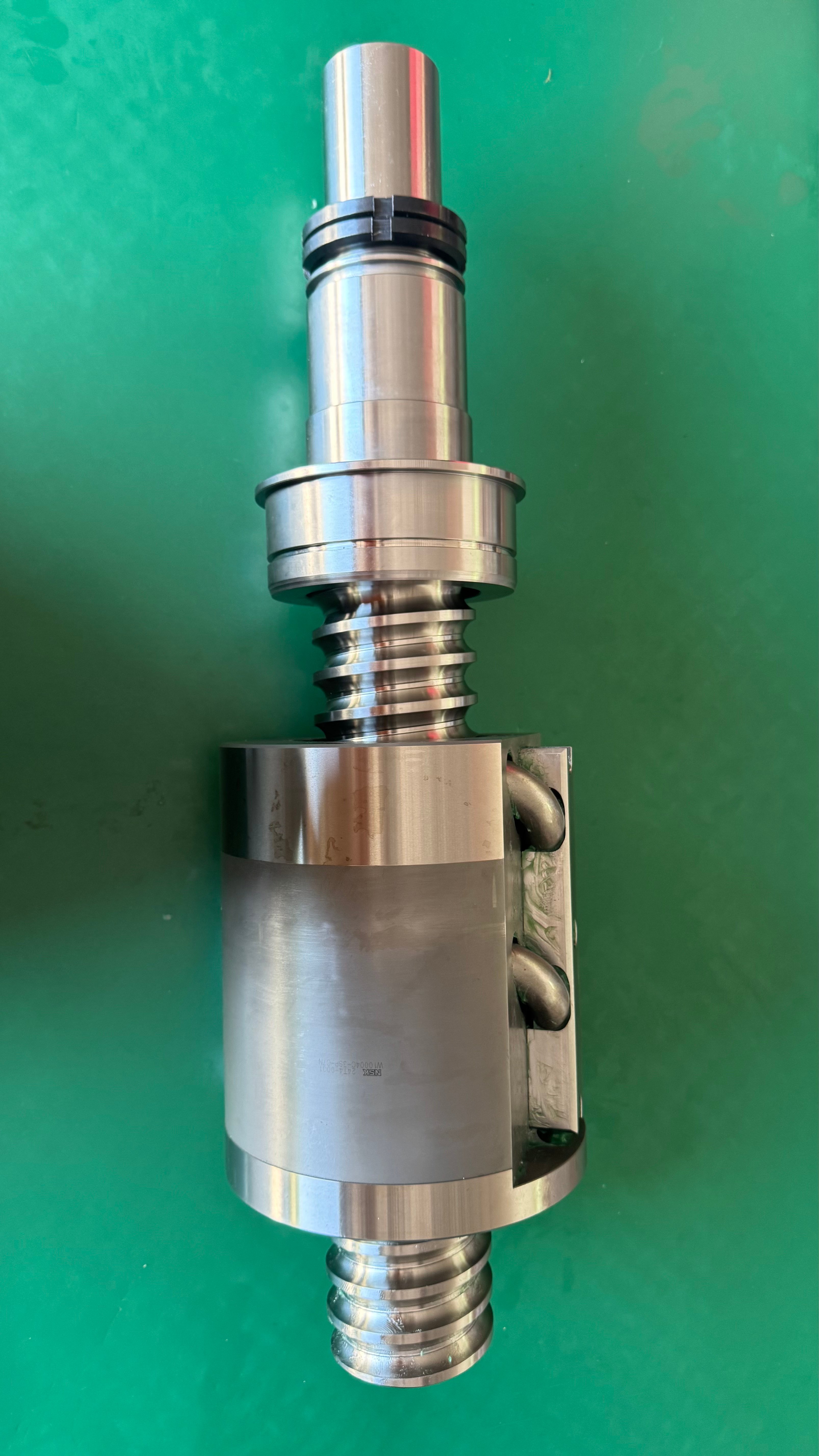
Standard ball screws often fail to match special-tonnage, special injection-speed and customized-structure injection molding machines. Many factories encounter various problems after customizing non-standard screws, including mismatched operating speed, insufficient load capacity, excessive temperature rise, reversing jitter, installation failure and stroke interference.
Customizing non-standard injection machine ball screws is not simply changing the overall length. It requires complete parameter matching based on injection speed, load grade, installation structure and actual working temperature. This article provides a professional and practical custom selection roadmap for electric injection molding machines, helping equipment manufacturers and end users avoid customization failures.
1. Why Ordinary Standard Screws Cannot Meet High-End Injection Molding Requirements
Standard ball screws are designed for general automation with fixed lead, ball diameter and thread specifications. However, electric injection molding machines require dynamic balance of speed, rigidity, load resistance and heat dissipation:
-
Small-tonnage precision machines need high-speed low-inertia transmission
-
Large-tonnage machines require super-rigid heavy-load screw structures
-
High-cycle production needs low-friction heat-resistant customization
Blindly using standard screws will cause low production efficiency, rapid wear and unstable molding accuracy.
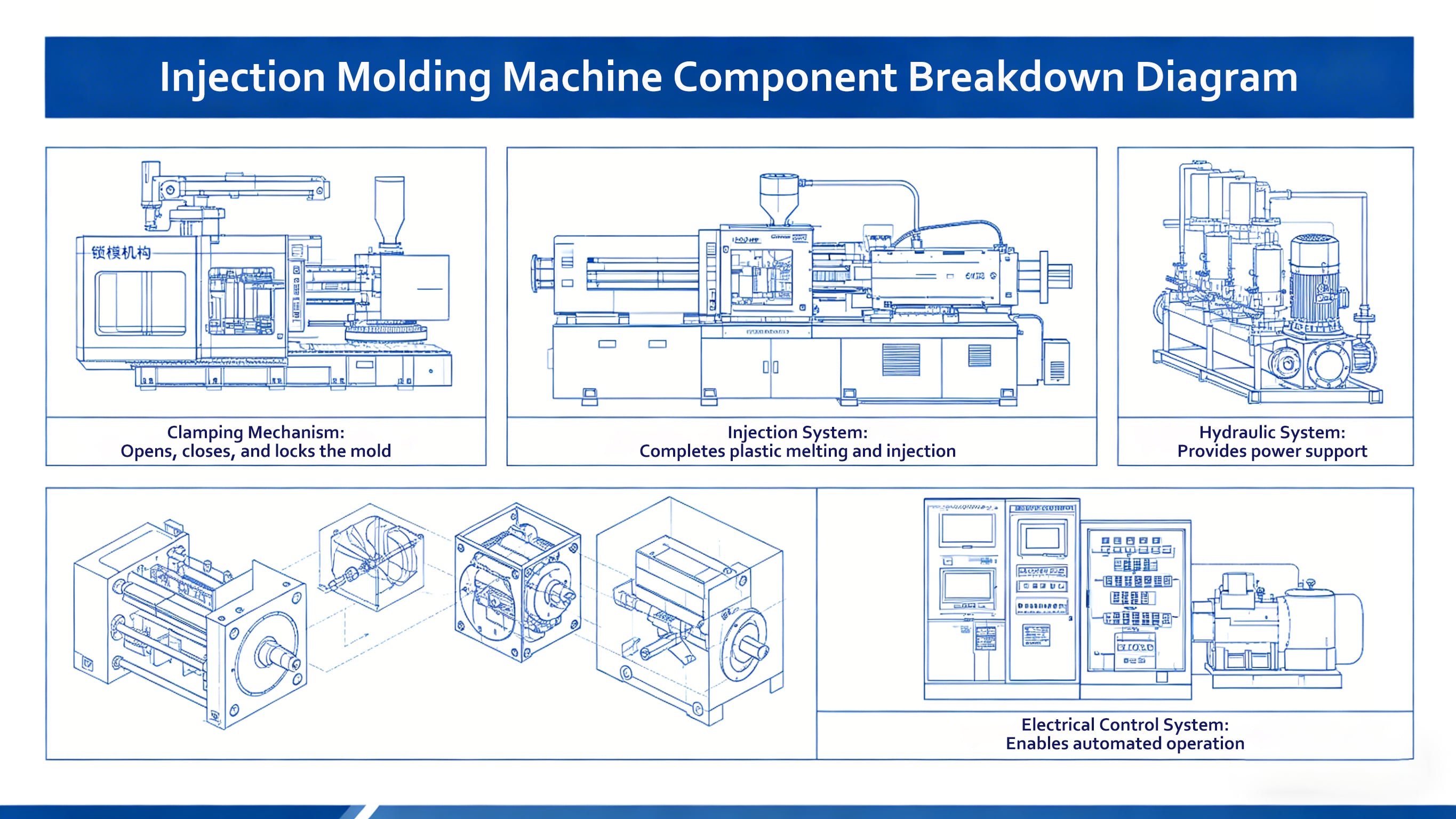
2. Core Custom Parameters & Professional Matching Standards
2.1 Lead Selection (Speed & Thrust Balance)
Lead directly determines injection speed and output thrust:
-
Large lead: Fast injection speed, low thrust, suitable for thin-wall and high-cycle molding
-
Small lead: High output thrust, stable pressure holding, suitable for thick-wall, high-precision and heavy-part molding
Custom rule: Match large lead for high-speed machines and reduced lead for high-pressure precision machines to avoid insufficient thrust or slow production efficiency.
2.2 Thread Profile & Raceway Structure
Injection machine screws adopt optimized Gothic arc thread profile, different from ordinary circular arc structures:
-
Larger contact area for improved rigidity
-
Uniform stress distribution to resist impact load
-
Smooth ball circulation to reduce heat generation
Non-standard thread profiling is essential for long-term high-impact injection scenarios.
2.3 Steel Ball Size Matching (Load & Lifespan Core)
Ball diameter determines load capacity and fatigue resistance:
-
Larger steel balls: stronger load resistance and longer fatigue life, suitable for large-tonnage clamping and injection shafts
-
Miniature steel balls: smoother high-speed operation, lower noise, ideal for small precision injection equipment
Mismatched ball size leads to insufficient rigidity, severe heat generation and early wear failure.
2.4 Overall Length & Effective Stroke Customization
Custom length must reserve reasonable installation margin and avoid stroke interference:
-
Reserve buffer stroke to prevent rigid impact at limit positions
-
Match bearing seat spacing to ensure concentricity
-
Avoid over-length suspension causing shaft vibration and bending deformation
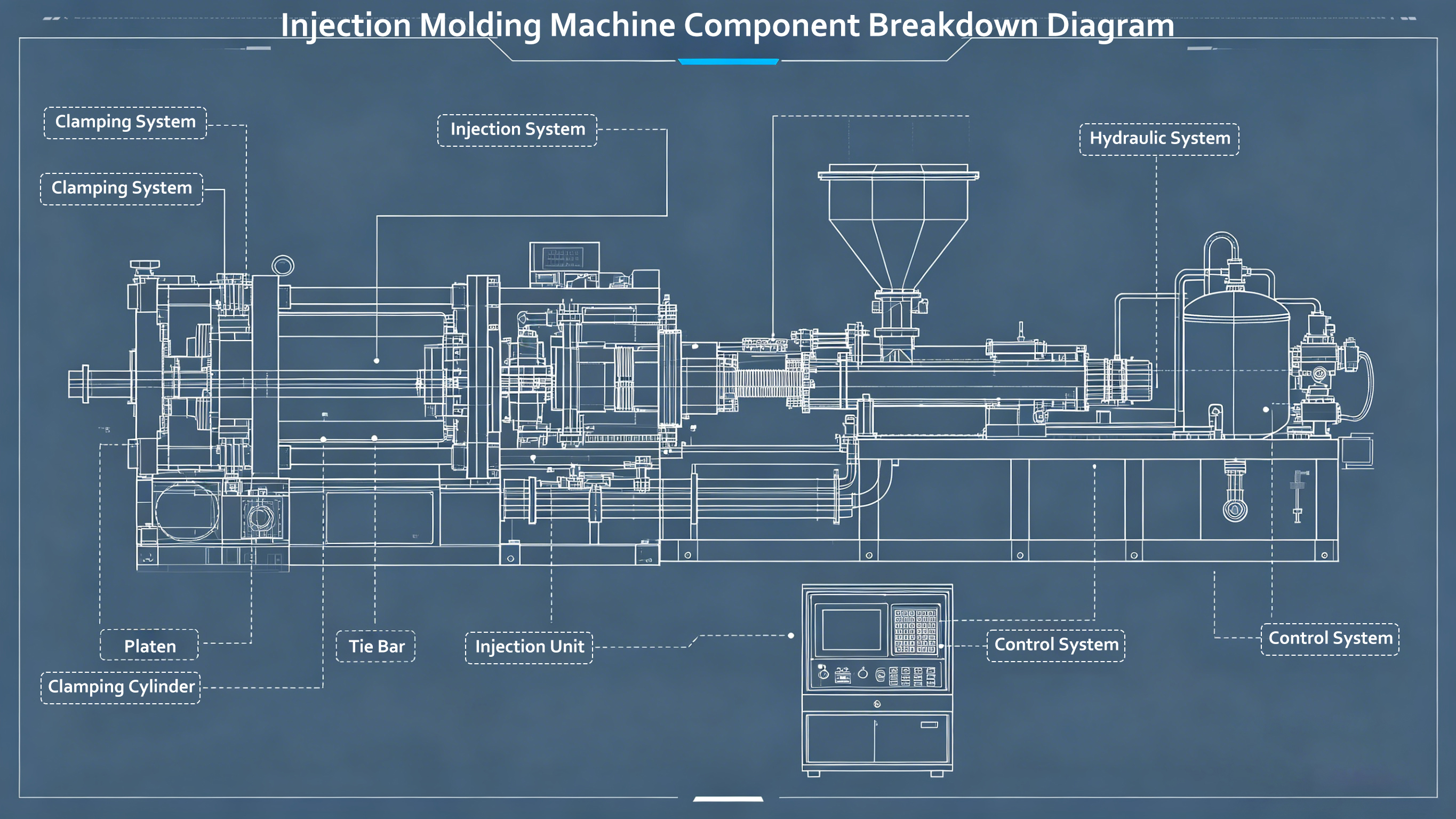
3. Customization Matching Scheme by Injection Machine Tonnage
-
50–150 Ton Small Precision Machines: Small-diameter screw + medium lead + miniature high-precision steel balls, focusing on high speed and low jitter
-
150–300 Ton Medium Universal Machines: Standard optimized lead + enhanced raceway structure, balancing speed, load and cost performance
-
300–800 Ton Large Heavy-Duty Machines: Large steel balls + small high-torque lead + thickened shaft diameter, prioritizing ultra-high rigidity and impact resistance
4. Common Customization Failures & Avoidance Tips
-
Speed inconsistency: Lead parameter mismatched with motor pitch
-
Excessive overheating: Unreasonable ball size and friction structure
-
Low repeated accuracy: Lack of preload structure in customized design
-
Installation interference: Ignored on-site structural size deviation
Conclusion: Non-standard ball screw customization is a systematic engineering based on equipment tonnage, working conditions and production requirements. Reasonable matching of lead, thread profile, steel ball specification and overall length can maximize equipment speed, precision and service life, solving various pain points of standard screw adaptation failure.