 EN
EN
 AR
AR
 BG
BG
 CS
CS
 DA
DA
 NL
NL
 FI
FI
 FR
FR
 DE
DE
 EL
EL
 HI
HI
 IT
IT
 JA
JA
 KO
KO
 NO
NO
 PL
PL
 PT
PT
 RU
RU
 ES
ES
 SV
SV
 TL
TL
 ID
ID
 UK
UK
 VI
VI
 HU
HU
 TH
TH
 TR
TR
 FA
FA
 AF
AF
 MS
MS
 SW
SW
 GA
GA
 CY
CY
 BE
BE
 KA
KA
 LA
LA
 MY
MY
 TG
TG
 UZ
UZ


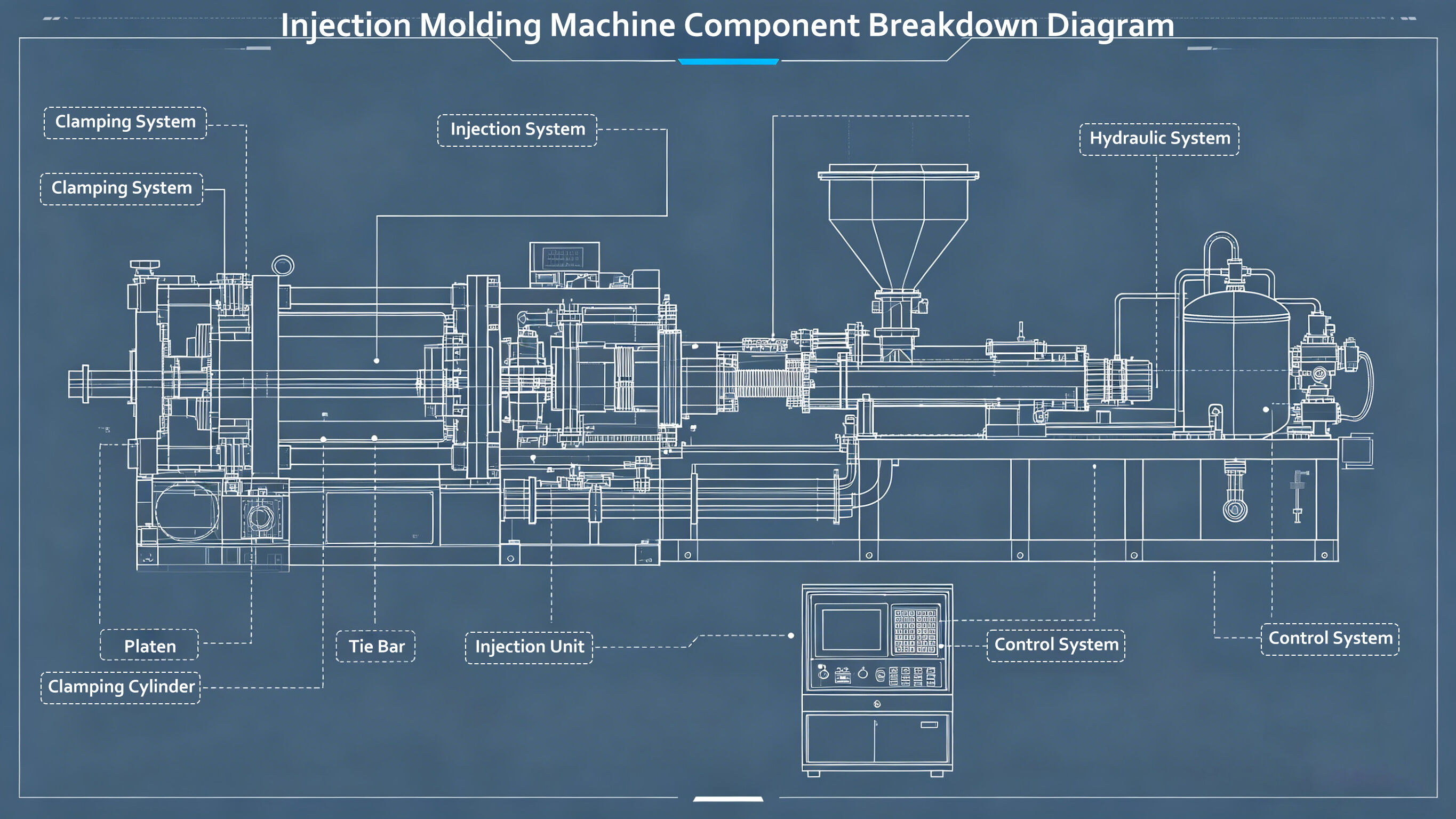
Most purchasers only focus on precision grades (C3/C5), shaft diameter, and lead when selecting injection molding machine ball screws. They often ignore surface heat treatment and precision grinding technology. This explains why two ball screws with identical dimensional parameters perform completely differently: one lasts 4–5 years, while the other suffers pitting, severe wear and precision failure within half a year.
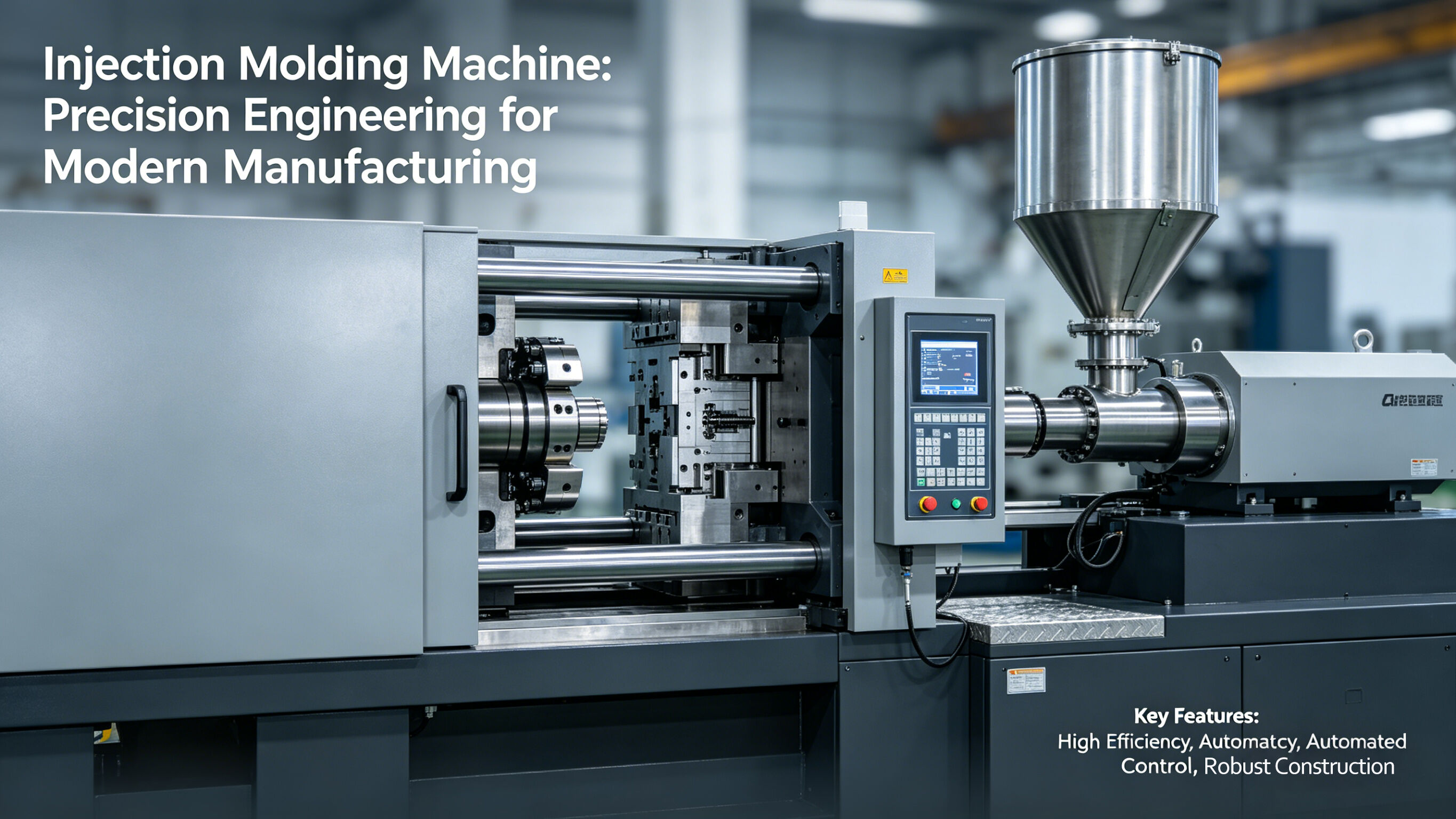
Injection molding machines operate under extremely harsh conditions including high temperature, plastic dust, frequent impact and high-speed reversing motion. The surface hardness, wear resistance and fatigue resistance of ball screws directly determine equipment stability and service life. This article deeply analyzes three mainstream surface treatments, distinguishes genuine and fake heat treatment processes, and teaches how to judge ball screw quality through surface craftsmanship.
1. Ordinary Ball Screw vs Injection Machine Special Ball Screw: Surface Technology Makes the Gap
Standard automation ball screws only receive basic tempering treatment with low surface hardness and poor thermal stability, suitable only for light-load and constant-speed operation.
Injection molding ball screws must withstand continuous impact load, high-temperature radiation, dusty friction and repeated alternating stress. They require four core characteristics: high surface hardness, wear-resistant raceways, anti-peeling performance and low thermal deformation, which can only be achieved through professional heat treatment and ultra-precision grinding.
2. Three Mainstream Ball Screw Surface Processes (Ranking for Injection Machine Application)
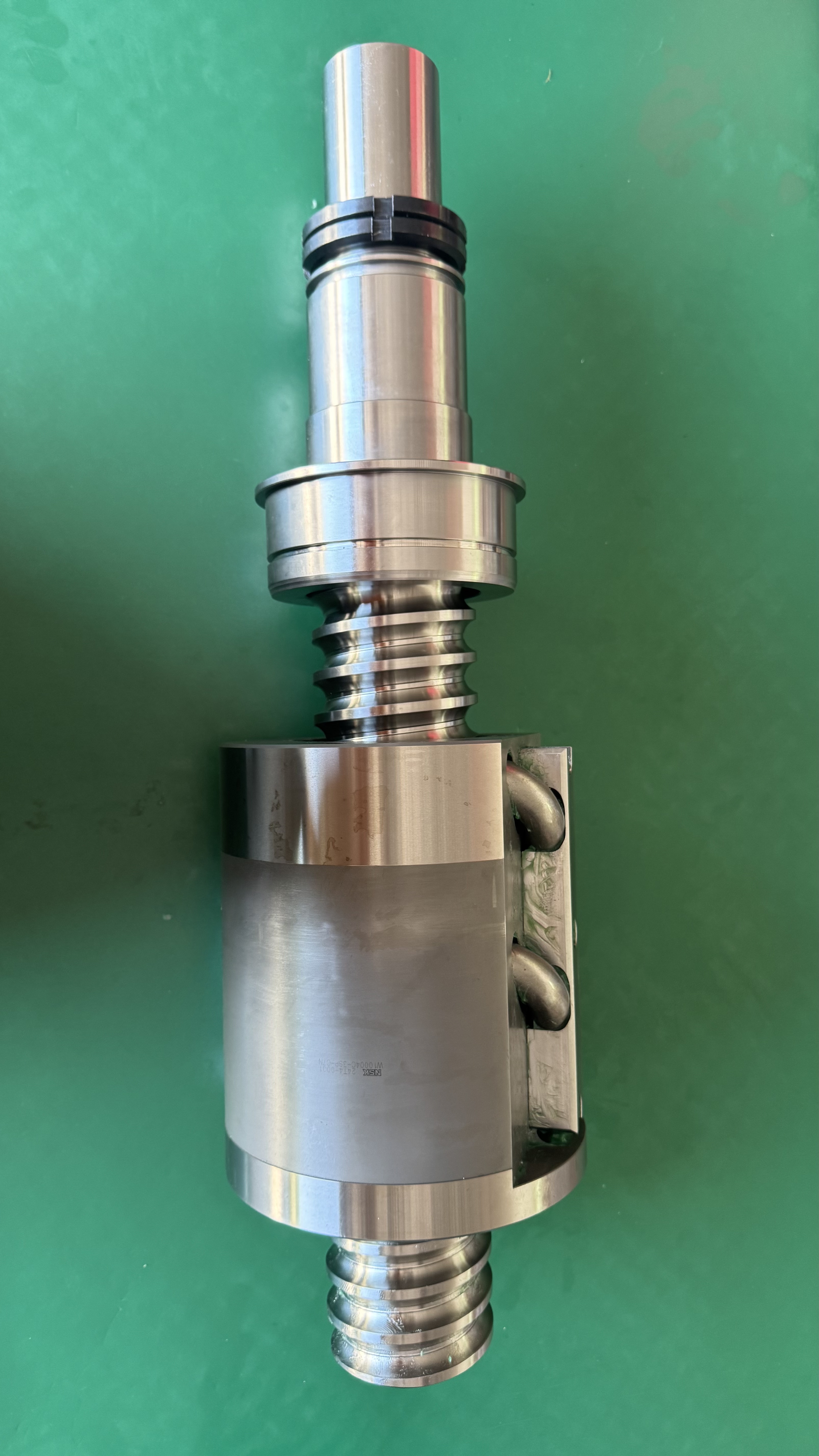
2.1 Overall Quenching + Precision Grinding (Best for Injection Molding Machines)
This premium process includes overall tempering, high-frequency quenching, cryogenic stress relief and full-stroke precision grinding.
Core Advantages:
-
Uniform raceway hardness (HRC 60–62)
-
Excellent wear resistance, pitting resistance and anti-peeling performance
-
Complete internal stress relief, no long-term deformation
-
Superior high-temperature stability and precision retention
Applicable Scenarios: Mid-to-high-end electric injection molding machines, 24-hour continuous mass production, and precision plastic component manufacturing equipment.
2.2 Surface High-Frequency Quenching (Economical General-Grade Process)
Only the screw surface is hardened while the core remains low hardness, effectively reducing manufacturing costs.
Obvious Disadvantages:
-
Surface layer peeling easily occurs under long-term impact load
-
Hardness attenuates rapidly in high-temperature environments
-
Obvious precision degradation after 1–2 years of operation
Applicable Scenarios: Auxiliary shafts of ordinary hydraulic injection machines and low-frequency & low-speed equipment.
2.3 Chrome Plating / Hard Chrome Plating (Anti-Corrosion Only, Not Wear-Resistant)
Many low-cost ball screws adopt chrome plating to brighten surfaces and prevent rust. However, the coating is extremely thin and provides no wear resistance.
Under injection molding working conditions, the chrome coating wears out within several months, causing squeaking noise and raceway scratching.
Conclusion: Chrome-plated ball screws are strictly prohibited for main transmission shafts of injection molding machines.
3. Identification Features of Fake Quenched & Low-Quality Ball Screws
-
Over-bright mirror surface (mostly chrome-plated instead of precision grinding)
-
Slight squeaking noise within 3 months of operation
-
Rapid precision drift under alternating cold and hot conditions
-
Rough raceway surface and uneven grinding texture
4. Process Selection Rules for Injection Machine Ball Screws
-
Precision electric injection machines & long-term mass production: Overall quenching + ultra-precision grinding (fully recommended)
-
Hydraulic injection machine auxiliary mechanisms: Economical surface quenched screws
-
High-speed, high-temperature and high-precision scenarios: Reject chrome-plated and soft low-grade screws
Final Conclusion: Precision grade determines positioning accuracy, while heat treatment technology determines long-term stability and service life. With identical dimensional parameters, surface craftsmanship gaps directly lead to different lifespan, product yield and maintenance costs.
Table of Contents
- 1. Ordinary Ball Screw vs Injection Machine Special Ball Screw: Surface Technology Makes the Gap
- 2. Three Mainstream Ball Screw Surface Processes (Ranking for Injection Machine Application)
- 3. Identification Features of Fake Quenched & Low-Quality Ball Screws
- 4. Process Selection Rules for Injection Machine Ball Screws