 EN
EN
 AR
AR
 BG
BG
 CS
CS
 DA
DA
 NL
NL
 FI
FI
 FR
FR
 DE
DE
 EL
EL
 HI
HI
 IT
IT
 JA
JA
 KO
KO
 NO
NO
 PL
PL
 PT
PT
 RU
RU
 ES
ES
 SV
SV
 TL
TL
 ID
ID
 UK
UK
 VI
VI
 HU
HU
 TH
TH
 TR
TR
 FA
FA
 AF
AF
 MS
MS
 SW
SW
 GA
GA
 CY
CY
 BE
BE
 KA
KA
 LA
LA
 MY
MY
 TG
TG
 UZ
UZ


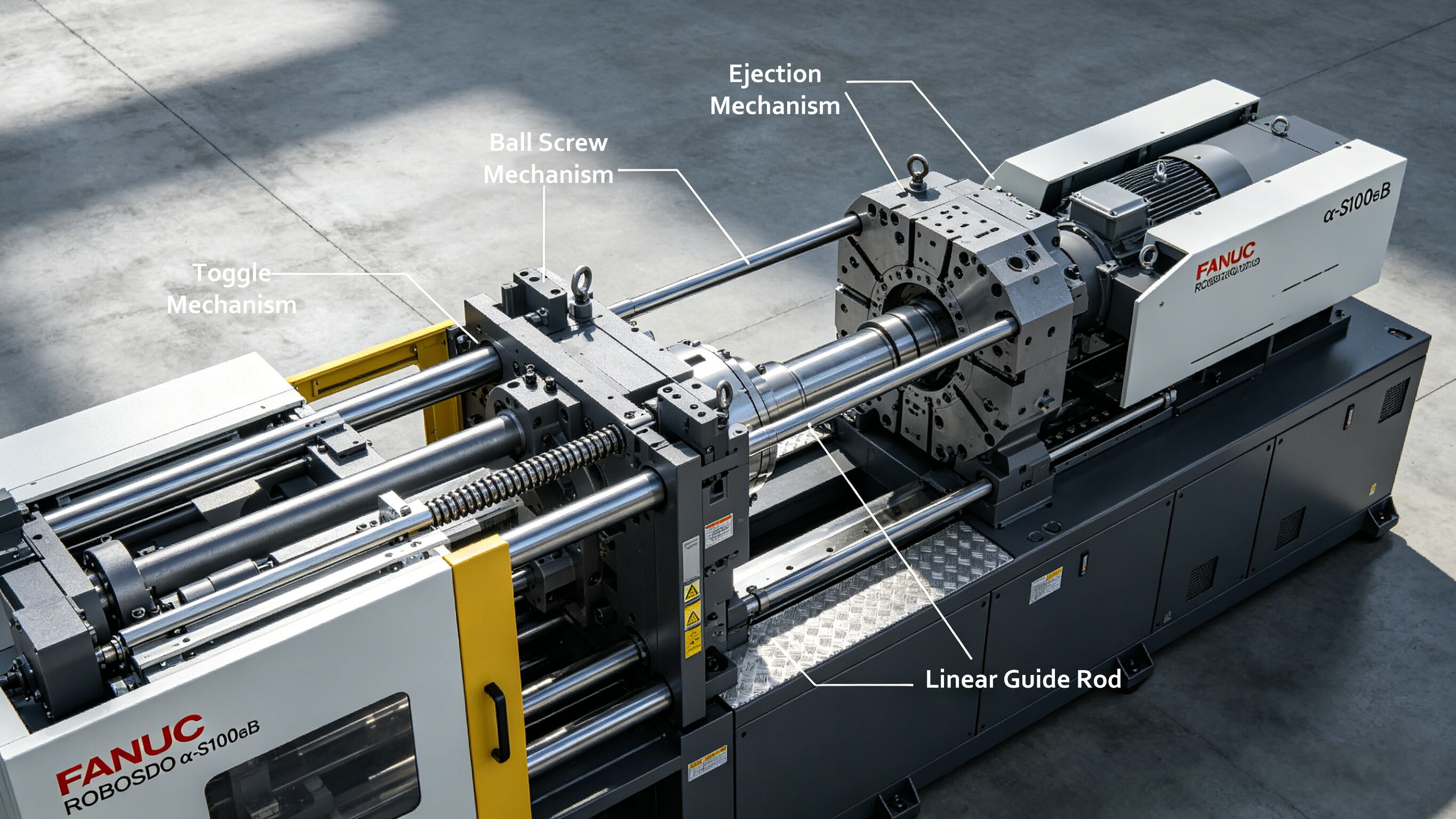
Precision injection factories often face a common problem: qualified products in the first hour of startup, but severe dimensional drift, uneven thickness and plummeting yield after 3 hours of continuous production. Adjusting injection pressure, speed and holding pressure cannot solve the issue fundamentally.
90% of technicians ignore that this is not a process parameter problem, but positioning deviation caused by ball screw thermal deformation and thermal drift. Long-term high-frequency operation accumulates massive heat, leading to screw elongation, track deformation and preload attenuation, which directly changes the injection and mold clamping stroke accuracy. This article explains the heat generation principle, thermal drift rules and thorough solutions.
1. Why Injection Machine Ball Screws Generate More Heat Than Ordinary Automation Screws
Ordinary automation equipment runs at constant speed with stable load, while injection machine ball screws bear pulsed burst loads:
-
Instant high-speed acceleration and sudden stop
-
Static high-pressure stress during pressure holding
-
Frequent reversing friction and continuous work consumption
-
Thermal radiation from 180–320℃ injection barrels
Superimposed multiple heat sources raise the screw temperature to 60–85℃ during continuous production, causing obvious thermal elongation.
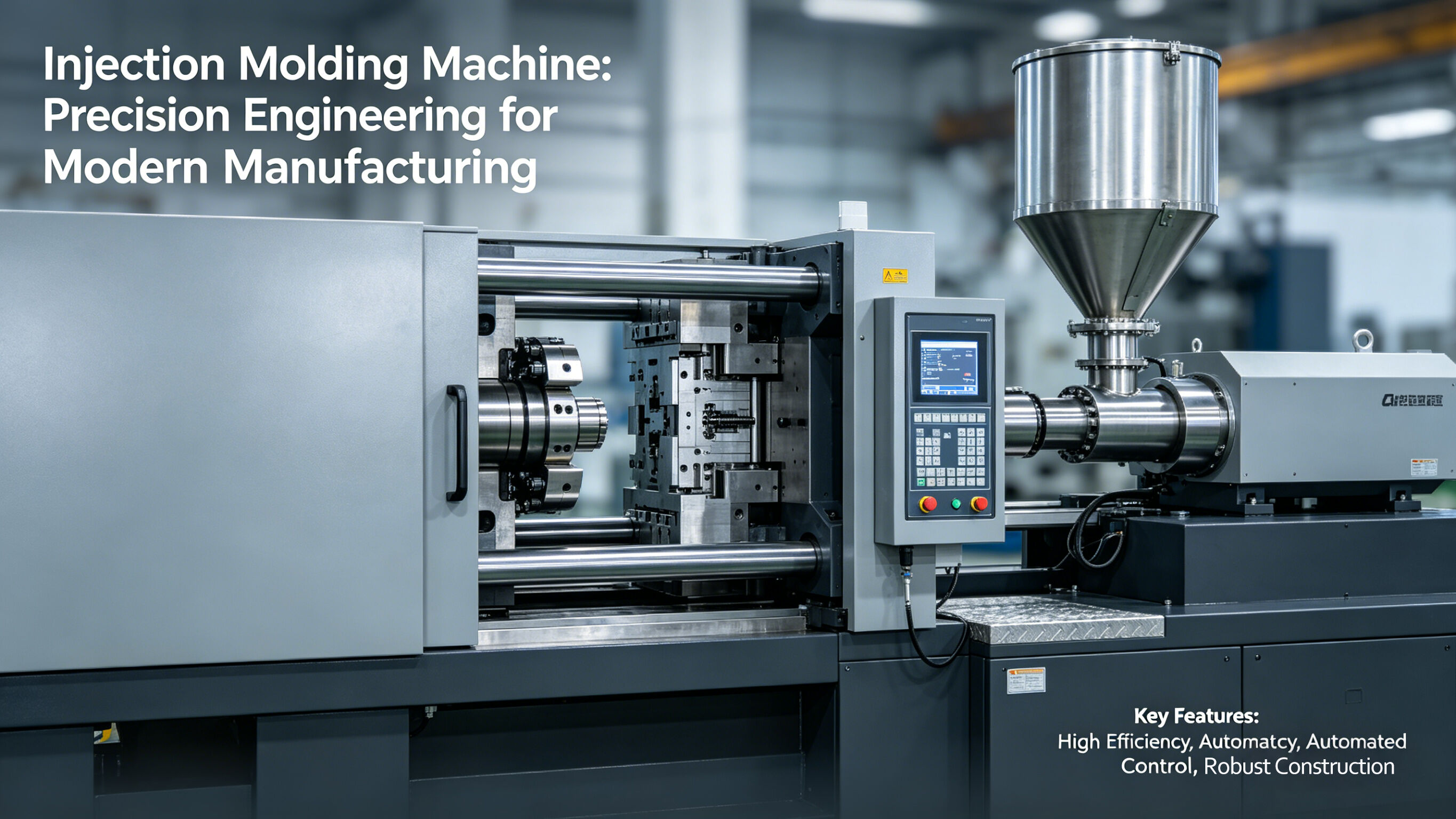
2. How Thermal Deformation Destroys Injection Precision (Core Principle)
Steel has a fixed thermal expansion coefficient: per 10℃ temperature rise leads to 0.12mm elongation per meter of screw.
For precision injection molding where 0.01mm deviation causes defective products, thermal deformation is asystematic, continuous and irreversible error source.
Heat generation triggers three fatal precision problems:
-
Extended effective stroke: Excessive injection volume, overweight products and increased flash
-
Slight screw bending deformation: Unsmooth operation, uneven resistance and fluctuating product dimensions
-
Thermal preload attenuation: Hidden backlash, reversing jitter and continuous positioning drift
3. Three Common Thermal Drift Phenomena in Injection Workshops
-
Phenomenon 1: Qualified in cold state, defective in hot state Perfect precision after startup, unstable product quality with prolonged production, typical screw thermal drift failure.
-
Phenomenon 2: Stable at batch start & end, disordered in the middle Temperature accumulates to critical point, causing screw structural stress changes and complete precision disorder.
-
Phenomenon 3: Low yield at high speed, stable at low speed High-speed operation generates heat rapidly with severe thermal deformation, while low-speed operation produces less heat and retains stable precision.
4. Five Professional Solutions to Eliminate Screw Thermal Drift
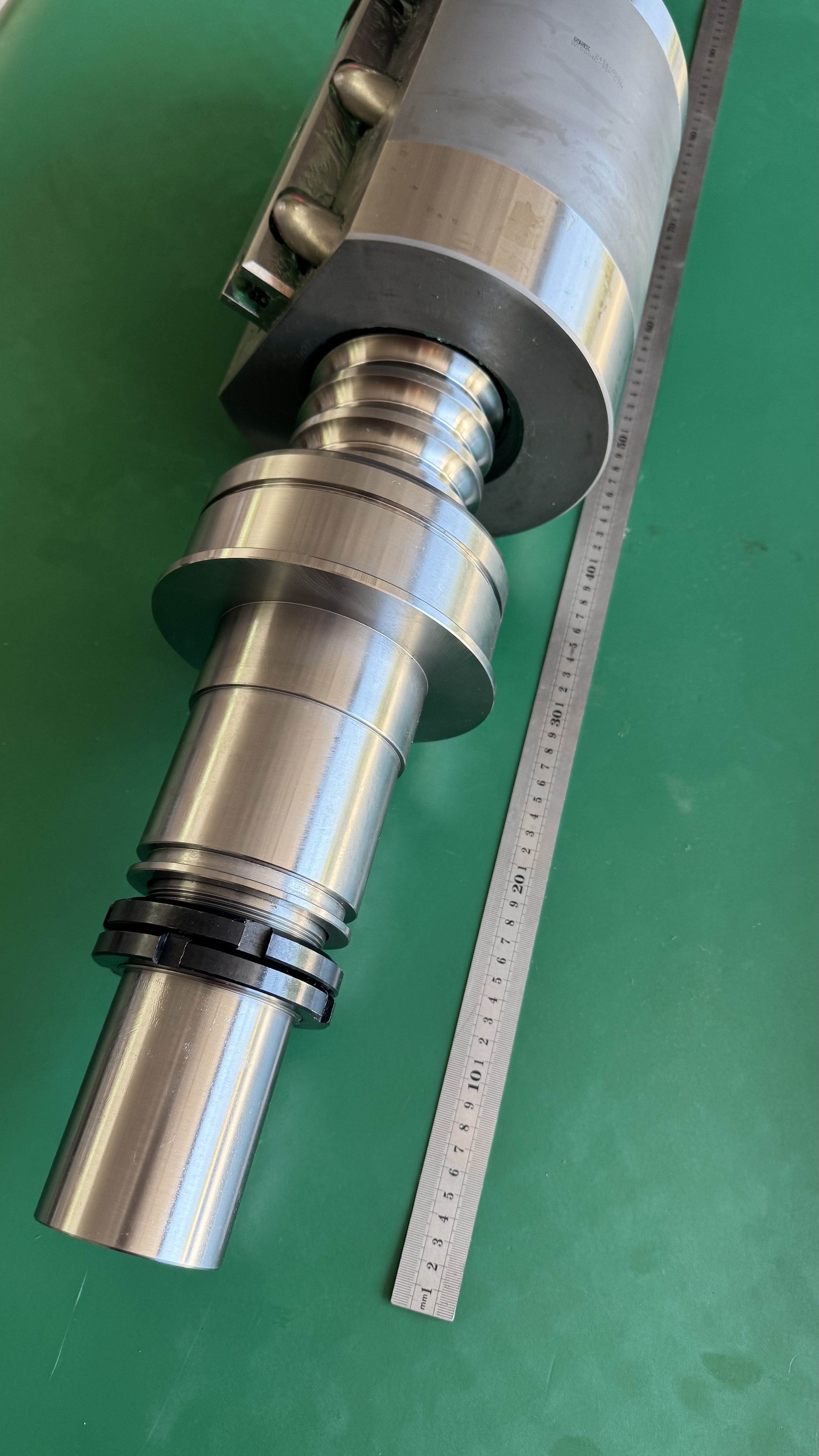
1. Adopt injection machine-specific anti-thermal-deformation ball screws
Customized screws undergo overall quenching and tempering, precision grinding and stress relief heat treatment, featuring stronger thermal stability and high-temperature deformation resistance, superior to standard general screws.
2. Dual-end fixed pre-tension installation technology (standard for high-end machines)
Mechanical pre-tension offsets high-temperature thermal elongation, serving as the core anti-drift technology for high-end all-electric injection molding machines.
3. High-temperature resistant lubricant for temperature & resistance reduction
Ordinary grease carbonizes and increases resistance sharply under high temperature; special high-temperature lubricants reduce friction and heat generation continuously to stabilize operating precision.
4. Heat dissipation optimization and heat source isolation
Install heat dissipation ducts and thermal insulation baffles to isolate injection barrel thermal radiation and slow down temperature rise.
5. Standardized equipment warm-up process
Complete 20–30 minutes of warm-up operation before mass production to stabilize screw temperature, then lock process parameters to avoid cold-hot temperature difference errors.
Conclusion: Unstable injection molding precision comes from two core factors: wear and thermal deformation. Eliminating ball screw thermal drift is the key to improving batch production yield, reducing frequent parameter adjustment and stabilizing high-precision injection production.
Table of Contents
- 1. Why Injection Machine Ball Screws Generate More Heat Than Ordinary Automation Screws
- 2. How Thermal Deformation Destroys Injection Precision (Core Principle)
- 3. Three Common Thermal Drift Phenomena in Injection Workshops
-
4. Five Professional Solutions to Eliminate Screw Thermal Drift
- 1. Adopt injection machine-specific anti-thermal-deformation ball screws
- 2. Dual-end fixed pre-tension installation technology (standard for high-end machines)
- 3. High-temperature resistant lubricant for temperature & resistance reduction
- 4. Heat dissipation optimization and heat source isolation
- 5. Standardized equipment warm-up process