 EN
EN
 AR
AR
 BG
BG
 CS
CS
 DA
DA
 NL
NL
 FI
FI
 FR
FR
 DE
DE
 EL
EL
 HI
HI
 IT
IT
 JA
JA
 KO
KO
 NO
NO
 PL
PL
 PT
PT
 RU
RU
 ES
ES
 SV
SV
 TL
TL
 ID
ID
 UK
UK
 VI
VI
 HU
HU
 TH
TH
 TR
TR
 FA
FA
 AF
AF
 MS
MS
 SW
SW
 GA
GA
 CY
CY
 BE
BE
 KA
KA
 LA
LA
 MY
MY
 TG
TG
 UZ
UZ


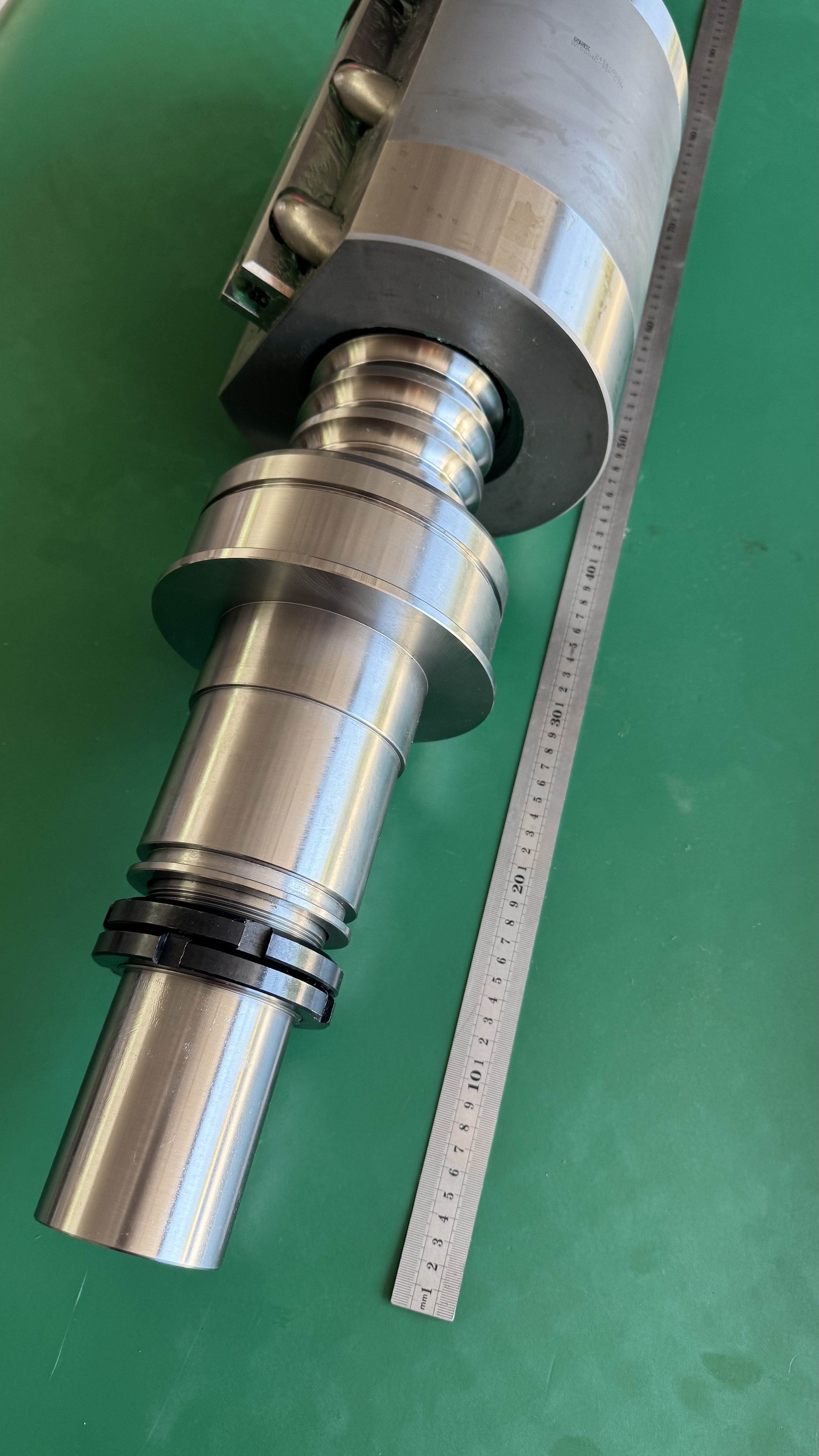
Many equipment manufacturers and purchasers hold a common misunderstanding: ball screws for injection molding machines only need basic moving capability, and high precision is unnecessary. In fact, the finished product yield, repeat positioning accuracy, operational stability, energy consumption, and equipment service life of electric injection molding machines are all determined by ball screw precision grades. Standard C7 ball screws are suitable for general automation equipment but cannot withstand the long-term high-speed, high-impact, and high-pressure working conditions of mid-to-high-end electric injection molding machines. This article deeply analyzes the differences between C3, C5, and C7 precision grades and their actual impact on injection molding production yield.
1. Essential Differences Between Ball Screws for Injection Molding Machines and Ordinary Automation Equipment
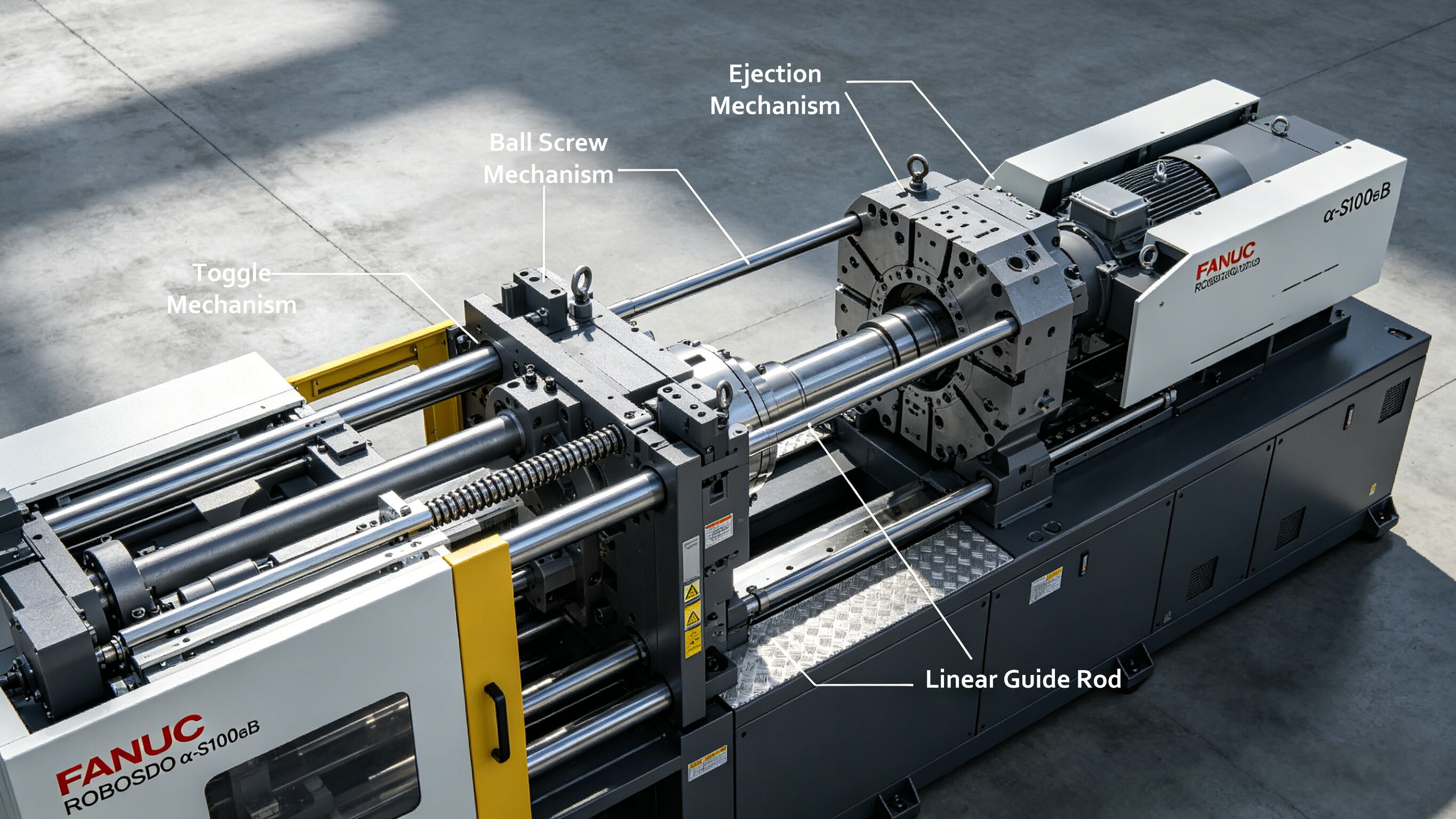
Ball screws for ordinary automation equipment only need to perform uniform, light-load, and low-frequency reciprocating motion. In contrast, ball screws for injection molding machines operate underheavy-duty pulsed impact conditions:
-
Injection shaft: Instant high-pressure propulsion, micro-displacement pressure holding, and high-speed return
-
Clamping shaft: Large-tonnage clamping force, rigid impact, and high-frequency opening and closing
-
Ejection shaft: Accurate micro-travel movement to prevent whitening and cracking of thin-walled products during ejection
Under such working conditions, lead error, cumulative error, axial backlash, and thermal deformation error will be greatly amplified, directly causing product defects such as dimensional deviation, flash, short shot, and uneven wall thickness.
2. Practical Differences of C3 / C5 / C7 Precision Grades in Injection Molding Machines
2.1 C7 Grade (General Automation Grade)
Lead error: ±0.05mm/300mm, designed for conventional conveying, lifting, and simple positioning scenarios.
Disadvantages for injection molding applications:
-
Inconsistent injection depth, resulting in large product weight deviation
-
Offset pressure holding position, poor batch production stability
-
Rapidly increased backlash after long-term operation, with obvious precision attenuation within 3–6 months
Applicable scenarios: Only for auxiliary mold adjustment and ejection mechanisms of old hydraulic injection molding machines to control costs.
2.2 C5 Grade (Mainstream Precision Grade for Injection Molding Machines)
Lead error: ±0.018mm/300mm, serving as the standard configuration for most electric injection molding machines.
It supports stable mass production of home appliance shells, structural parts, ordinary auto parts, and daily plastic products, featuring slow precision attenuation, strong impact resistance, and excellent repeatability.
2.3 C3 Grade (Ultra-Precision Grade for High-End Injection Molding)
Lead error: ±0.005mm/300mm, belonging to the ultra-high precision level.
Mandatory for high-precision scenarios below:
-
Medical supplies and precision electronic connectors
-
Micro electronic plastic parts and optical plastic components
-
Mass production requiring ultra-high product consistency with zero deviation for tens of thousands of pieces
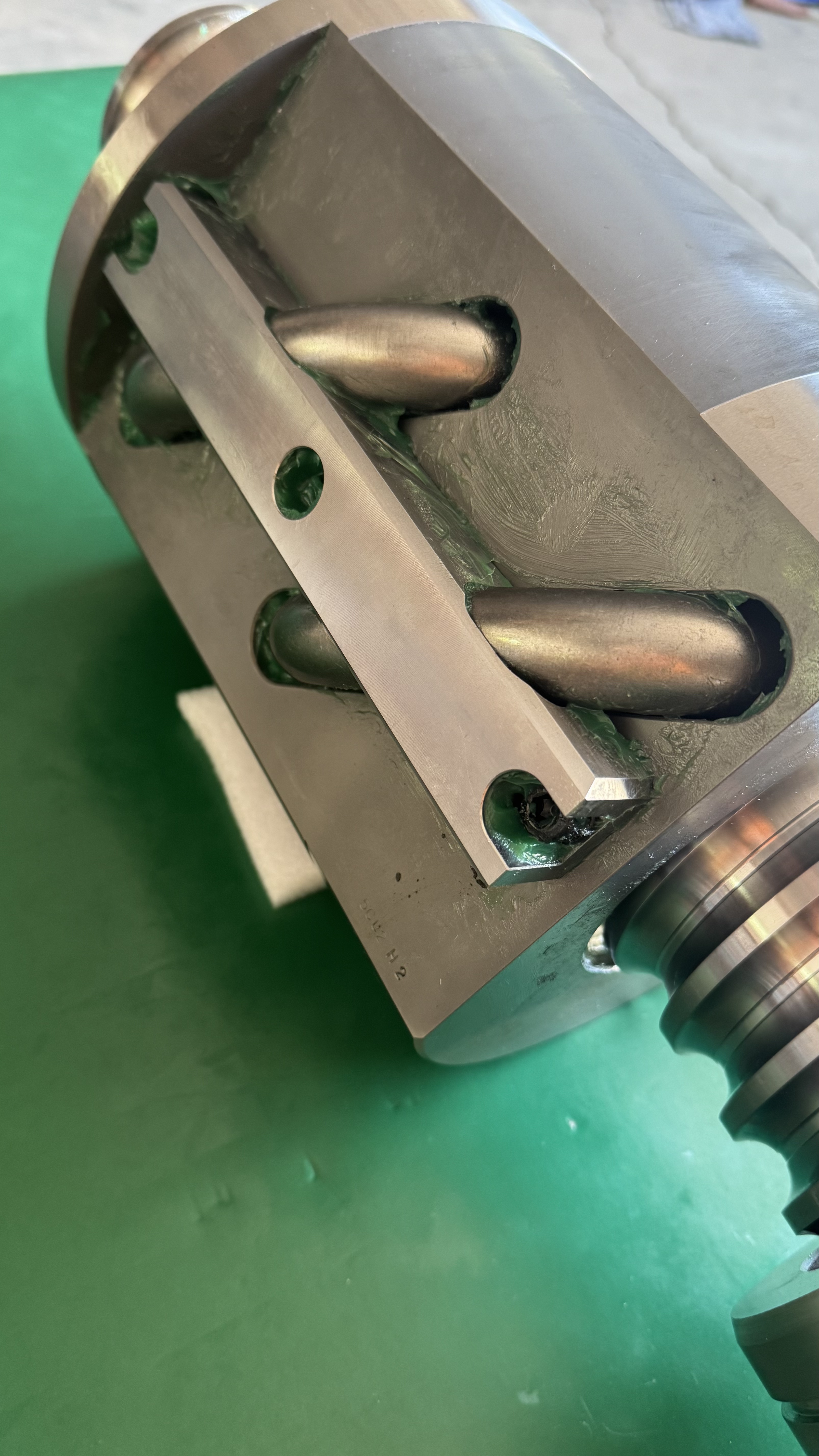
3. Four Common Product Defects Caused by Insufficient Screw Precision
1. Large product dimensional fluctuation: Screw positioning deviation leads to inconsistent injection stroke, resulting in out-of-tolerance wall thickness and dimensional errors.
2. Unstable batch flash and burrs: Reduced precision of the clamping shaft causes fluctuating mold closing gaps, leading to random flash and short shot problems.
3. Cracking and whitening of thin-walled products: Inaccurate positioning and unstable speed of the ejection screw cause uneven stress and damage to thin finished parts.
4. Gradual equipment instability: Low-precision screws wear faster with continuously expanding backlash, resulting in frequent machine adjustment and production downtime in the later stage.
4. Precision Selection Standards for Different Injection Molding Scenarios
-
Daily plastic products and large plastic parts – C5 grade is sufficient
-
Home appliances, auto parts, and structural components – C5 grade mandatory, preloaded type preferred
-
Precision electronics, medical, and optical parts – C3 grade mandatory
-
Auxiliary mechanisms of hydraulic injection machines – C7 grade acceptable for cost control
Conclusion: Ball screw precision is not a marketing parameter but a core hardware factor that directly determines product yield, machine adjustment cost, and equipment service life. The premium price of high-end electric injection molding machines mainly lies in superior screw precision and long-term stability.
Table of Contents
- 1. Essential Differences Between Ball Screws for Injection Molding Machines and Ordinary Automation Equipment
- 2. Practical Differences of C3 / C5 / C7 Precision Grades in Injection Molding Machines
- 3. Four Common Product Defects Caused by Insufficient Screw Precision
- 4. Precision Selection Standards for Different Injection Molding Scenarios