 EN
EN
 AR
AR
 BG
BG
 CS
CS
 DA
DA
 NL
NL
 FI
FI
 FR
FR
 DE
DE
 EL
EL
 HI
HI
 IT
IT
 JA
JA
 KO
KO
 NO
NO
 PL
PL
 PT
PT
 RU
RU
 ES
ES
 SV
SV
 TL
TL
 ID
ID
 UK
UK
 VI
VI
 HU
HU
 TH
TH
 TR
TR
 FA
FA
 AF
AF
 MS
MS
 SW
SW
 GA
GA
 CY
CY
 BE
BE
 KA
KA
 LA
LA
 MY
MY
 TG
TG
 UZ
UZ


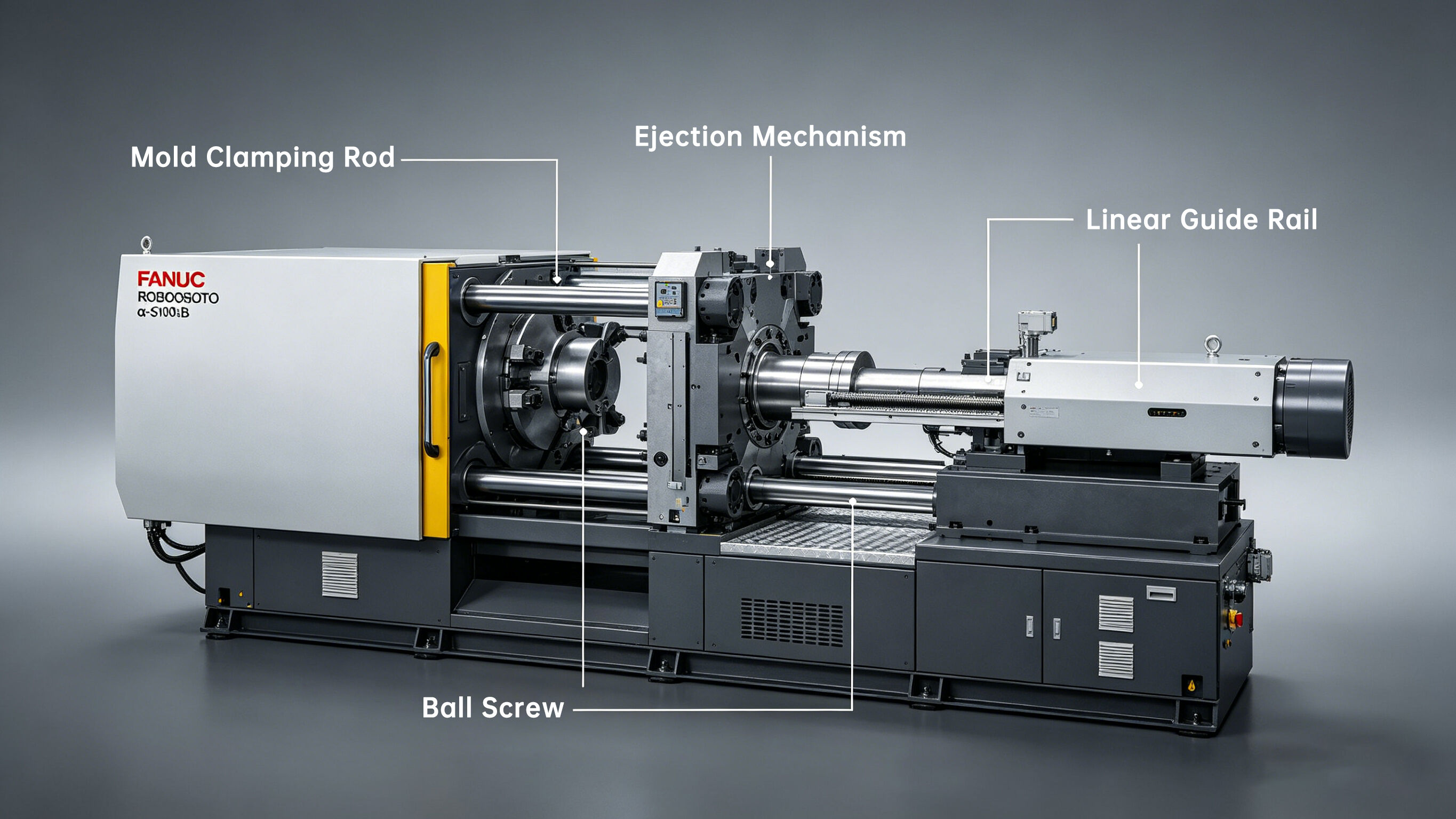
Many plastic processing factories face a confusing problem: ball screws applied on CNC machine tools can last 5–8 years, while those on injection molding machines wear out, generate abnormal noise, and develop excessive backlash within only 1–3 years. Poor product quality is rarely the cause. Essentially, injection molding machine working conditions are among the harshest operating environments for linear motion components. This article deeply analyzes three major loss factors and explains why injection molding machines require customized reinforced ball screws.
1. Primary Cause: Continuous High-Temperature Working Environment (Most Overlooked)
The injection molding zone maintains a long-term radiant high temperature of 180℃–320℃, transferring massive heat to the ball screw and causing the following failures:
-
Lubricant dilution, loss, and carbonization failure under high temperature
-
Thermal expansion of the screw shaft, changing the matching clearance of raceways
-
Accelerated metal fatigue and surface peeling wear under sustained high temperature
Ordinary lubricants cannot resist high temperatures, resulting in dry friction in a short period, which is the No.1 cause of rapid ball screw damage in injection molding machines.
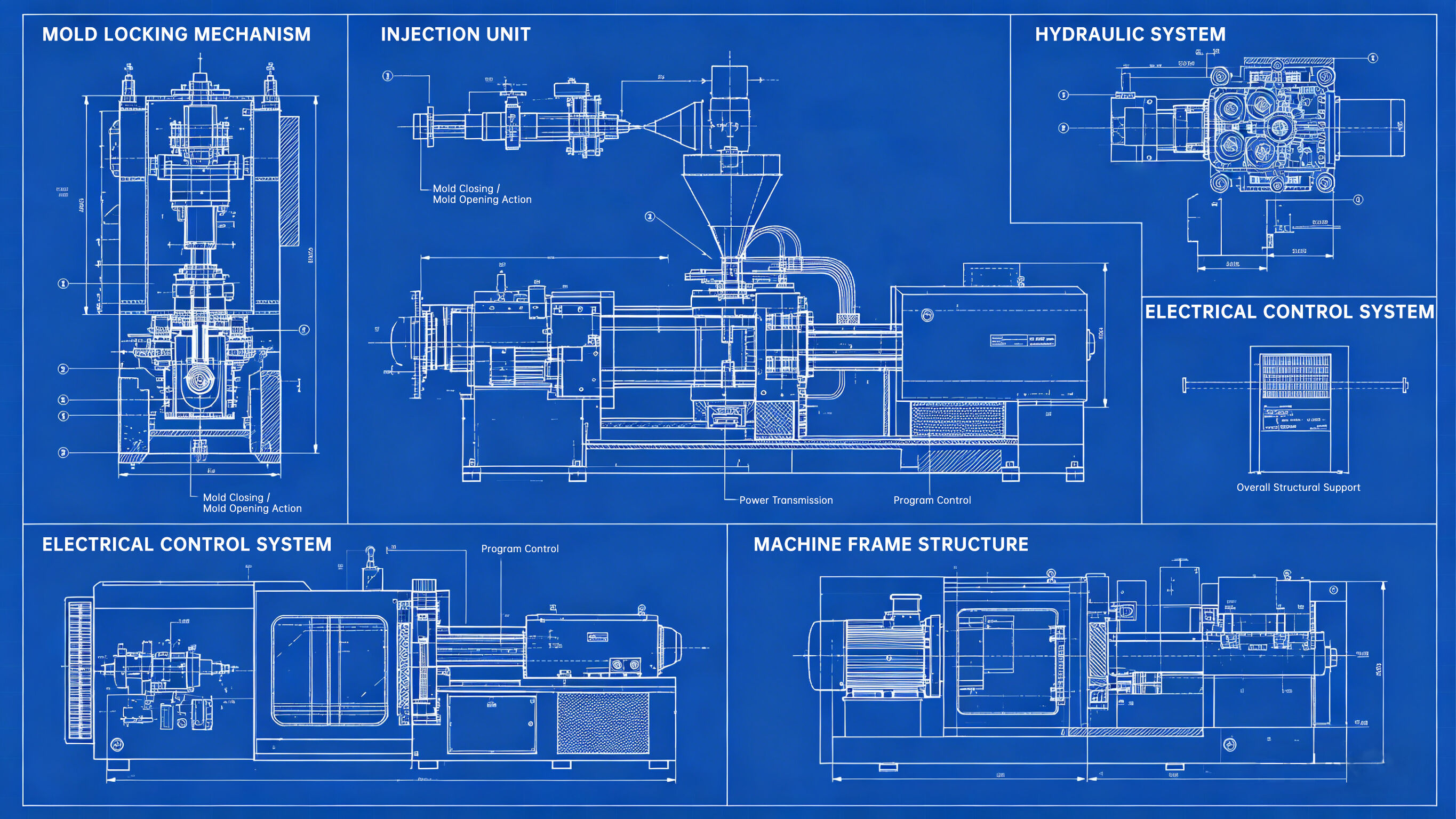
2. Secondary Cause: High-Frequency Impact Load
CNC machine tools operate with smooth and uniform motion, while injection molding machine ball screws bear pulsed operation, frequent start-stop movement, and instantaneous high-pressure impact:
-
Instant impact during high-speed injection
-
Static stress holding during pressure maintenance
-
Rigid collision during mold clamping
Long-term alternating loads cause ball pitting, raceway peeling, preload failure, and rapid backlash expansion.
3. Tertiary Cause: Contamination from Plastic Dust and Oil Fume
Injection molding workshops are filled with micro plastic dust, oil fume, and release agent mist:
-
Dust enters the nut assembly and forms an abrasive paste
-
Fine hard particles continuously polish raceways and steel balls
-
Standard sealing structures cannot block tiny industrial dust
This explains why the same ball screw achieves double service life in dust-free workshops but half the lifespan in standard injection molding workshops.
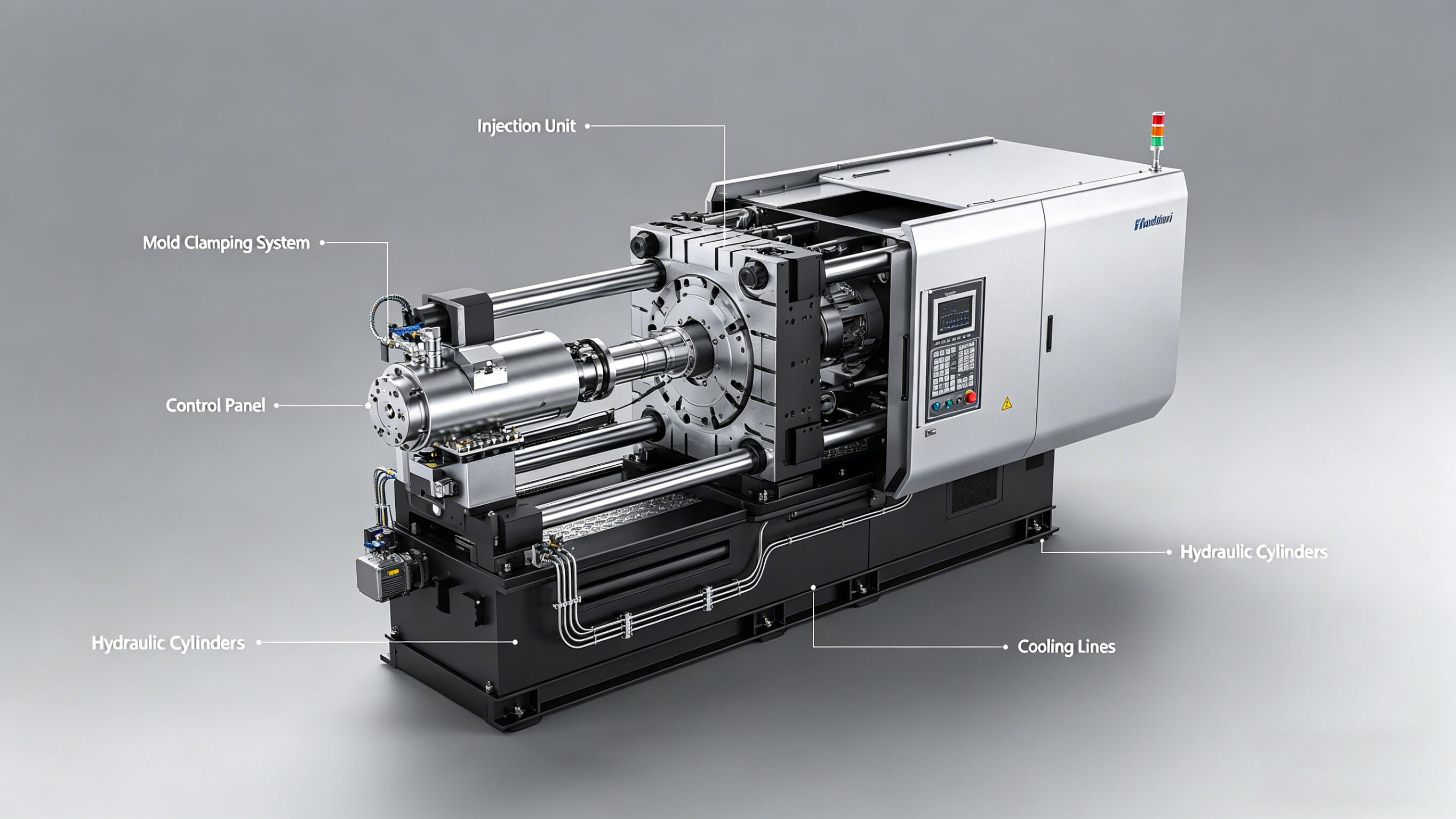
4. Three Reinforced Designs of Special Ball Screws for Injection Molding Machines
Customized ball screws for injection molding machines are structurally upgraded compared with ordinary screws:
-
High-temperature fatigue-resistant heat treatment: High-hardness surface treatment realizes excellent thermal deformation resistance and high-temperature stability
-
Heavy-duty circulation structure: Reinforced ball reversers and increased ball contact area greatly enhance impact resistance
-
Double-layer dustproof sealing system: Effectively blocks fine plastic dust and pollutants, adapting to harsh workshop environments
5. Core Methods to Extend Injection Molding Ball Screw Service Life
-
Adopt special high-temperature lubricant for injection molding machines instead of ordinary grease
-
Regularly clean dust and inspect the integrity of sealing parts
-
Avoid long-term full-load high-speed continuous operation
-
Prioritize preloaded zero-backlash ball screws to resist impact wear
Conclusion: 90% of short ball screw service life cases result from harsh working conditions and mismatched selection, not product quality problems. Adopting professionally customized structures and standardized maintenance can extend screw service life by 2–3 times.
Table of Contents
- 1. Primary Cause: Continuous High-Temperature Working Environment (Most Overlooked)
- 2. Secondary Cause: High-Frequency Impact Load
- 3. Tertiary Cause: Contamination from Plastic Dust and Oil Fume
- 4. Three Reinforced Designs of Special Ball Screws for Injection Molding Machines
- 5. Core Methods to Extend Injection Molding Ball Screw Service Life