 EN
EN
 AR
AR
 BG
BG
 CS
CS
 DA
DA
 NL
NL
 FI
FI
 FR
FR
 DE
DE
 EL
EL
 HI
HI
 IT
IT
 JA
JA
 KO
KO
 NO
NO
 PL
PL
 PT
PT
 RU
RU
 ES
ES
 SV
SV
 TL
TL
 ID
ID
 UK
UK
 VI
VI
 HU
HU
 TH
TH
 TR
TR
 FA
FA
 AF
AF
 MS
MS
 SW
SW
 GA
GA
 CY
CY
 BE
BE
 KA
KA
 LA
LA
 MY
MY
 TG
TG
 UZ
UZ


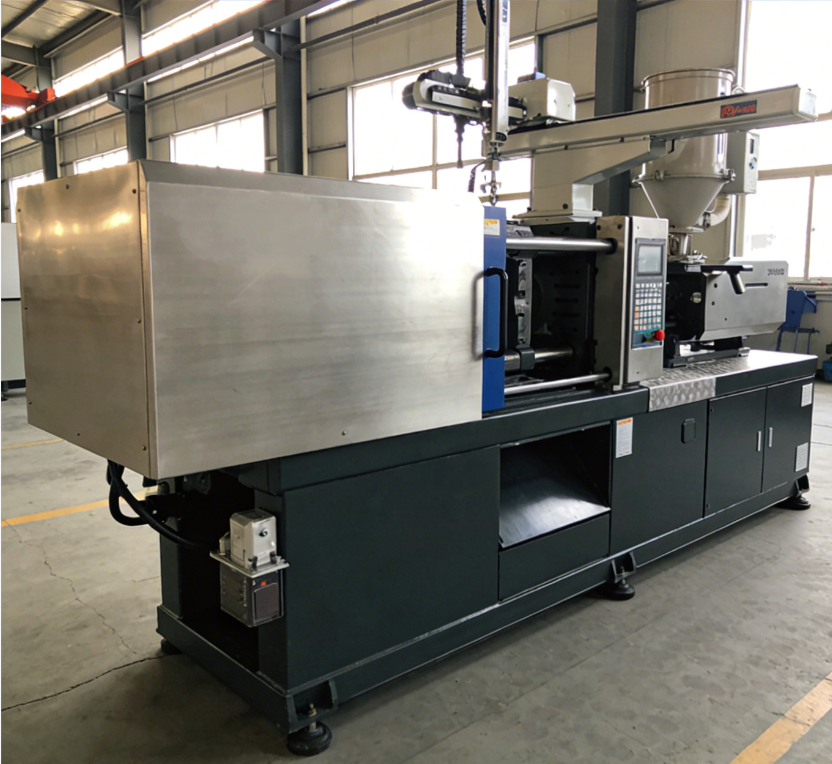
As high-end all-electric injection molding machines develop towardsuper-large tonnage, ultra-high precision and ultra-long service life, two mainstream transmission solutions have dominated the industry: Ball Screw and Planetary Roller Screw (PRS). Most equipment manufacturers and purchasers cannot clearly distinguish their structural differences, applicable scenarios and cost gaps. This article summarizes the professional selection logic from five core dimensions: load capacity, rigidity, precision, service life and cost.
1. Core Structural and Working Principle Differences
Ball Screw: Adopts single-point contact rolling steel balls, featuring ultra-low friction and smooth operation, ideal for high-speed precision positioning scenarios.
Planetary Roller Screw: Adopts multi-line contact micro rollers with larger contact area, higher structural rigidity and stronger impact resistance.
2. Performance Comparison for Injection Molding Applications
2.1 Load Capacity
Planetary Roller Screw ≫ Ball Screw
The multi-surface contact structure enables planetary roller screws to bear 2–3 times higher load than ball screws of the same specification, perfectly matching high-pressure injection and large-tonnage mold clamping requirements.
2.2 Impact Resistance and Structural Rigidity
Planetary roller screws show overwhelming advantages. They resist frequent impact loads of injection molding machines without structural deformation or backlash expansion.
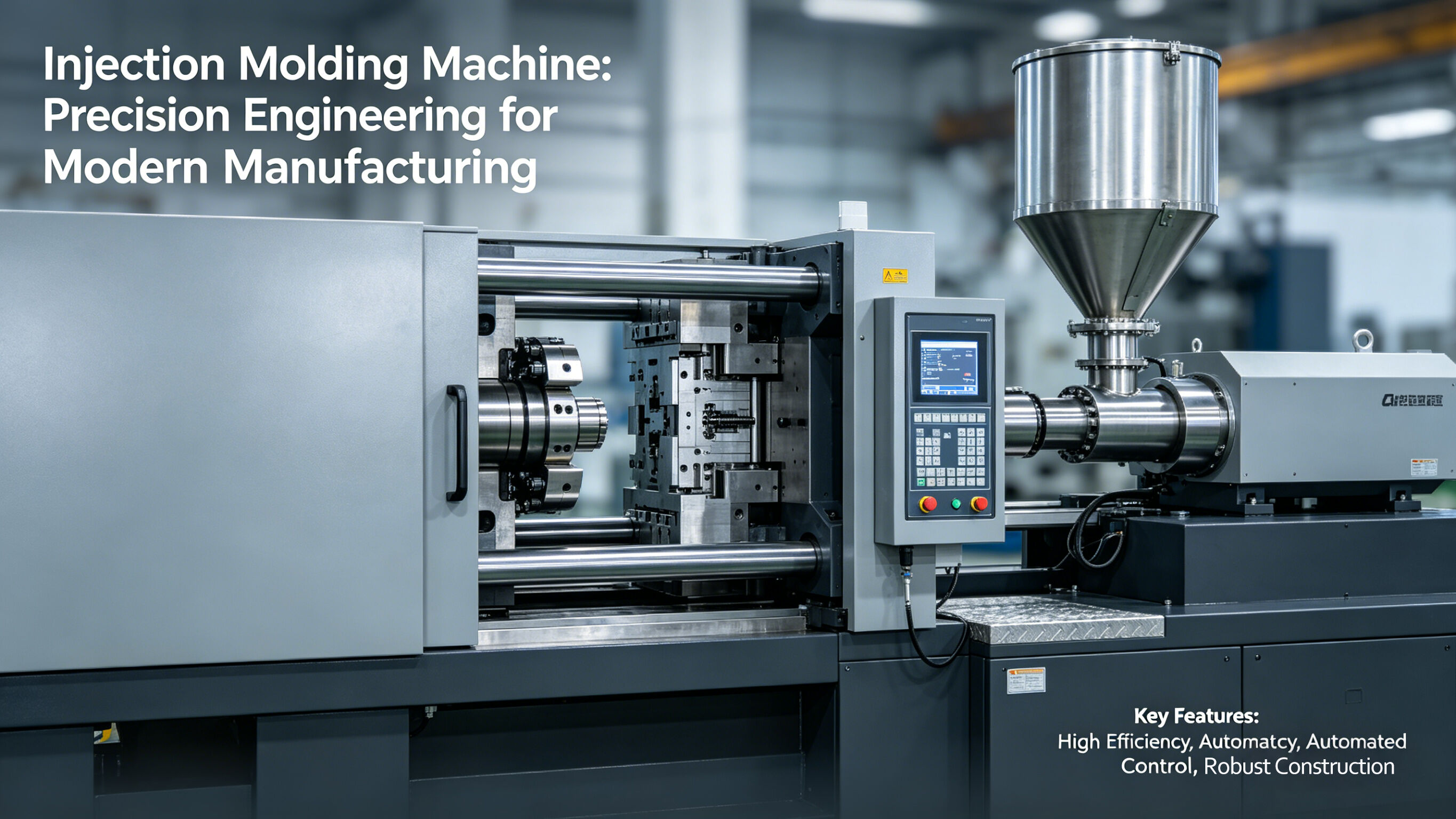
2.3 High-Speed Performance
Ball screws perform better. With lower rolling resistance, lower noise and better heat dissipation, they are suitable for high-speed injection and high-cycle continuous production.
2.4 Long-Term Precision Retention
Planetary roller screws wear extremely slowly, with 3–5 times longer precision retention life than ball screws, fully adapting to 24-hour uninterrupted mass production.
2.5 Manufacturing Cost
Planetary roller screws are much more expensive, costing 3–6 times more than ordinary ball screws.
3. Optimal Matching Solutions for Different Tonnage Injection Molding Machines
3.1 Small & Medium-Sized Electric Machines (50–300 Ton)
Optimal choice: C3 / C5 high-precision ball screw
It features fast speed, low noise and high cost performance, fully meeting the precision requirements of conventional precision injection molding, and is widely adopted in 90% of mainstream models.
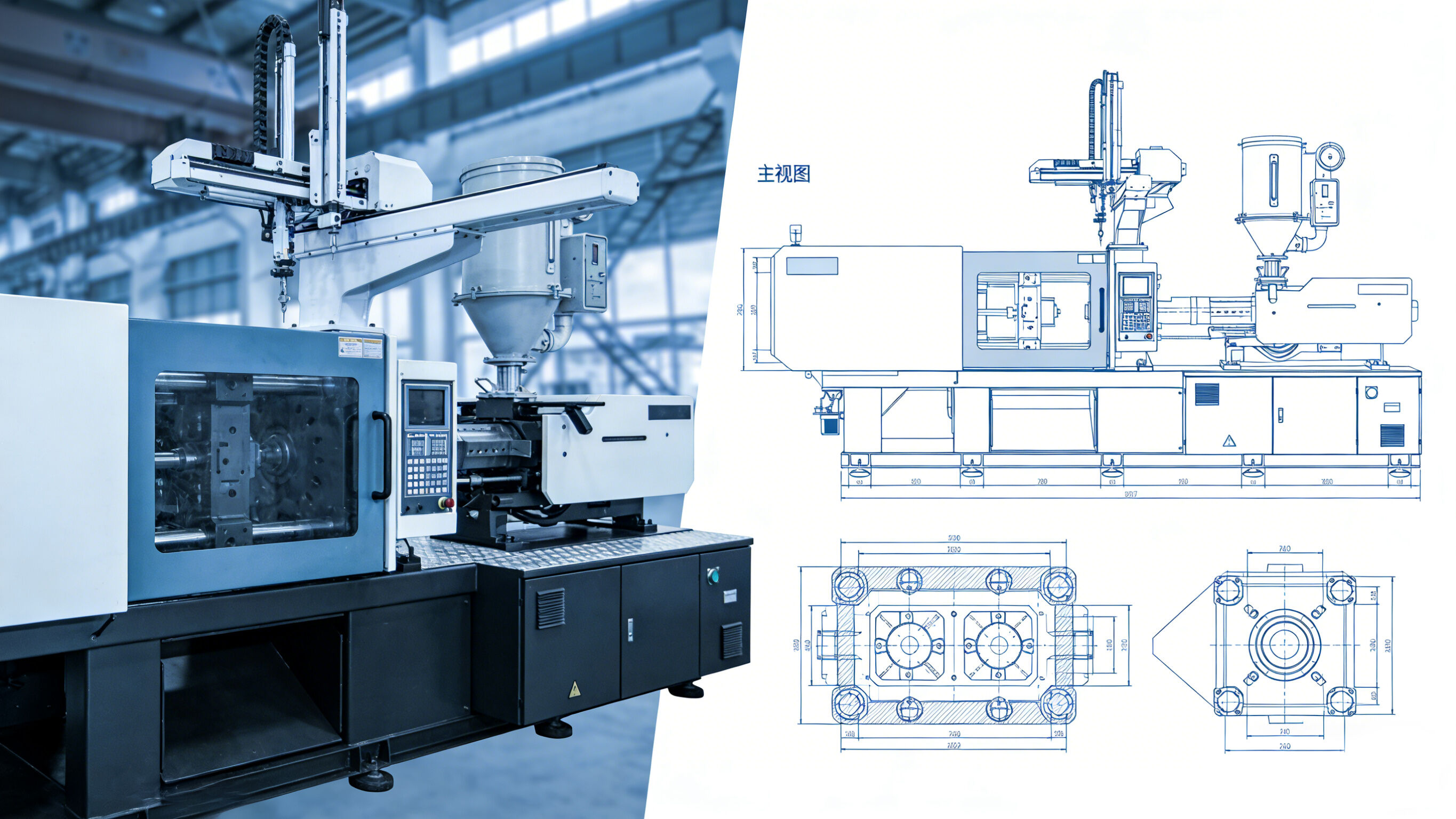
3.2 Large & Extra-Large All-Electric Machines (500–1300 Ton)
Preferred upgrade: Planetary roller screw
Large-tonnage mold clamping generates huge instantaneous impact force. Ordinary ball screws are prone to fatigue failure and rapid backlash expansion under long-term heavy load. High-rigidity planetary roller screws are essential to ensure long-term equipment stability.
4. Quick Selection Formula for Practical Scenarios
-
Pursue high speed, precision and cost performance → Ball Screw
-
Pursue ultra-large load, high rigidity and ultra-long service life → Planetary Roller Screw
-
Small and medium-tonnage precision injection: Ball screw is the golden solution
-
High-end large-tonnage all-electric machines: Planetary roller screw is the mainstream future trend
Conclusion: There is no absolute good or bad between the two products, only scenario adaptation differences. For mass production of small and medium-tonnage products, ball screws are the most cost-effective choice; for high-end large-tonnage all-electric injection molding machines, upgrading to planetary roller screws has become the standard technical route of the injection molding industry in 2026.