 EN
EN
 AR
AR
 BG
BG
 CS
CS
 DA
DA
 NL
NL
 FI
FI
 FR
FR
 DE
DE
 EL
EL
 HI
HI
 IT
IT
 JA
JA
 KO
KO
 NO
NO
 PL
PL
 PT
PT
 RU
RU
 ES
ES
 SV
SV
 TL
TL
 ID
ID
 UK
UK
 VI
VI
 HU
HU
 TH
TH
 TR
TR
 FA
FA
 AF
AF
 MS
MS
 SW
SW
 GA
GA
 CY
CY
 BE
BE
 KA
KA
 LA
LA
 MY
MY
 TG
TG
 UZ
UZ


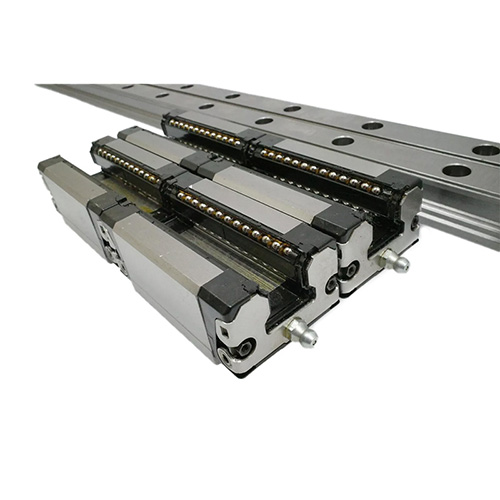
Linear guide rails are core components of linear motion systems, widely adopted in modern automation equipment, CNC machine tools, packaging machinery and robotic systems. Compared with traditional sliding guides, rolling-type linear guides use balls or rollers between the rail and slider block to achieve low-friction reciprocating movement.
How Linear Guide Rail Works
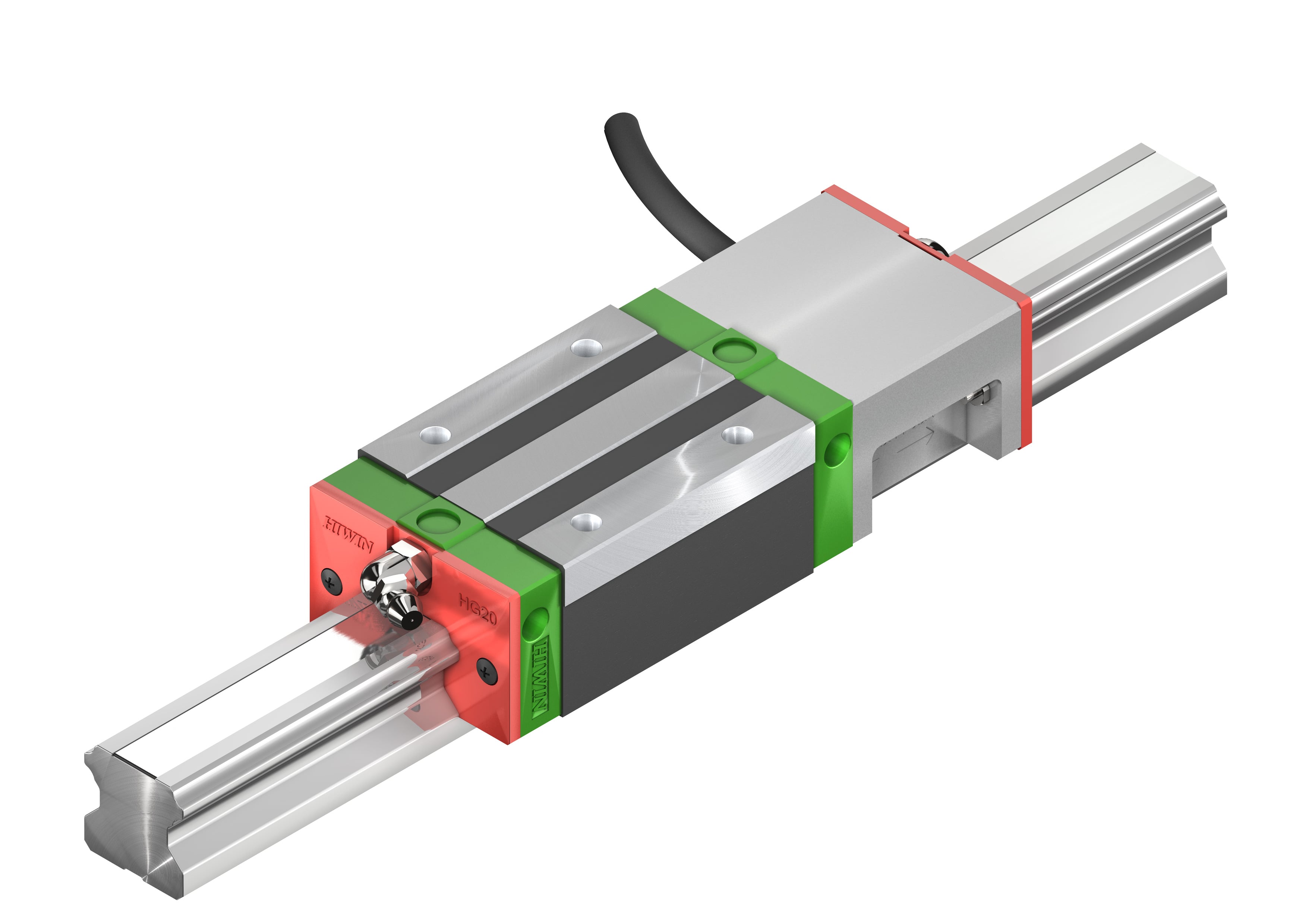
A standard linear guide assembly consists of a metal rail, slider block, steel balls, retainer and end caps. The circulating steel balls roll along the raceway inside the block when the slider moves on the fixed rail. This rolling contact greatly reduces friction coefficient. This design brings multiple strengths: low motion resistance, stable movement even at low speed, high positioning accuracy, and easy to bear loads from multiple directions, including radial, reverse radial and lateral loads.
Main Types of Linear Guide Rails
- Ball linear guides: The most common type, good balance of precision and cost, suitable for light to medium load scenarios, like small CNC routers, 3D printers and inspection equipment.
- Roller linear guides: Use cylindrical rollers instead of steel balls. Larger contact area, higher rigidity and heavy load capacity. Ideal for heavy cutting machine tools and large automated production lines.
Core Advantages
- High positioning repeatability, tolerance can reach micron level
- Low friction, less heat generation, lower power consumption
- High rigidity, resist deflection under working load
- Easy installation and interchangeable slider blocks and rails
- Long service life with proper lubrication and maintenance
Common Applications
CNC machining centers, laser cutting machines, semiconductor handling equipment, automated assembly lines, medical testing instruments, gantry robots and woodworking machinery.
When selecting linear guide rails, engineers need to evaluate several factors: required precision grade, actual working load, stroke length, speed, operating temperature and environmental conditions such as dust or moisture. Proper model selection directly affects equipment stability and service life.