 EN
EN
 AR
AR
 BG
BG
 CS
CS
 DA
DA
 NL
NL
 FI
FI
 FR
FR
 DE
DE
 EL
EL
 HI
HI
 IT
IT
 JA
JA
 KO
KO
 NO
NO
 PL
PL
 PT
PT
 RU
RU
 ES
ES
 SV
SV
 TL
TL
 ID
ID
 UK
UK
 VI
VI
 HU
HU
 TH
TH
 TR
TR
 FA
FA
 AF
AF
 MS
MS
 SW
SW
 GA
GA
 CY
CY
 BE
BE
 KA
KA
 LA
LA
 MY
MY
 TG
TG
 UZ
UZ


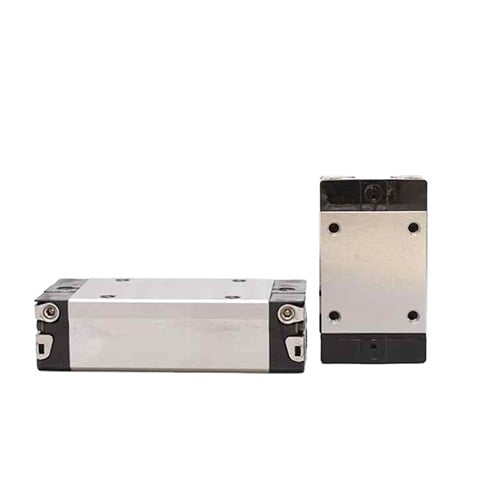
Choosing a suitable linear guide rail is not just about matching the mounting dimension. Wrong selection will lead to premature wear, vibration, poor accuracy or unexpected downtime. This guide summarizes 7 key factors mechanical engineers should check during machine design.
1. Working Load
Calculate the actual applied load on each slider block, including static load and dynamic load. Dynamic load rating determines the service life of linear guides. For heavy-load machining equipment, roller type linear guides are preferred. Light-load pick-and-place machines can use ball linear guides. Also take acceleration and impact load into consideration.
2. Precision Grade
Linear guides are classified by precision grades, including general grade, high precision and ultra-precision grade. General grade fits ordinary automation equipment. High/ultra-precision grades are used for grinding machines, inspection platforms and semiconductor equipment that require strict positioning accuracy.
3. Rigidity Requirement
Rigidity reflects the deformation amount under load. Preload can be applied on linear guide blocks to eliminate clearance and improve rigidity. Higher preload is used for heavy cutting and high-speed machining, while light preload is for smooth movement with low vibration demand.
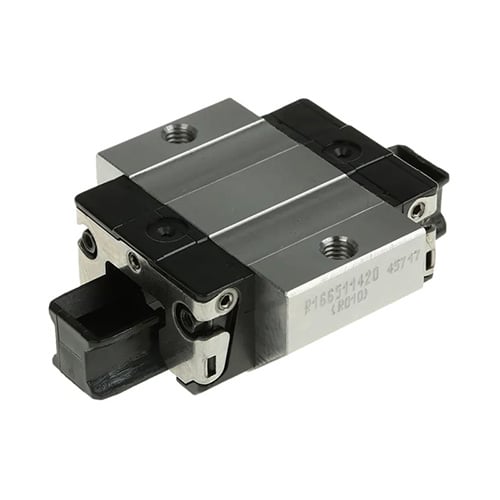
4. Travel Speed & Acceleration
Ball linear guides can support high reciprocating speed. At high acceleration, inertia force will increase the actual load on sliders. You need to recalculate equivalent load rather than only check static load data.
5. Operating Environment
Dust, metal chips, corrosive gas or high humidity will shorten linear guide lifespan. In harsh workshop environments, select linear guides with dust-proof accessories: end seals, side seals and scrappers. Stainless steel linear guides are available for corrosion-resistant scenarios.
6. Mounting Method
Linear rails can be horizontally mounted, vertical mounted or used in gantry structure. Different installation ways change load distribution on sliders. Flatness of the mounting base also matters; uneven base will reduce accuracy and shorten lifetime.
7. Lubrication & Maintenance
Linear guides need regular grease lubrication. Many slider blocks come with grease nipple for easy refilling. Automatic lubrication systems are recommended for continuous running production lines to reduce manual maintenance work.
Final Tip
Interchangeable linear guide series simplify spare parts replacement. Before ordering, confirm rail width, block type, length, preload and precision grade. Matching linear guide and ball screw together can build a complete high-performance linear motion system.