 EN
EN
 AR
AR
 BG
BG
 CS
CS
 DA
DA
 NL
NL
 FI
FI
 FR
FR
 DE
DE
 EL
EL
 HI
HI
 IT
IT
 JA
JA
 KO
KO
 NO
NO
 PL
PL
 PT
PT
 RU
RU
 ES
ES
 SV
SV
 TL
TL
 ID
ID
 UK
UK
 VI
VI
 HU
HU
 TH
TH
 TR
TR
 FA
FA
 AF
AF
 MS
MS
 SW
SW
 GA
GA
 CY
CY
 BE
BE
 KA
KA
 LA
LA
 MY
MY
 TG
TG
 UZ
UZ


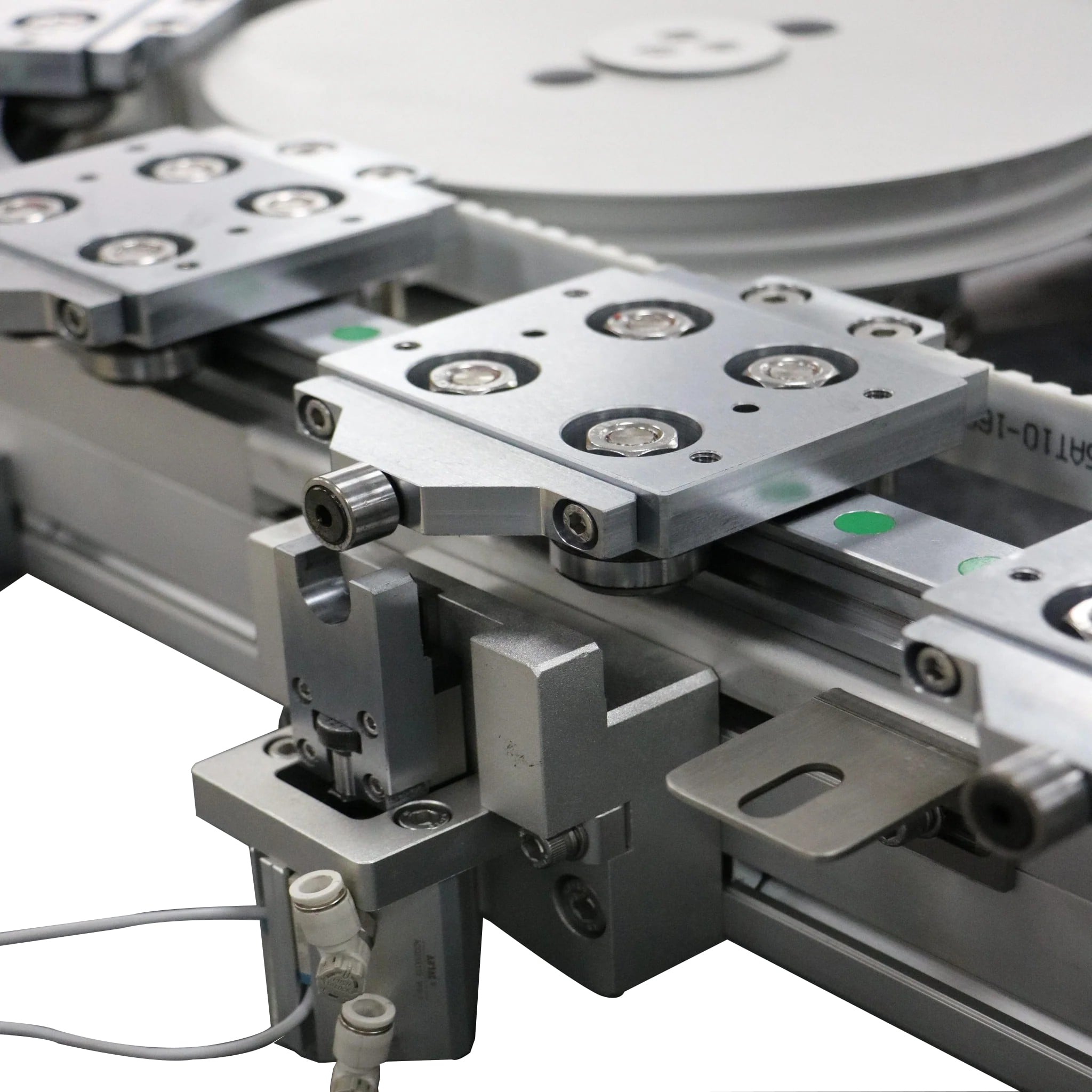
raditional straight linear guides can only deliver reciprocating motion along a single axis. But many modern automated production lines require workpieces to follow circular, arc, rectangular loop or vertical turning paths. This is where curved linear guides (also known as arc guide rails) become a core motion component.
Curved rail systems adopt circulating ball structure, the same rolling principle as straight linear guides. It maintains high precision, low friction and smooth running while realizing curved motion. Manufacturers can customize the track according to actual needs: circular closed loop tracks, rectangular arc tracks, vertical curved rails, and special-shaped arc guides for non-standard equipment. The radius and diameter of the arc are customizable parameters, which are key factors affecting load capacity, running speed and minimum turning space.
Main application scenarios
- Packaging & filling lines: Continuous circulating conveying of bottles, boxes and carriers, realizing uninterrupted production without repeated start-stop.
- Automated assembly stations: Rotating fixture transfer in circular workstations, widely used in electronic component assembly.
- Material handling & gantry systems: Vertical curved rails are used for space-saving up-and-down turning transmission.
- Testing equipment: Continuous cyclic inspection of parts, stable repeat positioning accuracy.
Key points for curved rail selection
The first thing to confirm is the arc radius or diameter. A smaller radius saves installation space but will limit maximum load and linear speed. Larger radius runs more smoothly and supports heavier payloads, requiring larger installation footprint. Next is the track shape: full circular rail, rectangular loop track with four arc corners, vertical curved rail or custom special-shaped arc guide. You also need to define working load, operating speed, required repeat accuracy and environmental conditions (dust, humidity, temperature).
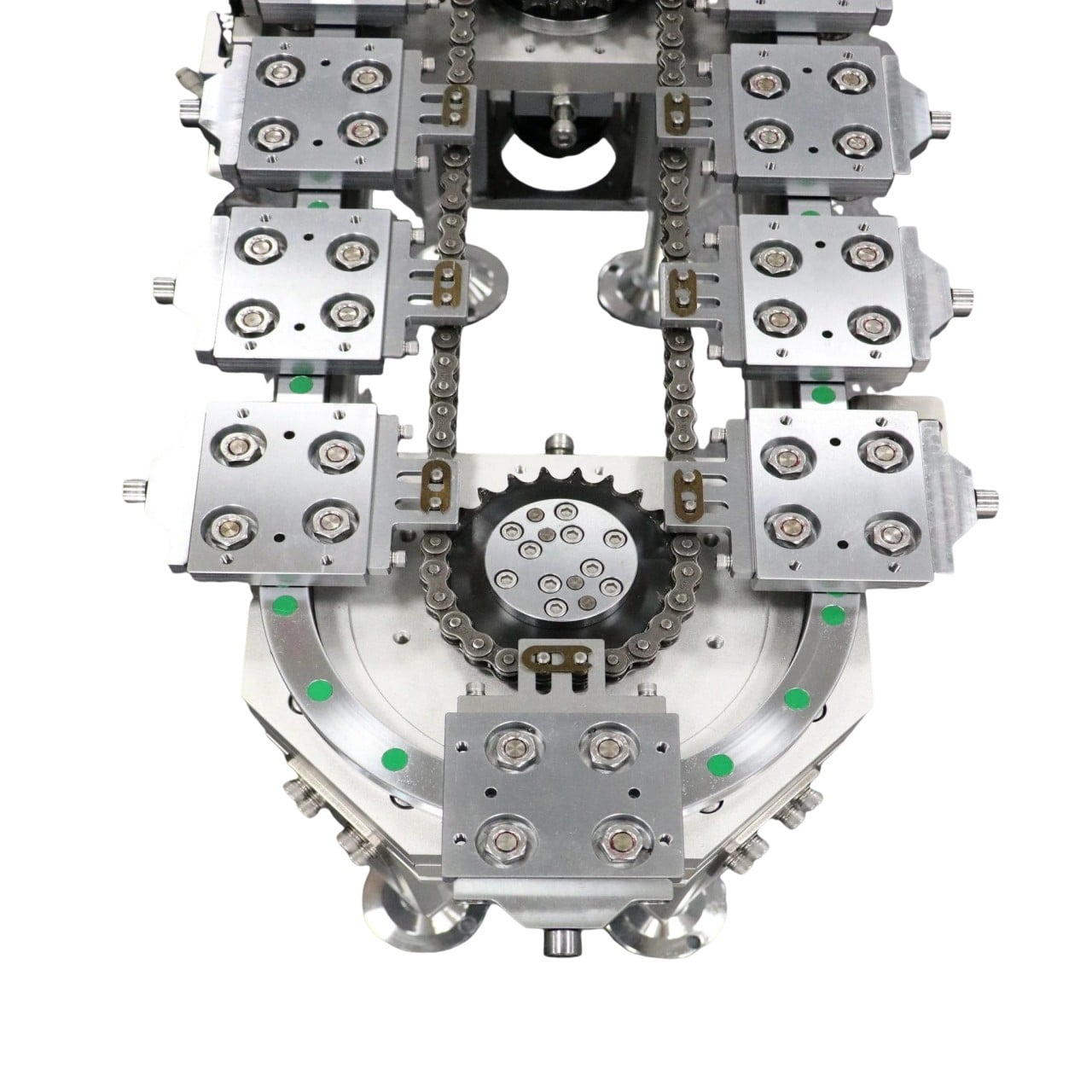
Many equipment designers tend to use separate straight guides plus rotary bearings to build circulating motion. However, this combination has obvious drawbacks: complicated structure, cumulative positioning error, noise and frequent maintenance. Integrated curved linear guide solves these pain points. The whole track is machined as one unit. The rolling slide runs continuously along the arc path, ensuring consistent precision along the entire travel.
Customization capability is a major advantage. If standard off-the-shelf curved rails cannot match your machine layout, suppliers can process tracks according to your drawing-defined radius and diameter. Whether horizontal circular motion, rectangular loop transfer or vertical curved conveying, a tailored arc guide solution can reduce your equipment design difficulty and shorten the whole machine development cycle.
In conclusion, curved linear guides are the preferred motion solution for continuous circulating automation. Proper selection of arc radius, diameter and track form (circular / rectangular / vertical / special shape) will greatly improve equipment stability and production throughput. If you are looking for reliable curved rail solutions for your automation project, consult our engineering team for technical support.