EN
EN
 AR
AR
 BG
BG
 CS
CS
 DA
DA
 NL
NL
 FI
FI
 FR
FR
 DE
DE
 EL
EL
 HI
HI
 IT
IT
 JA
JA
 KO
KO
 NO
NO
 PL
PL
 PT
PT
 RU
RU
 ES
ES
 SV
SV
 TL
TL
 ID
ID
 UK
UK
 VI
VI
 HU
HU
 TH
TH
 TR
TR
 FA
FA
 AF
AF
 MS
MS
 SW
SW
 GA
GA
 CY
CY
 BE
BE
 KA
KA
 LA
LA
 MY
MY
 TG
TG
 UZ
UZ


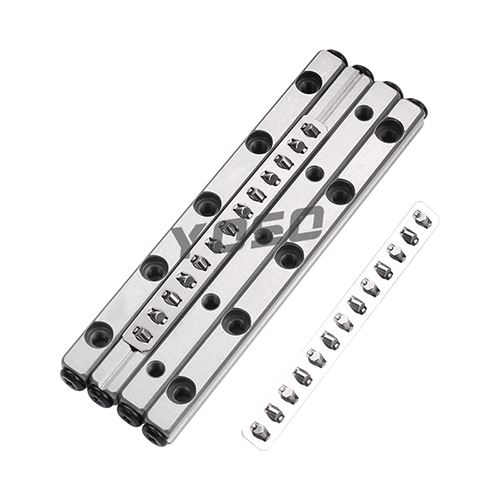
Linear guide rails are fundamental linear motion components in modern industrial automation. They convert rotary motion into accurate linear movement, widely used in gantry robots, CNC machine slides, cobot 7th axis travelling platforms, packaging machinery and automated material handling systems. For automation engineers and system integrators, understanding industrial linear guide specifications helps avoid costly mechanical design mistakes and improve overall equipment performance.
Load Types of Industrial Linear Guide Rails
Many engineers only consider vertical weight load, ignoring critical overturning moments. Industrial linear guide rails carry four main types of loads: vertical load, horizontal load, pitch moment and yaw moment. In typical applications like moving cobot bases and gantry robot slides, moment load often becomes the limiting factor instead of pure static weight.
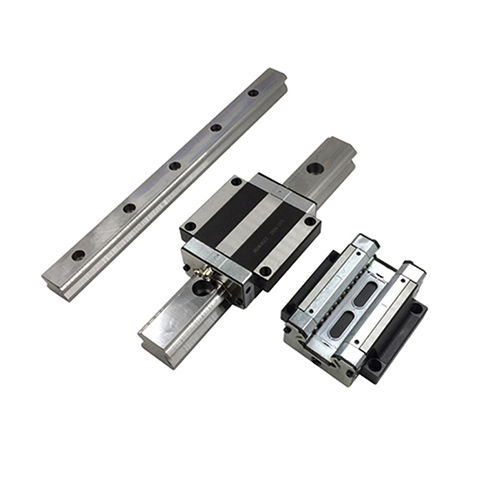
Wide type linear guide blocks feature larger steel ball circulation paths, offering superior moment resistance and mechanical rigidity. When the linear motion platform carries offset payloads or dynamic industrial loads, wide rail heavy duty linear guide design is strongly recommended for stable operation.
Precision & Preload Classes of Linear Guide
Linear guide rails are classified by running accuracy: C7 (general industrial automation), C5 (precision machinery equipment), C3 (ultra-high precision automation equipment).
Preload eliminates internal clearance between linear rail and guide block to improve precision and rigidity:
-
Light preload:low friction, long stroke movement, light payload linear motion system
-
Medium preload:anti-vibration, medium-heavy load, robot base and machine tending linear guide
-
Heavy preload:maximum rigidity, heavy cutting load, high impact industrial automation
Selecting excessive preload increases friction and heat generation, shortening linear guide service life. Under-preload causes motion backlash and poor positioning repeatability in precision automation equipment.
Linear Guide Service Life Calculation
Linear guide service life is calculated based on dynamic rated load. Actual working load, stroke length, operating speed and daily working cycles all affect the final lifespan. In continuous 24-hour factory automation environments, running load should be kept below 30% of the guide block’s dynamic load rating to achieve long-term stable service life for industrial linear guide rails.
Installation & Maintenance Tips for Linear Guide Rail
-
Keep mounting surface flat; uneven base will deform linear rail and reduce overall precision
-
Install scrapers and bellows covers for dusty, wet or harsh industrial workshop environments
-
Perform regular periodic lubrication for linear guide blocks to reduce friction and wear
-
Avoid rail misalignment during assembly to prevent abnormal noise and accelerated component aging
Typical Industrial Linear Guide Applications
-
Cobot 7th axis travelling base:multi-station CNC and injection molding machine tending
-
Gantry robot system:automated palletizing, loading and unloading handling
-
CNC machining equipment:precision cutting and machining linear slide components
-
Packaging & sorting machinery:high-speed automated linear transfer motion
YOSO heavy-duty linear guide rails support custom rail cutting, personalized preload selection and full accessory matching. Our professional engineering team provides load simulation and technical support for automation integrators, helping you select the most suitable linear guide solution for all linear motion automation projects.
Final Thoughts
Linear guide rail performance directly decides the stability and precision of the entire automation machine. Always take actual load conditions, working environment, precision requirements and running speed into consideration at the design phase. A well-matched industrial linear guide system effectively lowers long-term maintenance costs and improves overall production efficiency over the full equipment lifecycle.