 EN
EN
 AR
AR
 BG
BG
 CS
CS
 DA
DA
 NL
NL
 FI
FI
 FR
FR
 DE
DE
 EL
EL
 HI
HI
 IT
IT
 JA
JA
 KO
KO
 NO
NO
 PL
PL
 PT
PT
 RU
RU
 ES
ES
 SV
SV
 TL
TL
 ID
ID
 UK
UK
 VI
VI
 HU
HU
 TH
TH
 TR
TR
 FA
FA
 AF
AF
 MS
MS
 SW
SW
 GA
GA
 CY
CY
 BE
BE
 KA
KA
 LA
LA
 MY
MY
 TG
TG
 UZ
UZ


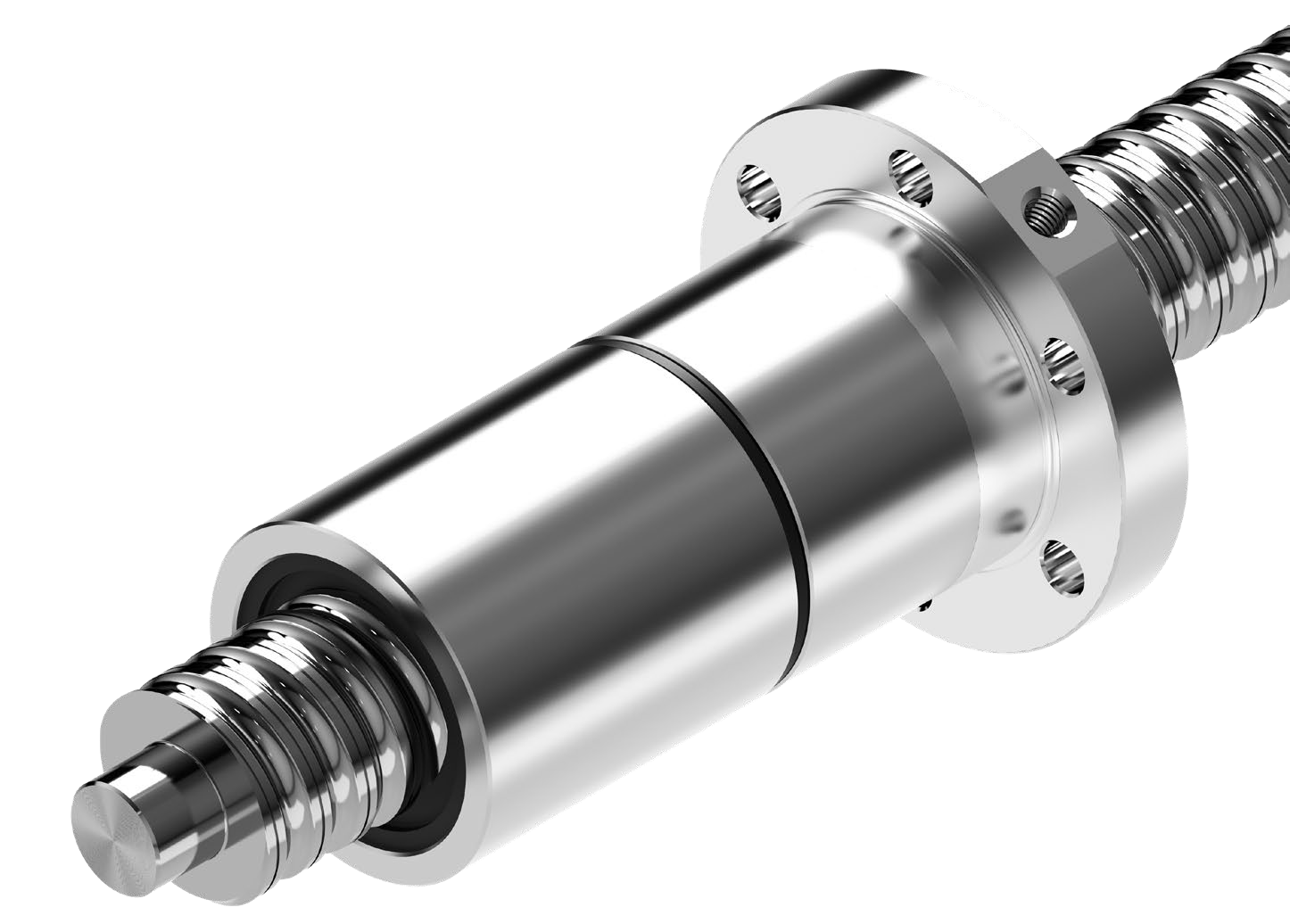
When it comes to industrial automation, ball screws are the unsung heroes of precise linear motion—but choosing the right one isn’t a one-size-fits-all task. Many engineers and manufacturers struggle with specific, niche questions that generic ball screw guides don’t address: “Which ball screw is best for high-speed CNC machines?” “How to select a ball screw for corrosive environments?” “What’s the difference between a rolled ball screw and a ground ball screw for semiconductor equipment?” These are the long-tail questions that lead to successful installations—and they’re exactly what we’ll answer in this blog. We’ll focus on the most searched long-tail keywords around ball screws, breaking down how to select, install, and maintain ball screws for specific applications, so you can avoid costly mistakes and get the most out of your linear motion system.
Top Searched Ball Screw Long-Tail Keywords: Answered
Long-tail keywords are specific, targeted phrases that engineers use when searching for solutions to their unique problems. Unlike broad terms like “ball screw,” these phrases (e.g., “how to choose a ball screw for high-speed applications”) have lower competition but higher intent—meaning the people searching for them are ready to find a solution. Below, we’ll answer the most common long-tail questions, with practical advice tailored to real-world industrial needs.
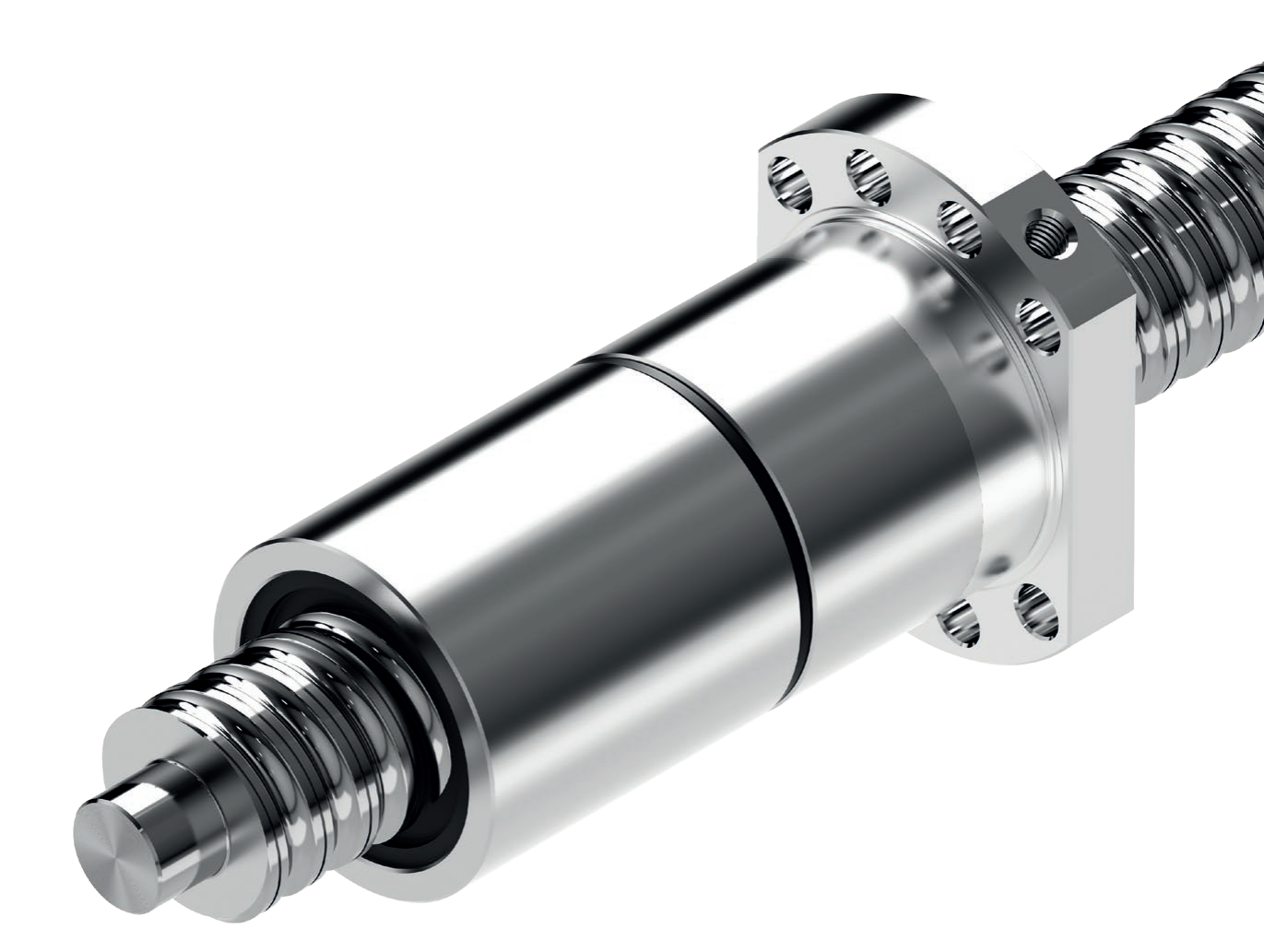
1. How to Choose a Ball Screw for High-Speed Industrial Applications
High-speed applications (e.g., CNC routers, packaging machines, robotic arms) require ball screws that can handle rapid movement without sacrificing precision or durability. The key factors to consider here are lead accuracy, lubrication, and heat dissipation—all of which directly impact performance at high speeds.
Key Selection Tips: - Opt for a ball screw with a small lead (e.g., 5mm–10mm) to balance speed and precision; larger leads increase speed but may reduce accuracy. - Choose a ball screw with a high-speed lubricant (synthetic grease or oil) to reduce friction and heat buildup—this prevents premature wear and ensures smooth operation. - Look for ball screws with heat-treated raceways (HRC 60–62) and high-quality rolling elements to withstand the stress of high-speed movement. - For extremely high-speed applications (over 1,000 rpm), consider a ball screw with a balanced design to reduce vibration and noise.
Example Application: A CNC router operating at 800 rpm requires a ground ball screw with a 8mm lead, synthetic lubricant, and heat-treated raceways to maintain precision while moving at high speeds.
2. Ball Screw for Corrosive Environments: What Material & Coating to Choose
Ball screws used in corrosive environments (e.g., chemical processing, marine applications, food packaging with cleaning agents) are vulnerable to rust and degradation. The right material and coating can extend their service life by 3–5 times.
Material & Coating Recommendations: - Stainless Steel Ball Screws: Ideal for mild corrosive environments (e.g., food packaging, humid workshops). Choose AISI 304 or 316 stainless steel for excellent corrosion resistance. - Corrosion-Resistant Coatings: For harsher environments (e.g., chemical processing), opt for ball screws with a chromium plating or PTFE coating—these create a barrier against corrosive substances. - Ceramic Ball Screws: For extreme corrosive environments (e.g., marine or chemical plants), ceramic ball screws offer superior resistance to acids, bases, and saltwater, though they come at a higher cost.
Pro Tip: Pair corrosion-resistant ball screws with sealed carriages to prevent corrosive substances from entering the raceway and damaging the rolling elements.
3. Rolled vs. Ground Ball Screw for Semiconductor Equipment: Which Is Better?
Semiconductor equipment (e.g., wafer handling machines, inspection tools) requires ultra-precise linear motion—making the choice between rolled and ground ball screws critical. This is one of the most searched long-tail keywords, as engineers need to balance precision and cost for sensitive applications.
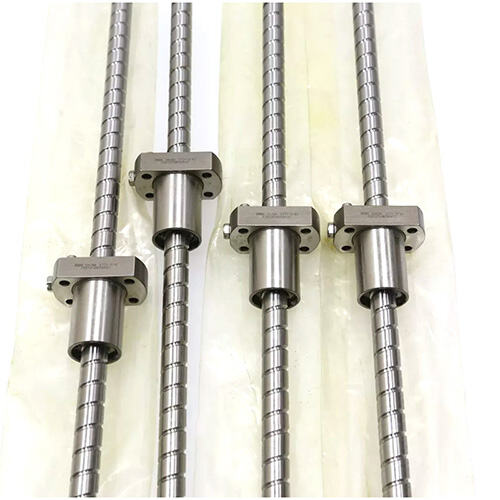
Comparison for Semiconductor Applications: - Ground Ball Screws: The best choice for semiconductor equipment. They offer high precision (C3–C5 accuracy), ultra-smooth surfaces, and minimal backlash—critical for micron-level positioning of wafers. They’re more expensive but deliver the reliability needed for high-yield semiconductor production. - Rolled Ball Screws: Not recommended for core semiconductor processes (e.g., wafer handling). They have lower precision (C7–C10) and more backlash, which can lead to wafer scratches or misalignment. However, they can be used for non-critical auxiliary motion (e.g., conveyor systems) to reduce costs.
4. How to Calculate Ball Screw Load Capacity for Heavy-Duty Automation
Heavy-duty applications (e.g., industrial presses, heavy machinery, mining equipment) require ball screws that can handle high axial and radial loads without failure. Miscalculating load capacity is a common mistake that leads to premature wear, jamming, or even equipment damage.
Step-by-Step Load Calculation Guide: 1.Determine the Axial Load: Calculate the total weight of the load being moved, plus any additional forces (e.g., friction, acceleration). For example, a 500kg load with 100N of friction and 200N of acceleration creates an axial load of ~5,200N (500kg × 9.8m/s² + 100N + 200N). 2. Account for Radial Load: Radial loads (sideways forces) are common in heavy-duty applications—ensure the ball screw can handle 10–15% of the axial load (check the manufacturer’s specifications). 3. Add a Safety Factor: Multiply the total load by 1.5–2.0 to account for unexpected forces (e.g., shock loads). This ensures the ball screw doesn’t fail under peak conditions. 4. Check Manufacturer Data: Compare your calculated load to the ball screw’s rated load (provided by the manufacturer) to ensure it’s a match.
5. Ball Screw Maintenance Tips to Prevent Downtime in CNC Machines
CNC machines rely on ball screws for precise motion, and unplanned downtime can cost manufacturers thousands of dollars per hour. This long-tail keyword focuses on practical maintenance to keep ball screws running smoothly in CNC applications.
Maintenance Best Practices for CNC Machines: - Regular Lubrication: Apply high-quality grease every 200–300 operating hours (or as recommended by the manufacturer) to reduce friction and wear. - Clean the Raceway: Use compressed air or a soft brush to remove dust and debris from the raceway weekly—CNC machines generate metal shavings that can clog the ball screw. - Check for Backlash: Test for backlash monthly; excessive backlash (more than 0.01mm) can reduce CNC precision—adjust or replace the ball screw if needed. - Inspect for Wear: Look for signs of wear (e.g., scratches on the raceway, uneven movement) quarterly. Replace worn ball screws promptly to avoid further damage.
Why Long-Tail Keywords Matter for Ball Screw Selection
Long-tail keywords aren’t just for SEO—they’re a reflection of the real problems engineers face. By focusing on these specific questions, you can ensure your ball screw selection is tailored to your application, avoiding generic solutions that don’t meet your needs. Whether you’re choosing a ball screw for high-speed CNC machines, corrosive environments, or semiconductor equipment, addressing these long-tail questions will help you get the most out of your linear motion system.
Final Thoughts: Choose the Right Ball Screw for Your Unique Needs
Ball screws are a critical component of industrial automation, and the right selection depends on your specific application. By answering the most common long-tail questions—from high-speed selection to corrosion resistance and maintenance—you can make informed decisions that reduce downtime, lower costs, and improve performance.
At Jingpeng Machinery, our German-engineered YOSO brand offers a full range of ball screws (rolled, ground, stainless steel, and ceramic) tailored to meet the needs of every application. Whether you need a high-precision ground ball screw for semiconductor equipment or a corrosion-resistant stainless steel ball screw for chemical processing, our team of experts can help you select the perfect solution. Contact us today to learn more about our ball screw products and how we can support your industrial automation needs.
Table of Contents
-
Top Searched Ball Screw Long-Tail Keywords: Answered
- 1. How to Choose a Ball Screw for High-Speed Industrial Applications
- 2. Ball Screw for Corrosive Environments: What Material & Coating to Choose
- 3. Rolled vs. Ground Ball Screw for Semiconductor Equipment: Which Is Better?
- 4. How to Calculate Ball Screw Load Capacity for Heavy-Duty Automation
- 5. Ball Screw Maintenance Tips to Prevent Downtime in CNC Machines
- Why Long-Tail Keywords Matter for Ball Screw Selection
- Final Thoughts: Choose the Right Ball Screw for Your Unique Needs