 EN
EN
 AR
AR
 BG
BG
 CS
CS
 DA
DA
 NL
NL
 FI
FI
 FR
FR
 DE
DE
 EL
EL
 HI
HI
 IT
IT
 JA
JA
 KO
KO
 NO
NO
 PL
PL
 PT
PT
 RU
RU
 ES
ES
 SV
SV
 TL
TL
 ID
ID
 UK
UK
 VI
VI
 HU
HU
 TH
TH
 TR
TR
 FA
FA
 AF
AF
 MS
MS
 SW
SW
 GA
GA
 CY
CY
 BE
BE
 KA
KA
 LA
LA
 MY
MY
 TG
TG
 UZ
UZ


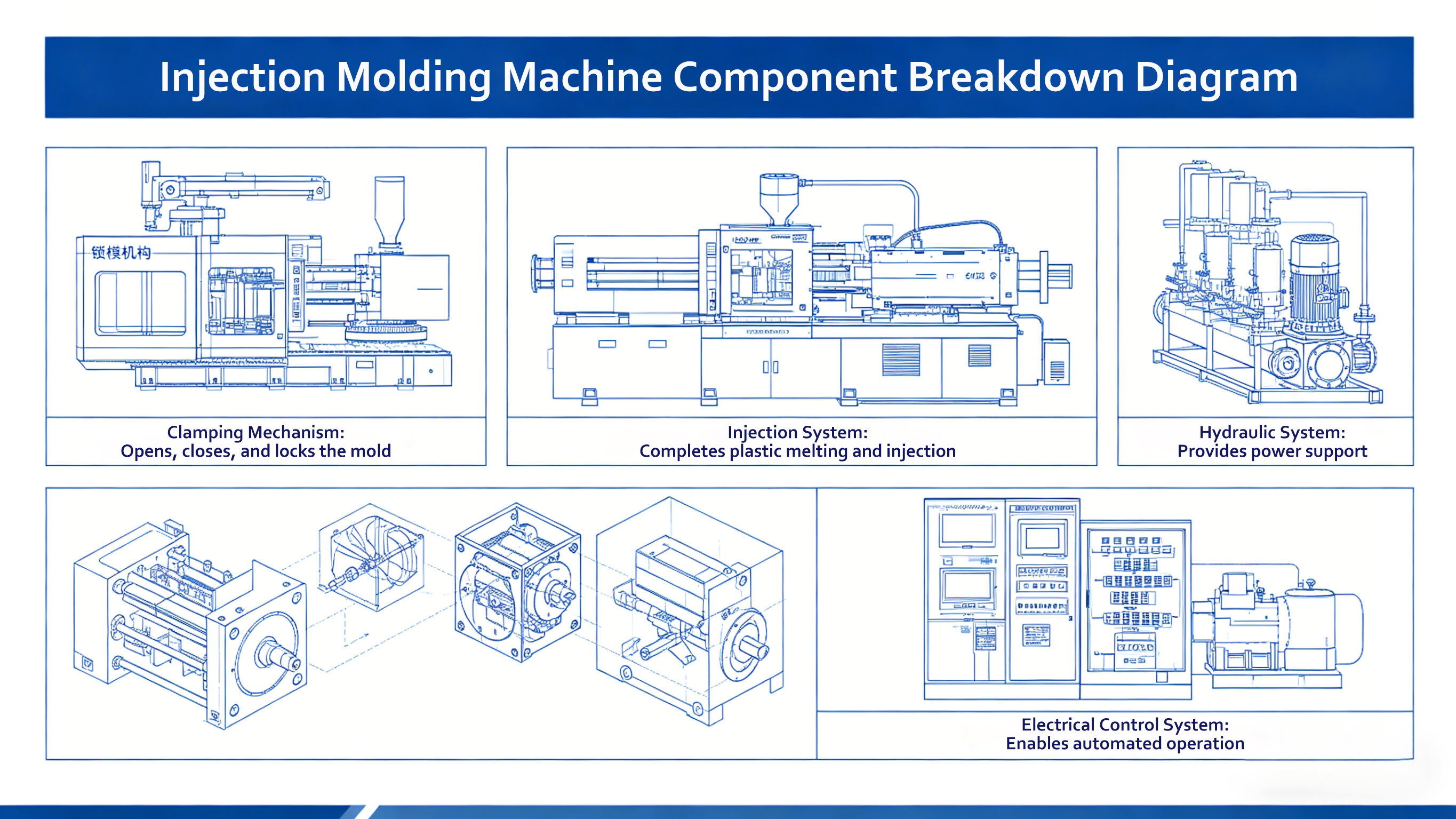
Most ball screw failures, unstable injection precision, and inconsistent batch product defects are not caused by insufficient precision grades, but by incorrect preload selection. Many purchasers only focus on C3, C5, or C7 precision grades while ignoring preload performance. This leads to accurate positioning of new machines, but gradual backlash expansion, injection jitter, mold offset, and fluctuating product dimensions after three months of operation.
Injection molding machines feature high-frequency impact, repeated reversing, and instantaneous high-pressure working conditions, making them one of the most demanding industrial scenarios that heavily rely on reliable preload structures. This article elaborates on three mainstream preload types, applicable machine tonnages, and matching working conditions, helping you avoid common selection mistakes.
1. What Is Ball Screw Preload & Why It Is Mandatory for Injection Molding Machines
Standard non-preloaded ball screws have inherent axial clearance, resulting in idle travel during direction reversal, which is defined as backlash.
Injection molding cycles including injection, pressure holding, retraction, mold clamping, and mold opening require frequent directional switching. Even tiny backlash will trigger the following production problems:
-
Offset positioning at the injection end point
-
Unstable pressure holding performance
-
Poor mold clamping repeatability, causing flash and short shot defects
-
Rapid backlash expansion under continuous impact load and accelerated screw aging
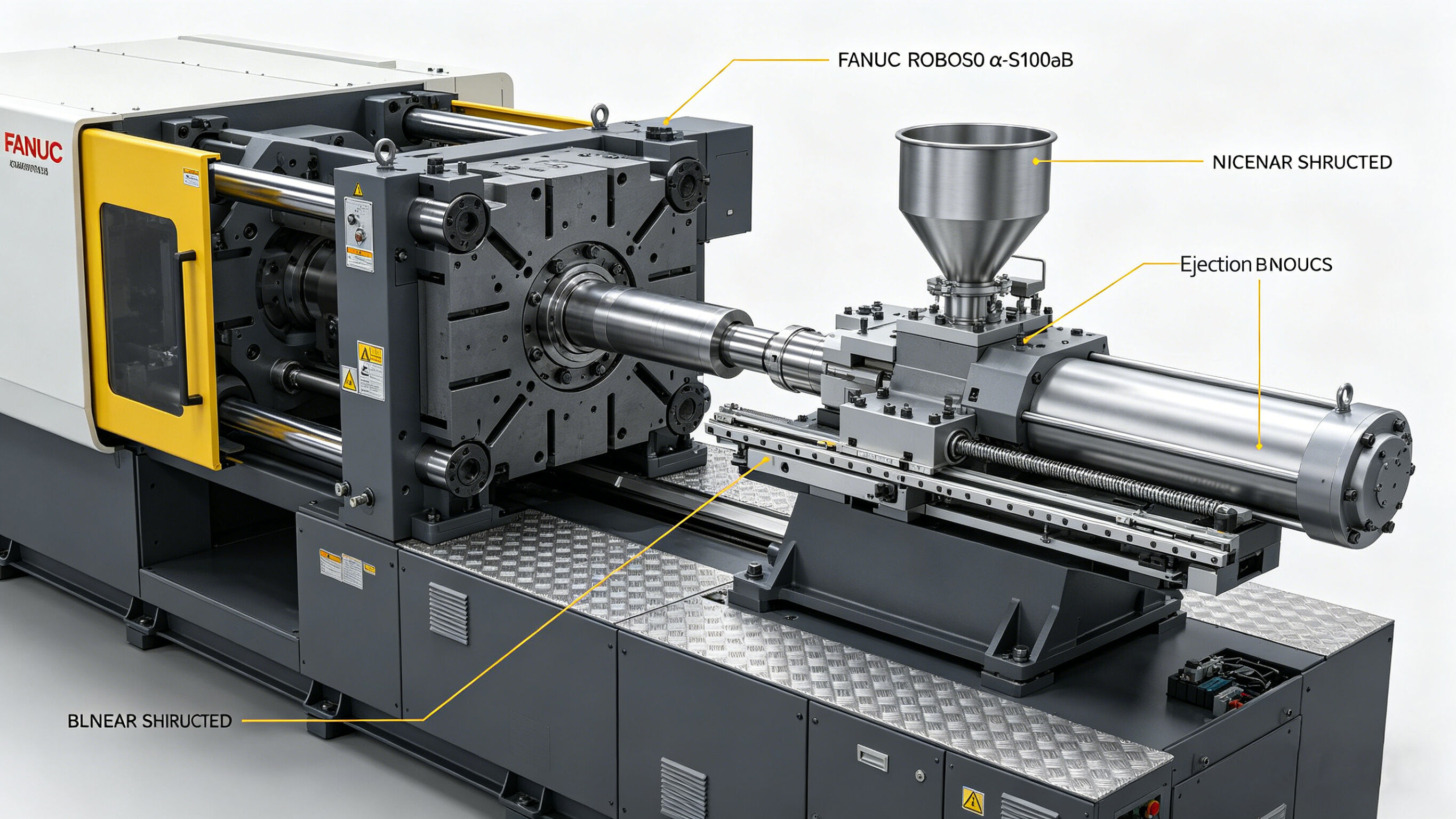
Core function of preload: Completely eliminate reverse backlash and achieve zero idle travel, zero jitter during screw reversing.
2. Differences Between Three Preload Grades (Professional Selection Standards for Injection Machines)
2.1 Zero Preload
Reserves standard axial backlash with low operating resistance, low cost, and smooth movement.
Not allowed for injection shafts and clamping shafts of injection molding machines.
Applicable only for mold adjustment shafts, ejection auxiliary shafts, and low-speed & low-frequency adjustment mechanisms of hydraulic injection machines.
2.2 Light Preload / Micro Preload
Eliminates minor backlash with moderate load resistance, low temperature rise, and excellent stability.
Ideal for 100–300 ton small and medium-sized electric injection molding machines (most mainstream option)
Perfect for mass production of home appliance parts, daily plastic products, and general structural components. It balances operating speed, service life, and precision, serving as the standard configuration for 90% of conventional electric injection molding machines.
2.3 Heavy Preload / High Preload
Provides complete zero-backlash performance, ultra-high structural rigidity, and strong impact resistance, with slightly higher operating resistance and temperature rise.
Suitable for precision machines, high-speed machines, and large electric injection molding machines above 500 tons
Widely applied in the production of precision electronic parts, medical components, optical plastic parts, 24-hour uninterrupted mass production, and high-pressure injection scenarios.
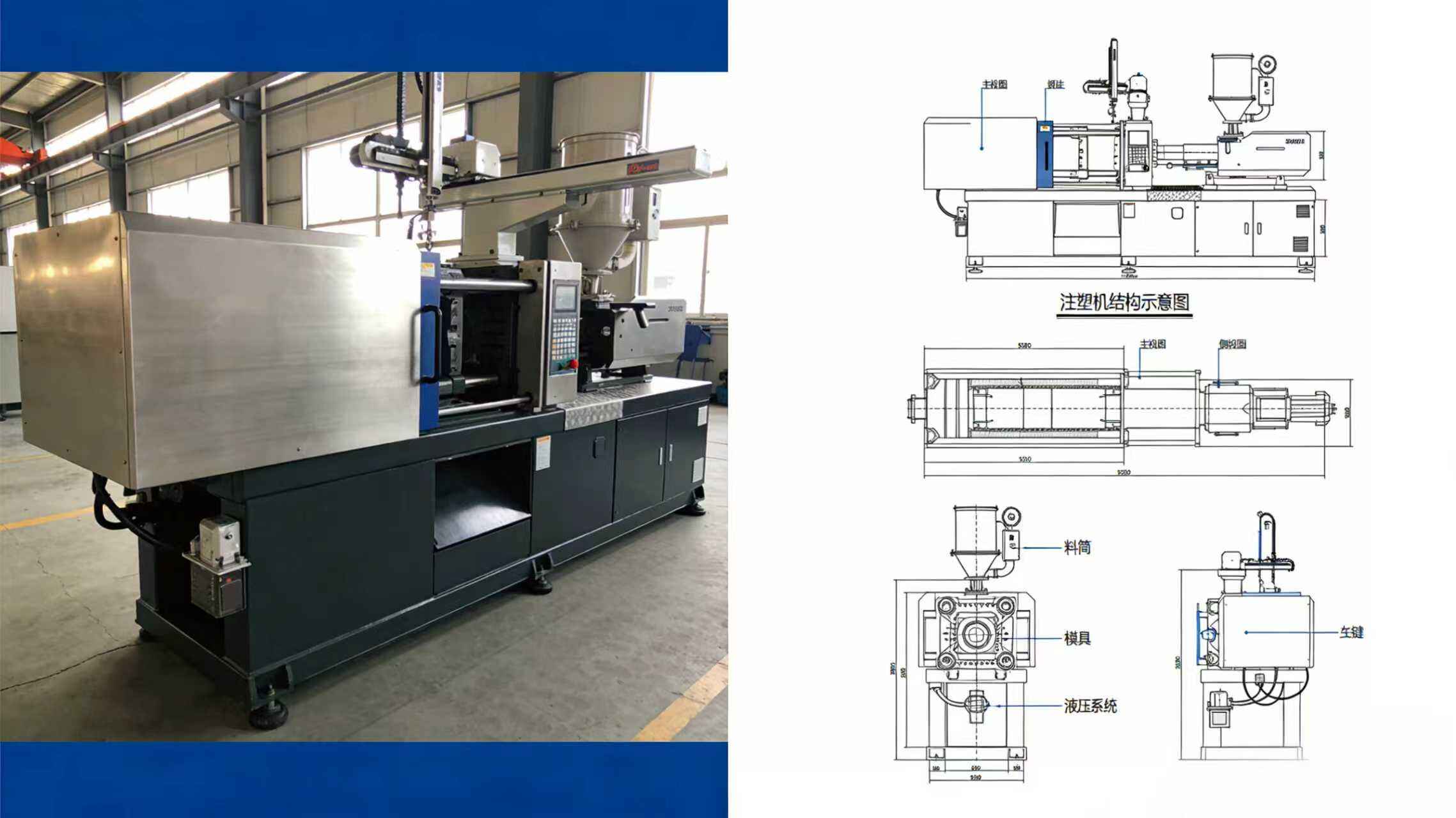
3. Typical Production Defects Caused by Wrong Preload Selection
-
Zero preload for injection shafts: Severe product weight fluctuation, unstable dimensional tolerance, and low batch yield rate
-
Light preload for large-tonnage machines: Rapid backlash expansion under long-term impact load and obvious precision attenuation within half a year
-
Heavy preload for small-tonnage machines: Excessive temperature rise, high power consumption, and limited operating speed
4. Preload Selection Formula by Machine Tonnage (Directly Applicable)
-
≤100-ton precision machines: Light / moderate preload
-
100–300-ton general electric injection machines: Standard light preload (industry golden match)
-
300–500-ton medium and large machines: Medium to high preload
-
≥500-ton large high-speed machines: Heavy preload with zero-backlash structure
Conclusion: For injection molding machine ball screw selection, precision grade determines the upper limit of machining accuracy, while preload grade determines long-term stability and service life. With the same C5 precision, correct preload matching can double the screw lifespan and greatly improve product yield.
Table of Contents
- 1. What Is Ball Screw Preload & Why It Is Mandatory for Injection Molding Machines
- 2. Differences Between Three Preload Grades (Professional Selection Standards for Injection Machines)
- 3. Typical Production Defects Caused by Wrong Preload Selection
- 4. Preload Selection Formula by Machine Tonnage (Directly Applicable)