 EN
EN
 AR
AR
 BG
BG
 CS
CS
 DA
DA
 NL
NL
 FI
FI
 FR
FR
 DE
DE
 EL
EL
 HI
HI
 IT
IT
 JA
JA
 KO
KO
 NO
NO
 PL
PL
 PT
PT
 RU
RU
 ES
ES
 SV
SV
 TL
TL
 ID
ID
 UK
UK
 VI
VI
 HU
HU
 TH
TH
 TR
TR
 FA
FA
 AF
AF
 MS
MS
 SW
SW
 GA
GA
 CY
CY
 BE
BE
 KA
KA
 LA
LA
 MY
MY
 TG
TG
 UZ
UZ


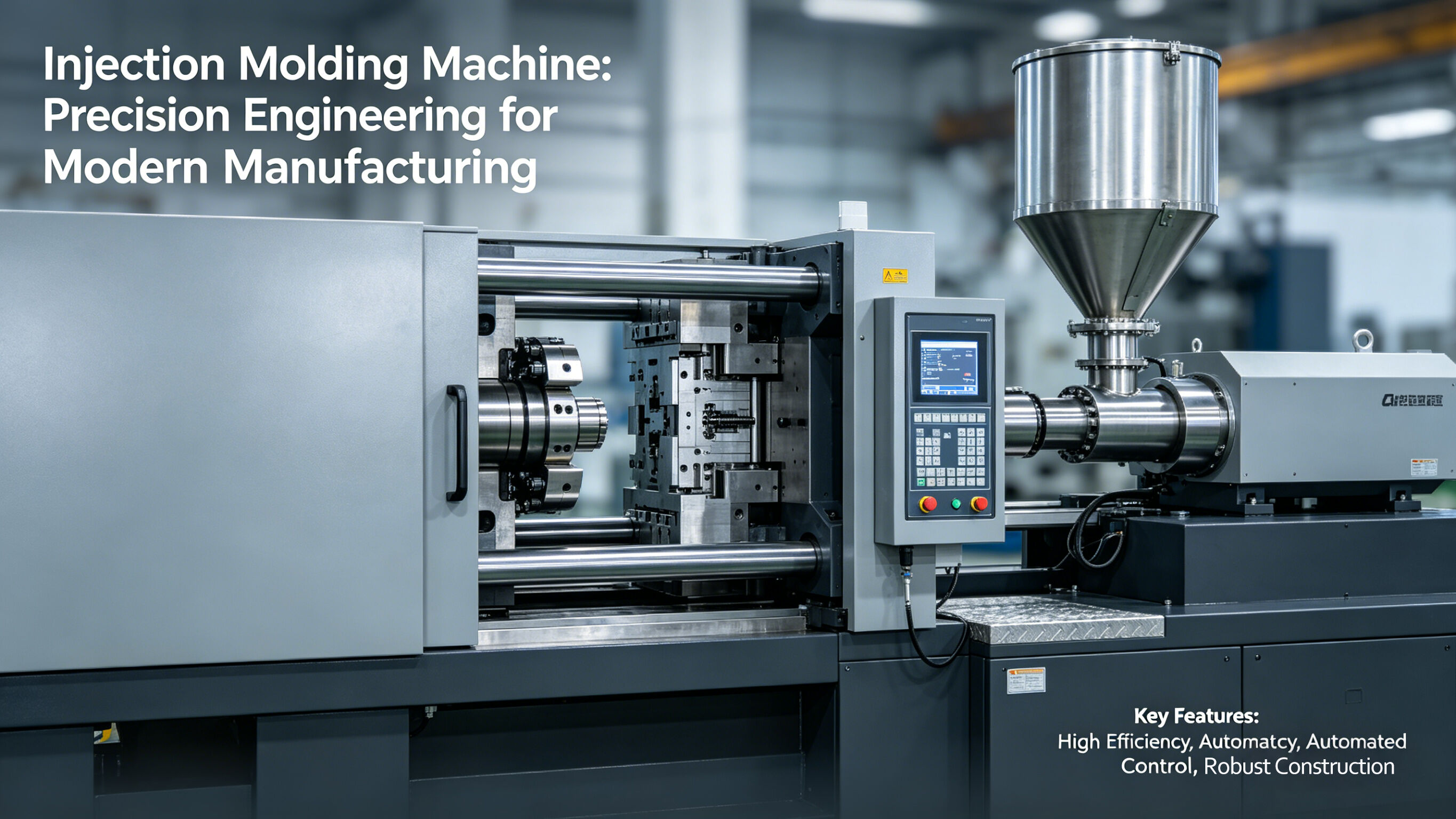
Abnormal noise is one of the most common and troublesome issues in injection molding workshops. New machines operate quietly, but squeaking, buzzing, clicking, and high-speed jitter will appear after several months of operation. Most operators directly judge the ball screw as damaged, while 80% of abnormal noise problems can be fixed without screw replacement.
This article summarizes a complete classification of ball screw abnormal noises, root causes, quick troubleshooting steps, and professional repair solutions, compatible with all mainstream electric injection molding machine brands including Haitian, Fanuc, Sumitomo, Arburg, and Yizumi.
1. Four Typical Abnormal Noise Types & Accurate Root Causes
1.1 Continuous Squeaking Friction Noise (Most Common)
Causes: Insufficient lubrication, grease carbonization, and dust entering the screw raceway
The high-temperature operating environment of injection molding machines easily dries up and invalidates ordinary lubricants, resulting in dry friction between steel balls and raceways and generating uniform squeaking sound.
Solutions: Clean residual old grease, replace with special high-temperature resistant lubricant, and inspect dustproof sealing components.
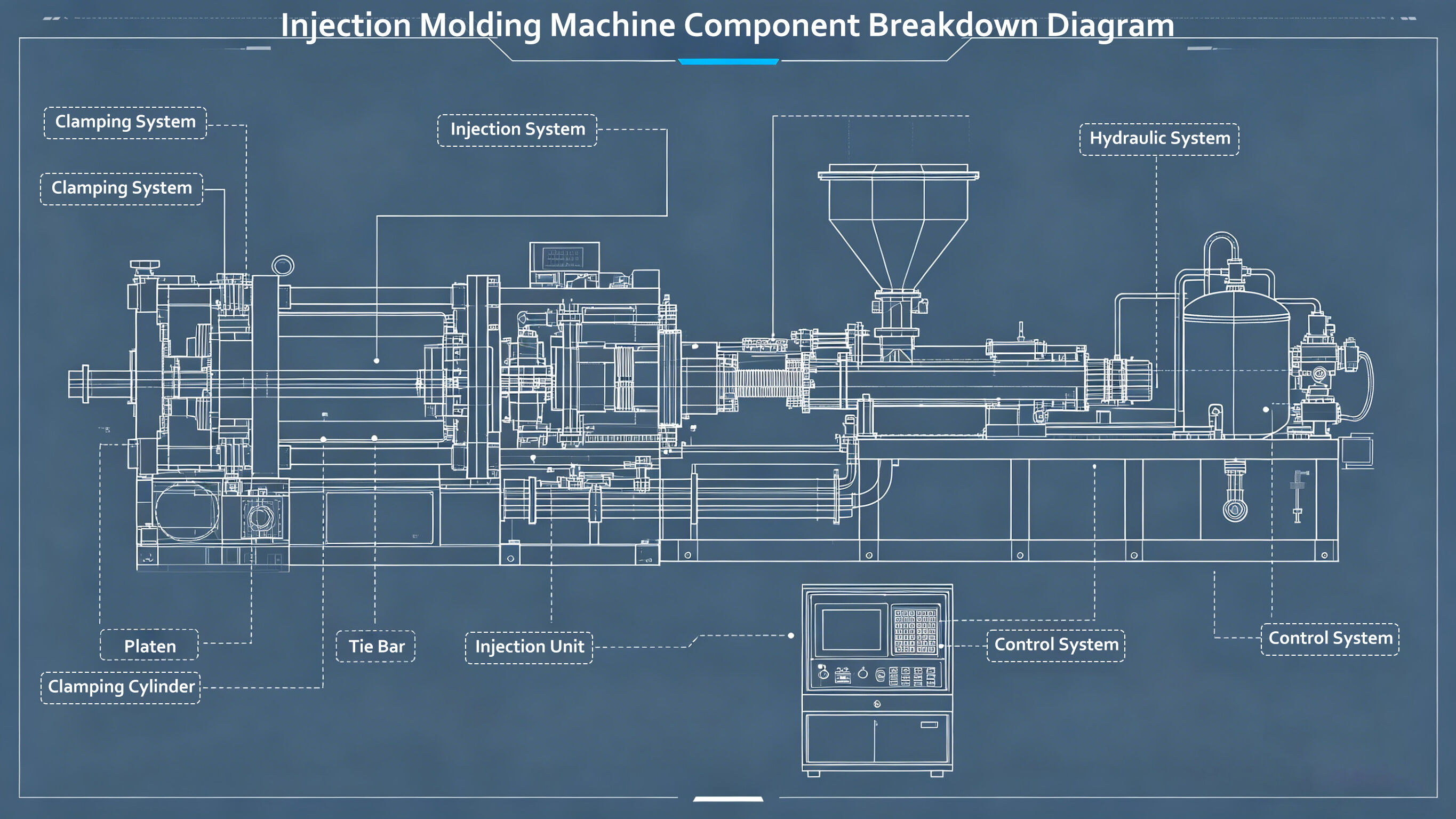
1.2 High-Frequency Buzzing & High-Speed Harsh Noise
Causes: Unsmooth high-speed circulation, slight wear of ball reverser, and stuck steel ball movement
This fault mostly occurs on high-speed injection shafts, belonging to typical circulation structure wear failure.
Solutions: Replace worn ball reversers and select ball screws optimized for high-speed operation.
1.3 Clicking Impact Noise & Reversing Abnormal Sound
Causes: Preload failure, increased axial backlash, and impact idle travel during direction reversal
This sound indicates enlarged screw clearance, serving as an obvioussign of precision attenuation.
Solutions: Readjust screw preload; replace the nut assembly if severe wear occurs.
1.4 Vibration & Low-Frequency Roaring Noise
Causes: Shaft misalignment, parallelism deviation of guide rails, and eccentric force on the linear motion module
This is not a quality problem of the ball screw itself but an assembly precision error, which even exists on some factory-new machines.
Solutions: Recalibrate shaft concentricity and correct guide rail parallelism.
2. 3-Step Quick Troubleshooting Method (Factory Direct Application)
Step 1: Locate the noise position
Confirm whether the abnormal sound comes from the injection shaft, clamping shaft, or ejection shaft to lock the corresponding load working condition.
Step 2: Judge the correlation with operating speed
Low-speed noise = clearance or assembly deviation problem; High-speed noise = lubrication failure or circulation structure blockage problem.
Step 3: Check temperature sensitivity
Noise intensifying with rising temperature = lubricant high-temperature failure and poor thermal deformation matching.
3. Replacement Judgment Standard (Loss Control Rules)
-
Persistent clicking noise during reversing that cannot be fixed by preload adjustment
-
Obvious pitting, peeling, and uneven surface on the screw raceway
-
Continuous excessive positioning deviation leading to reduced product yield
-
Severe high-speed vibration and complete lubrication failure
4. Long-Term Maintenance Rules to Eliminate Abnormal Noise
-
Never use ordinary grease for injection machine ball screws; always adopt high-temperature and load-resistant special lubricants
-
Regularly inspect dustproof seals to prevent plastic dust from abrading raceways and steel balls
-
Avoid long-term full-speed and full-load impact operation
-
Conduct precision re-inspection and preload calibration for new machines every 3 months
Conclusion: Abnormal noise does not equal screw damage. Most faults stem from poor lubrication, failed sealing, inaccurate assembly, and improper preload. Accurate troubleshooting can effectively reduce replacement costs and avoid unnecessary production downtime caused by blind part replacement.