 EN
 AR
 BG
 CS
 DA
 NL
 FI
 FR
 DE
 EL
 HI
 IT
 JA
 KO
 NO
 PL
 PT
 RU
 ES
 SV
 TL
 ID
 UK
 VI
 HU
 TH
 TR
 FA
 AF
 MS
 SW
 GA
 CY
 BE
 KA
 LA
 MY
 TG
 UZ


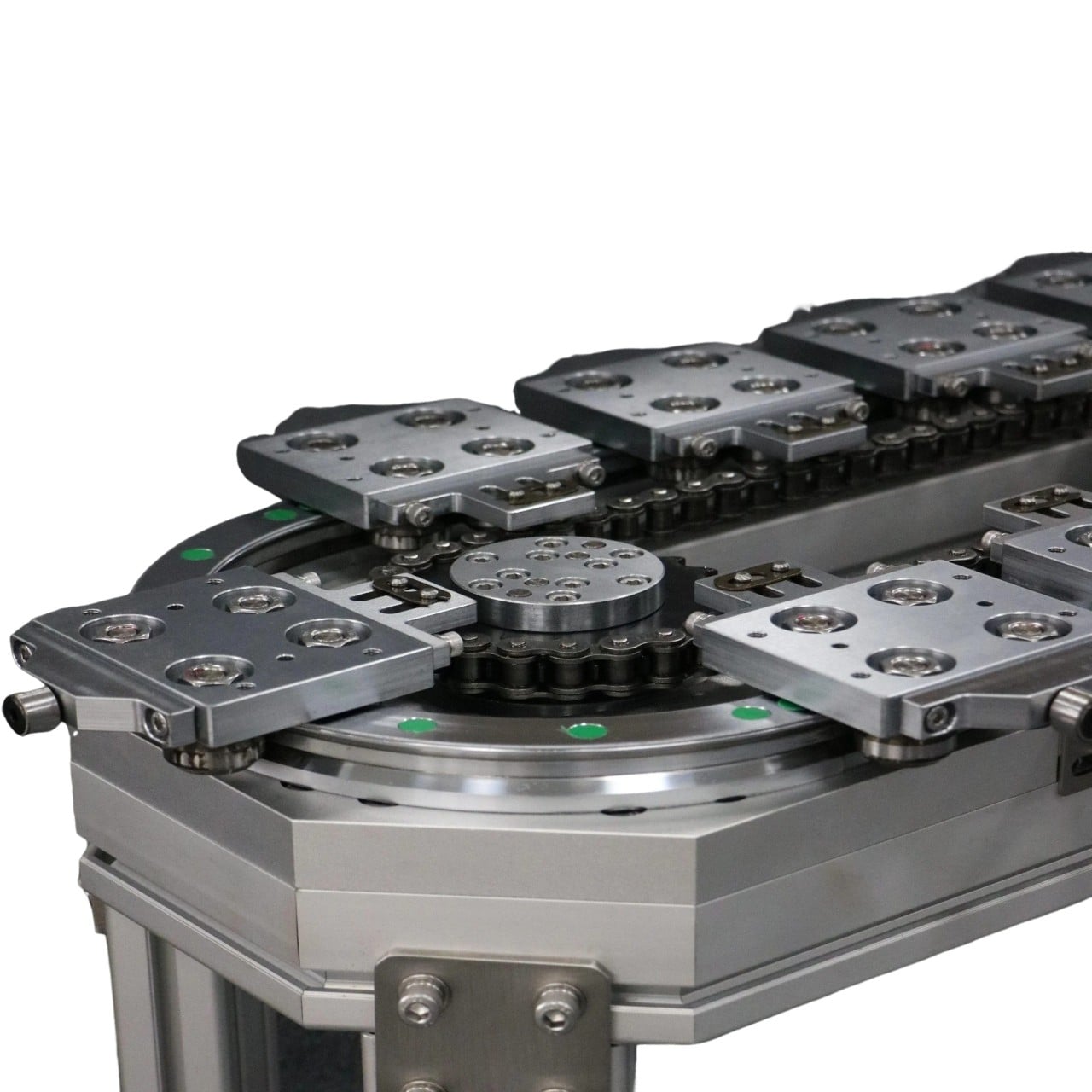
For automation mechanical designers, curved guide rails (also known as arc rails or circular guide rails) solve a classic motion challenge: moving workpieces smoothly along non-straight paths without complex linkages, cams or rotary tables. While standard linear guides dominate straight reciprocating motion, arc guide systems deliver continuous rolling motion for circular, oval, rectangular loop and vertical curved layouts, which are widely used in packaging, battery assembly, medical testing, 3C inspection and automated transfer lines.
The first critical parameter when specifying a curved rail is the radius and diameter. Many engineers treat radius as a trivial dimension, but it directly affects carriage fit, load distribution, maximum speed and repeatable positioning. A small-radius arc rail creates higher side thrust on rolling blocks; if the radius is too tight, standard linear carriages will bind, wear fast or lose preload. Suppliers usually offer standard radius options such as 150 mm, 200 mm, 300 mm, 500 mm, while custom radius and custom diameter curved rails are available for bespoke machine frames. When you request quotation, clearly separate rail radius from overall track diameter: the diameter refers to the full circle outer dimension, while radius defines the bend curvature of the single arc segment.
Next comes track shape classification. The most common type is the circular arc rail, including 90°, 180° arc segments and full-circle rails for rotary indexing stations. The second popular layout is rectangular loop curved rail, assembled by four 90-degree arc corners plus straight linear rail sections. Rectangular loop systems are extremely popular for continuous flow assembly lines, because they save footprint and allow multiple fixtures to run synchronously around the closed loop. Many customers prefer rectangular loops over pure circular rails, as straight sections leave room for fixed tooling, vision inspection stations and manual loading ports.
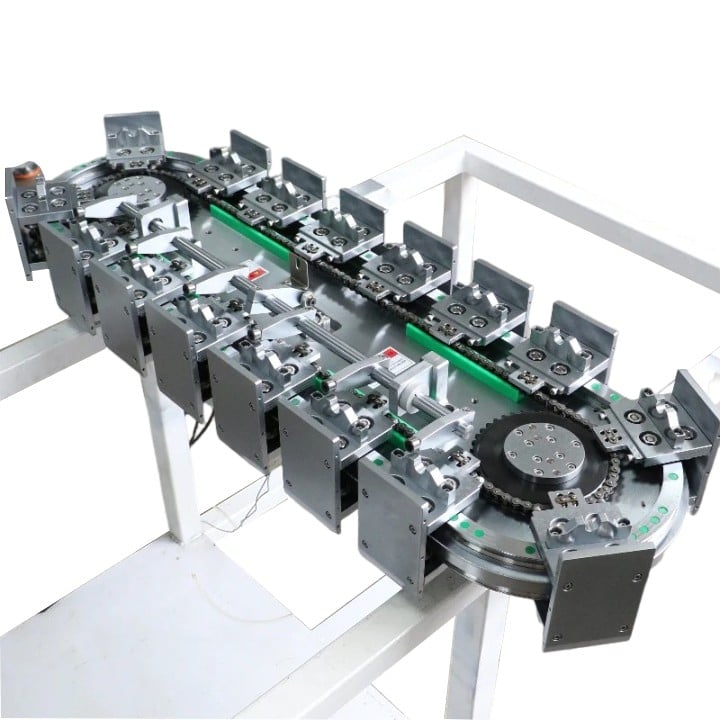
Vertical curved guide rails are another frequently requested variant, different from the common horizontal mounting configuration. Vertical arc rails carry gravity loads in a different direction, so preload class, lubrication method and carriage locking structure must be adjusted. Engineers often overlook gravity offset on vertical curved tracks, leading to uneven wear and noise during high-speed cycling. Vertical curved rails are typical in lifting transfer mechanisms, door transfer units and vertical carousel handling equipment.
For special machine layouts, special profile / irregular curved rails are required. These non-standard arcs may include S-curves, multi-radius combined tracks, offset curved paths and asymmetric bends. Unlike standard fixed-curvature arc rails, special profile curved rails need one-off machining and strict raceway grinding control to maintain consistent rolling contact along the whole travel path. This category is the main custom product line for high-end automation integrators.
When comparing options, three practical factors should always be checked together: load rating, operating speed and environment. Sealed carriages are recommended for dusty battery and food packaging workshops. Hardened raceway surface treatment extends service life for heavy-cycle continuous production.
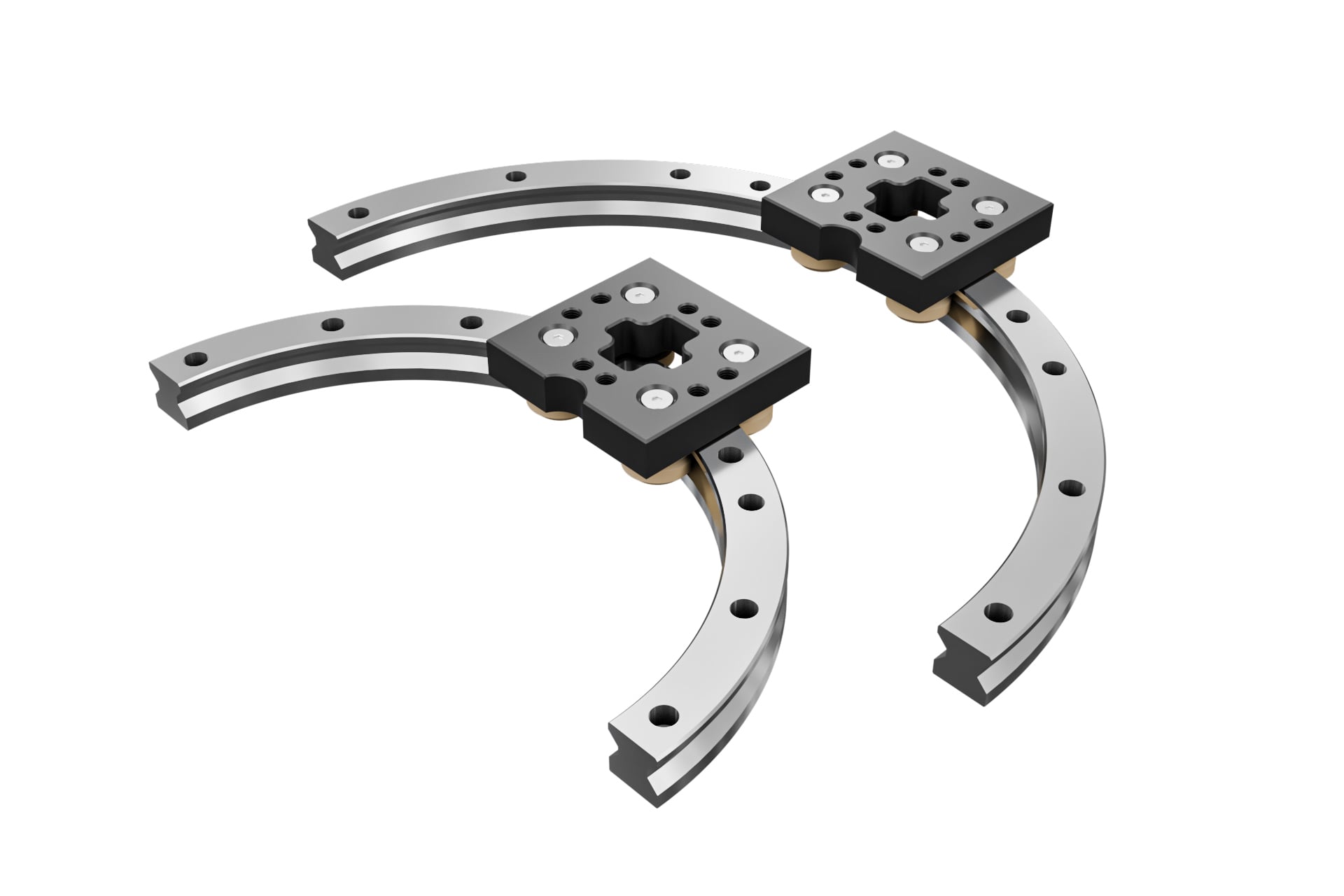
To sum up: start your curved rail specification with radius and diameter, then confirm track topology (circular, rectangular loop, vertical or special profile), then define load direction and mounting orientation. Providing clear dimension drawings to your motion supplier will avoid iteration delays and help you get a stable, long-life arc guide system for your automated machine.