EN
EN
 AR
AR
 BG
BG
 CS
CS
 DA
DA
 NL
NL
 FI
FI
 FR
FR
 DE
DE
 EL
EL
 HI
HI
 IT
IT
 JA
JA
 KO
KO
 NO
NO
 PL
PL
 PT
PT
 RU
RU
 ES
ES
 SV
SV
 TL
TL
 ID
ID
 UK
UK
 VI
VI
 HU
HU
 TH
TH
 TR
TR
 FA
FA
 AF
AF
 MS
MS
 SW
SW
 GA
GA
 CY
CY
 BE
BE
 KA
KA
 LA
LA
 MY
MY
 TG
TG
 UZ
UZ


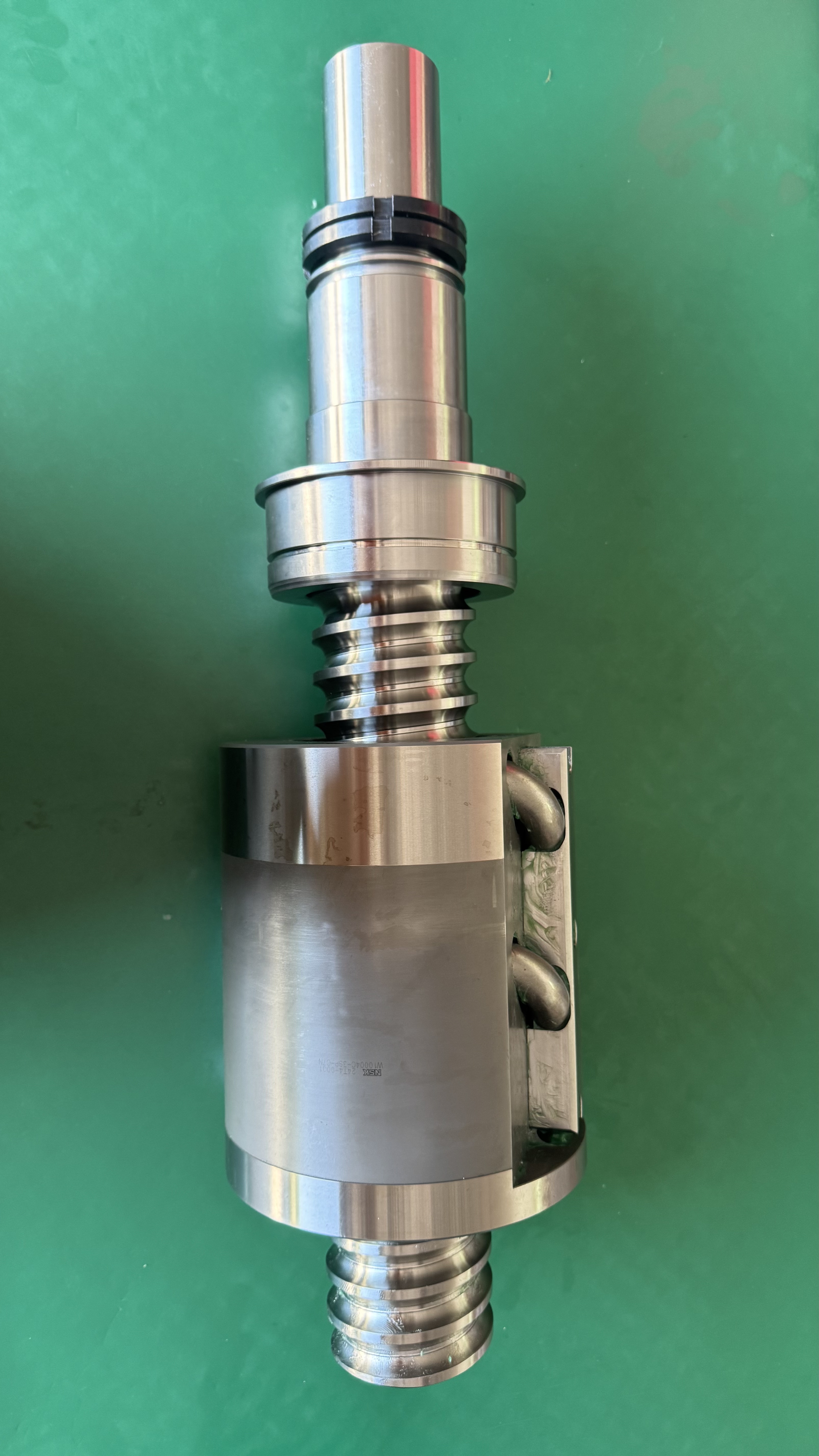
The injection molding industry has undergone a significant transformation from traditional hydraulic systems to electric servo-driven machines, with ball screws emerging as the cornerstone of precision motion control. For engineers and technical decision-makers, understanding how ball screws integrate with injection molding machine architecture and deliver performance advantages is critical for optimizing production efficiency, product quality, and operational reliability.
1. Injection Molding Machine Core Structure and Ball Screw Applications
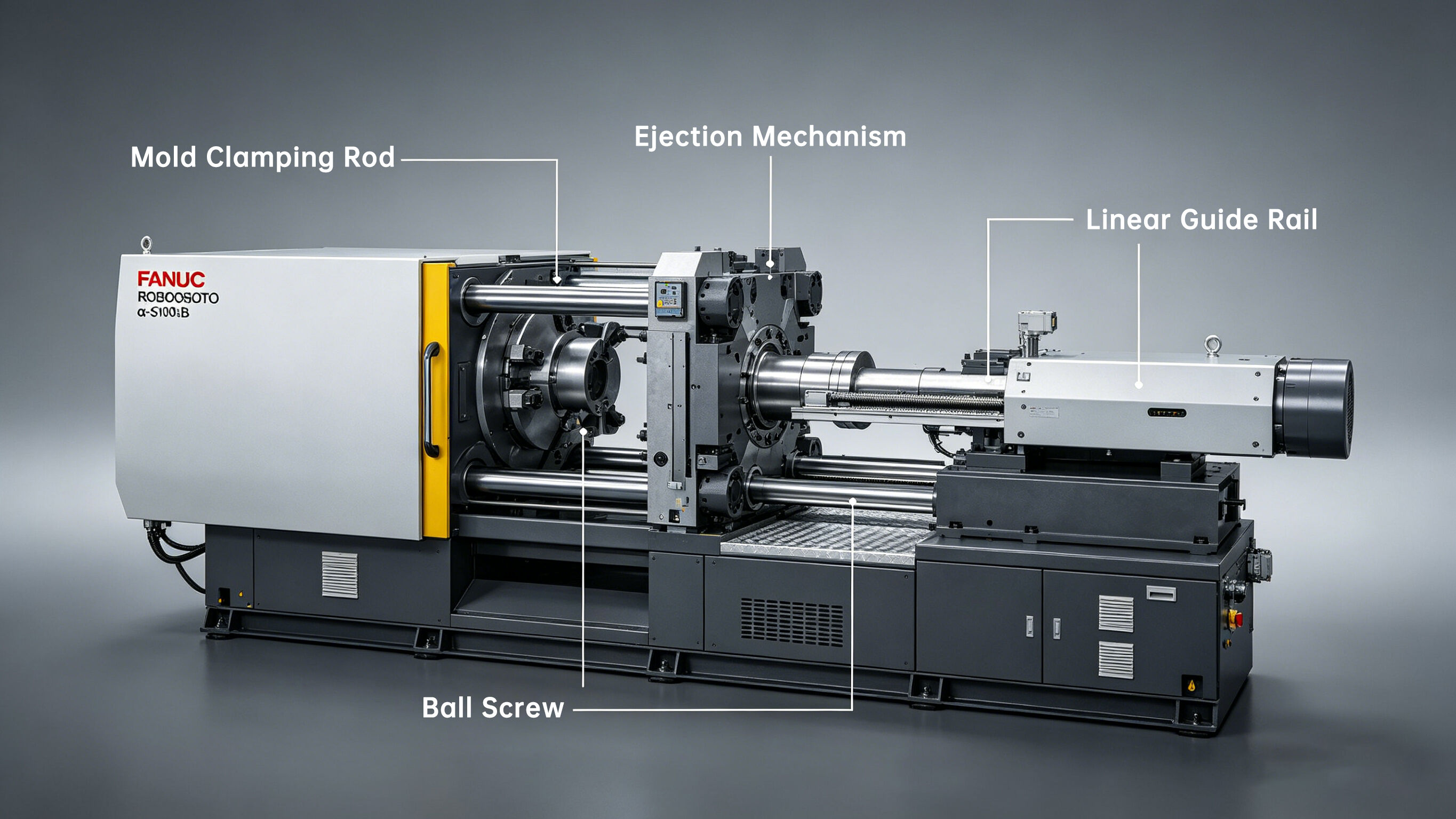
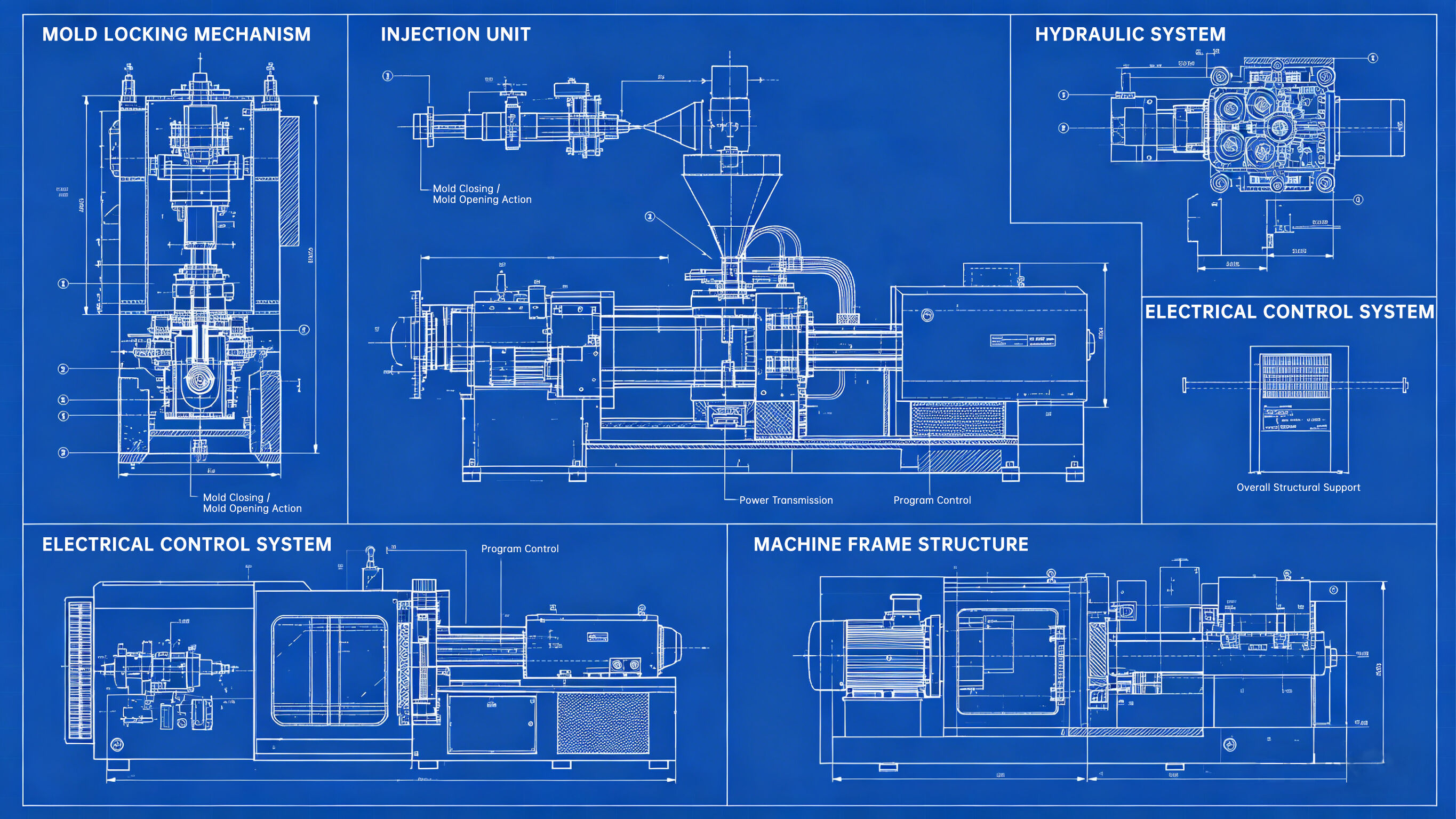
Modern injection molding machines rely on three critical subsystems, each leveraging ball screws for precise motion control: clamping, injection, and ejection units. These components work in tandem to ensure consistent, high-quality plastic part production.
1.1 Clamping System
The clamping system requires ball screws capable of handling extreme loads (50 kN to 15,000 kN) while maintaining micron-level precision. High-load ball screws, with diameters up to 160 mm and dynamic load ratings up to 1440 kN, are specifically designed for this application. These screws feature optimized thread geometries and circulation systems to withstand the enormous forces generated during mold closure, ensuring stable positioning and minimal backlash. For example, FANUC ROBOSHOT series machines use high-precision ball screws to achieve clamping force accuracy of ±0.005mm, critical for preventing mold damage and ensuring part consistency.
1.2 Injection System
The injection system demands ball screws that balance high-speed operation and precise positioning. These screws must accommodate injection speeds up to 1600 mm/s during material delivery and precise rotational control during plasticization. Specialized high-speed ball screws (e.g., NSK HTF series) feature heat-resistant materials and advanced recirculation systems, achieving permissible d-n values of 200,000 and operating temperatures up to 100°C. This enables electric injection machines to achieve injection position accuracy of 0.01 mm, ensuring consistent material metering and part dimensional integrity.
1.3 Ejection System
Ejection systems utilize compact, reliable ball screws (12-25 mm diameter) to ensure gentle, precise part removal. These screws operate in confined spaces, requiring low lubrication and minimal noise. They typically handle ejection forces that are 1/15 to 1/30 of total clamping load, with dual-ball-screw configurations ensuring synchronized motion to prevent part damage. The precision of these screws directly impacts cycle time and scrap rates, making them essential for high-volume production.
2. Ball Screw Technical Specifications for Injection Molding
Engineers must select ball screws based on precision grades, load capacity, and environmental requirements to match injection molding machine demands.
2.1 Precision Grades
Ball screws follow international standards (ISO 3408, JIS B1192) with precision grades ranging from C0 (highest) to C10 (lowest). Injection molding applications typically use C3-C5 grades: C3 (±5-10 μm precision) for high-precision machines, and C5 (±10-20 μm precision) for standard applications. These grades ensure consistent positioning repeatability, critical for maintaining tight part tolerances.
2.2 Load Capacity and Durability
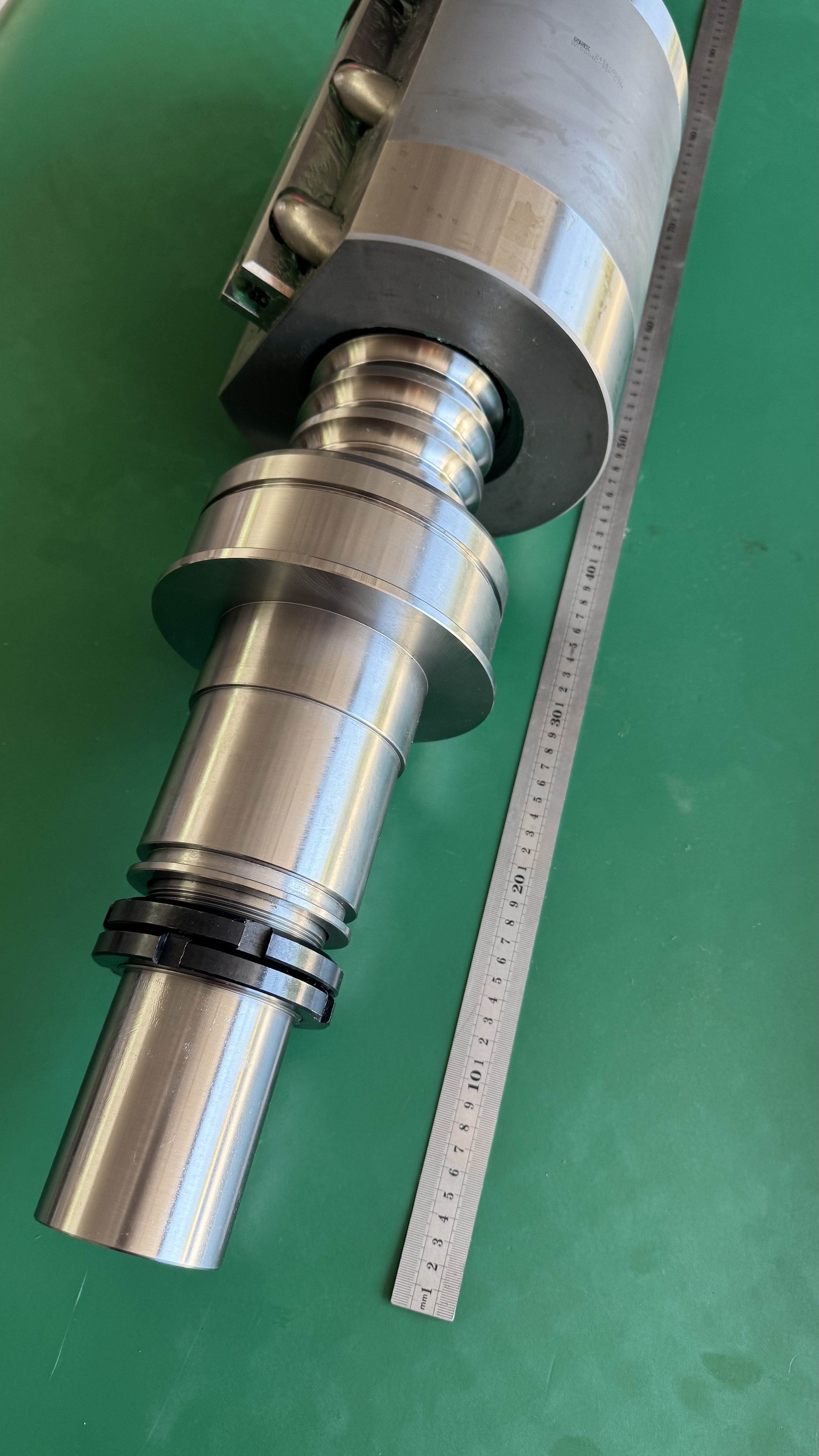
Load capacity is determined by ball diameter, number of load-carrying balls, and contact area. High-load ball screws feature unique thread designs that increase load capacity by 4-8 times compared to conventional models. With proper lubrication (e.g., NSK K1 lubrication units), these screws achieve service lives up to 8 times longer than standard alternatives, reducing maintenance downtime and replacement costs.
2.3 Material and Heat Treatment
Ball screws for injection molding are manufactured from high-quality alloy steels (e.g., JIS G4051) and heat-treated to HRC 58-62 for wear resistance. Advanced surface treatments (nitriding, DLC coatings) enhance corrosion resistance and reduce friction, ensuring reliable operation in harsh manufacturing environments.
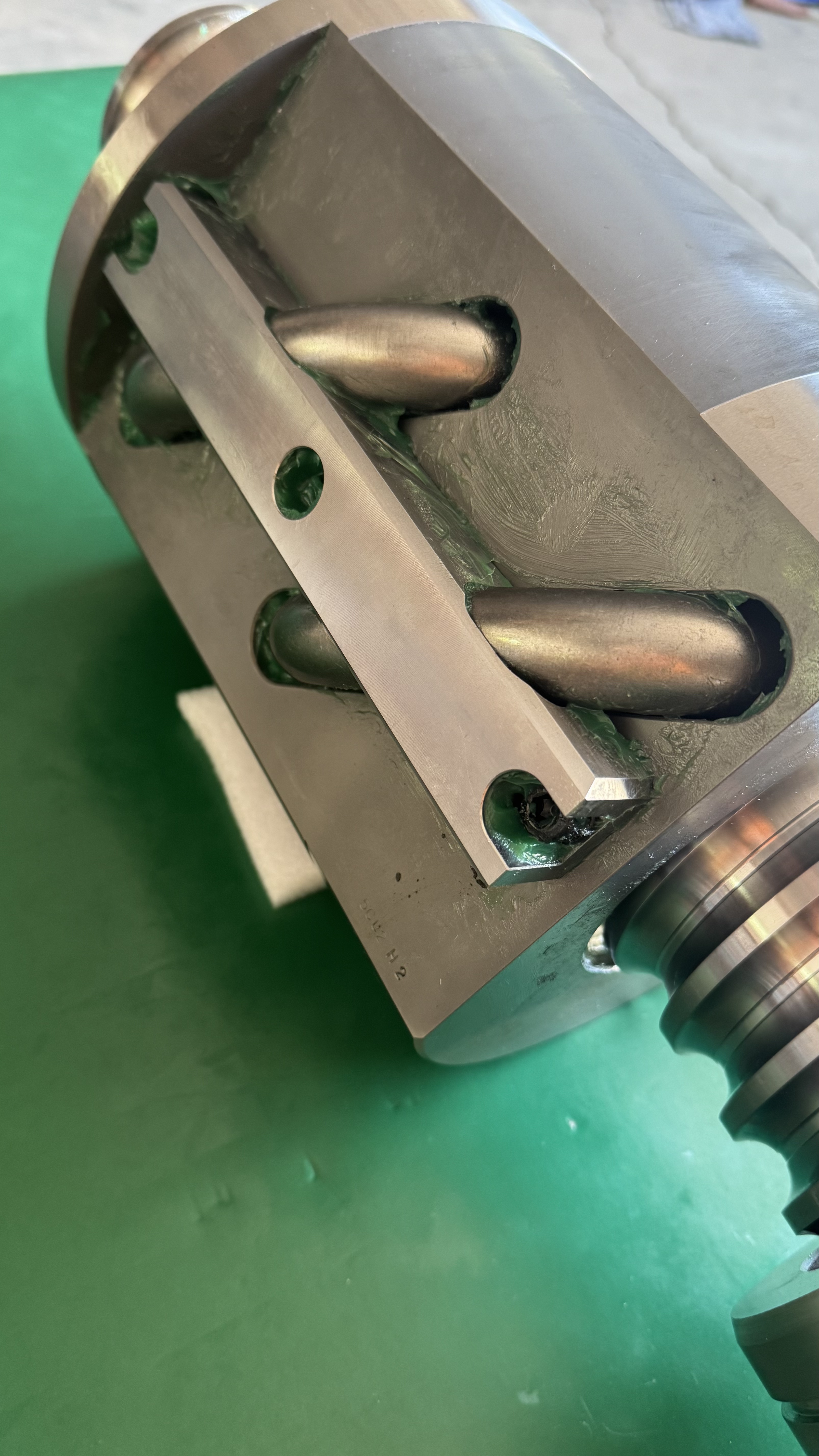
3. Performance Advantages for Engineers
Ball screws offer distinct benefits that directly address the needs of technical decision-makers:
- Energy Efficiency: 93-95% mechanical efficiency (vs. 50-70% for lead screws) reduces energy consumption by up to 60%, lowering operational costs.
- Precision and Repeatability: Micron-level positioning accuracy ensures consistent part quality, minimizing scrap rates and rework.
- Durability: Extended service life and low maintenance requirements reduce downtime, critical for high-volume production.
- High-Speed Capability: Speeds up to 1600 mm/s enable faster cycle times, improving production throughput.
4. Maintenance and Troubleshooting
Preventive maintenance is key to maximizing ball screw performance. Common failure modes include lubrication issues, overload, and contamination. Engineers should implement regular lubrication checks, load monitoring, and contamination control (via advanced sealing systems) to extend service life. When replacement is needed, modern ball screws feature interchangeable designs, enabling easy retrofits without machine modifications.
5. Conclusion
Ball screws are indispensable components in modern injection molding machines, enabling the precision, efficiency, and reliability required for advanced manufacturing. For engineers and technical decision-makers, selecting the right ball screw—matched to the machine’s clamping, injection, and ejection requirements—directly impacts production outcomes. By leveraging high-performance ball screws, manufacturers can achieve superior part quality, reduce operational costs, and maintain a competitive edge in the global marketplace.