EN
EN
 AR
AR
 BG
BG
 CS
CS
 DA
DA
 NL
NL
 FI
FI
 FR
FR
 DE
DE
 EL
EL
 HI
HI
 IT
IT
 JA
JA
 KO
KO
 NO
NO
 PL
PL
 PT
PT
 RU
RU
 ES
ES
 SV
SV
 TL
TL
 ID
ID
 UK
UK
 VI
VI
 HU
HU
 TH
TH
 TR
TR
 FA
FA
 AF
AF
 MS
MS
 SW
SW
 GA
GA
 CY
CY
 BE
BE
 KA
KA
 LA
LA
 MY
MY
 TG
TG
 UZ
UZ


Ball screws are the core component of precision linear motion systems, widely used in CNC machines, industrial robots, semiconductor equipment, and automated production lines. For engineers, buyers, and automation professionals, choosing the right ball screw and maintaining it properly directly affects equipment efficiency, precision, and service life.
This blog is designed to provide practical, actionable information about ball screws—covering key knowledge, selection methods, maintenance tips, and common problems—helping you make informed decisions and optimize your linear motion system. It’s also optimized for Google search, ensuring your team can quickly find the answers you need.
What Is a Ball Screw?
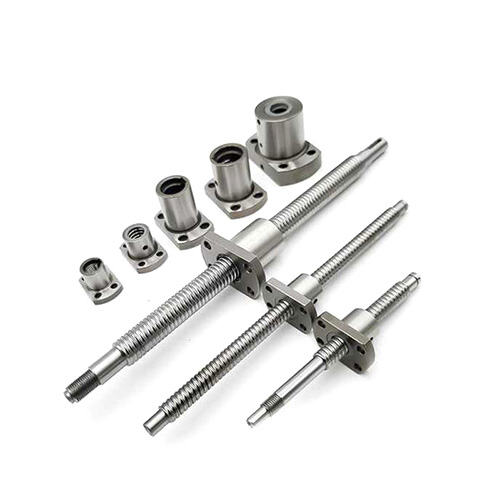
A ball screw is a mechanical component that converts rotational motion into linear motion (or vice versa) using high-precision steel balls as rolling elements between the screw shaft and nut. Compared to traditional lead screws, ball screws have the advantages of low friction, high efficiency, high precision, and long service life—making them indispensable for modern industrial automation.
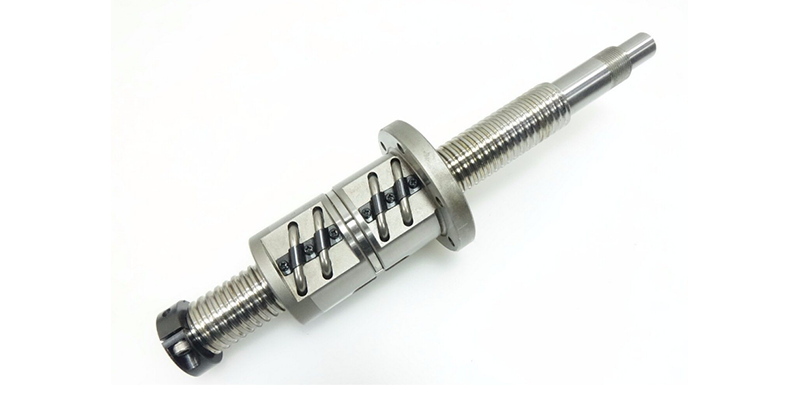
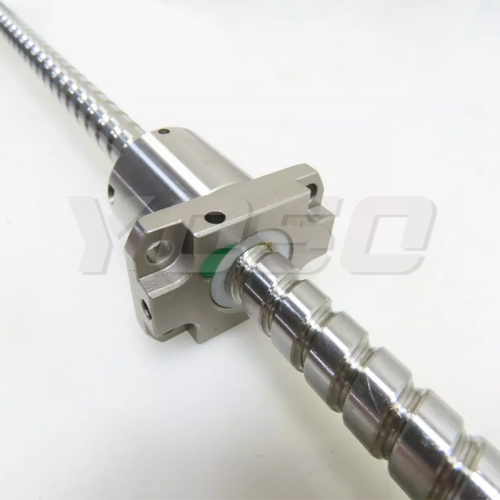
The core structure of a ball screw includes: screw shaft, nut, steel balls, recirculation system, and sealing device. Each component works together to ensure smooth, precise motion and load-bearing capacity.
Key Types of Ball Screws
Different industrial scenarios require different types of ball screws. Understanding the main types helps you quickly match your application needs:
-
Rolled Ball Screw: Cost-effective, suitable for general automation scenarios (e.g., packaging machinery, conveyor lines) with moderate precision requirements.
-
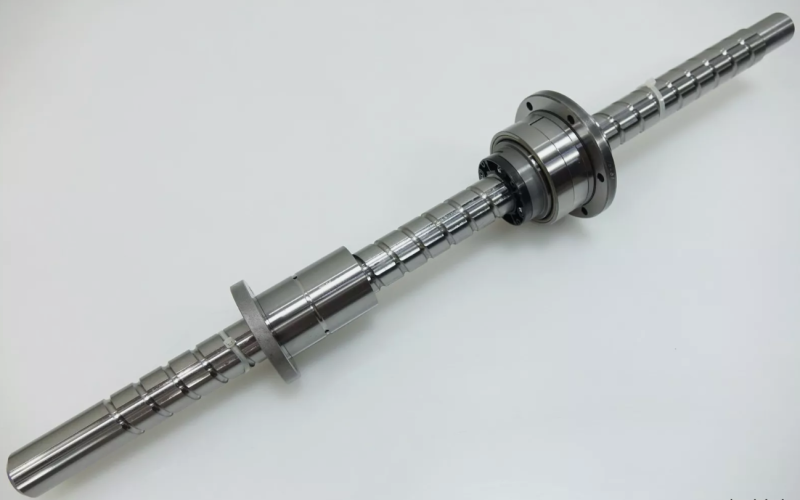
Ground Ball Screw: High precision (micron level), used in high-precision equipment (e.g., CNC machine tools, semiconductor testing equipment).
-
Single-Nut Ball Screw: Simple structure, small size, suitable for space-limited applications; optional preload to reduce backlash.
-
Double-Nut Ball Screw: High rigidity, adjustable preload, ideal for heavy-load, high-precision scenarios (e.g., robotic arms, precision machining).
3 Critical Steps to Choose the Right Ball Screw
Choosing the wrong ball screw leads to equipment failure, increased maintenance costs, and reduced productivity. Follow these 3 steps to select the perfect model:
1. Calculate Load Requirements
Determine the dynamic load (load during movement) and static load (load at rest) of your equipment. The ball screw’s rated load must be 1.5–2 times the actual load to ensure long-term stability. Avoid overloading or underloading—both shorten service life.
2. Match Lead and Precision
Lead (distance traveled per screw rotation) affects speed and precision: small lead = high precision + low speed; large lead = high speed + moderate precision. For high-precision tasks (e.g., CNC machining), choose a small lead; for high-speed automation (e.g., packaging), choose a large lead.
3. Consider Working Environment
Harsh environments (dust, moisture, high temperature) require ball screws with good sealing and corrosion resistance. Choose sealed ball screws or add protective covers to prevent contamination and extend service life.
5 Easy Maintenance Tips to Extend Ball Screw Life
Proper maintenance can extend the service life of ball screws by 50% or more. These simple tips are easy to implement in daily operations:
-
Regular Lubrication: Use special ball screw grease/oil, and replenish every 1–3 months (more frequently for heavy use) to reduce friction and wear.
-
Keep Clean: Regularly remove dust, metal chips, and debris around the ball screw to avoid raceway scratches.
-
Check Alignment: Periodically check the alignment of the screw shaft and support bearings; misalignment causes uneven wear and noise.
-
Monitor Temperature: Abnormal overheating indicates lubrication failure or overloading—stop operation and check immediately.
-
Replace Worn Parts: If you find backlash, noise, or positioning errors, replace worn steel balls or seals in time to avoid further damage.
Common Ball Screw Problems & Solutions
Even with proper selection and maintenance, ball screws may encounter problems. Here are the most common issues and quick solutions:
-
Problem: Positioning errors → Solution: Check alignment, adjust preload, or replace worn parts.
-
Problem: Excessive noise → Solution: Add lubrication, check for contamination, or adjust alignment.
-
Problem: Short service life →Solution: Verify load matching, improve lubrication, and enhance sealing.
Why Choose YOSO Ball Screws
As a professional linear motion solution provider, YOSO ball screws are designed for Google-friendly practicality and industrial reliability. Our advantages include:
-
High-precision manufacturing: Ground ball screws with micron-level accuracy, suitable for all high-precision scenarios.
-
Customizable solutions: Support custom lead, diameter, preload, and length to match your unique needs.
-
Durable quality: Made of high-strength bearing steel (SUJ2), quenched to 58–62 HRC for long service life.
-
Global support: Fast delivery, professional technical guidance, and after-sales service for 30+ countries.
Final Thoughts
Ball screws are the key to precision linear motion in industrial automation. By choosing the right type, following proper maintenance, and solving problems in time, you can optimize equipment performance and reduce costs. This guide covers all core knowledge of ball screws, helping you quickly master the essentials.
If you need help selecting a ball screw or solving related problems, contact YOSO’s technical team for free consultation and customized solutions.