 EN
EN
 AR
AR
 BG
BG
 CS
CS
 DA
DA
 NL
NL
 FI
FI
 FR
FR
 DE
DE
 EL
EL
 HI
HI
 IT
IT
 JA
JA
 KO
KO
 NO
NO
 PL
PL
 PT
PT
 RU
RU
 ES
ES
 SV
SV
 TL
TL
 ID
ID
 UK
UK
 VI
VI
 HU
HU
 TH
TH
 TR
TR
 FA
FA
 AF
AF
 MS
MS
 SW
SW
 GA
GA
 CY
CY
 BE
BE
 KA
KA
 LA
LA
 MY
MY
 TG
TG
 UZ
UZ


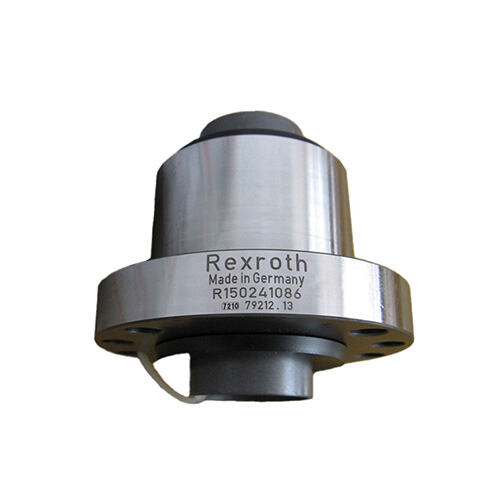
Ball screws are the unsung workhorses of precision linear motion—found in CNC machines, industrial robots, semiconductor equipment, and hundreds of automated systems worldwide. But even the most reputable ball screw will underperform, wear out prematurely, or drive up operational costs if selected, installed, or maintained incorrectly.
Too many engineers and buyers focus solely on diameter and length during selection, ignoring critical parameters that directly impact efficiency, lifespan, and precision. This blog breaks down the most costly ball screw mistakes, how to optimize performance, and how to choose the right solution for your unique automation needs.
Myth vs. Fact: Common Ball Screw Misconceptions
Before diving into selection and optimization, let’s debunk the most damaging myths that lead to poor equipment performance:
-
Myth: All ball screws deliver the same efficiency—only price matters. Fact: Efficiency varies drastically based on lead angle, preload, lubrication, and manufacturing quality; low-quality screws waste up to 40% more energy.
-
Myth: A bigger ball screw is always stronger and more reliable. Fact: Oversized screws increase inertia, slow down response times, and waste space and cost without added benefits.
-
Myth: Backlash doesn’t matter for non-precision applications. Fact: Even minor backlash accumulates over time, causing positioning errors and inconsistent production quality.
-
Myth: Any lubricant works for ball screws. Fact: Using the wrong grease or oil accelerates wear, creates friction, and shortens service life.
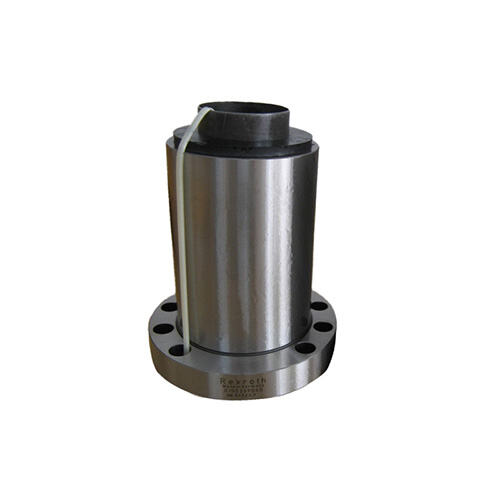
Top 5 Costly Ball Screw Mistakes (and How to Avoid Them)
These are the most frequent errors we see in the field, leading to downtime, replacements, and lost productivity—plus actionable fixes to protect your investment:
1. Ignoring Dynamic Load vs. Static Load Ratings
Many buyers only check static load capacity, but dynamic load (the load during movement) is the true indicator of lifespan. Using a screw rated only for static loads leads to raceway fatigue, ball breakage, and sudden failure mid-operation. Always calculate your actual dynamic load and select a screw with a sufficient safety margin (1.5–2x is standard).
2. Choosing the Wrong Lead for Speed & Precision
Lead (distance traveled per rotation) directly controls speed and resolution. A large lead boosts speed but reduces precision; a small lead improves accuracy but limits velocity. Mismatched lead leads to sluggish movement, overheating, or poor positioning. Match lead to your application: small leads for precision (CNC, measuring tools), large leads for high-speed automation (packaging, conveying).
3. Skipping Preload for Anti-Backlash Performance
Unpreloaded ball screws have natural backlash, which is fatal for applications requiring repeatable positioning. While preload slightly reduces efficiency, it eliminates play and ensures consistent accuracy. For high-precision tasks, opt for double-nut preload or single-nut offset preload designs to strike the perfect balance between rigidity and efficiency.
4. Poor Sealing & Contamination Control
Dust, metal chips, moisture, and debris are the biggest enemies of ball screws. Without proper seals (dust covers, bellows, or labyrinth seals), contaminants enter the raceway, causing scratches and uneven wear. This is especially critical in harsh manufacturing environments. Always choose sealed ball screws or add protective covers to extend service life by 30% or more.
5. Incorrect Installation & Alignment
Even a perfectly selected ball screw will fail if misaligned. Eccentric mounting, bent shafts, or misaligned support bearings create uneven stress, leading to noise, vibration, and premature wear. Take time to calibrate alignment during installation, and use precision support bearings to distribute stress evenly.
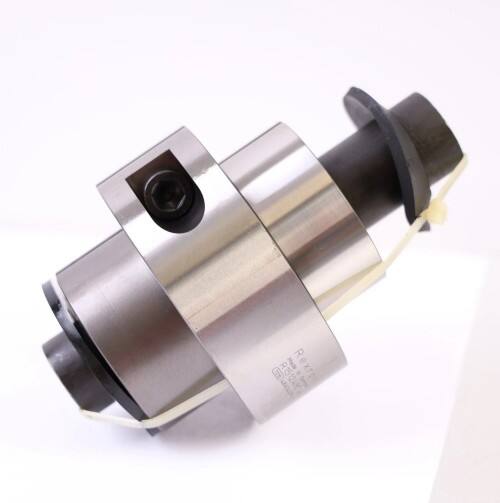
How to Maximize Ball Screw Efficiency & Lifespan
Optimizing your ball screw setup doesn’t have to be complicated—follow these proven tips to get peak performance:
-
Use Specified Lubrication: Use high-temperature, wear-resistant ball screw grease or oil, and replenish at regular intervals (every 1–3 months for heavy use).
-
Avoid Overloading: Never exceed rated dynamic/static loads, and account for shock loads in your calculations.
-
Monitor for Early Warning Signs: Unusual noise, increased heat, positioning errors, or jerky movement indicate wear—address issues immediately to avoid full failure.
-
Choose Quality Manufacturing: Opt for ground (not rolled) ball screws for high-precision tasks, and verify hardness (58–62 HRC) and material quality (SUJ2/100Cr6 bearing steel).
Is It Time to Replace Your Ball Screw?
Not sure whether to repair or replace? Look for these red flags:
-
Persistent backlash that can’t be fixed with preload adjustment
-
Visible raceway damage, pitting, or ball wear
-
Consistent positioning errors outside your tolerance range
-
Excessive noise/vibration despite proper lubrication and alignment
Replacing a worn ball screw is far more cost-effective than continuing to operate with a faulty component, which can damage other equipment parts and halt production.
Why YOSO Ball Screws Are Built for Performance
YOSO designs ball screws to eliminate common pain points and deliver long-lasting, efficient performance for demanding automation applications. Our ball screws feature:
-
Precision-ground raceways for ultra-smooth movement and minimal friction
-
Customizable lead, diameter, preload, and backlash to match your exact needs
-
Integrated high-density seals for contamination resistance
-
Strict quality testing for consistent accuracy and durability
-
Factory-direct pricing and fast lead times for standard and custom orders
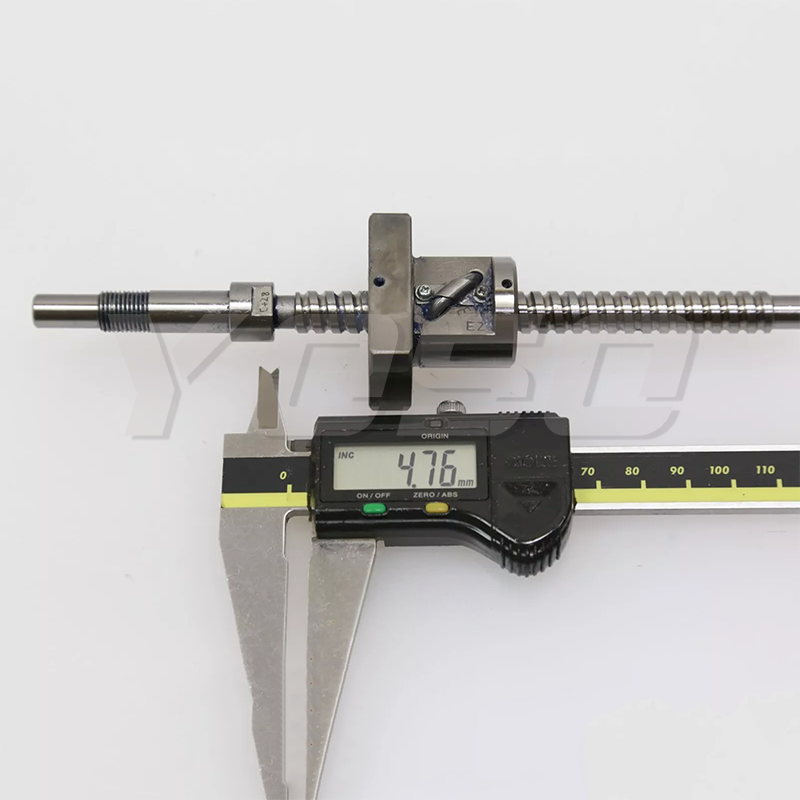
Final Thoughts
Ball screws are more than just a component—they’re a critical investment in your automation equipment’s reliability and efficiency. By avoiding common selection mistakes, prioritizing proper installation, and following routine maintenance, you can maximize lifespan, reduce downtime, and get the most out of your linear motion system.
Don’t let poor ball screw performance hold back your automation. Choose a solution engineered for precision, durability, and efficiency.
Get a Custom Ball Screw Consultation
Unsure which ball screw specs fit your application? Share your load, speed, precision, and space requirements with YOSO for a free selection guide and personalized quote.
#BallScrew #LinearMotion #AutomationTips #CNCMachinery #PrecisionEngineering #YOSO #IndustrialAutomation