 EN
EN
 AR
AR
 BG
BG
 CS
CS
 DA
DA
 NL
NL
 FI
FI
 FR
FR
 DE
DE
 EL
EL
 HI
HI
 IT
IT
 JA
JA
 KO
KO
 NO
NO
 PL
PL
 PT
PT
 RU
RU
 ES
ES
 SV
SV
 TL
TL
 ID
ID
 UK
UK
 VI
VI
 HU
HU
 TH
TH
 TR
TR
 FA
FA
 AF
AF
 MS
MS
 SW
SW
 GA
GA
 CY
CY
 BE
BE
 KA
KA
 LA
LA
 MY
MY
 TG
TG
 UZ
UZ


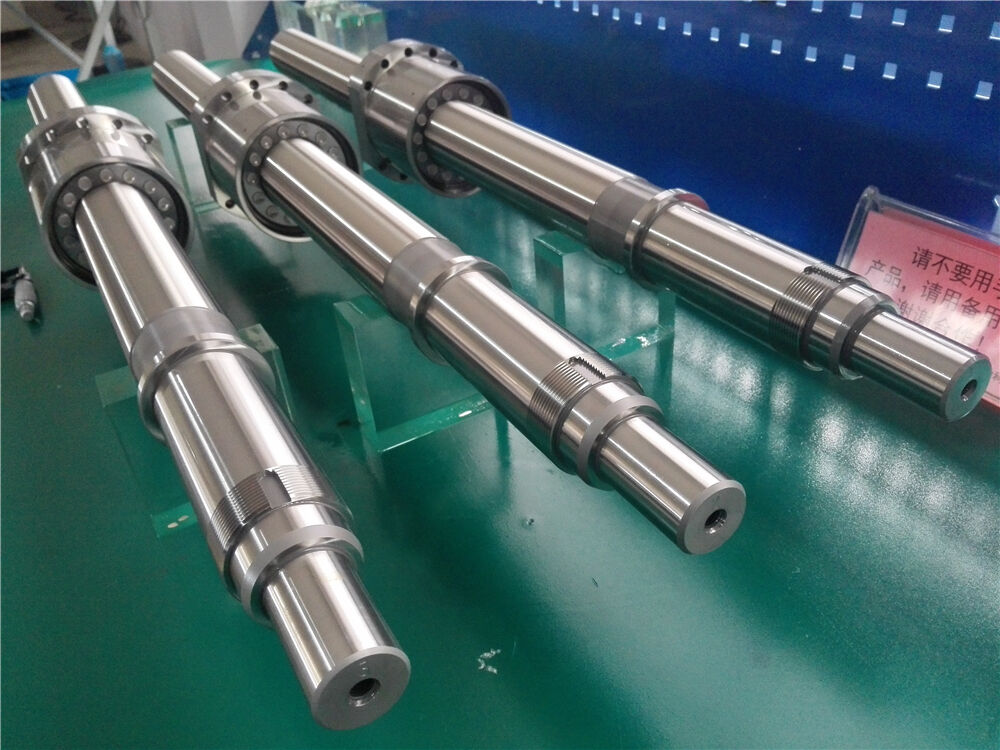
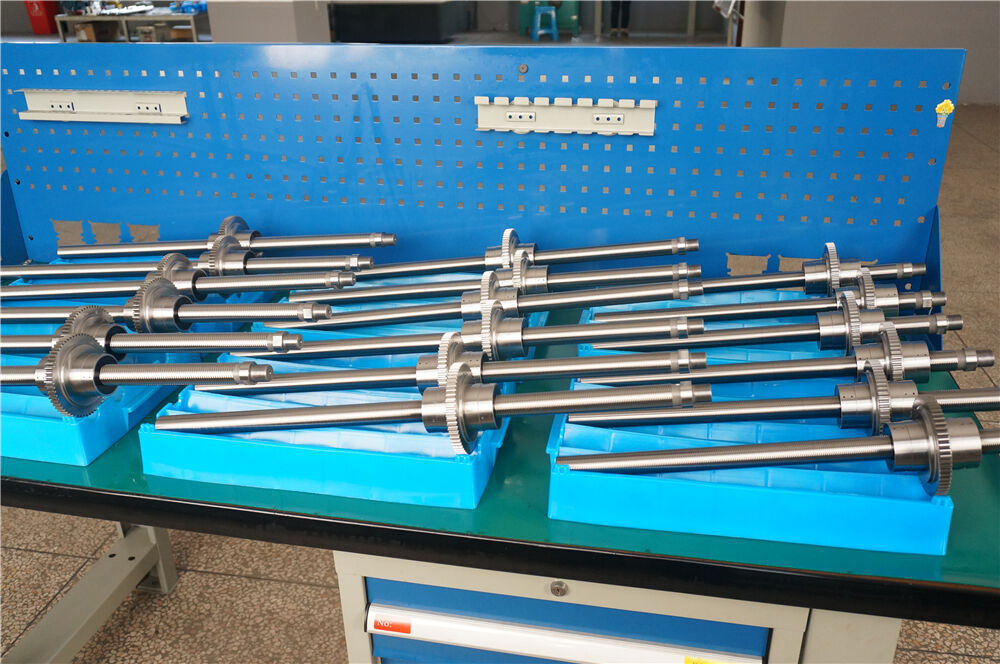
W dziedzinie zaawansowanej automatyki przemysłowej śruby planetarne stały się standardem złotym w zakresie precyzyjnego ruchu liniowego — wyprzedzając tradycyjne śruby kulkowe w zastosowaniach wymagających dużych obciążeń, dużej liczby cykli pracy oraz najwyższej dokładności. W przeciwieństwie do ogólnodostępnych elementów ruchu liniowego nowoczesne śruby planetarne (nazywane również śrubami z wałkami planetarnymi) zapewniają nieosiągalną sztywność, nośność oraz pozycjonowanie na poziomie mikrometrów — stając się niezastąpionymi w branżach, w których najmniejszy błąd może skutkować kosztownym simplyem lub awarią produktu. Od systemów siłowników w przemyśle lotniczym i kosmicznym, przez ramiona robotyczne stosowane w medycynie, po produkcję samochodów o wysokiej wydajności — śruby planetarne definiują ponownie granice możliwego w zakresie ruchu liniowego. Niniejszy wpis blogowy omawia zaawansowane zastosowania śrub planetarnych (dotychczas nieporuszane w poprzednich materiałach), strategie profesjonalnego doboru oraz najlepsze praktyki konserwacji — wszystko zoptymalizowane pod kątem zapytań Google takich jak „śruby planetarne do zastosowań lotniczych”, „dobór śrub planetarnych o wysokiej precyzji”, „porady dotyczące konserwacji śrub planetarnych” oraz „śruby planetarne kontra śruby kulkowe w przemyśle ciężkim”.
Dlaczego śruby planetarne przewyższają śruby kulkowe w zastosowaniach o wysokich wymaganiach
Wciąż wielu inżynierów polega na tradycyjnych śrubach kulkowych do napędu liniowego — jednak w zaawansowanych przemysłowych środowiskach pracy śruby planetarne oferują wyraźne zalety, których śruby kulkowe po prostu nie są w stanie dorównać. Kluczowa różnica tkwi w ich konstrukcji: śruby planetarne wykorzystują wiele wałków planetarnych (zamiast pojedynczego rzędu kulek) do przenoszenia siły między wałem śruby a nakrętką, tworząc projekt oparty na styku liniowym, który równomiernie rozprasza obciążenie. Takie rozwiązanie zapewnia trzy przełomowe korzyści, które odpowiadają najpopularniejszym zapytaniami w Google dotyczącym zalet śrub planetarnych:
-
2–3-krotnie wyższa nośność : Śruby planetarne wytrzymują obciążenia dynamiczne nawet do 1000 kN, co czyni je idealnym wyborem w zastosowaniach ciężkich, takich jak siłowniki lotnicze czy maszyny prasujące przemysłowe — tam, gdzie śruby kulkowe uległyby odkształceniu lub nadmiernemu zużyciu.
-
Ekstremalnie niski luz zwrotny i wysoka precyzja dzięki luzowi osiowemu nawet do ≤0,003 mm oraz dokładności pozycjonowania sięgającej ±0,001 mm śruby planetarne doskonale sprawdzają się w zastosowaniach wymagających najwyższej precyzji, takich jak robotyczna chirurgia medyczna czy obsługa płytek półprzewodnikowych.
-
Wyjątkowa trwałość i długowieczność równomierny rozkład obciążenia zmniejsza zużycie, dzięki czemu śruby planetarne mają żywotność 2–3 razy dłuższą niż śruby kulkowe w środowiskach o wysokiej liczbie cykli (ciągła, 24/7 praca przemysłowa), co skutkuje obniżeniem kosztów konserwacji i czasu przestoju.
Nie oznacza to, że śruby kulowe są przestarzałe – dobrze sprawdzają się przy małych i średnich obciążeniach oraz w zastosowaniach o niskiej precyzji. Jednak w przemyśle high-end śruby planetarne to jedyny wybór zapewniający niezawodność, trwałość i precyzję ruchu liniowego.
Zaawansowane zastosowania śrub planetarnych w zaawansowanych gałęziach przemysłu
Śruby planetarne to już nie tylko „alternatywy dla ciężkoobciążonych śrub kulkowych” — umożliwiają one innowacje w niektórych z najbardziej wymagających branż na świecie. Poniżej przedstawiono trzy zaawansowane zastosowania, które podkreślają ich wszechstranność oraz kluczową rolę w nowoczesnym przemyśle, zgodnie z trendami branżowymi na 2026 rok oraz wysoką liczbą zapytań w Google.
1. Przemysł lotniczy i obronny: kluczowy ruch liniowy w samolotach i systemach obronnych
Przemysł lotniczy i obronny stawia wysokie wymagania wobec komponentów — muszą one wytrzymać skrajne warunki eksploatacyjne, takie jak wysokie temperatury, wibracje oraz duże obciążenia, zachowując przy tym absolutną precyzję. Śruby planetarne stosuje się w szeregu kluczowych zastosowań, od siłowników podwozia samolotów po systemy naprowadzania pocisków oraz mechanizmy rozwijania satelitów.
Główne wymagania dotyczące śrub planetarnych do zastosowań lotniczych (jedno z najczęściej wyszukiwanych zapytań: „specyfikacje śrub planetarnych do zastosowań lotniczych”):
-
Odporność na wysokie temperatury wytrzymujące temperatury robocze do 150 °C (a nawet wyższe w zastosowaniach obronnych), w połączeniu z powłokami TiAlN nanoszonymi metodą PVD w celu zwiększenia odporności na zużycie i korozję.
-
Wysoka sztywność i zdolność do przenoszenia obciążeń udarowych odporność na ugięcie i obciążenia udarowe (do 1500 kN) w układach podwozia i siłowników, zgodnie ze ścisłymi standardami lotniczymi (AS9100).
-
Lekka konstrukcja zastosowanie wysokowytrzymałych, lekkich stopów w celu zmniejszenia masy samolotu przy jednoczesnym zachowaniu nośności — czynnik kluczowy dla oszczędności paliwa i wydajności.
Przykład: Wiodący producent sprzętu lotniczego zintegrował nasze niestandardowe śruby planetarne w siłownikach podwozia swoich samolotów pasażerskich. Śruby zapewniają dokładność ±0,002 mm nawet przy skrajnych obciążeniach udarowych, co pozwala skrócić liczbę przeglądów konserwacyjnych o 40 % oraz wydłużyć czas eksploatacji układu podwozia o 50 %.
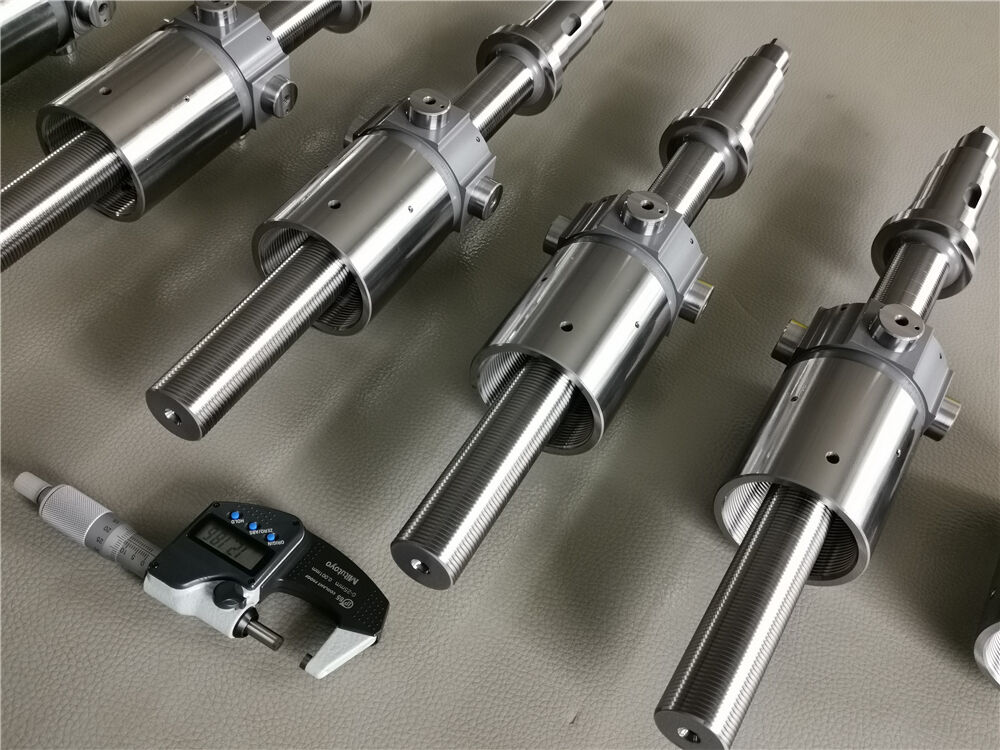
2. Produkcja urządzeń medycznych: Precyzyjny ruch w sprzęcie ratującym życie
Produkcja urządzeń medycznych — w szczególności robotów chirurgicznych, systemów pozycjonowania pacjentów oraz sprzętu diagnostycznego — wymaga śrub planetarnych łączących ultra-dokładność z bezsterilnym i niezawodnym działaniem. W przeciwieństwie do zastosowań przemysłowych aplikacje medyczne wymagają komponentów odpornych na częste sterylizacje oraz zapewniających ciche i płynne działanie.
W jaki sposób śruby planetarne spełniają potrzeby branży medycznej (zoptymalizowane pod kątem wyszukiwań frazy „śruby planetarne medyczne”):
-
Materiały bezsterilne i odporne na korozję : Konstrukcja ze stali nierdzewnej AISI 440C z obróbką pasywowania, zgodna ze standardami FDA oraz ISO 13485 dla urządzeń medycznych i odporna na korozję wywoływaną środkami sterylizacyjnymi.
-
Ultra-dokładność i niski poziom hałasu : Luzy ≤0,002 mm oraz gładkie, ciche działanie — kluczowe dla robotów chirurgicznych stosowanych w minimalnie inwazyjnych zabiegach, gdzie decydujące znaczenie mają zarówno precyzja, jak i komfort pacjenta.
-
Zamknięta konstrukcja (stopień ochrony IP69K) : Całkowicie uszczelnione zespoły nakrętek zapobiegające przedostawaniu się płynów ustrojowych lub środków sterylizacyjnych, co zapewnia bezpieczeństwo pacjenta.
Przykład zastosowania: Europejska firma produkująca urządzenia medyczne wykorzystała nasze sterylne śruby planetarne w ramieniu robota chirurgicznego przeznaczonym do zabiegów ortopedycznych. Śruby zapewniają stałą dokładność pozycjonowania ±0,001 mm po ponad 1500 cyklach sterylizacji w autoklawie, umożliwiając chirurgom wykonywanie bardziej precyzyjnych i mniej inwazyjnych zabiegów oraz skracając czas rekonwalescencji pacjentów.
3. Wysokowydajna produkcja motocykli i samochodów: Efektywność w przypadku pojazdów elektrycznych (EV) i luksusowych pojazdów
W miarę jak przemysł motocyklowy i samochodowy przesuwa się w kierunku pojazdów elektrycznych (EV) oraz wysokowydajnych luksusowych samochodów, śruby planetarne stają się kluczowe w zastosowaniach takich jak montaż akumulatorów EV, układy napędowe oraz systemy zawieszenia adaptacyjnego. Takie zastosowania wymagają dużej nośności, precyzji i efektywności – wszystkich obszarów, w których śruby planetarne przewyższają śruby kulkowe.
Kluczowe cechy śrub planetarnych do zastosowań motocyklowych i samochodowych (często wyszukiwane frazy: „śruby planetarne do zastosowań motocyklowych i samochodowych”):
-
Wysoka sprawność (80–90%) zmniejszanie zużycia energii w układach napędowych i układach aktuatorów pojazdów elektrycznych (EV), wydłużanie żywotności akumulatorów.
-
Wysoką odporność na cykle wytrzymywanie milionów cykli w adaptacyjnych systemach zawieszenia i montażu akumulatorów, spełnianie standardów trwałości przemysłu motocyklowego i samochodowego (ISO 16750).
-
KOMPAKTOWY DESIGN dopasowanie się do ciasnych przestrzeni w pakietach akumulatorów i układach napędowych pojazdów elektrycznych (EV) bez utraty nośności (do 500 kN).
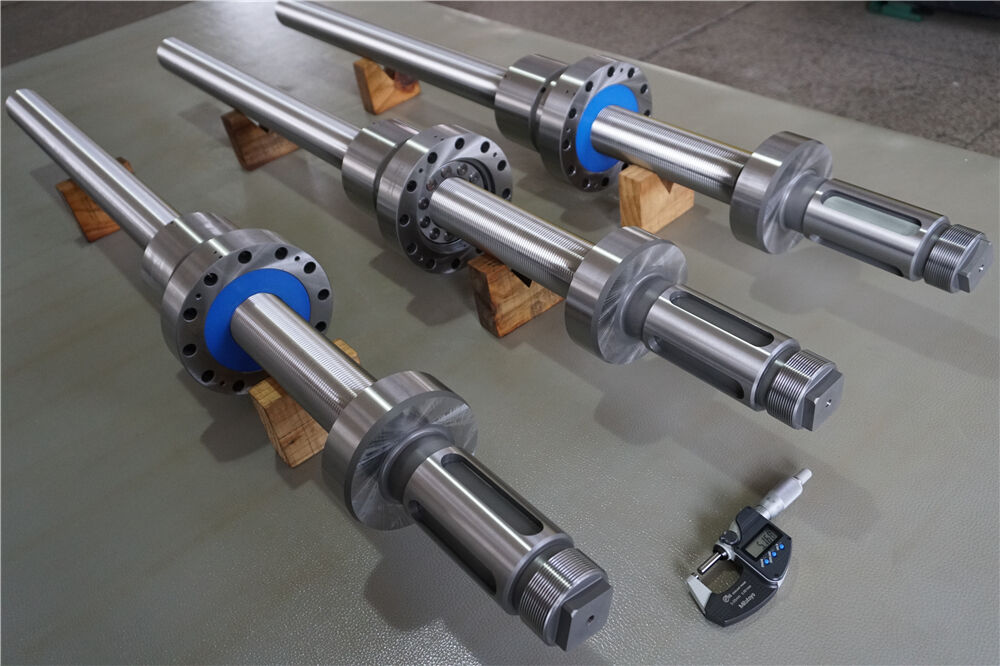
Ekspertowe wskazówki dotyczące doboru śrub planetarnych: unikaj kosztownych błędów
Dobór odpowiedniej śruby planetarnej do zastosowań przemysłowych wysokiej klasy jest znacznie bardziej skomplikowany niż wybór typowego komponentu. Na podstawie ponad 12-letniego doświadczenia współpracy z klientami z branż lotniczej, medycznej i motocyklowo-samochodowej, przedstawiamy ekspertowe wskazówki (dotychczas nigdy niepublikowane), które pomogą uniknąć typowych pułapek i dobrać idealną śrubę planetarną do danego zastosowania:
1. Dobrać klasę dokładności do konkretnego zastosowania (nie nadmiernie inwestować)
Śruby planetarne są dostępne w czterech klasach dokładności — C3, C5, C7 i C10 — a wybór klasy wyższej niż wymagana powoduje niepotrzebne wydatki.
-
Klasa C3 (±0,001 mm/m) : zastosowania ultra-dokładne (roboty chirurgiczne medyczne, sprzęt półprzewodnikowy).
-
Klasa C5 (±0,005 mm/m) : zastosowania wysokiej dokładności (siłowniki lotnicze i kosmiczne, adaptacyjne zawieszenia pojazdów samochodowych).
-
Klasa C7 (±0,01 mm/m) : standardowa dokładność przemysłowa (ciężkie maszyny prasujące, montaż akumulatorów dla pojazdów EV).
-
Klasa C10 (±0,05 mm/m) : zastosowania ogólnego przeznaczenia przy dużych obciążeniach (systemy transportu materiałów).
2. Poprawnie oblicz nośność (uwzględnij wszystkie rodzaje obciążeń)
Największym błędem inżynierów jest obliczanie wyłącznie obciążenia dynamicznego (obciążenia roboczego) i pomijanie obciążenia statycznego (obciążenia w stanie postoju) oraz obciążenia momentowego (siły skręcającej). Zawsze stosuj współczynnik bezpieczeństwa w zakresie 1,5–2,0, aby uwzględnić nieprzewidziane szczyty obciążenia — na przykład, jeśli Twoje zastosowanie wymaga obciążenia dynamicznego 300 kN, wybierz śrubę planetarną o nośności 450 kN lub wyższej.
3. Priorytetem jest zgodność ze środowiskiem pracy
W branżach wysokiej klasy występują często surowe warunki środowiskowe — skrajne temperatury, pył, wilgoć lub procesy sterylizacji — które mogą uszkodzić śruby planetarne. Przykłady:
-
Środowiska o wysokiej temperaturze (aerospace) wymagają powłok TiAlN nanoszonych metodą PVD oraz smarów odpornych na wysokie temperatury.
-
Środowiska sterylne (medyczne) wymagają zastosowania stali nierdzewnej oraz uszczelnienia zgodnego z normą IP69K.
-
Pylne środowiska przemysłowe (produkcja samochodów) wymagają skrobaków zgodnych z normą IP65 zapobiegających przedostawaniu się zanieczyszczeń.
4. Nie pomijaj luzu osiowego przy ruchu powtarzalnym
Dla zastosowań wymagających powtarzalnego pozycjonowania (np. roboty chirurgiczne, siłowniki lotnicze i kosmiczne) wybierz precyzyjne śruby planetarne z wcześniejszym obciążeniem, aby wyeliminować luz. Śruby z wcześniejszym obciążeniem nie mają luzu pomiędzy wałkiem tocznym a bieżnią, zapewniając stałą dokładność nawet po tysiącach cykli.
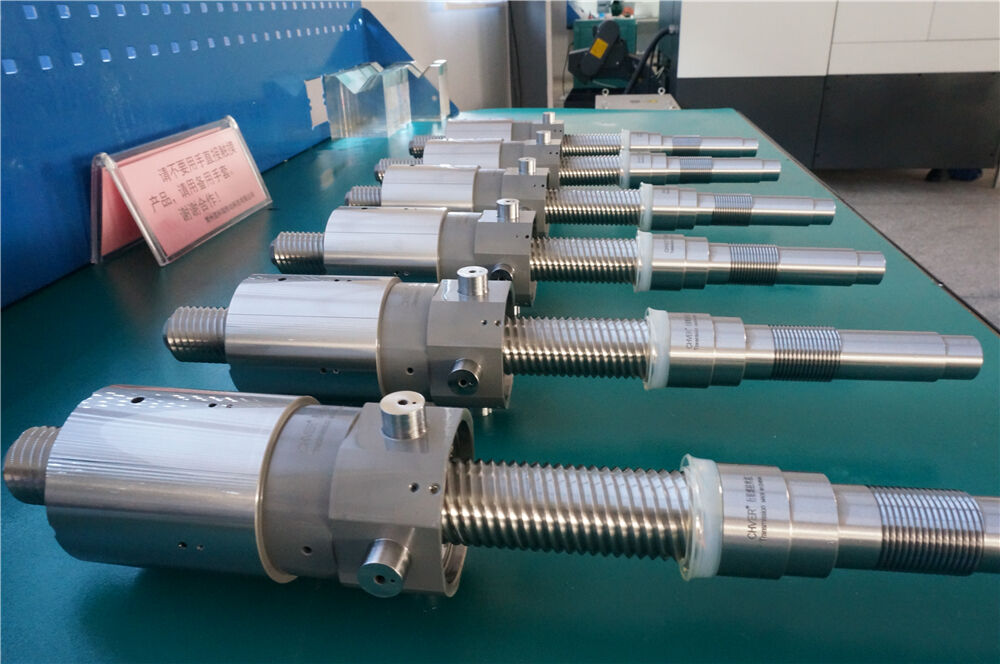
Najlepsze praktyki konserwacji przedłużające żywotność śrub planetarnych
W branżach wysokiej klasy wymiana śrub planetarnych wiąże się z dużymi kosztami — zarówno części zamiennych, jak i przestoju. Poniższe wskazówki konserwacyjne, dostosowane do zaawansowanych zastosowań, przedłużą ich czas użytkowania o ponad 50%.
-
Zastosowania w lotnictwie : Ponownie nałóż smar syntetyczny odporny na wysokie temperatury co 150 godzin pracy; przeprowadzaj miesięczną kontrolę zużycia i korozji (szczególnie po ekstremalnych warunkach lotu).
-
Zastosowania medyczne : Po każdej sterylizacji usuń pozostałości starego smaru i nałóż nowy, sterylny smar; tygodniowo sprawdzaj uszczelki, aby zapobiec zanieczyszczeniom.
-
Aplikacje motoryzacyjne : Tygodniowo usuwaj zanieczyszczenia ze wału śruby; ponownie nałóż smar co 300 godzin pracy; kwartalnie sprawdzaj prawidłowość ustawienia, aby uniknąć przedwczesnego zużycia.
Podsumowanie: śruby planetarne są niezbędne do osiągnięcia sukcesu w branżach wysokiej klasy
W miarę jak branże wysokiej klasy nadal posuwają się naprzód w zakresie precyzji i trwałości, śruby planetarne pozostaną podstawowym elementem zaawansowanych systemów ruchu liniowego. Poznając ich zaawansowane zastosowania, stosując porady ekspertów przy doborze oraz wprowadzając skierowane działania serwisowe, można maksymalnie wykorzystać możliwości swoich śrub planetarnych, ograniczyć przestoje i utrzymać przewagę konkurencyjną.
Nie ma znaczenia, czy projektujesz siłownik do zastosowań lotniczych i kosmicznych, robota chirurgicznego do zastosowań medycznych, czy też układ napędowy pojazdu EV — odpowiednia śruba planetarna może stanowić decydującą różnicę. Współpracuj z dostawcą, który rozumie specyfikę Twojej branży i potrafi zaproponować rozwiązania niestandardowe, dopasowane do Twoich indywidualnych potrzeb — dzięki temu unikniesz kosztownych błędów i osiągniesz wymaganą przez aplikację precyzję.
Gotowi na dowiedzenie się więcej o tym, jak śruby planetarne mogą przekształcić Wasze wysokiej klasy zastosowania przemysłowe? Skontaktujcie się już dziś z naszym zespołem ekspertów w celu uzyskania spersonalizowanej konsultacji.
Spis treści
- Dlaczego śruby planetarne przewyższają śruby kulkowe w zastosowaniach o wysokich wymaganiach
- Zaawansowane zastosowania śrub planetarnych w zaawansowanych gałęziach przemysłu
- Ekspertowe wskazówki dotyczące doboru śrub planetarnych: unikaj kosztownych błędów
- Najlepsze praktyki konserwacji przedłużające żywotność śrub planetarnych
- Podsumowanie: śruby planetarne są niezbędne do osiągnięcia sukcesu w branżach wysokiej klasy