 EN
 AR
 BG
 CS
 DA
 NL
 FI
 FR
 DE
 EL
 HI
 IT
 JA
 KO
 NO
 PL
 PT
 RU
 ES
 SV
 TL
 ID
 UK
 VI
 HU
 TH
 TR
 FA
 AF
 MS
 SW
 GA
 CY
 BE
 KA
 LA
 MY
 TG
 UZ


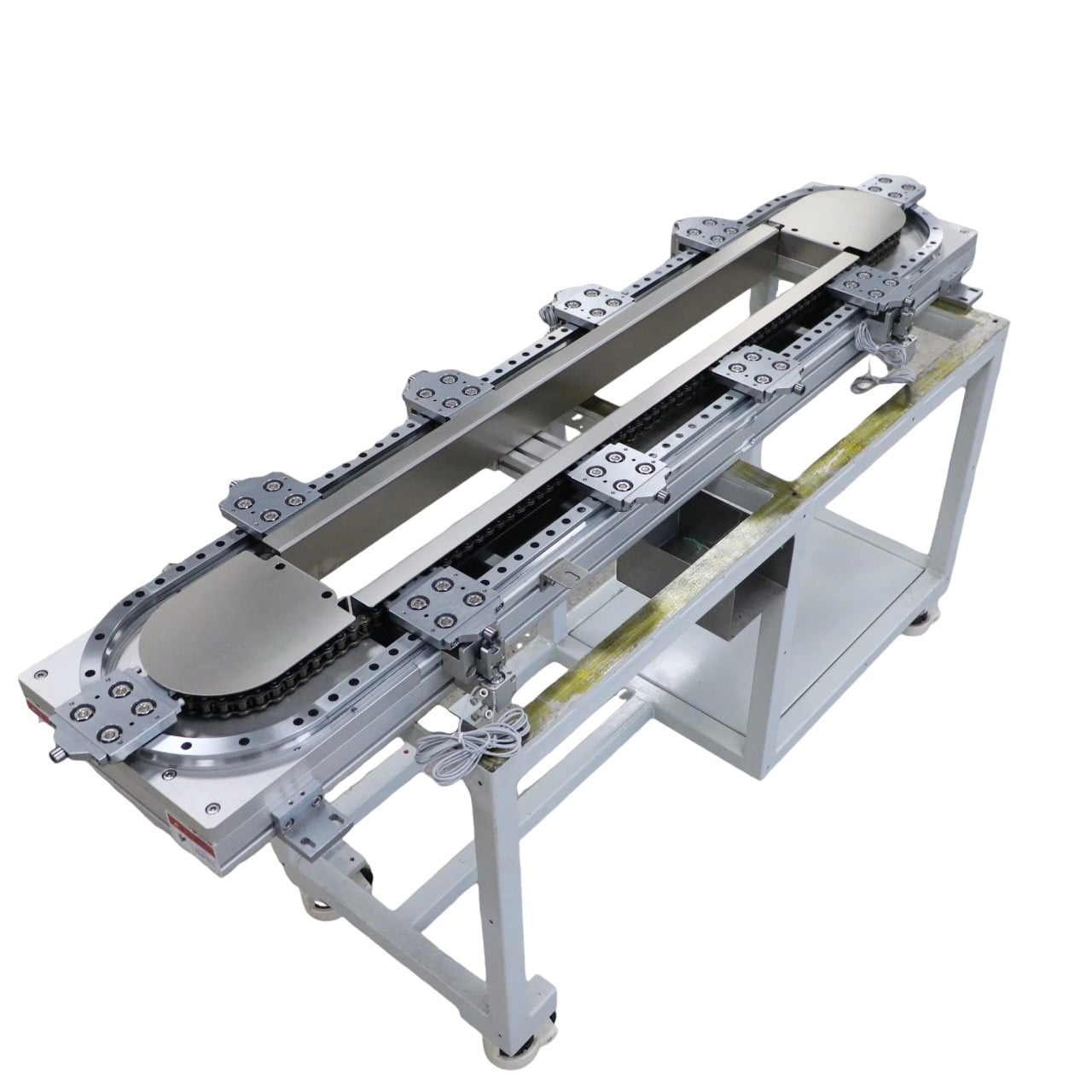
Unplanned downtime is the biggest cost driver for continuous industrial production lines. While control alarms draw most attention, many recurring line stoppages trace back to gradual degradation of linear guides and ball screws. The failure develops slowly over thousands of cycles, until positioning drift, vibration or jamming triggers a full line halt. This post covers the five most common failure modes and actionable inspection rules for maintenance teams.
- Seal damage and contaminant ingress Dust, fine metal powder, plastic particles and residual coolant bypass worn seals and enter the rolling circuit. Abrasive particles scratch the ball track and steel balls. Early symptoms include rough running sound, rising friction torque and uneven slider movement. Once raceway pitting appears, component replacement is usually unavoidable. Inspect seals and scrapers weekly at dusty or welding stations; replace damaged seals immediately rather than waiting for noise.
- Misalignment and edge loading Parallelism error between two linear rails, or coaxiality error between ball screw and guide carriage, creates edge loading. The slider only bears load on one side, accelerating localized wear. Misalignment often happens after machine relocation, frame welding stress release or re-installation following overhaul. Realignment should be verified with dial indicators after every major frame modification.
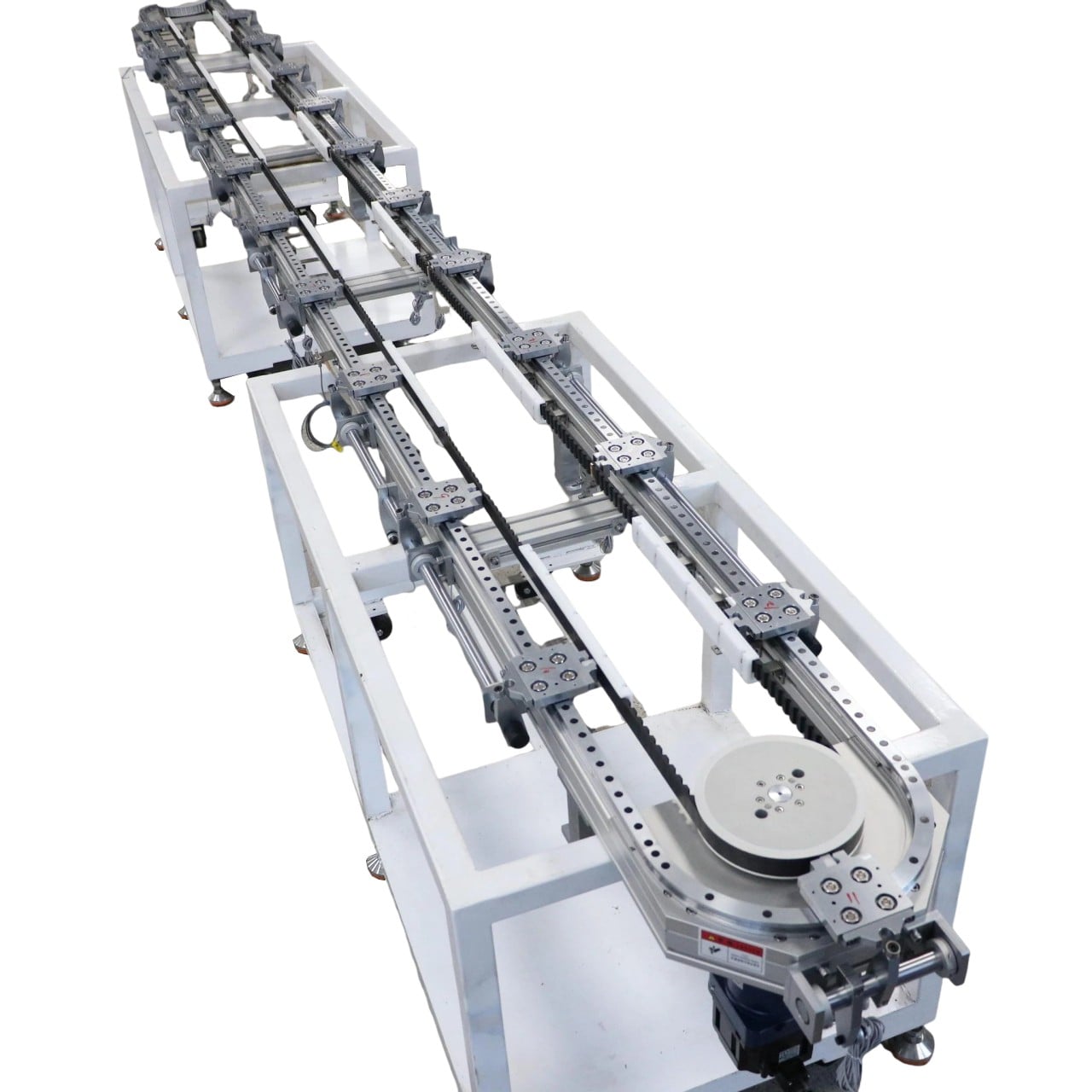
- Preload decay and rising backlash Double-nut ball screws and preloaded guide blocks lose preload after millions of cycles, especially under thermal cycling and impact loads. The result: unstable repeatability, drifting stop positions and inconsistent press depth. This issue is often misread as servo tuning error. A simple axial play check helps distinguish mechanical backlash from control drift. Precision stations need periodic preload verification in the quarterly maintenance window.
- Thermal elongation and positioning drift Continuous high-speed reciprocating motion generates friction heat on ball nuts and support bearings. Screw shaft expansion introduces cumulative positioning error, which gets worse on long-stroke transfer axes. Solutions include tension preloading, forced cooling, real-time temperature compensation and reducing excessive preload that creates extra heat.
- Lubrication failure Over-lubrication traps dust; under-lubrication causes metal-to-metal contact. Production lines running multi-shift cycles require automatic grease or oil lubrication systems, with lubricant type selected for temperature and dust level. Grease for heavy-load stations, low-viscosity oil for high-speed light-load axes.
A practical maintenance checklist divides tasks by frequency: daily noise and temperature spot check, weekly seal and lubrication inspection, monthly backlash and play measurement, quarterly parallelism / alignment verification, annual life prediction based on load hours.
When retrofitting worn linear motion parts, do not only copy dimensions. Preload grade, sealing form, accuracy class and dynamic load rating must match the original duty cycle. A dimensionally compatible but under-rated guide or screw will fail quickly again.
YOSO offers production-grade linear guides and ball screws with reinforced dust-proof configurations, and provides failure analysis support for automation integrators and end-user factories.