 EN
 AR
 BG
 CS
 DA
 NL
 FI
 FR
 DE
 EL
 HI
 IT
 JA
 KO
 NO
 PL
 PT
 RU
 ES
 SV
 TL
 ID
 UK
 VI
 HU
 TH
 TR
 FA
 AF
 MS
 SW
 GA
 CY
 BE
 KA
 LA
 MY
 TG
 UZ


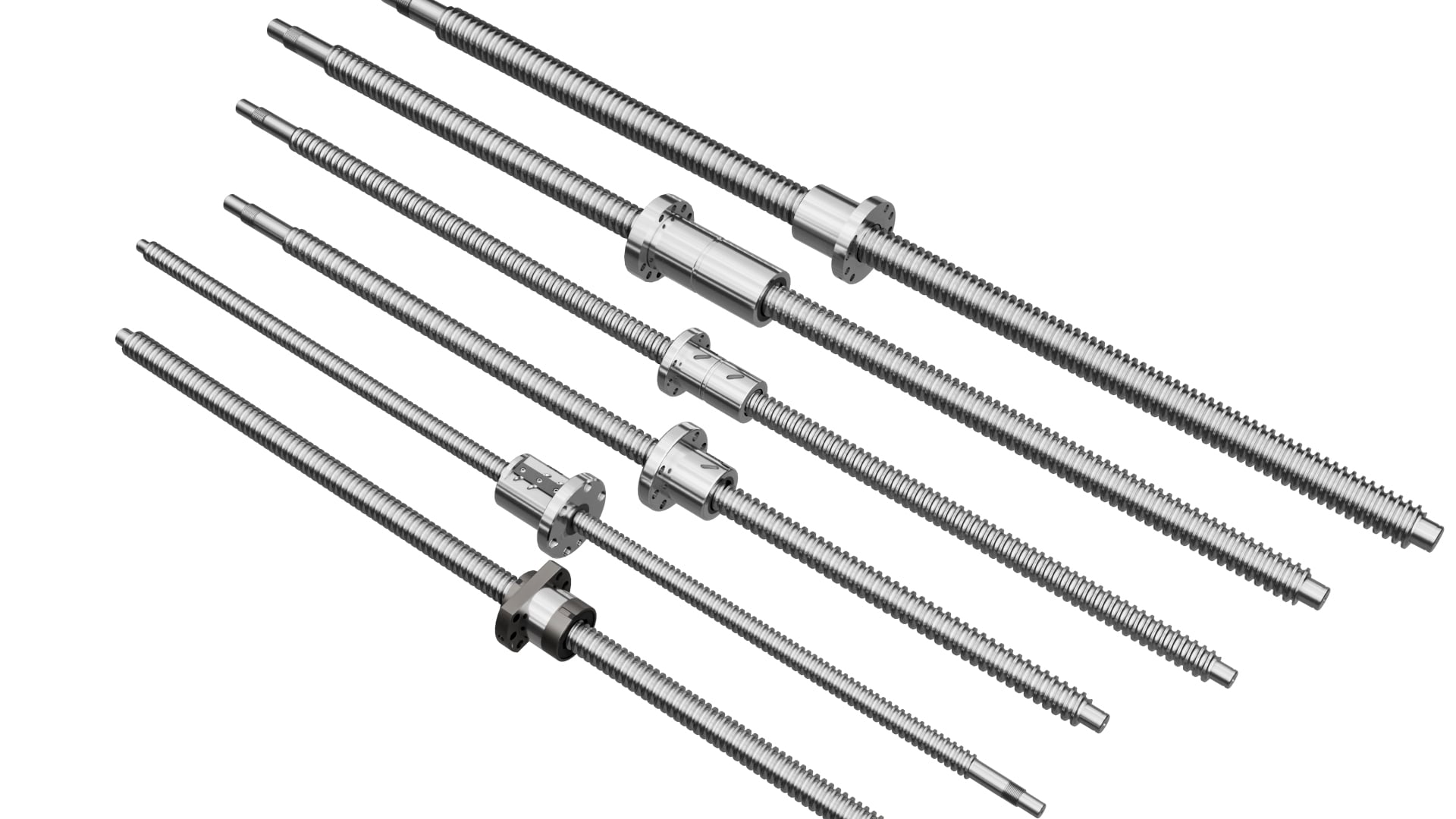
Thermal drift is one of the most frustrating hidden faults on automated production lines. Operators re-zero the axis at shift start, run for two hours, then discover positioning errors gradually growing, even though backlash and preload check within specification. In most cases, heat generated inside the ball screw assembly is to blame.
Heat comes from two main sources: rolling friction inside the ball nut recirculation circuit, and friction at the support bearings. At high linear speed, especially long-stroke gantries, the screw shaft temperature can rise 25–40°C above ambient. Steel expands roughly 11.5 μm per metre per degree Celsius. On a 2-metre stroke screw, that adds up to nearly 0.6 mm of elongation — enough to ruin cutting, punching or assembly accuracy.
Many machine builders rely on simple fixed-free bearing arrangements. This layout is cheap and easy, but it gives no resistance to thermal lengthening; the screw simply stretches toward the free end. For low-speed intermittent motion this works fine. For continuous-cycle high-speed axes, fixed-fixed bearing support is the standard solution. Both ends are axially restrained, so thermal expansion creates controlled axial tension instead of uncontrolled elongation. This suppresses positioning drift but demands careful preload setting for the support bearings. Too much bearing preload will create extra heat and defeat the purpose.
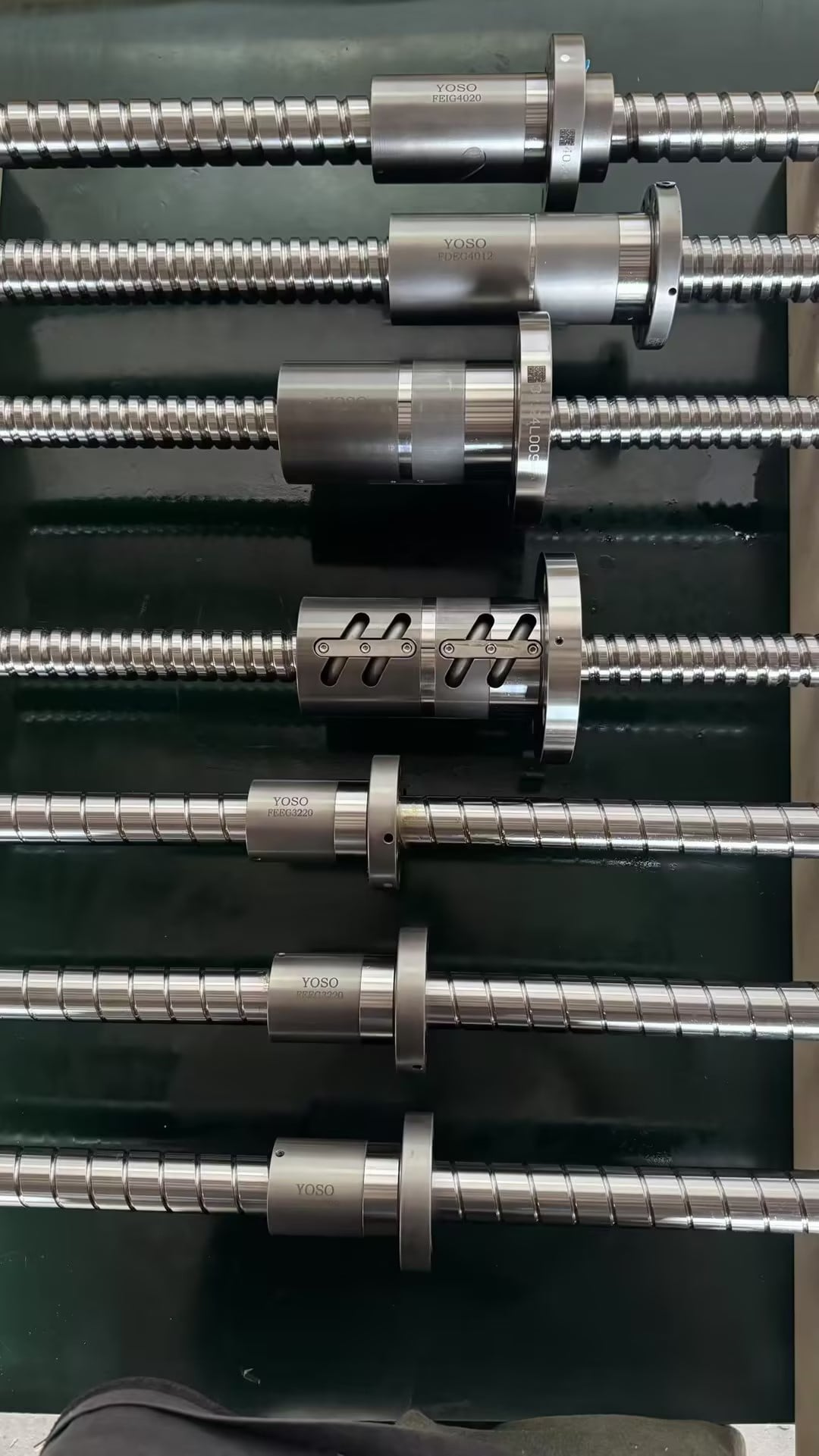
Other field-proven thermal management options:
- Hollow screw with forced air or oil cooling: best for high-duty cycle, long-stroke axes such as panel handling and cutting gantries. It adds cost and piping complexity but keeps shaft temperature stable across long runs.
- Optimized nut preload: over-preloading is the top cause of excess nut heat. Many technicians crank preload tight to eliminate all backlash, not realizing drag torque rises exponentially. Match preload grade to required repeatability, not zero-play obsession.
- Lubricant selection: high-speed ball screws need low-viscosity high-temperature grease or circulating oil. Thick grease traps heat and increases rolling resistance. Re-greasing intervals must shorten when ambient temperature is high or the axis runs near maximum speed.
- Software thermal compensation: a secondary safety layer, not a replacement for mechanical design. Compensation works only when heat build-up is predictable; it cannot fix sudden heat spikes from damaged ball circulation tubes or contaminated raceways.
We often meet teams that treat thermal drift as a PLC tuning problem. They adjust offset values repeatedly, only for errors to shift again as workshop temperature changes between morning and afternoon. Tuning will never fully compensate an axis designed without considering thermal behaviour.
Before finalising a ball screw design for your production line, map the duty cycle: average speed, acceleration, continuous run time and maximum ambient temperature. If the calculated elongation exceeds your positioning tolerance, switch support configuration or consider a cooled hollow shaft. YOSO hollow ball screw assemblies are built for these demanding continuous-duty automation axes, with balanced raceway grinding and matched support bearing packages.