 EN
 AR
 BG
 CS
 DA
 NL
 FI
 FR
 DE
 EL
 HI
 IT
 JA
 KO
 NO
 PL
 PT
 RU
 ES
 SV
 TL
 ID
 UK
 VI
 HU
 TH
 TR
 FA
 AF
 MS
 SW
 GA
 CY
 BE
 KA
 LA
 MY
 TG
 UZ


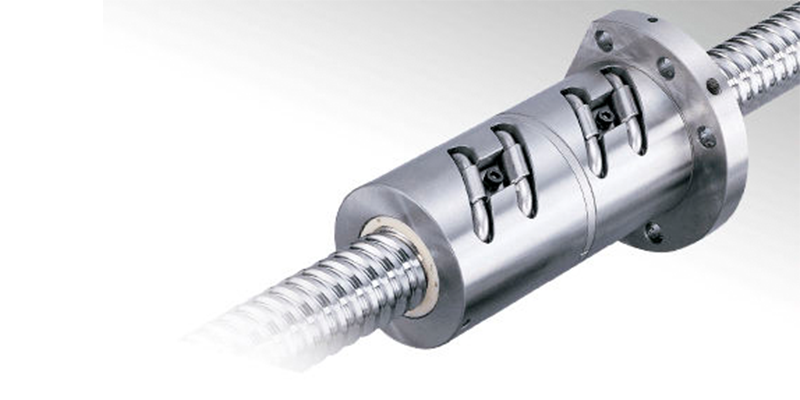
Engineers working on aluminium extrusion lines often face a recurring trade-off: standard ball guides are smooth and quiet, yet they lose stiffness quickly under sustained heavy loads and shock from cut-off saws, transfer carts and stretching stations. Many OEMs default to ball guides out of habit, only to see unexpected downtime after 6–12 months of two-shift operation.
Roller-type linear guides use cylindrical rollers instead of steel balls to contact the raceway. The line contact design spreads load across a much larger surface, delivering substantially higher static and dynamic load ratings, as well as superior rigidity against moment loads. This matters greatly for aluminium lines: extrusion billet transfer, profile pulling and post-extrusion sawing all generate impulse loads that can deform ball contact points and accelerate raceway pitting.
That does not mean roller guides are always the better option. Ball guides run with lower friction torque, produce less heat and are easier to preload for ultra-precise positioning where heavy static load is not the main concern. For light gantry marking, inspection cameras and small feeding axes, precision ball guides remain cost-effective and simpler to service.
Three practical rules for aluminium extrusion layout:
- Axes carrying extrusion profiles or moving heavy clamping fixtures, with frequent impact: choose roller linear guides with moderate preload. Avoid excessive preload, which raises running temperature and shortens grease intervals in dusty workshop air.
- Inspection, measuring and laser marking stations where repeatability takes priority over extreme load: use C3 / C5 preloaded ball guide blocks.
- Outdoor or poorly enclosed cutting zones with fine aluminium swarf: add scraper plates and centralized grease fittings regardless of guide type. Aluminium dust is highly abrasive; even premium steel raceways wear fast if chips enter the rolling zone.
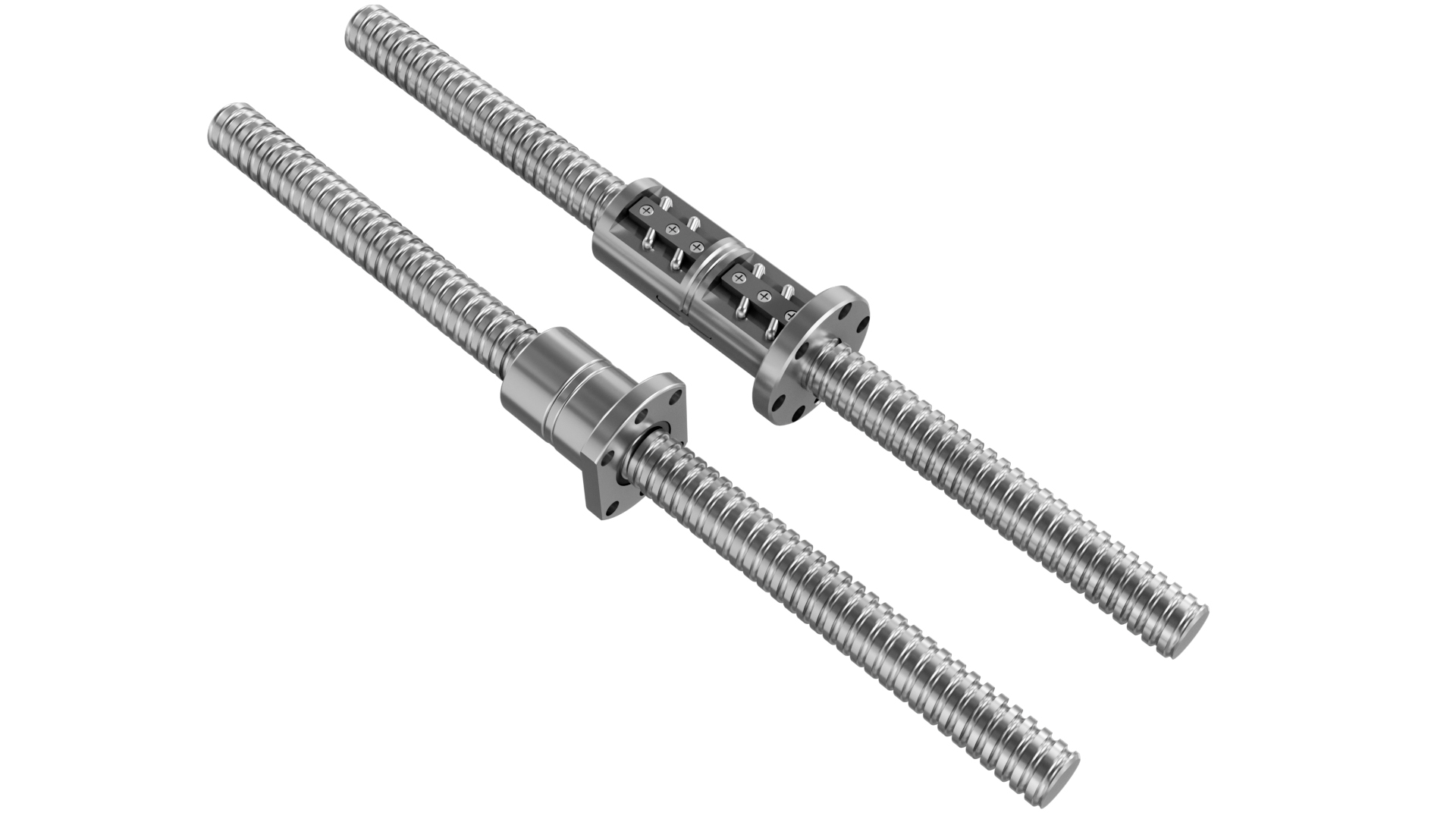
A common mistake we observe is matching guide size purely based on static load, ignoring dynamic cycle count. Extrusion lines run continuous cycles, so the L10 service life calculation must factor in stroke length, acceleration and shock peaks, not just the nominal weight of the profile. Many lines we retrofitted originally used oversize ball guides to compensate for low rigidity, which pushed up motor torque and energy consumption without solving vibration issues.
For project engineers, the best workflow is separating motion axes by load profile first, then selecting guide type, preload class and lubrication scheme together. YOSO supplies both ball and roller linear guide series for aluminium processing, with pre-machined mounting reference edges to reduce alignment error during on-site installation.