EN
EN
 AR
AR
 BG
BG
 CS
CS
 DA
DA
 NL
NL
 FI
FI
 FR
FR
 DE
DE
 EL
EL
 HI
HI
 IT
IT
 JA
JA
 KO
KO
 NO
NO
 PL
PL
 PT
PT
 RU
RU
 ES
ES
 SV
SV
 TL
TL
 ID
ID
 UK
UK
 VI
VI
 HU
HU
 TH
TH
 TR
TR
 FA
FA
 AF
AF
 MS
MS
 SW
SW
 GA
GA
 CY
CY
 BE
BE
 KA
KA
 LA
LA
 MY
MY
 TG
TG
 UZ
UZ


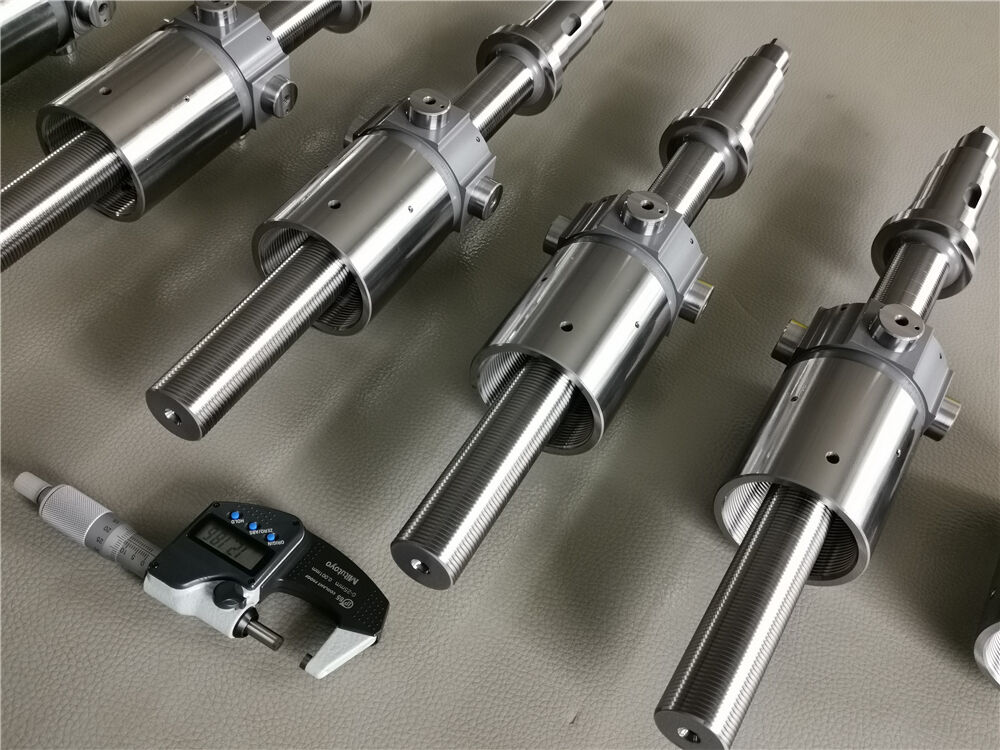
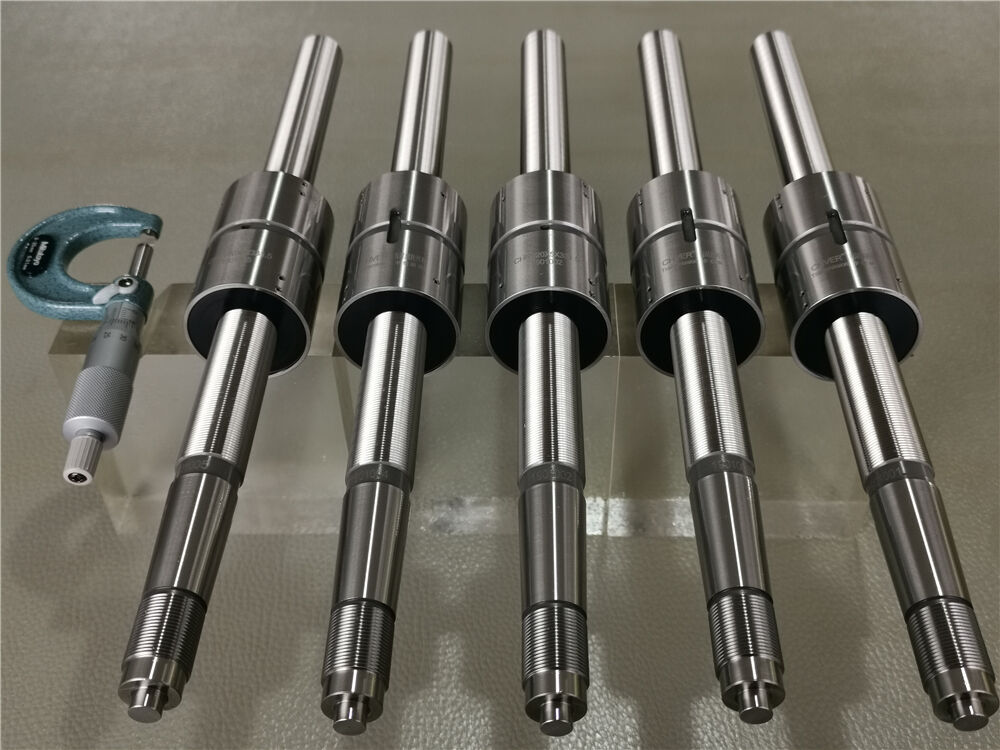
In heavy-duty automation applications—from aerospace and automotive manufacturing to industrial machinery and renewable energy—standard ball screws often fall short. They struggle with high loads, rapid acceleration, and continuous operation, leading to premature wear, reduced precision, and costly downtime. Enter planetary roller screws: the next-generation linear motion component designed to deliver exceptional torque, micron-level precision, and long service life, even in the most demanding industrial environments.
Unlike traditional ball screws that use a single row of balls to transmit motion, planetary roller screws feature multiple cylindrical rollers arranged in a planetary configuration around the screw shaft. This innovative design distributes loads evenly across the rollers, enabling them to handle significantly higher axial loads, torque, and speeds while maintaining superior positioning accuracy. Today, we’ll break down what makes planetary roller screws unique, their core advantages over ball screws, key applications, and critical selection criteria to help you choose the right solution for your heavy-duty automation needs.
I. How Planetary Roller Screws Work: A Step Beyond Ball Screws
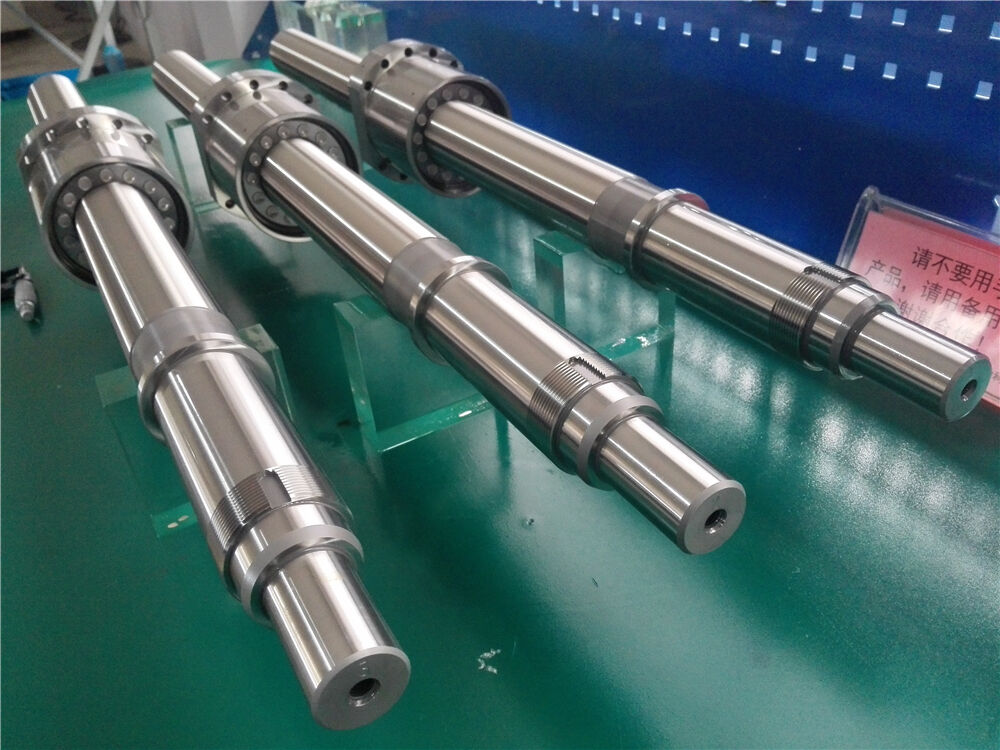
To understand the superiority of planetary roller screws, it’s essential to first grasp their design and operation. At their core, a planetary roller screw consists of three key components: a screw shaft with a precision-threaded profile, a nut with internal threads, and multiple planetary rollers (typically 3–6) that mesh with both the screw and nut.
As the screw shaft rotates, the planetary rollers revolve around the shaft (like planets orbiting the sun) while also rotating on their own axes. This dual motion ensures that the load is distributed across the entire length of each roller, rather than concentrated on a single point (as with ball screws). The result? A linear motion component that can handle heavy loads, high speeds, and frequent start-stop cycles without sacrificing precision or durability.
Compared to ball screws, planetary roller screws offer a larger contact area (up to 3x more), which reduces contact stress and minimizes wear. This design also eliminates the “ball slip” that can occur in ball screws under high loads, ensuring consistent positioning accuracy even in dynamic applications.
II. Core Advantages of Planetary Roller Screws Over Ball Screws
For heavy-duty automation, planetary roller screws outperform ball screws in nearly every critical category. Here are the key benefits that make them the preferred choice for high-load, high-precision applications:
1. Exceptional Load-Carrying Capacity
Planetary roller screws can handle axial loads up to 10x higher than ball screws of the same size. This is because the multiple rollers distribute the load evenly, reducing stress on individual components. For example, a standard planetary roller screw with a 20mm diameter can handle axial loads up to 50,000 N, while a ball screw of the same size typically maxes out at 5,000 N. This makes them ideal for applications like hydraulic press systems, heavy-duty lifting equipment, and automotive stamping machines.
2. Superior Precision and Repeatability
With a repeat positioning accuracy of ±0.005mm to ±0.02mm, planetary roller screws deliver precision that rivals even the highest-grade ball screws. Their design eliminates backlash (the play between the screw and nut) and reduces thermal expansion, ensuring consistent performance even during long hours of continuous operation. This level of precision is critical for applications like aerospace component manufacturing, precision machining, and robotic assembly.
3. High Torque and Speed Capabilities
Planetary roller screws can transmit higher torque than ball screws, making them suitable for applications that require rapid acceleration and deceleration. They also operate at higher speeds (up to 5 m/s) without sacrificing stability, thanks to their low friction and even load distribution. This makes them ideal for high-speed packaging lines, CNC machines, and automated material handling systems.
4. Longer Service Life and Reduced Maintenance
The even load distribution and low contact stress of planetary roller screws significantly reduce wear, extending their service life to 5–10x that of ball screws. They also require less lubrication and maintenance, as the rollers minimize friction and prevent debris buildup. This translates to lower total cost of ownership (TCO) for businesses, as they spend less on replacement parts and downtime.
III. Key Applications of Planetary Roller Screws
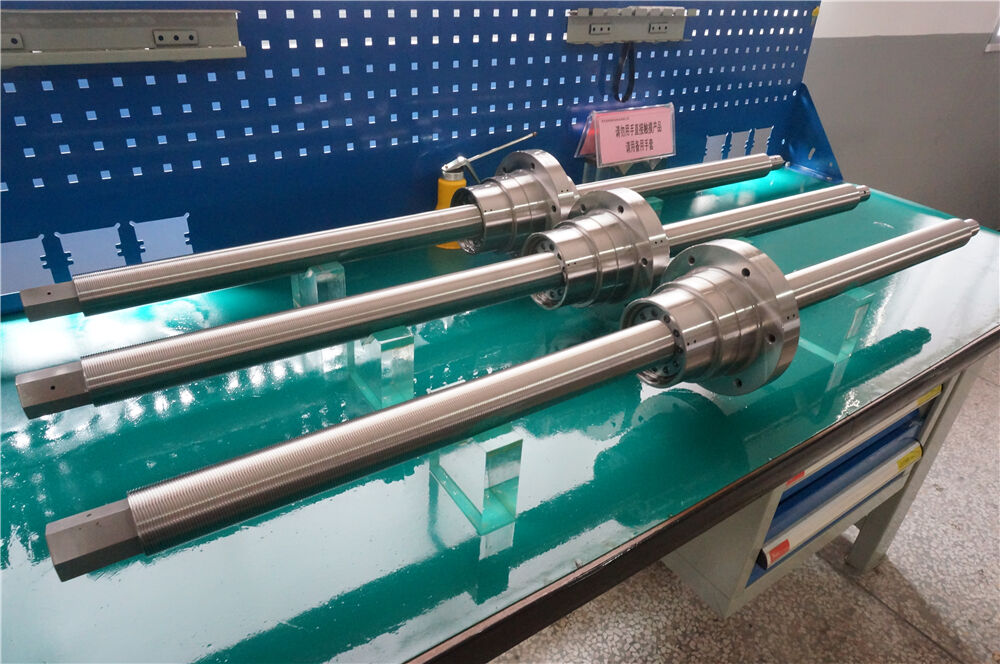
Planetary roller screws are designed for heavy-duty, high-precision applications across a wide range of industries. Here are the most common use cases where they excel:
1. Aerospace and Defense
In aerospace applications, planetary roller screws are used in aircraft landing gear, flight control systems, and satellite positioning mechanisms. They can withstand extreme temperatures, high vibrations, and heavy loads, while delivering the precision required for critical aerospace operations. For example, in landing gear systems, planetary roller screws control the extension and retraction of the gear, ensuring safe and reliable operation during takeoff and landing.
2. Automotive Manufacturing
In automotive production lines, planetary roller screws are used in stamping presses, welding robots, and assembly equipment. They handle the high loads and rapid cycles required for mass production, while maintaining precision to ensure consistent product quality. For example, in stamping machines, planetary roller screws apply the high force needed to shape metal sheets into automotive components, such as body panels and engine parts.
3. Industrial Machinery
In industrial machinery, planetary roller screws are used in hydraulic presses, injection molding machines, and heavy-duty conveyors. They can handle the high loads and continuous operation required in these applications, reducing downtime and improving productivity. For example, in injection molding machines, planetary roller screws control the movement of the mold, ensuring precise positioning and consistent part quality.
4. Renewable Energy
In renewable energy systems, such as wind turbines and solar trackers, planetary roller screws are used to adjust the position of wind turbine blades and solar panels. They can withstand outdoor conditions (extreme temperatures, wind, and dust) while delivering the precision needed to maximize energy efficiency. For example, in wind turbines, planetary roller screws adjust the pitch of the blades to optimize power generation based on wind speed.
IV. Key Selection Criteria for Planetary Roller Screws
Selecting the right planetary roller screw is critical to ensuring the performance and reliability of your automation equipment. Here are the key factors to consider:
1. Load Requirements
Determine the maximum axial load, radial load, and moment load your application requires. Choose a planetary roller screw with a rated load that exceeds your application’s peak load to ensure long service life. Be sure to account for dynamic loads (e.g., acceleration, deceleration) and shock loads, which can increase the overall load on the screw.
2. Precision Grade
Select a precision grade based on your application’s positioning requirements. Ultra-precision grades (±0.005mm) are ideal for aerospace and precision machining, while standard precision grades (±0.02mm) are suitable for most industrial applications. Keep in mind that higher precision grades come with a higher cost, so balance precision and budget.
3. Screw Size and Lead
The screw diameter and lead (the distance the nut moves per full rotation of the screw) determine the speed and force of the linear motion. Larger diameters handle higher loads, while smaller leads deliver higher precision. Choose a lead that matches your application’s speed requirements—larger leads for faster motion, smaller leads for more precise positioning.
4. Working Environment
Consider the environmental conditions your planetary roller screw will operate in. For harsh environments (high temperature, humidity, dust, or corrosion), choose a screw made of stainless steel or coated with a corrosion-resistant material (e.g., chrome plating). Sealing options (IP67 or higher) can also protect the screw from debris and moisture, extending its service life.
V. Conclusion
Planetary roller screws are revolutionizing heavy-duty automation by delivering the perfect combination of high torque, precision, and durability. Unlike traditional ball screws, they can handle the most demanding applications—from aerospace to renewable energy—while reducing maintenance costs and downtime. By understanding their design, advantages, and selection criteria, you can choose the right planetary roller screw to optimize your automation system, improve productivity, and gain a competitive edge in your industry.
As automation technology continues to advance, planetary roller screws will play an increasingly important role in enabling heavier loads, higher speeds, and greater precision. Whether you’re upgrading existing equipment or designing a new system, planetary roller screws are the reliable, high-performance solution you need for long-term success.