EN
EN
 AR
AR
 BG
BG
 CS
CS
 DA
DA
 NL
NL
 FI
FI
 FR
FR
 DE
DE
 EL
EL
 HI
HI
 IT
IT
 JA
JA
 KO
KO
 NO
NO
 PL
PL
 PT
PT
 RU
RU
 ES
ES
 SV
SV
 TL
TL
 ID
ID
 UK
UK
 VI
VI
 HU
HU
 TH
TH
 TR
TR
 FA
FA
 AF
AF
 MS
MS
 SW
SW
 GA
GA
 CY
CY
 BE
BE
 KA
KA
 LA
LA
 MY
MY
 TG
TG
 UZ
UZ


1. Introduction: The Importance of Systematic Troubleshooting
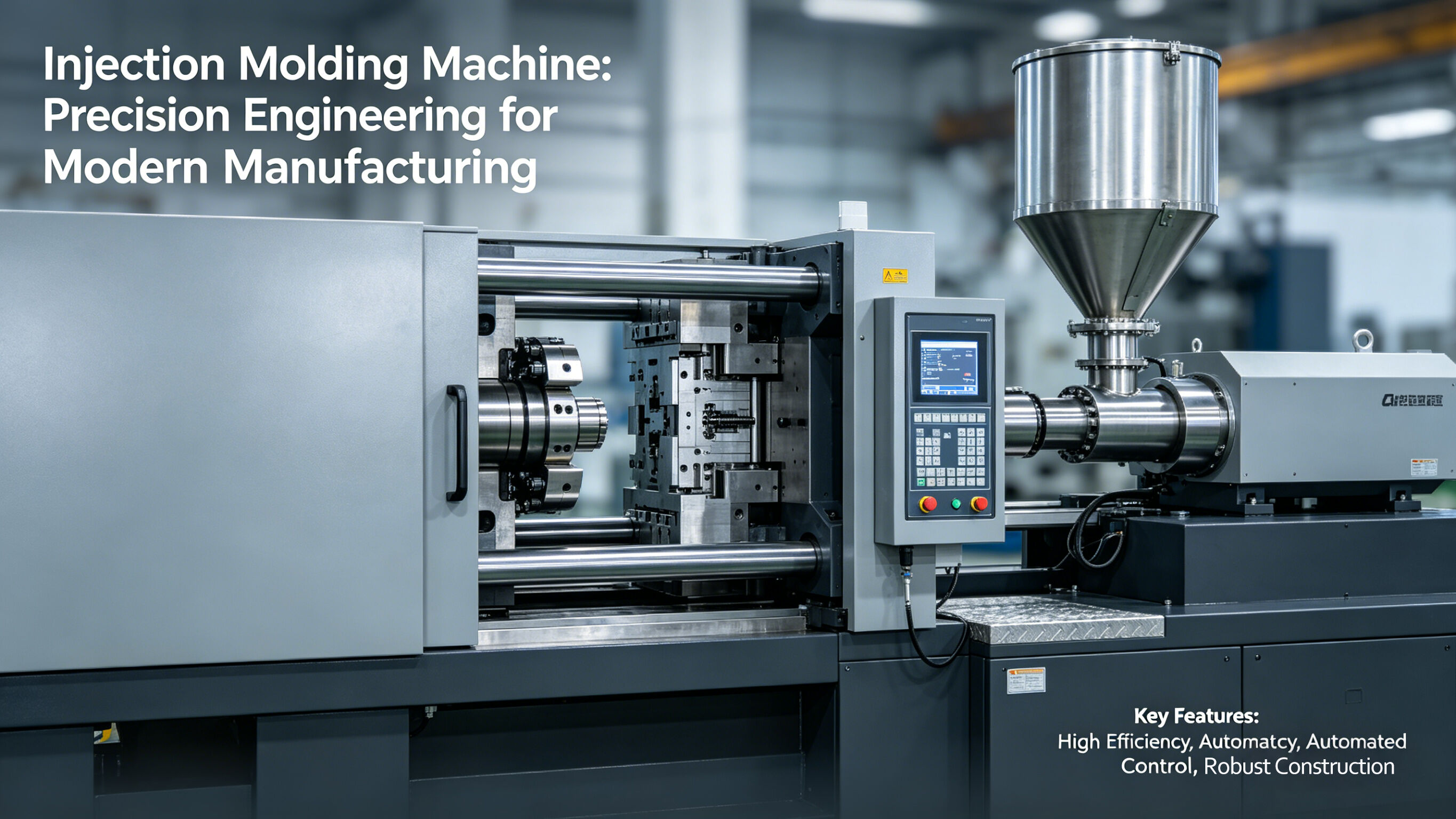
Injection molding machines are complex systems with hundreds of precision components, and failures can severely impact production efficiency, product quality, and profitability. For engineers, a systematic troubleshooting approach is essential to minimize downtime and ensure optimal performance, especially for modern electric and hybrid models with advanced servo and motion control systems. This guide addresses the most common operational issues, providing practical solutions and preventive maintenance tips tailored for technical professionals.
2. Injection System Problems and Solutions
2.1 Plasticization and Injection Issues
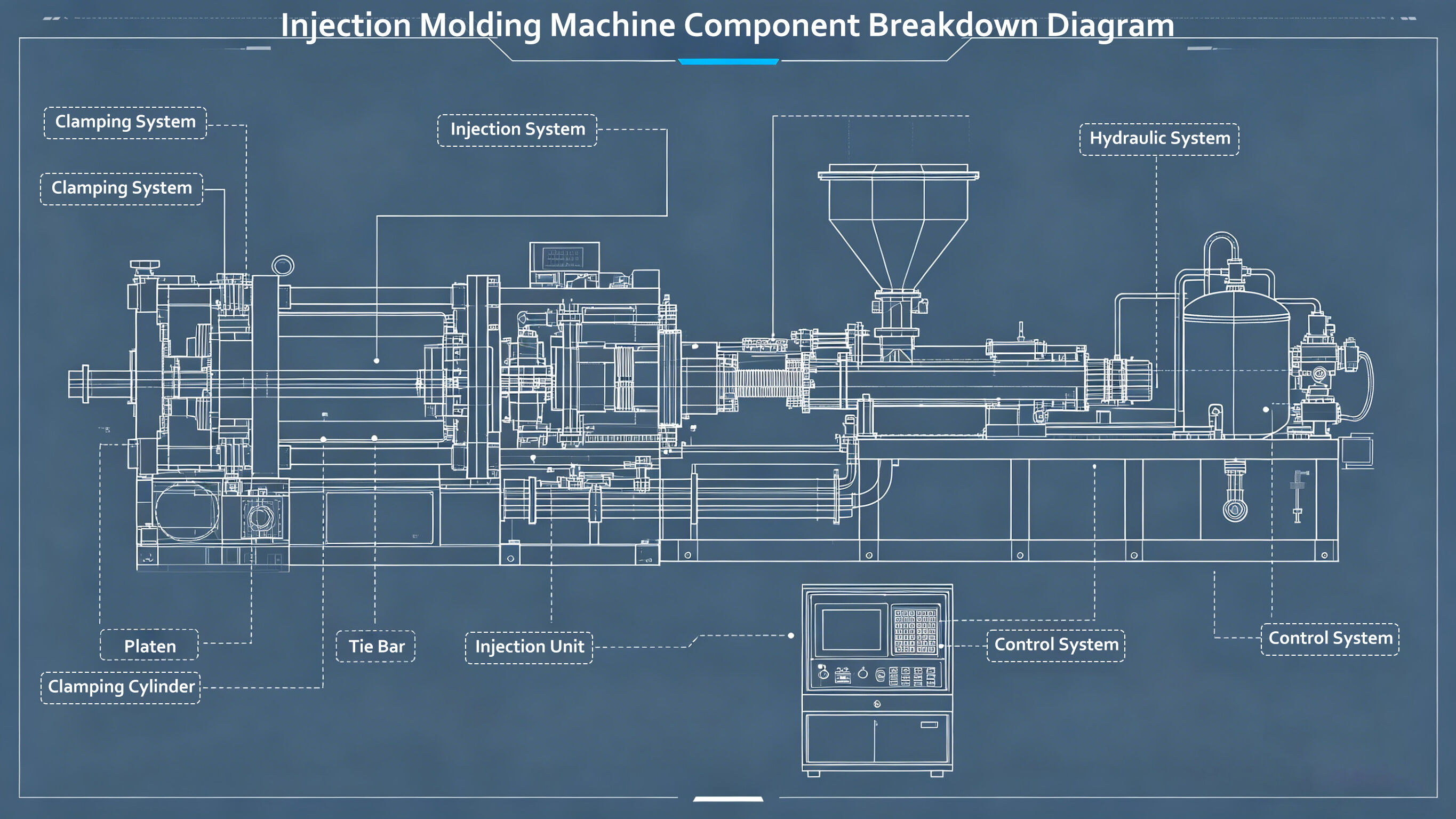
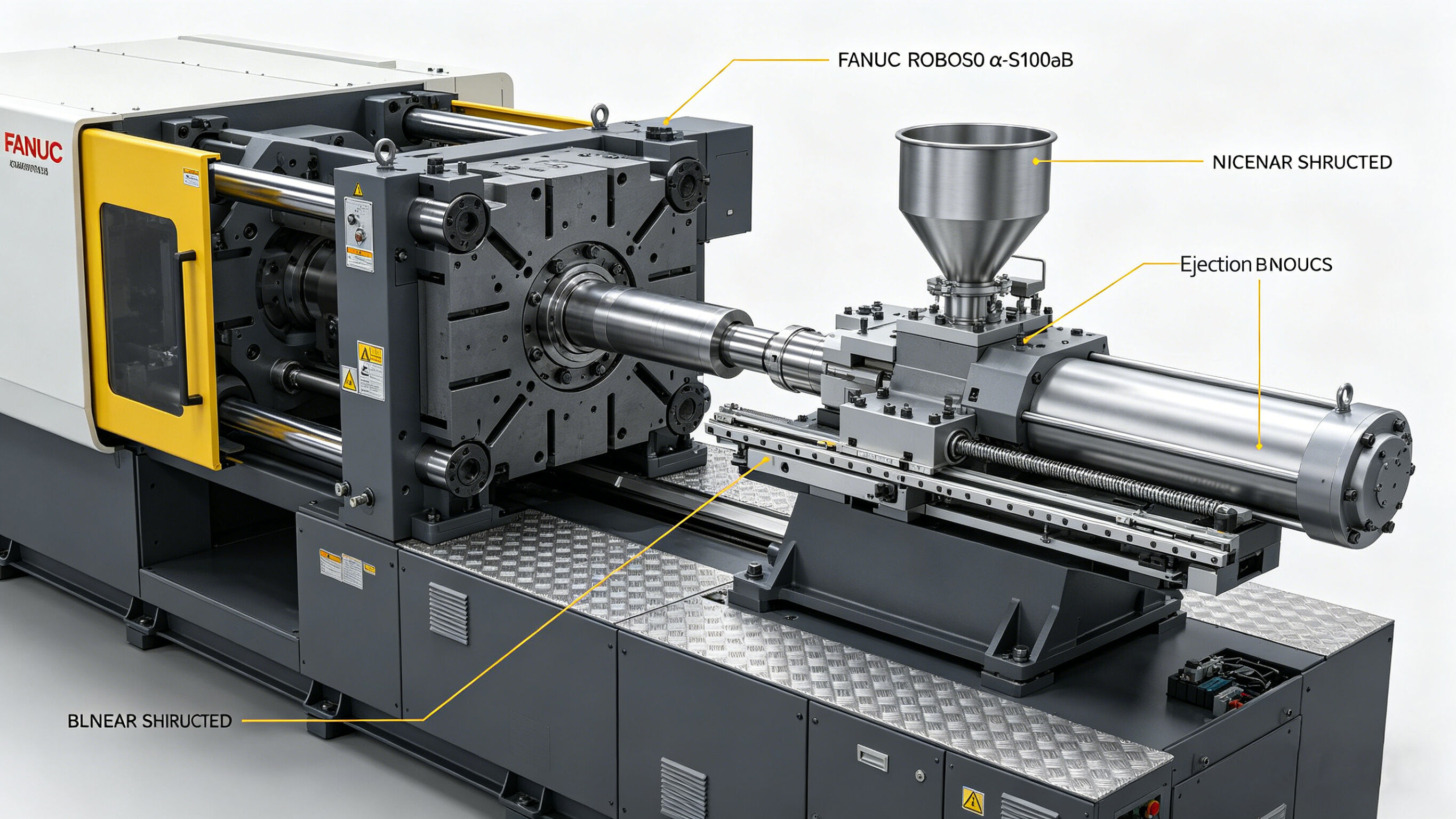
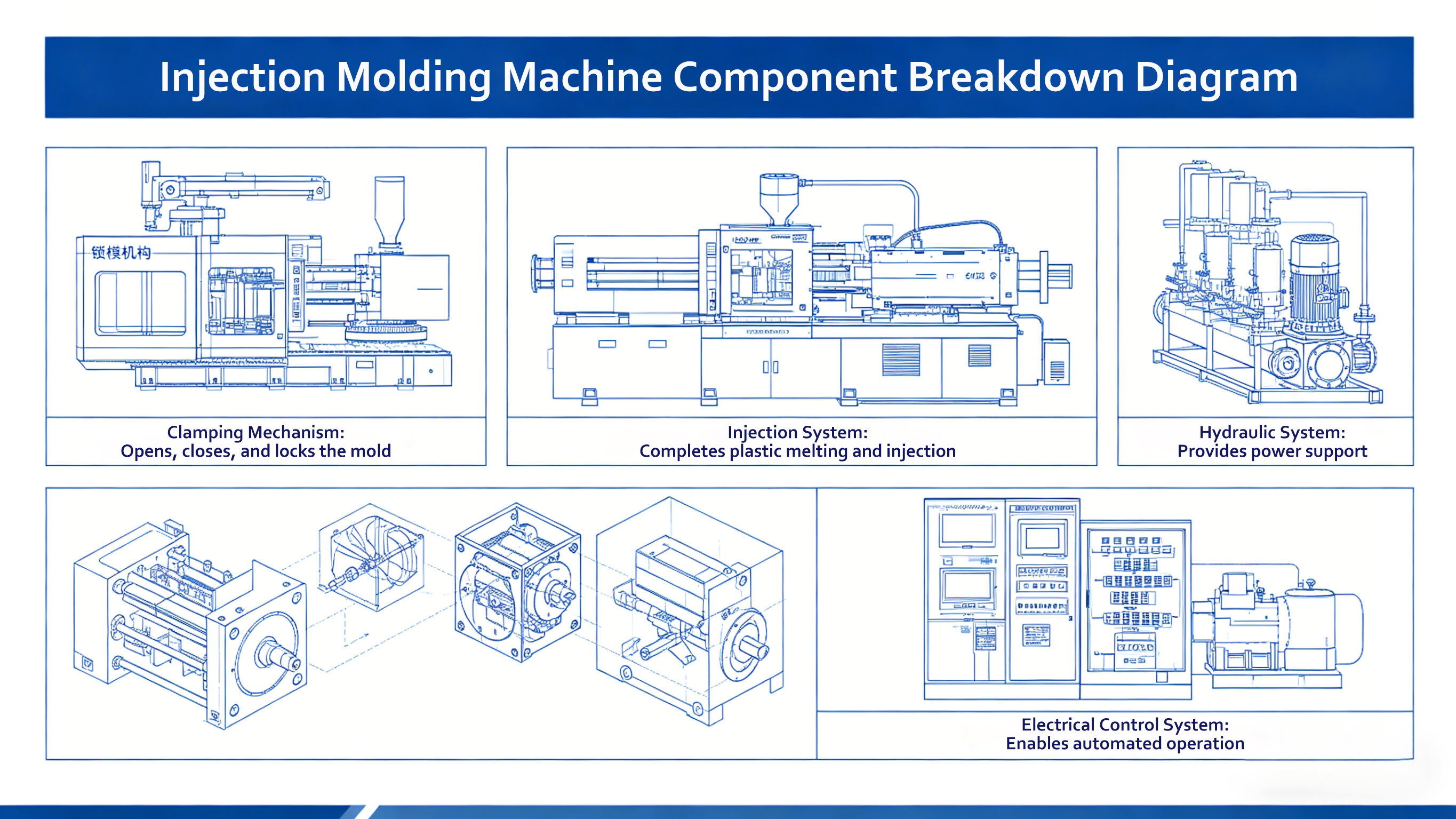
The injection system is critical for melting, mixing, and delivering molten plastic. Common issues include motor oscillation during plasticization, no injection action, and back pressure problems.
Motor Oscillation During Plasticization: This manifests as vibrations/noise from the drive motor, caused by gear damage, improper gear clearance, bent screws, or worn copper bushings. Troubleshoot by inspecting/replacing worn gears, adjusting gear clearance, replacing bent screws, and renewing worn bushings with proper lubrication.
No Injection Action: This critical failure stems from solenoid valve burnout, contaminated valve cores, insufficient pressure, low barrel temperature, damaged piston seals, broken check rings, or nozzle blockages. Start with electrical checks (test solenoid windings), clean/replace valves, verify pressure (80-150 MPa) and temperature settings (material-specific: ABS 210-240°C, PC 280-310°C), and replace worn seals, check rings, or clear nozzles.
Back Pressure and Feeding Problems: High back pressure (5-20 MPa recommended) causes overheating and high motor load; low back pressure leads to poor mixing. Check and clean back pressure valves, ensure adequate hopper cooling to prevent bridging, and replace worn screws/barrels if clearance is excessive.
2.2 Temperature Control Failures
Barrel overheating results from excessive screw speed (30-80 RPM recommended), high back pressure, worn screws/barrels, or incorrect settings. Verify temperature controls, thermocouples, and heating bands. Inconsistent temperature distribution (±3°C ideal) is fixed by inspecting heating bands, thermocouples, and barrel insulation. Nozzle temperature (10-20°C lower than barrel) prevents drooling or blockage.
2.3 Mechanical Wear
Screw/barrel wear (over 10% flight depth wear requires replacement) causes poor plasticization. Check ring failures lead to inconsistent shot weights; replace worn rings with manufacturer parts. Piston seal wear causes pressure loss; replace seals and inspect cylinder bores for scoring.
3. Clamping System Problems and Solutions
The clamping system ensures mold closure; common issues include insufficient force, uneven distribution, and mechanical failures.
Insufficient Clamping Force: Caused by hydraulic leaks, pump failures, or mechanical wear. Calculate required force (Projected Area × Cavity Pressure × 1.2-1.5 safety factor), adjust hydraulic pressure (80-150 bar), and replace worn toggle components or tie bars.
Uneven Force Distribution: Check platen parallelism (≤0.1mm/m), inspect toggle links for wear, and ensure proper mold installation with evenly torqued bolts.
Hydraulic System Issues: Leaks, pressure loss, and overheating (30-50°C ideal) are addressed by repairing leaks, replacing worn pumps/valves, cleaning coolers, and maintaining proper oil viscosity.
4. Ejection System Problems and Solutions
Ejection issues cause part damage and scrap; key problems include insufficient force, uneven distribution, and timing errors.
Insufficient Ejection Force: Ejection force (1/15 to 1/30 of clamping force) is improved by checking hydraulic pressure, replacing worn seals/rods, and optimizing speed. Uneven force is fixed by aligning/replacing ejector pins and inspecting the ejector plate.
Timing Problems: Ensure adequate cooling time (10-15 seconds per mm of wall thickness), calibrate position sensors, and verify controller programming.
Mechanical Wear: Replace ejector pins with >0.05mm wear, inspect guide pins/bushings, and maintain proper lubrication (high-temperature grease).
5. Precision Motion Components: Ball Screw and Linear Guide Issues
Ball screws and linear guides ensure precision; common issues include wear, backlash, and misalignment.
Ball Screw Wear: Caused by insufficient/contaminated lubrication or misalignment. Inspect for noise/vibration, measure positioning accuracy (±0.01mm ideal), and lubricate every 3-6 months with high-temperature grease. Excessive backlash (fixed by adjusting preload or replacing nuts) degrades accuracy.
Linear Guide Wear: Prevented by regular cleaning, lubrication, and alignment (±0.02mm/m ideal). Replace rails with >0.05mm clearance and correct misalignment with shimming or bolt adjustment.
6. Maintenance Best Practices
Preventive maintenance reduces downtime by 40-60%. Daily checks: inspect for leaks, verify temperatures/pressures, and test safety devices. Weekly checks: inspect hydraulic filters, lubricate components, and monitor cycle times. Monthly/quarterly checks: calibrate precision components, measure wear, and replace filters/seals. Annual overhauls include full inspection and component replacement.
Predictive technologies (vibration analysis, oil analysis, temperature monitoring) detect issues early. Invest in training, document maintenance, and maintain critical spare parts to optimize reliability.
7. Conclusion
Systematic troubleshooting of injection systems, clamping systems, ejection systems, and precision components is key to minimizing downtime and ensuring quality. By following preventive maintenance practices, using predictive technologies, and fostering technical expertise, engineers can maintain optimal machine performance, reduce costs, and enhance competitiveness.