 EN
EN
 AR
AR
 BG
BG
 CS
CS
 DA
DA
 NL
NL
 FI
FI
 FR
FR
 DE
DE
 EL
EL
 HI
HI
 IT
IT
 JA
JA
 KO
KO
 NO
NO
 PL
PL
 PT
PT
 RU
RU
 ES
ES
 SV
SV
 TL
TL
 ID
ID
 UK
UK
 VI
VI
 HU
HU
 TH
TH
 TR
TR
 FA
FA
 AF
AF
 MS
MS
 SW
SW
 GA
GA
 CY
CY
 BE
BE
 KA
KA
 LA
LA
 MY
MY
 TG
TG
 UZ
UZ


A Practical Guide for Precise Working Condition Matching
In industrial scenarios such as automated equipment, precision machine tools, and robots, linear guide rails are core transmission components that directly determine the operating accuracy, stability, and service life of equipment. Whether it is precision machining requiring micron-level positioning or automated production lines with high-frequency reciprocating motion, high-quality linear guide rails can "escort" equipment performance. This article concisely sorts out the core knowledge, selection skills, and typical application scenarios of linear guide rails to help you quickly grasp the key points.
1. First, Understand: What Exactly is a Linear Guide Rail? Structure and Principle Analysis
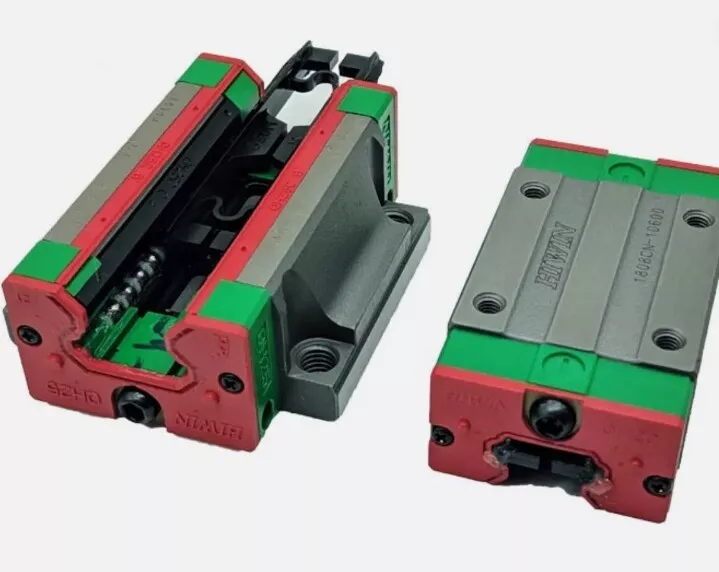
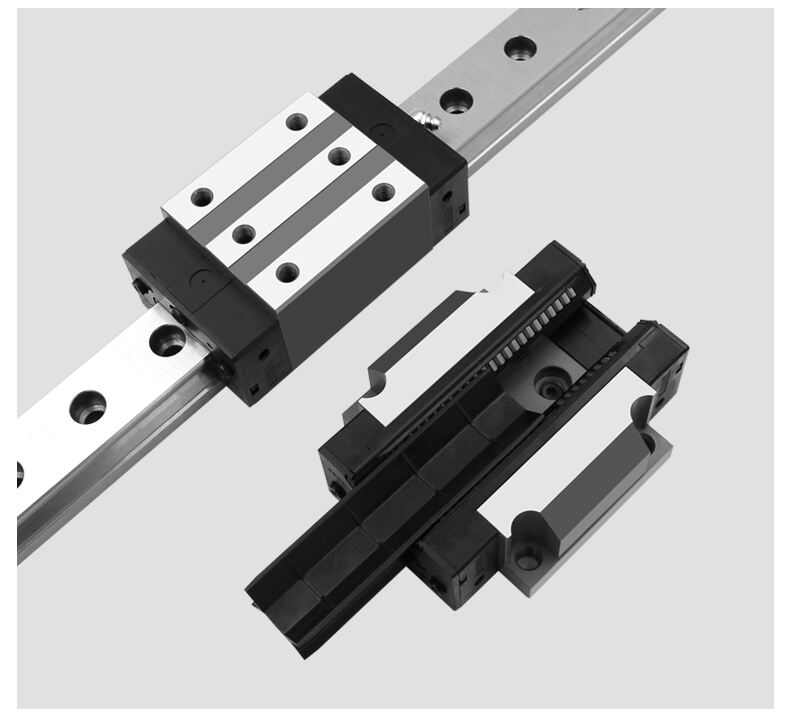
Linear guide rails, also often called linear slides, are essentially mechanical structures that "guide" moving components to move precisely along a straight line. Their core components are not complicated, mainly including the guide rail body, slider, steel balls, cage, and dust cover. The working principle is quite ingenious: the steel balls inside the slider roll in the raceway of the guide rail, converting the original sliding friction into rolling friction. This greatly reduces the movement resistance while firmly controlling the trajectory of the moving components to prevent "deviation".
2. Core Advantages of Linear Guide Rails
1. High Precision: Micron-Level Control is Feasible
High-quality linear guide rails undergo precision grinding, with a raceway precision reaching the micron level. Combined with high-precision steel ball transmission, they can achieve positioning error control at the 0.001mm level, meeting the needs of high-end scenarios such as semiconductor packaging and precision testing.
2. Low Friction: Maximum Operating Efficiency
The rolling friction coefficient is only 1/50 to 1/100 of that of traditional sliding guides, greatly reducing energy consumption. The maximum operating speed can reach more than 5m/s, while reducing the load on the drive motor and lowering operating costs.
3. Strong Load-Bearing Capacity: Capable of Handling Complex Working Conditions
The arc contact raceway design can evenly distribute the load, providing excellent radial, axial, and overturning load-bearing capacity, which can stably cope with complex working conditions such as heavy cutting of machine tools and heavy loads of robot arms.
4. Long Service Life: Less Maintenance and More Convenience
Made of SUJ2 bearing steel and subjected to heat treatment, the surface hardness reaches HRC58-62. Equipped with dust-proof and lubrication protection, the service life exceeds 100,000 hours under normal maintenance, reducing downtime maintenance costs.
5. Easy Installation: Strong Compatibility
The standardized design eliminates the need for complex debugging during installation; it can be fixed with positioning bolts. Different models have strong compatibility, facilitating equipment upgrade and replacement and reducing the difficulty of modification.
3. Consider Speed and Stroke: High Speed and Long Stroke Require Attention
For high-speed equipment, pay attention to the steel ball circulation and dust-proof design; for long-stroke equipment, select spliced guide rails and match them with extended sliders to ensure stability.
4. Adapt to Working Conditions: Customization for Special Environments
In dusty, humid, or corrosive environments, select models with stainless steel dust covers and corrosion-resistant coatings, and strengthen regular lubrication and cleaning.
5. Choose the Right Brand: Cost-Effectiveness is More Important Than "Fame"
Prioritize regular brands such as THK and HIWIN or high-quality domestic brands. Avoid blind pursuit of high grades; matching accuracy and models according to needs is more cost-effective.
4. Typical Application Scenarios
1. Machine Tools: The "Stabilizer" for Precision Cutting
Drive the workbench and turret to move precisely, ensuring the dimensional accuracy and surface finish of milling and other machining processes.
2. Automated Production Lines: The "Accelerator" for Efficiency Improvement
Improve the positioning efficiency of sorters and robotic arms. The express sorting line can handle thousands of pieces per hour, greatly improving the automation level.
3. Robot Field: The "Joint" for Flexible Operation
Assist the robot arm in flexible telescoping and rotation to complete precision operations such as welding and assembly. In collaborative robots, it cooperates with force sensors to ensure safety.
4. Medical Equipment: The "Guarantee" for Precision Diagnosis and Treatment
Drive the probes of CT and radiotherapy equipment to move precisely, ensuring the accuracy of detection and treatment and reducing damage to normal tissues.
5. Electronic Manufacturing: The "Expert" for Miniature Precision
Miniature guide rails are suitable for placement machines and lithography machines, achieving nanometer-level movement and ensuring the manufacturing of precision components such as chips.
5. Summary: Choose the Right Guide Rail to Build a "Solid Framework" for Equipment
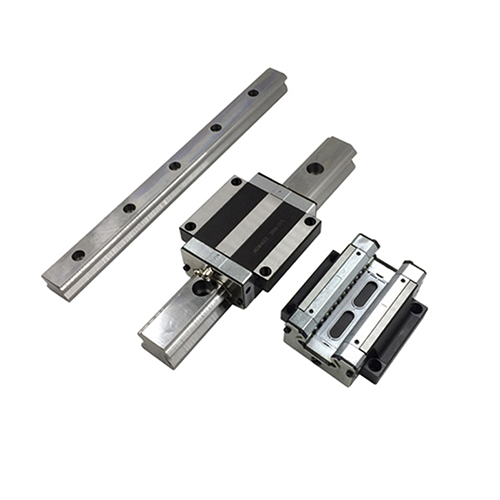
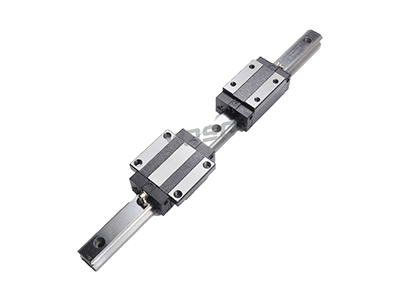
Linear guide rails are the "precision cornerstone" of industrial automation. Choosing the right product can significantly improve equipment performance and reduce costs. If you have questions about selection and maintenance, please contact our professional team for customized solutions.
If you are unsure about selecting linear guide rails—such as how to calculate the load, what kind of protection is suitable for your working conditions, or how to compare the cost-effectiveness of different brands—feel free to contact us. With more than ten years of experience in this industry and exposure to various complex working conditions, we can help you select the most suitable product to ensure your equipment operates more stably and durably.
Table of Contents
- 1. First, Understand: What Exactly is a Linear Guide Rail? Structure and Principle Analysis
-
2. Core Advantages of Linear Guide Rails
- 1. High Precision: Micron-Level Control is Feasible
- 2. Low Friction: Maximum Operating Efficiency
- 3. Strong Load-Bearing Capacity: Capable of Handling Complex Working Conditions
- 4. Long Service Life: Less Maintenance and More Convenience
- 5. Easy Installation: Strong Compatibility
- 3. Consider Speed and Stroke: High Speed and Long Stroke Require Attention
- 4. Adapt to Working Conditions: Customization for Special Environments
- 5. Choose the Right Brand: Cost-Effectiveness is More Important Than "Fame"
-
4. Typical Application Scenarios
- 1. Machine Tools: The "Stabilizer" for Precision Cutting
- 2. Automated Production Lines: The "Accelerator" for Efficiency Improvement
- 3. Robot Field: The "Joint" for Flexible Operation
- 4. Medical Equipment: The "Guarantee" for Precision Diagnosis and Treatment
- 5. Electronic Manufacturing: The "Expert" for Miniature Precision
- 5. Summary: Choose the Right Guide Rail to Build a "Solid Framework" for Equipment