EN
EN
 AR
AR
 BG
BG
 CS
CS
 DA
DA
 NL
NL
 FI
FI
 FR
FR
 DE
DE
 EL
EL
 HI
HI
 IT
IT
 JA
JA
 KO
KO
 NO
NO
 PL
PL
 PT
PT
 RU
RU
 ES
ES
 SV
SV
 TL
TL
 ID
ID
 UK
UK
 VI
VI
 HU
HU
 TH
TH
 TR
TR
 FA
FA
 AF
AF
 MS
MS
 SW
SW
 GA
GA
 CY
CY
 BE
BE
 KA
KA
 LA
LA
 MY
MY
 TG
TG
 UZ
UZ


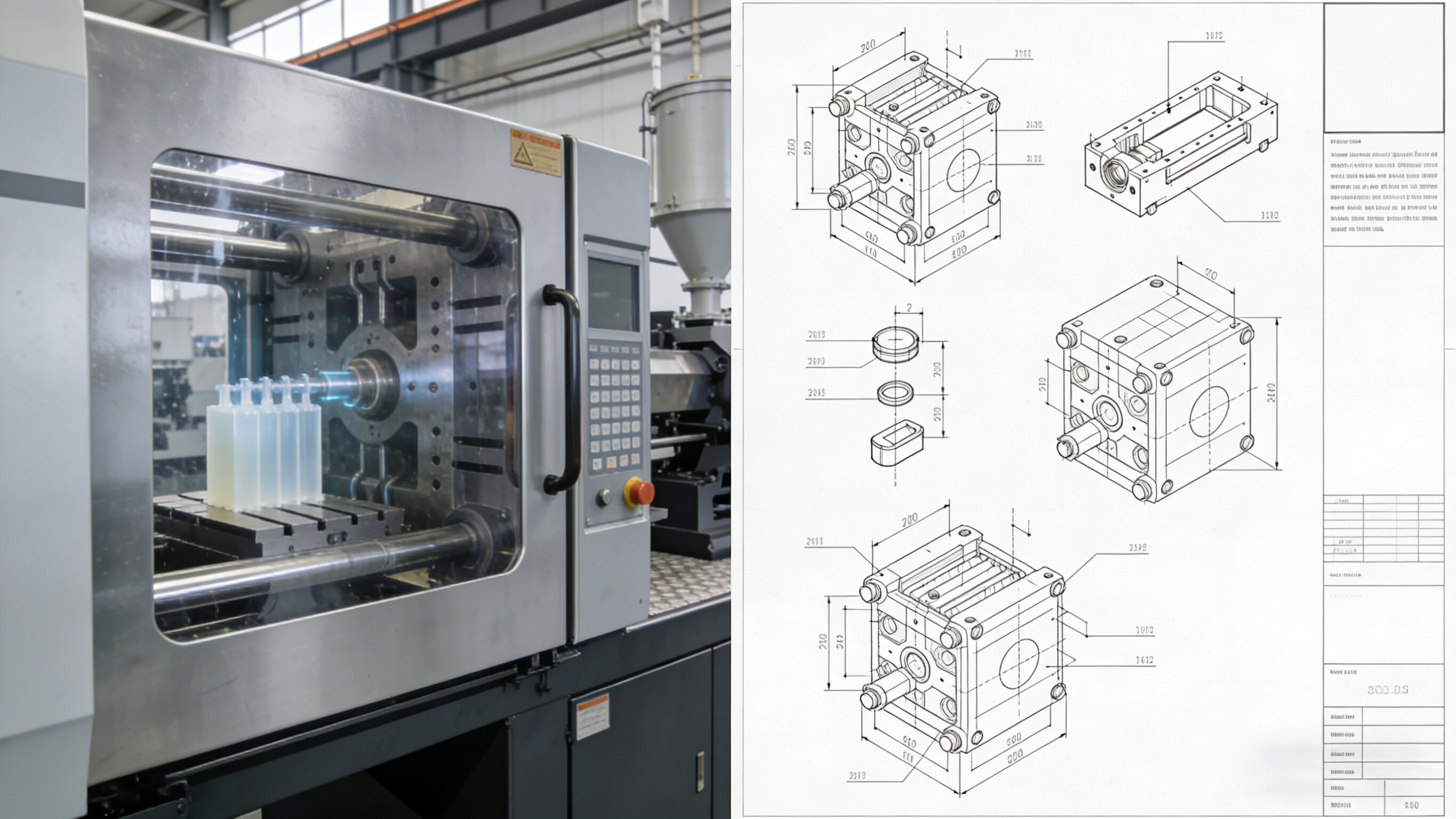
As the injection molding industry develops toward energy efficiency, high precision and high productivity, electric and hydraulic injection molding machines have become two mainstream equipment types. Their distinct transmission structures and working conditions lead to completely different ball screw selection standards. Improper ball screw selection reduces operating efficiency, shortens service life and increases long-term maintenance costs. This article analyzes the core selection differences between the two machine types and provides practical selection suggestions to help factories avoid common selection mistakes.
1. Core Transmission Differences Between Electric and Hydraulic Injection Molding Machines
Ball screw selection depends entirely on equipment transmission requirements. Electric and hydraulic injection molding machines adopt different driving logic, resulting in different performance demands for ball screws:
-
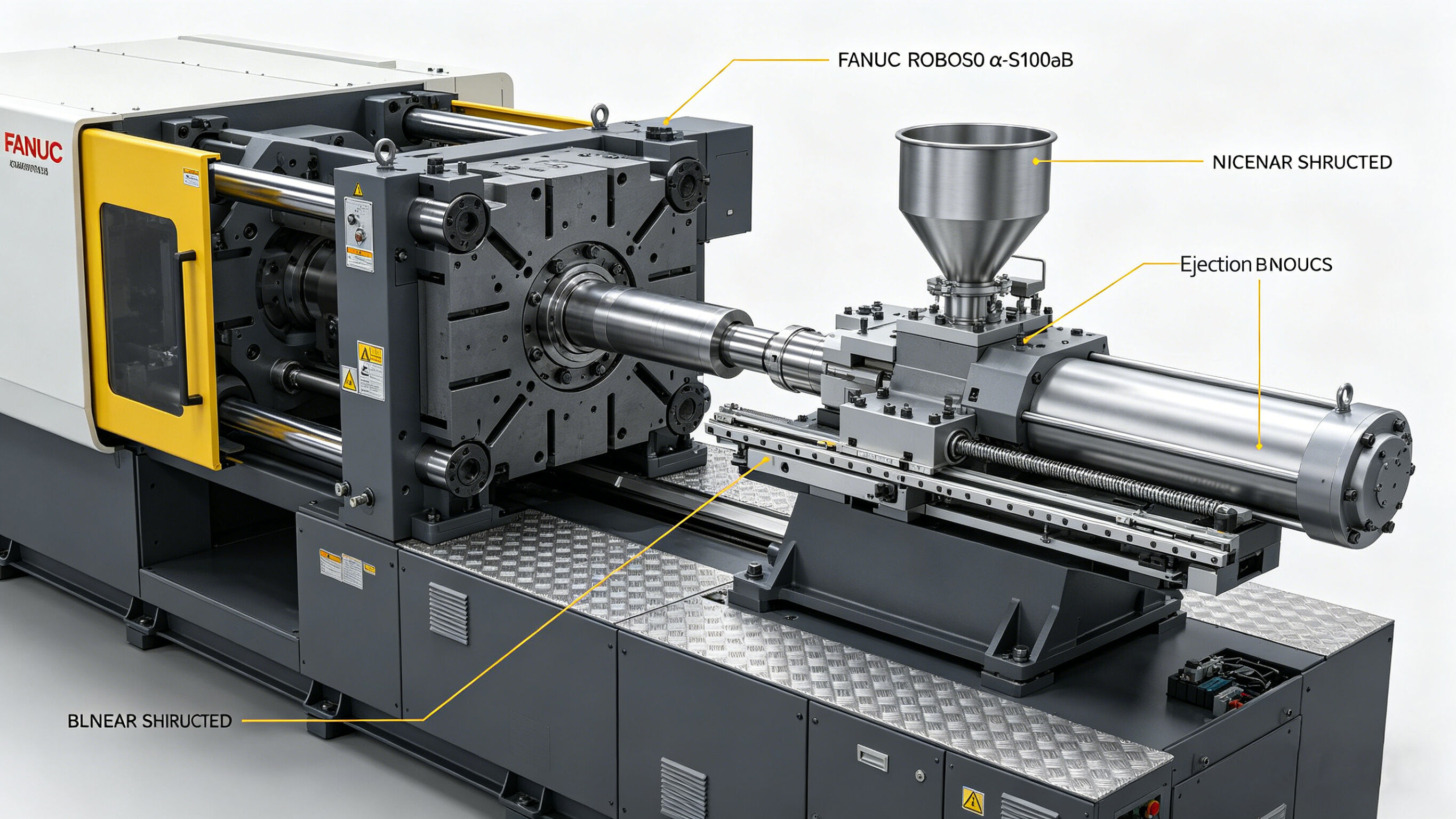
Electric Injection Molding Machine: Adopts direct motor-driven ball screw transmission with zero hydraulic loss, featuring high efficiency and ultra-high positioning accuracy. The ball screw undertakes all power transmission and precision positioning tasks, requiring strict standards for precision, speed and load capacity.
-
Hydraulic Injection Molding Machine: Mainly driven by hydraulic pressure. Ball screws are only used for auxiliary positioning mechanisms such as ejection and mold adjustment, without bearing major loads. It prioritizes stability and durability with relatively lower precision requirements.
2. Five Core Ball Screw Selection Differences
|
Selection Dimension
|
Electric Injection Molding Machine Requirements
|
Hydraulic Injection Molding Machine Requirements
|
|
Precision Grade
|
High precision required. C3 and C5 grades are preferred for injection and clamping axes to ensure high repeatability, suitable for precision electronic and medical molding.
|
Low precision required. C7 or C10 grades meet basic positioning needs, effectively controlling procurement costs without redundant precision performance.
|
|
Load Capacity
|
High load demand. Large-diameter heavy-duty ball screws (20-220mm) are required to withstand continuous high-power transmission and avoid accelerated wear.
|
Low load demand. Small-diameter standard ball screws (14-50mm) are sufficient for auxiliary positioning with low load pressure.
|
|
Speed Performance
|
High-speed optimized ball screws with improved circulation structure to reduce friction and noise, adapting to high-cycle efficient production.
|
Standard ball screws are adequate. No special high-speed design required; operational stability is the primary priority.
|
|
Material & Heat Treatment
|
High-strength alloy steel with specialized nitriding treatment, hardness reaching HRC 58-62, ensuring excellent wear resistance for long-term high-load operation.
|
Standard alloy steel with conventional heat treatment, hardness reaching HRC 55-58, meeting basic durability and cost-control requirements.
|
|
Lubrication & Sealing
|
High-temperature wear-resistant grease and high-efficiency dust-proof seals to prevent lubricant loss and contamination, maintaining long-term precision stability.
|
Conventional lubricant and basic dust seals are sufficient, with no need for complex sealing structures
|
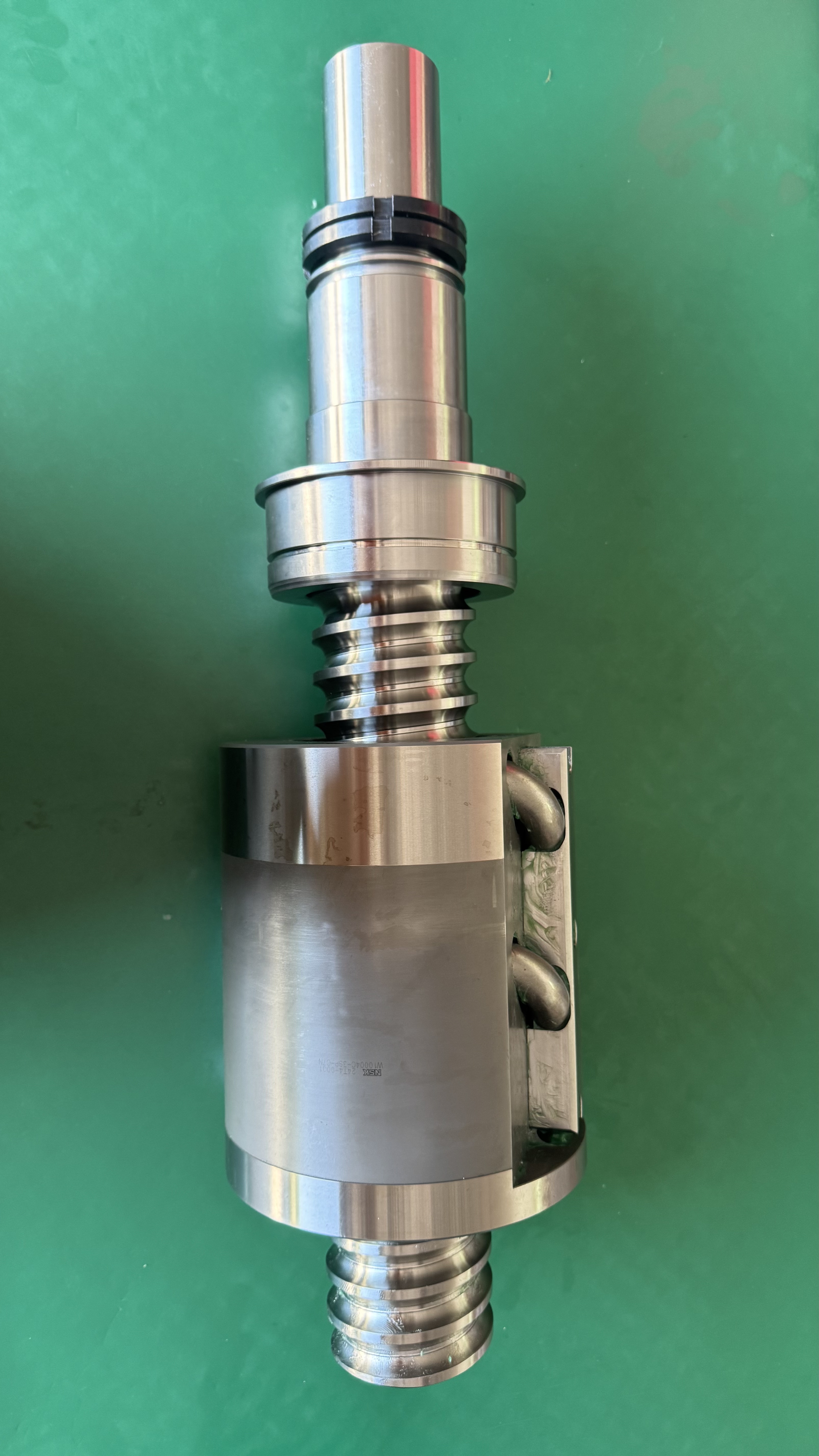
3. Supplementary Selection Suggestions by Machine Tonnage
In addition to machine type, injection molding machine tonnage directly determines ball screw load and precision requirements. The following targeted suggestions cover mainstream tonnage ranges:
3.1 Small Machines (≤100 Ton)
-
Electric Machine: C5 precision grade, 14-22mm diameter ball screws for micro precision molding of electronic components.
-
Hydraulic Machine: C7 precision grade, 14-18mm diameter ball screws for low-cost auxiliary positioning.
3.2 Medium Machines (100-500 Ton)
-
Electric Machine: C3/C5 precision grade, 22-60mm diameter ball screws for automotive connectors and home appliance part production, balancing load capacity and precision.
-
Hydraulic Machine: C7 precision grade, 18-30mm diameter ball screws for stable auxiliary operation.
3.3 Large & Extra-Large Machines (≥500 Ton)
-
Electric Machine: C3 high-precision grade, 60-220mm heavy-duty ball screws. Dual-ball screw designs are adopted for ultra-large models to enhance stability for automotive bumpers and large industrial parts.
-
Hydraulic Machine: C7 precision grade, 30-50mm diameter ball screws for key auxiliary mechanisms with cost-effective performance.
4. Common Ball Screw Selection Mistakes to Avoid
-
Universal Screw for Both Machine Types: Electric and hydraulic machines have completely different load and precision demands. Universal application causes insufficient precision for electric machines and cost waste for hydraulic machines.
-
Blind Pursuit of High Precision: C3/C5 high-precision screws are unnecessary for hydraulic injection machines, leading to redundant cost investment without performance improvement.
-
Ignoring Load Matching: Equipping electric machines with undersized ball screws causes overload wear, frequent failures and shortened service life.
Conclusion: The core principle of ball screw selection for electric and hydraulic injection molding machines is matching transmission performance and working conditions. Electric machines prioritize precision, load capacity and speed, while hydraulic machines focus on operational stability and cost control. Reasonable selection ensures stable and efficient equipment operation.