 EN
EN
 AR
AR
 BG
BG
 CS
CS
 DA
DA
 NL
NL
 FI
FI
 FR
FR
 DE
DE
 EL
EL
 HI
HI
 IT
IT
 JA
JA
 KO
KO
 NO
NO
 PL
PL
 PT
PT
 RU
RU
 ES
ES
 SV
SV
 TL
TL
 ID
ID
 UK
UK
 VI
VI
 HU
HU
 TH
TH
 TR
TR
 FA
FA
 AF
AF
 MS
MS
 SW
SW
 GA
GA
 CY
CY
 BE
BE
 KA
KA
 LA
LA
 MY
MY
 TG
TG
 UZ
UZ


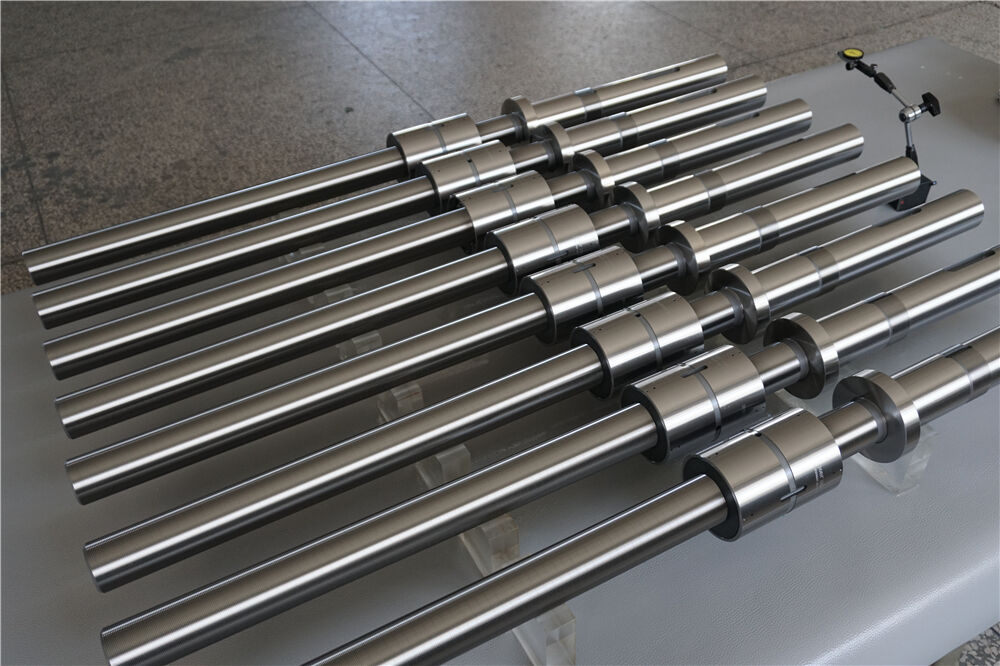
စက်မှုအလိုအလျောက်ပေးစေသည့် အလေးချိန်များကို သယ်ဆောင်နိုင်မှု၊ အထူးတိကျမှုနှင့် အသက်တာရှည်မှုတို့ကို ရရှိရန် ရှာဖွေနေစဉ်တွင် ဂြိုလ်သုံး ရိုလာ စကရူးများ စက်မှုလုပ်ငန်းတွင် အထူးခြားဆုံး ပိုမိုမြင့်မားသော စွမ်းဆောင်ရည်များကို ပေးစွမ်းနိုင်သည့် အများအားဖြင့် “ပိုမိုမြင့်မားသော ချောင်းမှုန်းမှု” အဖြစ် အသိအမှတ်ပြုခံရသည့် ပလနက်တရီ ရိုလာ စကူး (Planetary Roller Screw) များသည် စွမ်းဆောင်ရည်များကို အထူးခြားဆုံး အဆင့်များသို့ မြင့်တင်ပေးပါသည်။ ရိုးရာ ဘော်လ် စကူး (Ball Screw) များနှင့် ထရပ်ပီဇွိုယောဒယ် စကူး (Trapezoidal Screw) များနှင့် ကွဲပါသည်။ ပလနက်တရီ ရိုလာ စကူးများသည် ချောင်းမှုန်းမှု ရိုလာများနှင့် စကူး ရှာဖ် (Screw Shaft) အကြား များစွာသော အမှတ်များတွင် မှန်ကန်စွာ ထိတွေ့မှု ရှိစေရန် ဒီဇိုင်းပြုလုပ်ထားပါသည်။ ထိုကြောင့် လေကြောင်းအာကာသ၊ အလေးချိန်များသော စက်ကူးမှုန်းမှုများနှင့် ဆေးဘက်ဆိုင်ရာ ပစ္စည်းများကဲ့သို့သော ခေတ်မှီသော နယ်ပယ်များတွင် အသုံးပြုရန် မရှိမဖြစ် ဖြစ်လာပါသည်။ ဤဆောင်းပါးတွင် ပလနက်တရီ ရိုလာ စကူးများ၏ အဓိက အားသာချက်များ၊ နည်းပညာဆိုင်ရာ ကွဲပြားမှုများ၊ ရွေးချယ်ရန် လမ်းညွှန်ချက်များနှင့် လက်တွေ့အသုံးပြုမှုများကို စုံစမ်းလေ့လာထားပါသည်။ ထို့ကြောင့် သင့်အား စွမ်းဆောင်ရည်များကို အကောင်းများဆုံး အသုံးပြုနိုင်ရန် အထူးခြားဆုံး အလုပ်အမှုဆောင်မှုများအတွက် အကူအညီဖေးမှုပေးပါသည်။
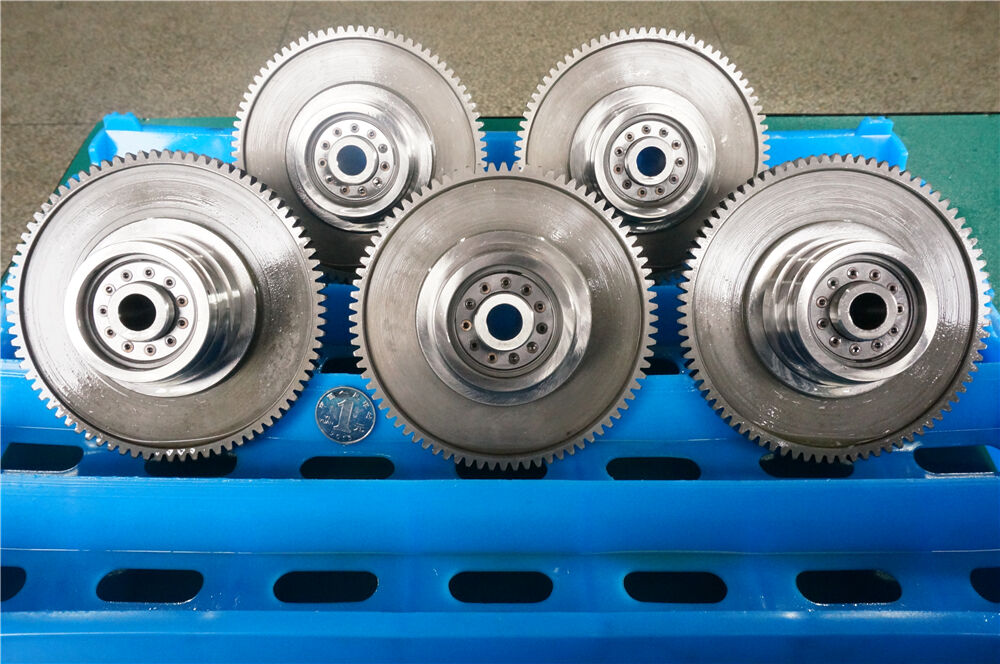
I. အဓိက အားသာချက်များ ဂြိုလ်သုံး ရိုလာ စကရူးများ ထုံးစွဲသော မတ်ဂ်ဖ်မှု လှုပ်ရှားမှု ဖြေရှင်းနည်းများကို ကျော်လွန်ခြင်း
ဂြိုလ်သုံး ရိုလာ စကྲူးများ၏ အထူးကောင်းမွန်သော စွမ်းဆောင်ရည်သည် ၎င်းတို့၏ တီထွင်ဖန်တီးမှုမှု ဖွဲ့စည်းပုံ ဒီဇိုင်းမှ ဆင်းသက်လာပြီး ၎င်းသည် ပုံမှန် စကྲူးများ၏ အားနည်းချက်များကို ဖြေရှင်းပေးပါသည်။ ၎င်းတို့၏ အဓိက အားသာချက်များမှာ အောက်ပါအတိုင်းဖြစ်ပါသည်။
၁။ အထူးကောင်းမွန်သော ဘောင်ခံနိုင်စွမ်းနှင့် မှန်ကန်မှု
ဘောလ် စကྲူးများသည် အမှတ်စုတ်မှု (point contact) ပေါ်တွင် အခြေခံပါသည်။ သို့သော် ဂြိုလ်သုံး ရိုလာ စကྲူးများသည် ဂြိုလ်သုံး ရိုလာများနှင့် စကྲူး ဝိုင်ယာ အကြား မှုန်းမှု (line contact) ကို အသုံးပြုပါသည်။ ဤဒီဇိုင်းသည် ပိုမိုကြီးမားသော မှုန်းမှုဧရိယာပေါ်တွင် ဘောင်ခံမှုများကို ဖြန့်ဖြူးပေးပါသည်။ ထို့ကြောင့် အလားတူ အရွယ်အစားရှိသော ဘောလ် စကྲူးများနှင့် နှိုင်းယှဉ်ပါက ဂြိုလ်သုံး ရိုလာ စကྲူးများသည် စိတ်ဖိစီးမှု ၃ ဆ အထိ ခံနိုင်ရည်ရှိပါသည်။ အချို့သော မော်ဒယ်များတွင် အမှန်တကယ် အသုံးပြုနိုင်သော ဒိုင်နမစ် ဘောင်ခံမှုများသည် ၁၀၀၀ ကီလိုနျူတန် (kN) ကျော်ရှိပါသည်။ မှုန်းမှု ပိုမိုကောင်းမွန်ခြင်းကြောင့် အက်စီယယ် မှန်ကန်မှု (axial rigidity) သည် အထူးကောင်းမွန်ပါသည်။ ထို့ကြောင့် အလေးချိန်များသော ဘောင်ခံမှုများအောက်တွင် ပုံပေါ်မှုများ မဖြစ်ပါသည်။ ထို့ကြောင့် ထုံးစွဲသော ပုံစံများဖြစ်သည့် အင်ဂျက်ရှင် မော်ရ်လ်ဒ်င်း စက်များ၏ ကလမ်ပ် စနစ်များနှင့် အလေးချိန်များသော စက်မှု ကိရိယာများ၏ ဖီဒ် စနစ်များကဲ့သို့သော အဖိအားများသော အခြေအနေများတွင် တည်ငြိမ်သော တိကျမှုကို အာမခံပေးပါသည်။
၂။ အသက်တာ ရှည်လျားခြင်းနှင့် ထိခိုက်မှု ခံနိုင်ရည်
အကောင်းဆုံးဖြစ်သော ဖိအားဖြန့်ဝေမှုကြောင့် ဂြိုလ်သုံး ရိုလာ ချောက်များသည် နေရာကွက်အလိုက် ပုံမှန်မဟုတ်သော ပုံပိုင်းဆိုင်ရာ ပျက်စီးမှုများကို လျော့နည်းစေပါသည်။ ဟာတ့စ် ၏ ဖိအားနောက်ခံသီအိုရီအရ ဤချောက်များ၏ အသုံးပြုနိုင်သည့် ကာလသည် ဘောလ်ချောက်များထက် ၁၅ ဆ ပိုမိုရှည်လျားပါသည်။ ထို့ကြောင့် စက်ပစ္စည်းများ အလုပ်မလုပ်နေသည့် အချိန်များ (downtime) နှင့် ထိန်းသိမ်းရေးစရိတ်များကို သိသိသာသာ လျော့နည်းစေပါသည်။ ထို့အပြင် ချောက်များ၏ အားကောင်းသော ဖွဲ့စည်းပုံသည် ထိခိုက်မှုကို ခံနိုင်ရည်ရှိပါသည်။ ထိုကြောင့် လေတုံးဖောင်း မောင်းနှင်မှု ထိန်းချုပ်စနစ်များ (wind turbine pitch control systems) နှင့် မိဿ္စိလ် မောင်းနှင်မှု စနစ်များ (missile launcher adjustments) ကဲ့သို့သော အလုပ်လုပ်ရာတွင် အပိုင်းအစများအပေါ် အစဥ်အမျှ ဖိအားပေးခြင်း သို့မဟုတ် ရုတ်တရက် ထိခိုက်မှုများ ရှိသည့် ပြင်ပေါ်တွင် အလွန်မှ စိတ်ချရသော အသုံးပြုမှုများကို ဖော်ပေးနိုင်ပါသည်။
၃။ သေးငယ်သော အရွယ်အစားနှင့် လွယ်ကူစွာ ပြောင်းလဲနိုင်သော လီဒ် ဒီဇိုင်း
တူညီသော ဘာရင်းအားလုပ်ဆောင်မှုလိုအပ်ချက်များအောက်တွင် ဂြိုလ်သုံး ရိုလာ စကြွင်းများသည် ဘောလ်စကြွင်းများထက် ၁/၃ နှင့် အနည်းငယ်သာ နေရာယူပါသည်။ ထို့ကြောင့် ၎င်းတို့သည် တပ်ဆင်ရန် နေရာကုန်နေသော စက်ကွမ်းများအတွက် အကောင်းဆုံးဖြစ်ပါသည်။ ၎င်းတို့၏ လီဒ် (လှည့်ပတ်မှုတစ်ခါလျှင် ဖြစ်ပေါ်သော မှန်ဖီးသော ရွေ့လျားမှု) သည် ရိုလာအချင်းပေါ်တွင် မှီခိုမှုမရှိပါ၊ ထို့ကြောင့် အလွန်သေးငယ်သော လီဒ်များ (၀.၅ မီလီမီတာထက် နည်းသော) သို့မဟုတ် အထူးပြုထားသော ဒသမ လီဒ်များ (ဥပမါ- လှည့်ပတ်မှုတစ်ခါလျှင် ၃.၃၂ မီလီမီတာ) ကို အသုံးပြုနိုင်ပါသည်။ ထို့ကြောင့် အပိုဆောင်း လျော့ချရေး ဂီယာများ မလိုအပ်တော့ပါ။ ထို့ကြောင့် စနစ်ဒီဇိုင်းကို ရှုပ်ထွေးမှုနည်းအောင် ရှင်းလင်းစေပါသည်။ ထို့အတူ အတိမ်အနက်မြင့်မားသော မိုက်ခရို-ဖီဒင်း စွမ်းရည်ကို ထိန်းသိမ်းပေးပါသည်။
၄။ အမြန်နှုန်းမြင့်နှင့် အသံနည်းသော လုပ်ဆောင်မှု
ဘောလ်ပြန်လာ စနစ်များ၏ DN တန်ဖိုး ကန့်သတ်ချက်များမှ လွတ်မောက်နေသောကြောင့် ဂြိုလ်သုံး ရိုလာ စကြွင်းများသည် မှန်ဖီးသော အမြန်နှုန်း ၂၀၀၀ မီလီမီတာ/စက္ကန်း နှင့် လှည့်ပတ်မှုနှုန်း ၅၀၀၀ rpm အထိ ရောက်ရှိနိုင်ပါသည်။ အရှိန်မြင့်မှုသည် ၃g အထိ ရောက်ရှိနိုင်ပါသည်။ ရိုလာများနှင့် စကြွင်းဝိုင်ယာ ပိုမိုချောမွေ့စွာ လုပ်ဆောင်မှုကြောင့် ဗီဘရေးရှင်းနှင့် အသံများ အလွန်နည်းပါသည်။ ထို့ကြောင့် သန့်စင်ခန်းများ၊ ဆဲမီကွန်ဒတ် စက်ကွမ်းများနှင့် ဆေးဘက်ဆိုင်ရာ ကိရိယာများတွင် အသံနည်းသော လုပ်ဆောင်မှု လိုအပ်ချက်များကို ဖော်ထောက်ပေးပါသည်။
၅။ အတိမ်အနက်မြင့်မားခြင်းနှင့် ပတ်ဝန်းကျင်နှင့် ကိုက်ညီမှုရှိခြင်း
အဝိုင်းမဟုတ်သော thread design ကို screwdriver ကို exceptional lead precision ကိုကူညီပေးသည်၊ ပုံမှန်တိကျမှုဂရပ်များ (KL10) သည် 315mm stroke တွင် ± 0.01mm နှင့်မြင့်မားသောတိကျမှုဂရပ်များ (KL5) တွင် ± 0.005mm အထိရောက်သည်။ ထို့အပြင် ၎င်းတို့သည် ခက်ခဲသော ပတ်ဝန်းကျင်များတွင် ယုံကြည်စိတ်ချရစွာ လုပ်ဆောင်နိုင်သည်- အနိမ့်အပူချိန်၊ ဖုန်မှုန့်၊ ဓာတုမြေပုံများနှင့် ဆီလူးခြင်း ကင်းမဲ့မှုတောင်မှ ခံနိုင်ရည်ရှိသည်- အလွန်ပြင်းထန်သော စက်မှုပတ်ဝန်းကျင်များတွင် ဘောလုံးခွံများကို ကျော်လွှားနိုင်

II. ဂြိုလ်သုံး ရိုလာ စကရူးများ ball Screws နှင့် နှိုင်းယှဉ်ခြင်း vs. Trapezoidal Screws နှင့် နှိုင်းယှဉ်ခြင်း - အဓိက စွမ်းဆောင်ရည်နှိုင်းယှဉ်မှု
မှန်ကန်တဲ့ မျဉ်းလိုက် လှုပ်ရှားမှု အစိတ်အပိုင်းကို ရွေးချယ်ခြင်းဟာ ဝန်ထုပ်၊ တိကျမှု၊ အမြန်နှုန်းနဲ့ ကုန်ကျစရိတ်ကို ဟန်ချက်ညီအောင် လုပ်ပေးခြင်းအပေါ် မူတည်ပါတယ်။ အဓိကသုံးမျိုးသော ပိုက်အမျိုးအစားကို အသေးစိတ်ယှဉ်ကြည့်ပါ-
Trapezoidal Screws - အတိကျမှုနိမ့်ပါးသော ဝန်အလေးချိန်များအတွက် စုစုပေါင်းကုန်ကုန်စရိတ်သက်သာသော ရွေးချယ်မှု
စက်ဝိုင်းပုံစံ ချောင်းများသည် ရှိပ်ချောင်းဖောက်မှုကို အသုံးပြုပြီး ဒေါင်လိုက် ဘောင်တန်းများအတွက် အလွန်ကောင်းမွန်သော ကိုယ်ပိုင် အောက်ချောင်းဖောက်မှု စွမ်းရည်များ (အပိုဆောင်း အရှိန်လျှော့စနစ် မလိုအပ်) နှင့် ထိန်းသိမ်းရေး စရိတ်နည်းပါးမှုတို့ကို ပေးစေပါသည်။ သို့သော် ၎င်းတို့၏ အပိုဆောင်း အောက်ချောင်းဖောက်မှု စွမ်းရည်များသည် ၃၀% မှ ၅၀% သာ ရှိပြီး အမြန်နှုန်းကို ၁၀၀ rpm အထိသာ ကန့်သတ်ထားပါသည်။ နေရာချထားမှု တိကျမှု (±၀.၁ mm မှ ±၀.၅ mm) သည် ဂြိုလ်တု ချောင်းများနှင့် ဘောလ်ချောင်းများထက် အတော်လေး နိမ့်ပါသည်။ ထို့ကြောင့် ၎င်းတို့သည် မြင့်မားသော စျေးနှုန်းများ မပါဝင်သော နိမ့်သော တိကျမှုရှိသော အသုံးပုံအများအားဖြင့် မြှင့်တင်ရေး ပလက်ဖောင်းများနှင့် တံခါးထောင်များ ထိန်းချုပ်ရေး စနစ်များတွင် အသုံးပြုရန် သင့်တော်ပါသည်။
ဘောလ်ချောင်းများ - စံသတ်မှတ်ချက်အတိုင်း တိကျမှုရှိသော အသုံးပုံများအတွက် အထူးကောင်းမွန်သော အပိုဆောင်း အောက်ချောင်းဖောက်မှု
ဘောလ်ချောင်းများသည် အပိုဆောင်း အောက်ချောင်းဖောက်မှု စွမ်းရည် ၈၅% မှ ၉၅% နှင့် ±၀.၀၁ mm အထိ တိကျမှုကို ပေးစေပါသည်။ ထို့ကြောင့် ၎င်းတို့သည် အထုပ်အပိုး အလုပ်လုပ်မှု စက်ကူးသော ပစ္စည်းများအတွက် အကောင်းဆုံး ဖြစ်ပါသည်။ သို့သော် ၎င်းတို့၏ အမှတ်တို့ ထိတ်တွေ့မှု ဒီဇိုင်းသည် ဘောင်တန်း စွမ်းရည်ကို (၁၀၀ kN အထိ) နှင့် ထိခိုက်မှု ခံနိုင်ရည်ကို ကန့်သတ်ထားပါသည်။ ထို့အပ besides ဂြိုလ်တု ရောလာချောင်းများနှင့် နှိုင်းယှဉ်လျှင် အသက်တာ တိုတောင်းပါသည်။ ထို့အပြင် ၎င်းတို့သည် ကိုယ်ပိုင် အောက်ချောင်းဖောက်မှု မရှိသောကြောင့် ဒေါင်လိုက် အလုပ်လုပ်မှုအတွက် အပိုဆောင်း အရှိန်လျှော့စနစ်များ လိုအပ်ပါသည်။ ထို့ကြောင့် စနစ်၏ ရှုပ်ထွေးမှုကို တိုးမောင်းပေးပါသည်။
ဂြိုလ်တု ရောလာချောင်းများ - လေးလေးနက်နက် အလုပ်လုပ်ရေး တိကျမှုအတွက် စိန်ခေါ်မှုများ များစွာရှိသော အသုံးပုံများအတွက်
ဂြိုလ်သုံး ရိုလာစကြူးများသည် ဘောလ်စကြူးများ၏ အတိကျမှုမြင့်မားမှုနှင့် ထရပီဇွိုဒယ်စကြူးများ၏ ဝန်ခံနိုင်မှုကို ပေါင်းစပ်ထားပြီး စွမ်းဆောင်ရည် ၈၀% မှ ၉၀%၊ ဝန်ခံနိုင်မှု ၂၀၀ kN မှ ၁၀၀၀ kN နှင့် တိကျမှု ±၀.၀၂ mm မှ ±၀.၁ mm အထိ ပေးစေသည်။ သို့ရှိသော် ၎င်းတို့သည် ကိုယ်ပိုင်ချုပ်ထားနိုင်မှုမရှိခြင်းနှင့် ဝယ်ယူရေးစရုပ်များ များပေါများပေါ (ဘောလ်စကြူးများ၏ ၃ မှ ၅ ဆ) ဟု အားနည်းချက်ရှိသော်လည်း အသက်တာရှည်ခြင်းနှင့် ယုံကြည်စိတ်ချရမှုများသည် အလေးချိန်များပြီး တိကျမှုလိုအပ်သော အဆင့်မြင့်အသုံးပုံအတွက် ရင်းနှီးမှုကို အကျေးဇူးပုံဖော်ပေးသည်။
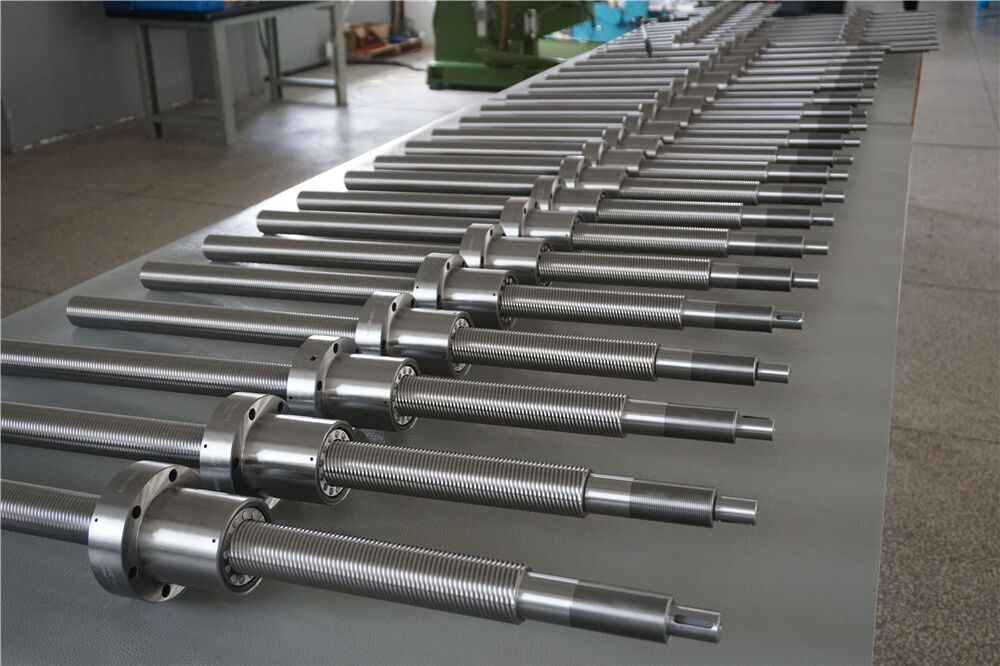
III. ကျွမ်းကျင်သူများ၏ ရွေးချယ်ရေးလမ်းညွှန် ဂြိုလ်သုံး ရိုလာ စကရူးများ
ဂြိုလ်သုံး ရိုလာစကြူးများကို မှန်ကန်စွာရွေးချယ်ရန်အတွက် အကောင်အထောက်ပေးမှု၏ အဓိက အချက်များကို အကဲဖြတ်ရန် လိုအပ်ပါသည်။ အောက်ပါအဆင့်များကို လိုက်နာပါ။
၁။ အဓိက အသုံးပုံလုပ်ဆောင်ချက်လိုအပ်ချက်များကို သတ်မှတ်ပါ
ပထမဦးစွာ ဘောင်တွင် ဖော်ပြထားသော အချက်များကို ရှင်းလင်းပေးပါ။ ဥပမာ— အဝန်ပေးမှုအများအားဖြင့် စတေတစ်/ဒိုင်နမစ် အဝန်၊ အားသောက်အဝန် (impact load)၊ လှုပ်ရှားမှုညွှန်ပ indicators (အမြန်နှုန်း၊ အရှိန်မှုန်၊ လှုပ်ရှားမှုအကွာအဝေး)၊ တိကျမှုလိုအပ်ချက်များ (အနေအထားတိကျမှု၊ ထပ်ခါထပ်ခါ အနေအထားသတ်မှတ်မှုအမှား)၊ ပတ်ဝန်းကျင်အခြေအနေများ (အပူချိန်၊ မှုန်မှုန်၊ သု lubrication ရရှိမှု)။ ဥပမာအားဖြင့် လေကြောင်းအာကာသ အသုံးပြုမှုများတွင် အလွန်မှ ယုံကြည်စိတ်ချရမှုနှင့် အပူချိန်ခံနိုင်ရည်ရှိမှုကို လိုအပ်ပြီး ဆဲမီကွန်ဒတ်ကိရိယာများတွင် တိကျမှုနှင့် အမှုန်အနည်းငယ်သာထုတ်လုပ်နိုင်မှုကို အဓိကထားပါသည်။
၂။ သင့်တော်သော ပိုက်ကြေးအမျိုးအစားနှင့် နတ်ချိတ်အမျိုးအစားကို ရွေးချယ်ပါ
ဂြိုလ်သုံး ရိုလာပိုက်ကြေးများကို မှုန်းမှုန်းမှုမရှိသော အမျိုးအစားများ (RGT/RGTB စီးရီး)၊ မှုန်းမှုန်းမှုရှိသော အမျိုးအစားများ (RGTR စီးရီး) နှင့် အထူးအသုံးပြုမှုများအတွက် ပေါ်လောင်းပိုက်ကြေးများ (RGTI စီးရီး) ဟု အမျိုးအစားခွဲထားပါသည်။ ခိုင်မာမှုလိုအပ်ချက်များအရ နတ်ချိတ်အမျိုးအစားများ (တစ်ခုတည်းသော နတ်ချိတ်၊ နတ်ချိတ်နှစ်ခု၊ ကြိုတင်ဖောင်းပေးထားသော နတ်ချိတ်) ကို ရွေးချယ်ပါ— ကြိုတင်ဖောင်းပေးထားသော နတ်ချိတ်များသည် အလွန်တိကျသော အနေအထားသတ်မှတ်မှုအတွက် ပြန်လည်အနေအထားသတ်မှတ်မှုအမှား (backlash) ကို ဖယ်ရှားပေးပြီး တစ်ခုတည်းသော နတ်ချိတ်များသည် အထုပ်အပိုးအဝန်များအတွက် သင့်တော်ပါသည်။
၃။ အဝန်စွမ်းရည်နှင့် အသုံးပြုနိုင်သည့် သက်တမ်းကို တွက်ချက်ပါ
စုစုပေါင်းဝန်ပိုမှုနှင့် အလုပ်လုပ်သည့်အခြေအနေများကို ထည့်သွင်းစဉ်းစား၍ ဟာတ်ဇ်၏ဖိအားနောက်ခံသီအိုရီကို အသုံးပြု၍ ညီမျှသော စုစုပေါင်းအလုပ်လုပ်သည့်ဝန်ပိုမှုနှင့် အဆင့်သတ်မှတ်ထားသော အသုံးပြုမှုသက်တမ်းကို တွက်ချက်ပါ။ ရွေးချယ်ထားသော ပိုစ်ခ်၏ အဆင့်သတ်မှတ်ထားသော ဝန်ပိုမှုသည် အများဆုံးအလုပ်လုပ်သည့် ဝန်ပိုမှုကို လုံခြုံရေးအကွာအဝေးဖြင့် ကျော်လွန်ရမည်ဖြစ်ပြီး အသုံးပြုမှုသက်တမ်းသည် စက်ပစ္စည်းများ၏ ပုံမှန်ထိန်းသိမ်းမှုအချိန်ကာလများနှင့် ကိုက်ညီကြောင်း အတည်ပြုရမည်။
၄။ တပ်ဆင်မှုနှင့် ထိန်းသိမ်းမှုဆိုင်ရာ အချက်များကို ထည့်သွင်းစဉ်းစားပါ
ဂြိုလ်ပတ် ရောလာပိုစ်ခ်များတွင် တပ်ဆင်မှုကို ရှုပ်ထွေးမှုနောက်ကြောင်းမှုများ ဖြစ်ပေါ်စေခြင်းမှ ကာကွယ်ရန် အနေနဲ့ ပိုစ်ခ်မှ ခွဲထုတ်လိုက်သည့်အခါ အစိတ်အပိုင်းများ ပျံနေခြင်းမှ ကာကွယ်ပေးသည့် အစိတ်အပိုင်းပေါင်းစပ်မှုများ ပါဝင်ပါသည်။ ဒေါင်လိုက်အသုံးပြုမှုများအတွက် အလိုအလျောက်အောက်ချိုးမှုမရှိသည့်အတွက် အနိုင်နိုင်သော အရှိန်လျော့စက်များကို တပ်ဆင်ရမည်ဖြစ်ပါသည်။ ပုံမှန်ထိန်းသိမ်းမှုများဖြစ်သည့် အဆီမှုန်းစစ်ဆေးခြင်းနှင့် ရောလာများ၏ ပုံပေါ်မှုစစ်ဆေးခြင်းများသည် အထူးသဖြင့် ပြင်ပအခြေအနေဆိုးများတွင် အသုံးပြုမှုသက်တမ်းကို တိုးတက်စေပါသည်။
IV. အသုံးပြုမှုအခြေအနေများ၏ အဓိကအချက်များ ဂြိုလ်သုံး ရိုလာ စကရူးများ
ဂြိုလ်ပတ် ရောလာပိုစ်ခ်များသည် စွမ်းဆောင်ရည်နှင့် ယုံကြည်စိတ်ချရမှုတွင် အရေးကြီးသည့် စိန်ခေါ်မှုများရှိသည့် အခြေအနေများတွင် အထူးကောင်းမွန်ပါသည်။ အဖြစ်များသည့် အသုံးပြုမှုများတွင် အောက်ပါတို့ ပါဝင်ပါသည်။
-
လေထုပျံသန်းမှုနှင့် ကာကွယ်ရေး လေယာဉ် ဖလပ် ထိန်းချုပ်မှုများ၊ မိစ္ဆာကြေး လွှတ်တင်ရေး စနစ်များ၊ နှင့် ဒရုန်း အဆို့ရှို့ချုပ်စနစ်များ—အထူးသဖော်ပဲ ယုံကြည်စိတ်ချရမှုနှင့် အလွန်ပိုမို ပြင်ပေါ်ပေါ် ပတ်ဝန်းကျင် ခံနိုင်ရည်များကို အသုံးချခြင်း။
-
အလေးချမ်းရာ ကြီးမားသော ပလပ်စတစ် ထိုးသွင်း စက်များ၊ သံမှုန် သံပေါ် သံသေး ထုတ်လုပ်ရေး စက်များ၊ နှင့် အလေးချိန်များသော စက်မှု အစိတ်အပိုင်းများ အတွက် အစားထိုး စနစ်များ—အလွန်များပြားသော ချုပ်ထားမှု အားများနှင့် အလေးချိန်များသော ဘောင်တွင်း အားများကို ကိုင်တွယ်နိုင်ခြင်း။
-
စမ်းသပ်ခြင်းနှင့် အီလက်ထရွန်နစ် လိုက်သောဂရပ်ဖီ စက်များနှင့် ဝေဖာ ပို့ဆောင်ရေး ရိုဘော့ များ—အတိအကျရှိသော အဏုမိတ် အစားထိုးမှုနှင့် သန့်ရှင်းသော လုပ်ဆောင်မှုကို ပေးစေခြင်း။
-
အားတုန်း ယာဥ်နှင့် အသစ်သော စွမ်းအား eV အီလက်ထရွန်နစ် ဘရိတ်စနစ်များ၊ အက်တစ်ဖ် အဆို့ရှို့ချုပ်များ၊ နှင့် လေတုံး ပေါ်တွင် တပ်ဆင်ထားသော ပုံစံပြောင်းလဲရေး ထိန်းချုပ်မှုများ—မြန်ဆန်သော တုံ့ပြန်မှုနှင့် အလေးချိန်များသော စွမ်းရည်ကို ပေါင်းစပ်ပေးခြင်း။
-
ဆေးရုံ စက်မှု cT/MRI စကင်နာ နေရာသတ်မှတ်မှုများနှင့် အေးစ်စ်စ် ရိုဘော့များ—အသံနည်းပါးပါး၊ အတိအကျရှိသော လှုပ်ရှားမှုများကို ပေးစေပြီး ဟိုက်ဒရောလစ် ရေယိုစိမ့်မှု အန္တရာယ်များ မရှိခြင်း။
၅။ နိဂုံးချုပ်—အတိအကျရှိသော မှန်ဖောက် လှုပ်ရှားမှု၏ အနာဂတ်
စက်မှု အလိုအလျောက်စနစ်ဟာ ပိုကြီးတဲ့ ဝန်ထုပ်တွေ၊ ပိုတိကျမှုနဲ့ ပိုရှည်တဲ့ ဝန်ဆောင်မှု စက်ဝန်းတွေဆီ တိုးတက်လာတာနဲ့အမျှ ဂြိုဟ်သား ရိုလာရေးရေးရေးခွံတွေဟာ အဆင့်မြင့် ထုတ်လုပ်မှုမှာ အကြိုက်ဆုံး မျဉ်းကြောင်း လှုပ်ရှားမှု ဖြေရှင်းနည်း ဖြစ်လာဖို့ အသင့်ပါ။ ၎င်းတို့ရဲ့ ကုန်ကျစရိတ်နဲ့ ရှုပ်ထွေးမှုက ယေဘုယျ အသုံးချမှုတွေမှာ ကျယ်ပြန့်စွာ အသုံးချမှုကို ကန့်သတ်ပေမဲ့ ၎င်းတို့ရဲ့ မနှိုင်းယှဉ်နိုင်တဲ့ စွမ်းဆောင်ရည်က လေကြောင်း၊ စက်ရုပ်နဲ့ စက်မှုကြီးတွေမှာ အစားထိုးမရအောင် လုပ်ပေးပါတယ်။ သိပ္ပံနည်းကျ ရွေးချယ်မှုနှင့် ထိန်းသိမ်းမှုဆိုင်ရာ လုပ်ကိုင်ပုံများအတိုင်း ဂြိုဟ်သား ရိုလာရေးခေါက်ဆွဲများသည် စက်ပစ္စည်းများ၏ ယုံကြည်မှုနှင့် လုပ်ငန်းဆောင်ရွက်မှု ထိရောက်မှုကို သိသိသာသာ တိုးတက်စေနိုင်သည်။
ခင်ဗျားဟာ ခင်ဗျားရဲ့ ဝန်ထုပ်ဝန်ထုပ်ကြီး တိကျတဲ့ အသုံးအဆောင်အတွက် ဂြိုဟ်သား ရိုလာရေးဆွဲရေး ပစ်ခတ်ရေး ဖြေရှင်းနည်းကို ရှာနေလား။ သင့်ပရောဂျက် လိုအပ်ချက်တွေကို မျှဝေပါ၊ ကျွန်မတို့ ကျွမ်းကျင်သူတွေက သင့်အလိုက် အကြံပြုချက်တွေ ပေးမှာပါ။
အကြောင်းအရာများ
- I. အဓိက အားသာချက်များ ဂြိုလ်သုံး ရိုလာ စကရူးများ ထုံးစွဲသော မတ်ဂ်ဖ်မှု လှုပ်ရှားမှု ဖြေရှင်းနည်းများကို ကျော်လွန်ခြင်း
-
II. ဂြိုလ်သုံး ရိုလာ စကရူးများ ball Screws နှင့် နှိုင်းယှဉ်ခြင်း vs. Trapezoidal Screws နှင့် နှိုင်းယှဉ်ခြင်း - အဓိက စွမ်းဆောင်ရည်နှိုင်းယှဉ်မှု
- Trapezoidal Screws - အတိကျမှုနိမ့်ပါးသော ဝန်အလေးချိန်များအတွက် စုစုပေါင်းကုန်ကုန်စရိတ်သက်သာသော ရွေးချယ်မှု
- ဘောလ်ချောင်းများ - စံသတ်မှတ်ချက်အတိုင်း တိကျမှုရှိသော အသုံးပုံများအတွက် အထူးကောင်းမွန်သော အပိုဆောင်း အောက်ချောင်းဖောက်မှု
- ဂြိုလ်တု ရောလာချောင်းများ - လေးလေးနက်နက် အလုပ်လုပ်ရေး တိကျမှုအတွက် စိန်ခေါ်မှုများ များစွာရှိသော အသုံးပုံများအတွက်
- III. ကျွမ်းကျင်သူများ၏ ရွေးချယ်ရေးလမ်းညွှန် ဂြိုလ်သုံး ရိုလာ စကရူးများ
- IV. အသုံးပြုမှုအခြေအနေများ၏ အဓိကအချက်များ ဂြိုလ်သုံး ရိုလာ စကရူးများ
- ၅။ နိဂုံးချုပ်—အတိအကျရှိသော မှန်ဖောက် လှုပ်ရှားမှု၏ အနာဂတ်