 EN
EN
 AR
AR
 BG
BG
 CS
CS
 DA
DA
 NL
NL
 FI
FI
 FR
FR
 DE
DE
 EL
EL
 HI
HI
 IT
IT
 JA
JA
 KO
KO
 NO
NO
 PL
PL
 PT
PT
 RU
RU
 ES
ES
 SV
SV
 TL
TL
 ID
ID
 UK
UK
 VI
VI
 HU
HU
 TH
TH
 TR
TR
 FA
FA
 AF
AF
 MS
MS
 SW
SW
 GA
GA
 CY
CY
 BE
BE
 KA
KA
 LA
LA
 MY
MY
 TG
TG
 UZ
UZ


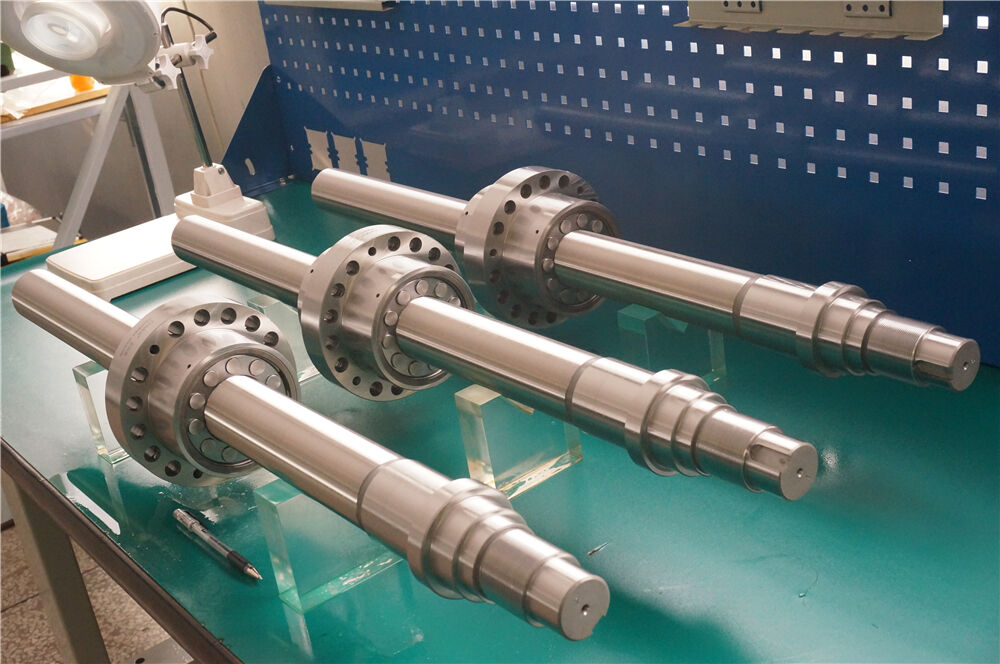
Planetaire Schroeven zijn de gouden standaard voor lineaire bewegingssystemen met hoge precisie en zware belasting, veelgebruikt in de lucht- en ruimtevaart, robotica en gereedschapmachines. Terwijl ingenieurs zoeken naar termen als ‘selectiegids voor planetaire schroeven’, ‘hoe de levensduur van planetaire schroeven te verlengen’ en ‘verschillen tussen planetaire en kogelschroeven’, is het essentieel om de belangrijkste specificaties, optimalisatiestrategieën en veelvoorkomende problemen te begrijpen. Deze blog behandelt de meest gestelde vragen over planetaire schroeven en biedt praktische inzichten om u te helpen het juiste component te kiezen, de prestaties te maximaliseren en stilstand tot een minimum te beperken — alles afgestemd op de eisen van industriële automatisering en gericht op verbeterde zichtbaarheid in Google-zoekresultaten.
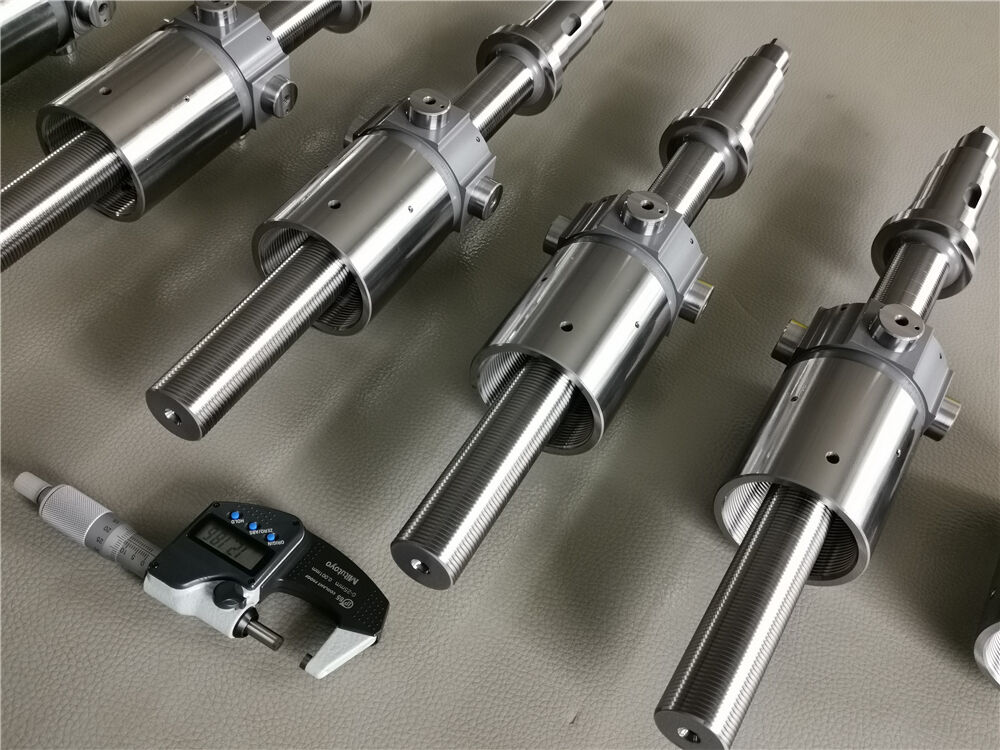
Wat zijn Planetaire Schroeven ? Belangrijkste voordelen ten opzichte van alternatieven
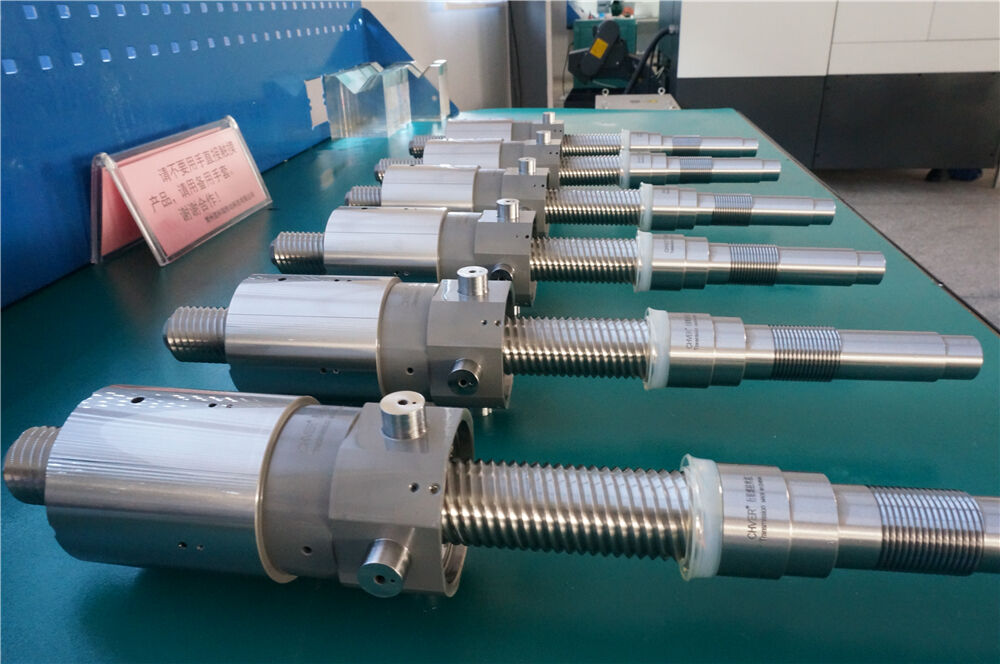
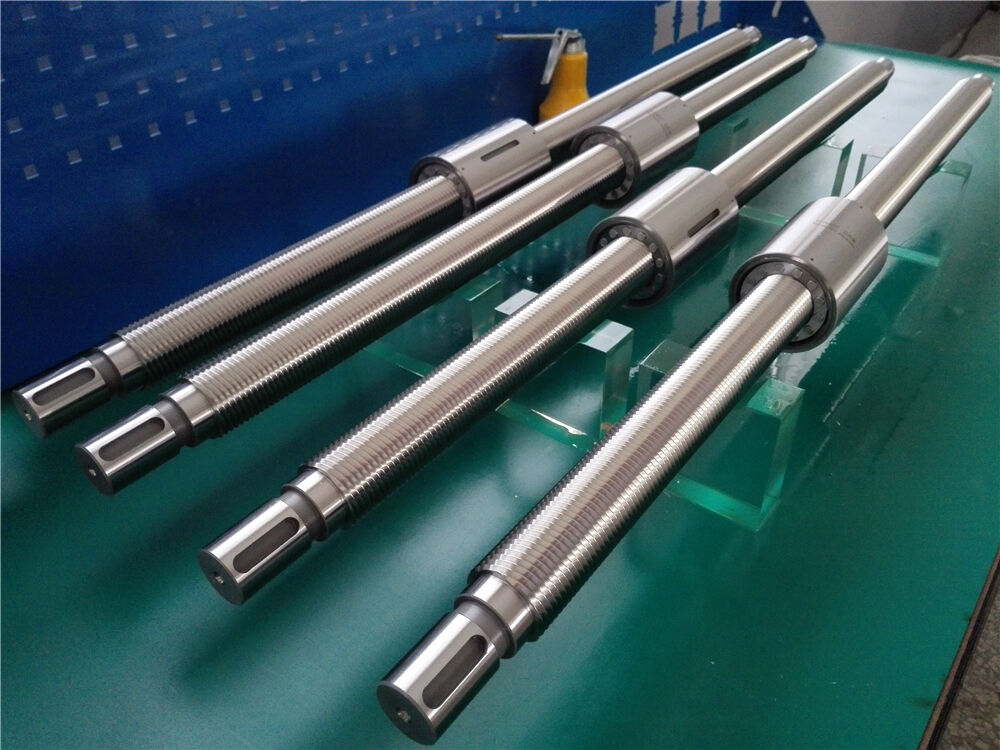
Planetaire schroeven (ook wel planetaire rollenschroeven genoemd) maken gebruik van een uniek ontwerp met satellietrollen die in elkaar grijpen met de schroefas en de moer, waardoor ze een superieure belastbaarheid en precisie bieden ten opzichte van kogelschroeven en trapeziumschroeven. Dit ontwerp maakt lijncontact tussen de onderdelen mogelijk, een cruciaal verschil ten opzichte van het puntcontact bij kogelschroeven.
Kernvoordelen die hun toepassing stimuleren — in lijn met zoekopdrachten zoals 'voordelen planetaire schroef':
-
Hoog laadvermogen : 2–3 keer de draagcapaciteit van kogelschroeven van dezelfde afmeting, ideaal voor zwaar belaste toepassingen.
-
Micronnauwkeurigheid : Ontwerpen zonder speling met een positioneringsnauwkeurigheid van ±0,001 mm tot ±0,005 mm, geschikt voor uiterst precieze taken.
-
Lange levensduur : Gelijkmatige belastingverdeling vermindert slijtage en verlengt de levensduur met 2–4 keer ten opzichte van kogelschroeven.
-
Energie-efficiëntie : Elektromechanisch ontwerp met een rendement van meer dan 85 %, wat beter is dan hydraulische systemen en kogelschroeven.
Bij zoekopdrachten zoals 'planetaire schroef versus kogelschroef' ligt het belangrijkste verschil in de belastbaarheid en precisie: planetaire schroeven onderscheiden zich bij zware belasting en hoge precisie, terwijl kogelschroeven kosteneffectiever zijn bij lichte tot matige belasting.
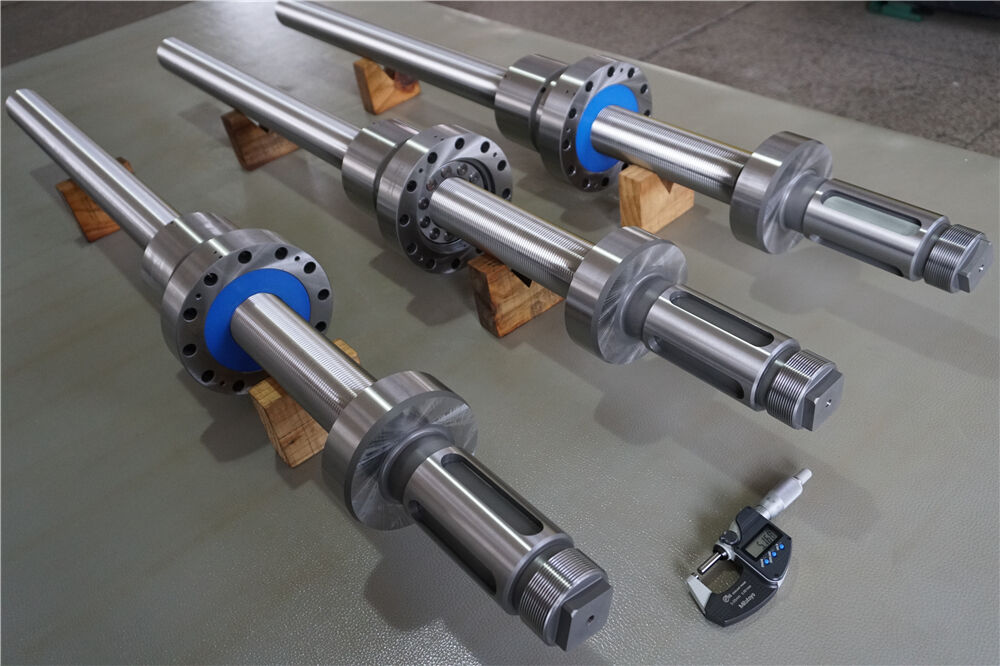
Belangrijke factoren voor Planeetvijg Selectie (focus op Google-zoekopdrachten)
Het selecteren van de juiste planetaire schroef vereist dat de specificaties worden afgestemd op de toepassingsbehoeften. Hieronder vindt u de belangrijkste factoren, geoptimaliseerd voor zoekopdrachten zoals 'criteria voor selectie van planetaire schroef':
1. Belastbaarheid en veiligheidsfactor
Bereken de dynamische (bedrijfs-)belasting, statische (stilstand-)belasting en schokbelasting. Kies een planetaire schroef met een veiligheidsfactor van 1,5–2,0 om rekening te houden met onverwachte belastingpieken. Voor toepassingen met zware belasting (bijv. persen, robotica) is een constructie met rollen aanbevolen, met een hoge dynamische belastbaarheid.
2. Precisieklasse en spelingregeling
De precisieklassen van planetaire schroeven (C1–C5) bepalen de nauwkeurigheid:
-
C1–C2 (±0,001 mm – ±0,002 mm): Ultra-precisie (lucht- en ruimtevaart, medische robotica).
-
C3-C4 (±0,003 mm – ±0,005 mm): Hoge precisie (CNC-machines, spuitgieten).
-
C5 (±0,01 mm): Algemene industriële toepassing (automatiseringslijnen).
Voorbelaste constructies (twee-moer-, offset-rollertype) elimineren speling, wat essentieel is voor herhaalbare positionering in precisietoepassingen.
3. Milieucompatibiliteit
Zeer zware omgevingen vereisen speciale planetaire schroefconstructies, waarmee zoekopdrachten zoals ‘corrosiebestendige planetaire schroeven’ worden aangepakt:
-
Stoffige/vochtige omgevingen: IP65+-afgedichte constructies met schrapers om binnendringing van vuil te voorkomen.
-
Corrosieve omgevingen: Roestvrij staal (AISI 440C) of nitriden-/PVD-coatings.
-
Extreme temperaturen: Hittebestendige legeringen en smeermiddelen die zijn goedgekeurd voor een temperatuurbereik van -50 °C tot 150 °C.
4. Snelheid en bewegingsprofiel
Planetaire schroeven ondersteunen voedingssnelheden tot 5 m/s, maar de snelheid is afhankelijk van de belasting en de smering. Voor hoge-snelheid, lage-belastingtaken kiest u constructies met lage wrijving; voor zware-belasting, lage-snelheidtoepassingen geeft u de voorkeur aan stijfheid.
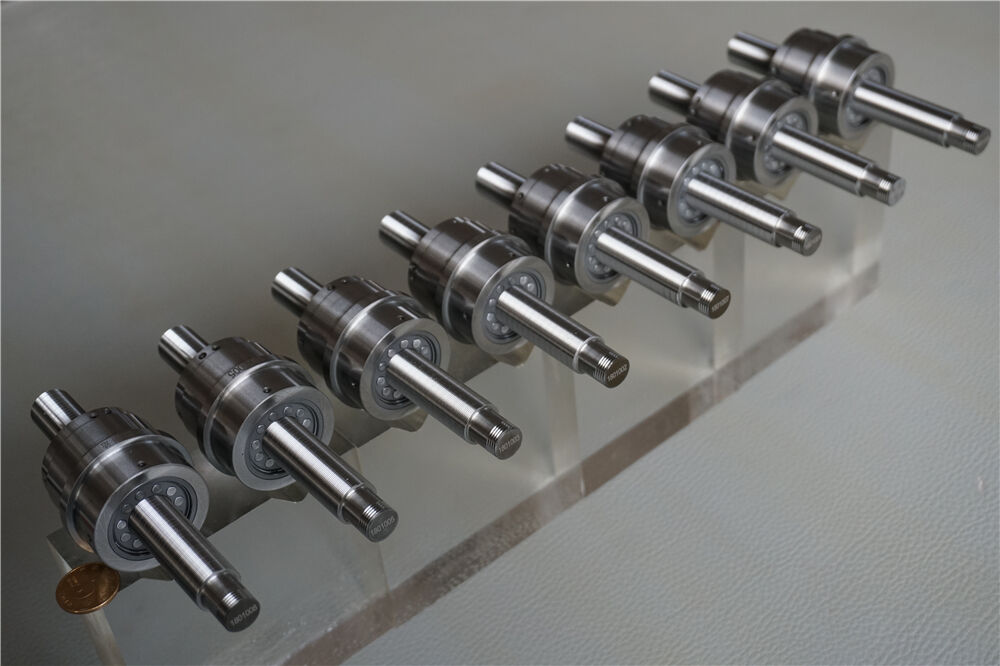
Hoe te optimaliseren Planeetvijg Prestatie en levensduur
Een juiste optimalisatie verlengt de levensduur en behoudt de precisie, waardoor zoekopdrachten zoals 'onderhoudstips voor planetaire schroeven' worden afgewikkeld:
gerichte smering
Gebruik toepassingsspecifieke smeermiddelen: voedingsmiddelengeschikte vetten (NSF H1) voor hygiënegevoelige industrieën, synthetische vetten voor hoge temperaturen bij extreme hitte en slijtvast vet voor zware belastingen. Breng het vet elke 500–1000 bedrijfsuren opnieuw aan, of vaker in stoffige omgevingen.
precieze montage en uitlijning
Zorg ervoor dat het montagevlak vlak is (afwijking ≤ 0,01 mm/m) en correct uitgelijnd om buigspanning te voorkomen. Gebruik laseruitlijningsapparatuur om de schroefas te positioneren, waardoor ongelijke belasting en vroegtijdige slijtage worden voorkomen.
voorspellend onderhoud
Monitor trillingen, temperatuur en geluid om problemen vroegtijdig te detecteren. Afwijkende trillingen duiden op uitlijningsfouten of versleten rollen, terwijl een verhoogde temperatuur op smeringsproblemen wijst. Voorspellend onderhoud vermindert ongeplande stilstand met 30–40%.
Gewoon Planeetvijg Problemen en foutopsporing
Het aanpakken van zoekopdrachten zoals "planetaire schroefproblemen" en "waarom maakt mijn planetaire schroef lawaai":
1. Positioneringsafwijking
Oorzaken: Losse montagebouten, speling of vervuiling. Oplossingen: Bouten opnieuw aanspannen met schroefborgmiddel, voorbelasting aanpassen, de loopbaan schoonmaken en nieuwe smeermiddelen aanbrengen.
2. Ongebruikelijk lawaai
Oorzaken: Onvoldoende smering, uitlijningsfouten of beschadigde rollen. Oplossingen: Verouderd smeermiddel vervangen, de schroef opnieuw uitlijnen en versleten onderdelen inspecteren/vervangen.
3. Vroegtijdige slijtage
Oorzaken: Overbelasting, slechte uitlijning of ongeschikt smeermiddel. Oplossingen: Belasting verminderen (of upgraden naar een model met hogere capaciteit), het montagevlak opnieuw uitlijnen en een toepassingsspecifiek smeermiddel gebruiken.
Planeetvijg Toepassingen in Verschillende Industrieën
Afstemming op zoekopdrachten zoals "planetaire schroeven voor de lucht- en ruimtevaart" en "robotische planetaire schroeven":
-
Luchtvaart : Aandrijving van landingsgestellen, vluchtbesturingssystemen (geen speling, bestendigheid tegen hoge temperaturen).
-
Robots : Zware robotarmen, precisie-aandrijving (hoge belastbaarheid, herhaalbaarheid).
-
Gereedschapsmachines : CNC-bewerkingscentra, slijpmachines (ultraprecieze C1-C2-kwaliteiten).
-
Medisch : Chirurgische robots, patiëntpositioneringssystemen (roestvrij staal, steriele uitvoering).
-
Energie : Pitchregeling voor windturbines, zonvolgers (corrosiebestendig, onderhoudsarm).
Conclusie: Kiezen en onderhouden Planetaire Schroeven voor Topprestaties
Planetaire schroeven zijn een cruciale investering in hoogprecieze bewegingssystemen — hun prestaties hangen af van juiste selectie, montage en onderhoud. Door de belangrijkste zoekproblemen aan te pakken en de beste praktijken te volgen, kunt u de levensduur maximaliseren, nauwkeurigheid waarborgen en operationele kosten verminderen.
Als u niet zeker weet welke planetaire schroef het beste bij uw toepassing past of hulp nodig heeft bij het oplossen van problemen in bestaande systemen, dan staat ons team van experts klaar om u te ondersteunen. Wij leveren standaard- én maatwerkplanetaire schroeven die zijn ontworpen voor duurzaamheid en precisie, afgestemd op de specifieke behoeften van uw sector. Neem vandaag nog contact met ons op om uw project te bespreken.
Inhoudsopgave
- Wat zijn Planetaire Schroeven ? Belangrijkste voordelen ten opzichte van alternatieven
- Belangrijke factoren voor Planeetvijg Selectie (focus op Google-zoekopdrachten)
- Hoe te optimaliseren Planeetvijg Prestatie en levensduur
- Gewoon Planeetvijg Problemen en foutopsporing
- Planeetvijg Toepassingen in Verschillende Industrieën
- Conclusie: Kiezen en onderhouden Planetaire Schroeven voor Topprestaties