 EN
EN
 AR
AR
 BG
BG
 CS
CS
 DA
DA
 NL
NL
 FI
FI
 FR
FR
 DE
DE
 EL
EL
 HI
HI
 IT
IT
 JA
JA
 KO
KO
 NO
NO
 PL
PL
 PT
PT
 RU
RU
 ES
ES
 SV
SV
 TL
TL
 ID
ID
 UK
UK
 VI
VI
 HU
HU
 TH
TH
 TR
TR
 FA
FA
 AF
AF
 MS
MS
 SW
SW
 GA
GA
 CY
CY
 BE
BE
 KA
KA
 LA
LA
 MY
MY
 TG
TG
 UZ
UZ


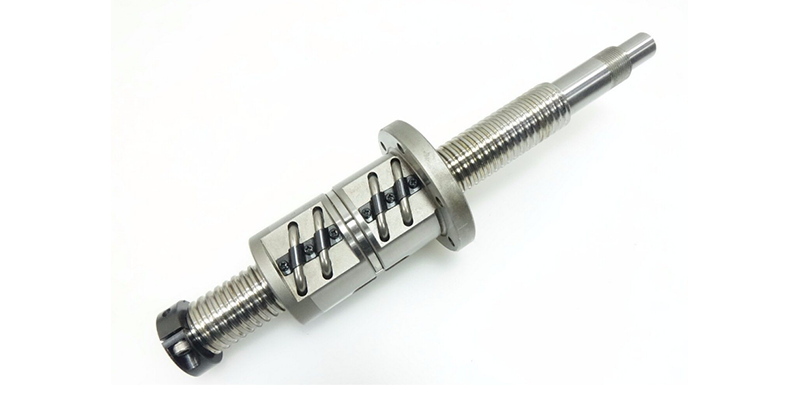
परिशुद्धता संचरण क्षेत्र में एक मुख्य घटक के रूप में, सटीकता, स्थिरता और सेवा आयु गेंद स्क्रू उत्पादन प्रक्रिया में हर विवरण के नियंत्रण पर सीधे निर्भर करती है। सामान्य इस्पात के एक टुकड़े से लेकर माइक्रॉन-स्तरीय संचरण करने में सक्षम तैयार उत्पाद तक, बॉल स्क्रू कई कठोर उत्पादन प्रक्रियाओं से गुजरते हैं। आज, हम आपको बॉल स्क्रू उत्पादन वर्कशॉप में ले जाएंगे, कच्चे माल के चयन से लेकर तैयार उत्पाद के निरीक्षण तक की पूरी प्रक्रिया का खुलासा करेंगे, और दिखाएंगे कि उच्च-परिशुद्धता वाले बॉल स्क्रू कैसे "जन्मे" हैं।
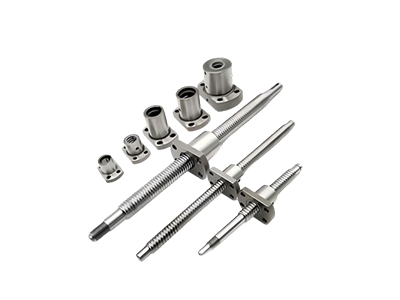
I. स्रोत नियंत्रण: मजबूत गुणवत्ता आधार रखने के लिए कच्चे माल का चयन और पूर्वउपचार
उच्च गुणवत्ता वाले उत्पाद के लिए प्रीमियम कच्चे माल की आवश्यकता होती है। बॉल स्क्रू के लिए कच्चे माल के सामग्री, शुद्धता और यांत्रिक गुणों पर अत्यधिक कठोर आवश्यकताएँ होती हैं। वर्तमान में, बॉल स्क्रू के लिए मुख्य कच्चे माल उच्च-कार्बन क्रोमियम बेयरिंग स्टील (जैसे GCr15) या मिश्र धातु संरचनात्मक स्टील (जैसे 40CrNiMoA) हैं। इस प्रकार की स्टील में उत्कृष्ट कठोरता, घर्षण प्रतिरोधकता और टक्करपन होता है, जो बॉल स्क्रू के लंबे समय तक उच्च गति से संचालन की आवश्यकताओं को पूरा कर सकता है।
कच्चे माल के चयन के चरण में, हम स्पेक्ट्रल विश्लेषण, कठोरता परीक्षण और अन्य विधियों के माध्यम से कच्चे माल की अशुद्धि सामग्री और यांत्रिक गुणों की सख्त जांच करते हैं ताकि प्रत्येक बैच स्टील मानकों को पूरा करे। चयन के बाद, कच्चे माल पूर्वउपचार चरण में प्रवेश करते हैं, जिसमें लोह ढलाई, सामान्यकरण और एनीलिंग जैसी ऊष्म उपचार प्रक्रियाएं शामिल हैं। इसमें, लोह ढलाई दानों को सूक्ष्म बना सकती है और स्टील की घनत्व और शक्ति में सुधार कर सकती है; उसके बाद का सामान्यकरण और एनीलिंग स्टील में आंतरिक तनाव को कम कर सकते हैं, यंत्रीकरण की योग्यता में सुधार कर सकते हैं और बाद के सटीक यंत्रीकरण के लिए आधार तैयार कर सकते हैं।
II. मूल यंत्रीकरण: अशोधित यंत्रीकरण से सटीक यंत्रीकरण तक, धीरे-धीरे सटीक आयाम की ओर बढ़ते हुए
पूर्वउपचार के बाद, स्टील मूल यंत्रीकरण चरण में प्रवेश करता है, जिसे अशोधित यंत्रीकरण और सटीक यंत्रीकरण चरणों में विभाजित किया जाता है ताकि स्टील को डिजाइन आवश्यकताओं के अनुरूप बॉल स्क्रू रूप में धीरे-धीरे प्रसंस्कृत किया जा सके।
1. रफ मशीनिंग: अतिरिक्तता को हटाना और मूल रूपरेखा को परिभाषित करना
रफ मशीनिंग का मुख्य उद्देश्य कच्चे माल के अतिरिक्त भागों को त्वरित ढंग से हटाना तथा स्क्रू के शाफ्ट व्यास और थ्रेड कंटूर जैसी मूल संरचनाओं को प्रारंभिक रूप देना है। मुख्य प्रक्रियाओं में टर्निंग और मिलिंग शामिल हैं: टर्निंग एक लेथ मशीन के माध्यम से स्क्रू के दोनों सिरों के शाफ्ट हेड, स्टेप्स आदि भागों को प्रक्रमित करता है, ताकि शाफ्ट व्यास की मूल आयामी प्रारूपता सुनिश्चित हो सके; मिलिंग का उपयोग स्क्रू के कीवेज़ और समतल सतह जैसी सहायक संरचनाओं को प्रक्रमित करने के लिए किया जाता है, जो बाद की असेंबली की तैयारी करता है। रफ मशीनिंग चरण में आयामी प्रारूपता की आवश्यकताएं अपेक्षाकृत कम होती हैं, लेकिन मशीनिंग अतिरिक्तता पर सख्त नियंत्रण आवश्यक होता है ताकि बाद की परिशुद्ध मशीनिंग के दौरान असमान अतिरिक्तता के कारण उत्पाद में विकृति न हो।
2. परिशुद्ध मशीनिंग: मुख्य प्रारूपता को नियंत्रित करने के लिए चरम ग्राइंडिंग
प्रिसिजन मशीनिंग बॉल स्क्रू की शुद्धता निर्धारित करने वाली एक प्रमुख कड़ी है। इसमें उत्पाद के आयामी त्रुटियों को माइक्रॉन स्तर पर नियंत्रित करने के लिए कई प्रिसिजन प्रक्रियाओं की आवश्यकता होती है। मुख्य प्रक्रियाओं में शामिल हैं:
-
थ्रेड ग्राइंडिंग : उच्च-प्रिसिजन CNC थ्रेड ग्राइंडर का उपयोग स्क्रू के थ्रेड रेसवे को ग्राइंड करने के लिए किया जाता है। यह मुख्य प्रक्रियाओं में से एक है, जिसमें रेसवे के लीड, थ्रेड कोण और गोलाई जैसे महत्वपूर्ण संकेतकों का सटीक नियंत्रण आवश्यक होता है। C2-ग्रेड उच्च-प्रिसिजन बॉल स्क्रू के लिए, लीड त्रुटि को प्रति मीटर 0.005 मिमी के भीतर नियंत्रित करने की आवश्यकता होती है। अतः ग्राइंडिंग प्रक्रिया के दौरान, लेजर इंटरफेरोमीटर का उपयोग वास्तविक समय में जांच के लिए किया जाता है ताकि मशीनिंग पैरामीटर्स को गतिशील रूप से समायोजित किया जा सके।
-
बेलनाकार ग्राइंडिंग : स्क्रू के शाफ्ट व्यास पर द्वितीयक ग्राइंडिंग की जाती है ताकि शाफ्ट व्यास की गोलाई और बेलनाकारता में सुधार किया जा सके, स्क्रू, नट और बेयरिंग के बीच फिटिंग शुद्धता सुनिश्चित की जा सके तथा संचालन के दौरान कंपन और शोर को कम किया जा सके।
-
एंड फेस ग्राइंडिंग और ड्रिलिंग पेंच के दोनों अंतिम फलकों पर परिशुद्धता ग्राइंडिंग की जाती है ताकि फलक और पेंच अक्ष के बीच लंबवतता सुनिश्चित हो; साथ ही, माउंटिंग छिद्रों, केंद्र छिद्रों और दोनों सिरों पर अन्य भागों को समावेशीयता सुनिश्चित करने के लिए सटीक रूप से प्रसंस्कृत किया जाता है।

III. मुख्य मजबूतीकरण: प्रदर्शन और सेवा जीवन में सुधार के लिए ऊष्मा उपचार और सतह उपचार
परिशुद्धता मशीनीकरण के बाद, गेंद पेंचों को कठोरता, घर्षण प्रतिरोध और संक्षारण प्रतिरोध में और सुधार करने तथा उनके सेवा जीवन को बढ़ाने के लिए ऊष्मा उपचार और सतह उपचार से गुजरना पड़ता है।
ऊष्मा उपचार प्रक्रिया में मुख्यतः टेम्परिंग के साथ क्वेंचिंग का उपयोग किया जाता है: क्वेंचिंग स्क्रू की कठोरता को बहुत अधिक बढ़ा सकती है (आमतौर पर HRC60 से अधिक तक पहुँचना) और घर्षण प्रतिरोध में सुधार कर सकती है; जबकि टेम्परिंग क्वेंचिंग के बाद आंतरिक तनाव को कम करती है, स्क्रू की लचीलापन में सुधार करती है और उपयोग के दौरान टूटने से बचाव करती है। ऊष्मा उपचार की एकसमानता सुनिश्चित करने के लिए, हम ऑक्सीकरण और विकृति को कम करने के लिए वैक्यूम क्वेंचिंग फर्नेस का उपयोग करते हैं।
सतह उपचार अनुप्रयोग परिदृश्यों के अनुसार विभिन्न प्रक्रियाओं का चयन करता है: सामान्य कार्य स्थितियों के लिए, नाइट्राइडिंग उपचार अपनाया जाता है जिससे स्क्रू की सतह पर एक कठोर नाइट्रेड परत बन जाती है, जो घर्षण प्रतिरोध में और सुधार करती है; नम और संक्षारक वातावरण के लिए क्रोम प्लेटिंग या ब्लैकनिंग उपचार अपनाया जाता है जो संक्षारण प्रतिरोध में वृद्धि करता है।
IV. असेंबलिंग और निरीक्षण: योग्य समाप्त उत्पादों की गारंटी के लिए अंतिम रक्षा रेखा
उपर्युक्त प्रसंस्करण और सुदृढीकरण उपचारों के बाद, बॉल स्क्रू असेंबली और तैयार उत्पाद निरीक्षण चरण में प्रवेश करते हैं, जो यह सुनिश्चित करने के लिए अंतिम सुरक्षा रेखा है कि कारखाने से योग्य उत्पाद निकलें।
1. असेंबली प्रक्रिया
असेंबली मुख्य रूप से प्रसंस्कृत स्क्रू शाफ्ट को नट्स, बॉल्स, केज और अन्य सहायक उपकरणों के साथ जोड़ने में शामिल है। इसका मुख्य उद्देश्य रेसवे में बॉल्स के सुचारु रोलिंग को सुनिश्चित करना है। अतः, नट और स्क्रू के बीच फिटिंग गैप को सटीक रूप से समायोजित करना आवश्यक है। यदि आवश्यकता हो, तो स्क्रू की कठोरता और स्थिति सटीकता में सुधार के लिए प्रीलोडिंग प्रक्रियाओं (जैसे डबल नट प्रीलोडिंग, वॉशर प्रीलोडिंग) को अपनाया जाता है। असेंबली के बाद स्नेहन उपचार भी आवश्यक होता है, और ऑपरेशन के दौरान घर्षण हानि को कम करने के लिए विशेष ग्रीस भरी जाती है।
2. तैयार उत्पाद निरीक्षण
बॉल स्क्रू के विभिन्न संकेतकों का अंतिम उत्पाद निरीक्षण चरण में व्यापक निरीक्षण किया जाता है, और अयोग्य उत्पादों को कारखाने से बाहर जाने की अनुमति नहीं है। निरीक्षण के आइटम में शामिल हैं:
-
शुद्धता निरीक्षण: लेजर इंटरफेरोमीटर के माध्यम से लीड शुद्धता और स्थान निर्धारण शुद्धता का पता लगाएं, और संबंधित शुद्धता ग्रेड आवश्यकताओं के अनुपालन को सुनिश्चित करने के लिए गोलाई मीटर के माध्यम से रेल पथ की गोलाई का पता लगाएं;
-
प्रदर्शन निरीक्षण: ऑपरेशन के दौरान शोर, तापमान वृद्धि और चिकनाहट का पता लगाने के लिए नो-लोड संचालन परीक्षण करें; भार-वहन क्षमता और कठोरता को सत्यापित करने के लिए लोड परीक्षण करें;
-
सतह और आयाम निरीक्षण: सतह पर खरोंच और दोषों की जांच करें, और शाफ्ट व्यास और लंबाई जैसे महत्वपूर्ण आयामों की पुनः जांच करें।
V. निष्कर्ष: शुद्धता विस्तार से आती है, शिल्प क्वालिटी प्राप्त करता है
कच्चे माल के चयन से लेकर तैयार उत्पाद की डिलीवरी तक, बॉल स्क्रू उत्पादन प्रक्रिया दर्जनों प्रक्रियाओं को कवर करती है, और हर कदम के लिए अत्यधिक सटीक नियंत्रण और सख्त गुणवत्ता प्रबंधन की आवश्यकता होती है। यह विस्तार के प्रति अटूट रहने के कारण बॉल स्क्रू उच्च-स्तरीय विनिर्माण, स्वचालन, चिकित्सा और अन्य क्षेत्रों में मुख्य संचरण भूमिका निभा पाते हैं।
यदि आप बॉल स्क्रू उत्पादन प्रक्रिया के तकनीकी विवरणों के बारे में अधिक जानना चाहते हैं या कस्टम बॉल स्क्रू की आवश्यकता है, तो कृपया कभी भी हमसे संपर्क करने में संकोच न करें। हमारी पेशेवर उत्पादन तकनीक और कठोर गुणवत्ता नियंत्रण के साथ, हम आपको उच्च विश्वसनीयता और उच्च परिशुद्धता वाले बॉल स्क्रू उत्पाद प्रदान करेंगे!
विषय सूची
- I. स्रोत नियंत्रण: मजबूत गुणवत्ता आधार रखने के लिए कच्चे माल का चयन और पूर्वउपचार
- II. मूल यंत्रीकरण: अशोधित यंत्रीकरण से सटीक यंत्रीकरण तक, धीरे-धीरे सटीक आयाम की ओर बढ़ते हुए
- III. मुख्य मजबूतीकरण: प्रदर्शन और सेवा जीवन में सुधार के लिए ऊष्मा उपचार और सतह उपचार
- IV. असेंबलिंग और निरीक्षण: योग्य समाप्त उत्पादों की गारंटी के लिए अंतिम रक्षा रेखा
- V. निष्कर्ष: शुद्धता विस्तार से आती है, शिल्प क्वालिटी प्राप्त करता है