 EN
EN
 AR
AR
 BG
BG
 CS
CS
 DA
DA
 NL
NL
 FI
FI
 FR
FR
 DE
DE
 EL
EL
 HI
HI
 IT
IT
 JA
JA
 KO
KO
 NO
NO
 PL
PL
 PT
PT
 RU
RU
 ES
ES
 SV
SV
 TL
TL
 ID
ID
 UK
UK
 VI
VI
 HU
HU
 TH
TH
 TR
TR
 FA
FA
 AF
AF
 MS
MS
 SW
SW
 GA
GA
 CY
CY
 BE
BE
 KA
KA
 LA
LA
 MY
MY
 TG
TG
 UZ
UZ


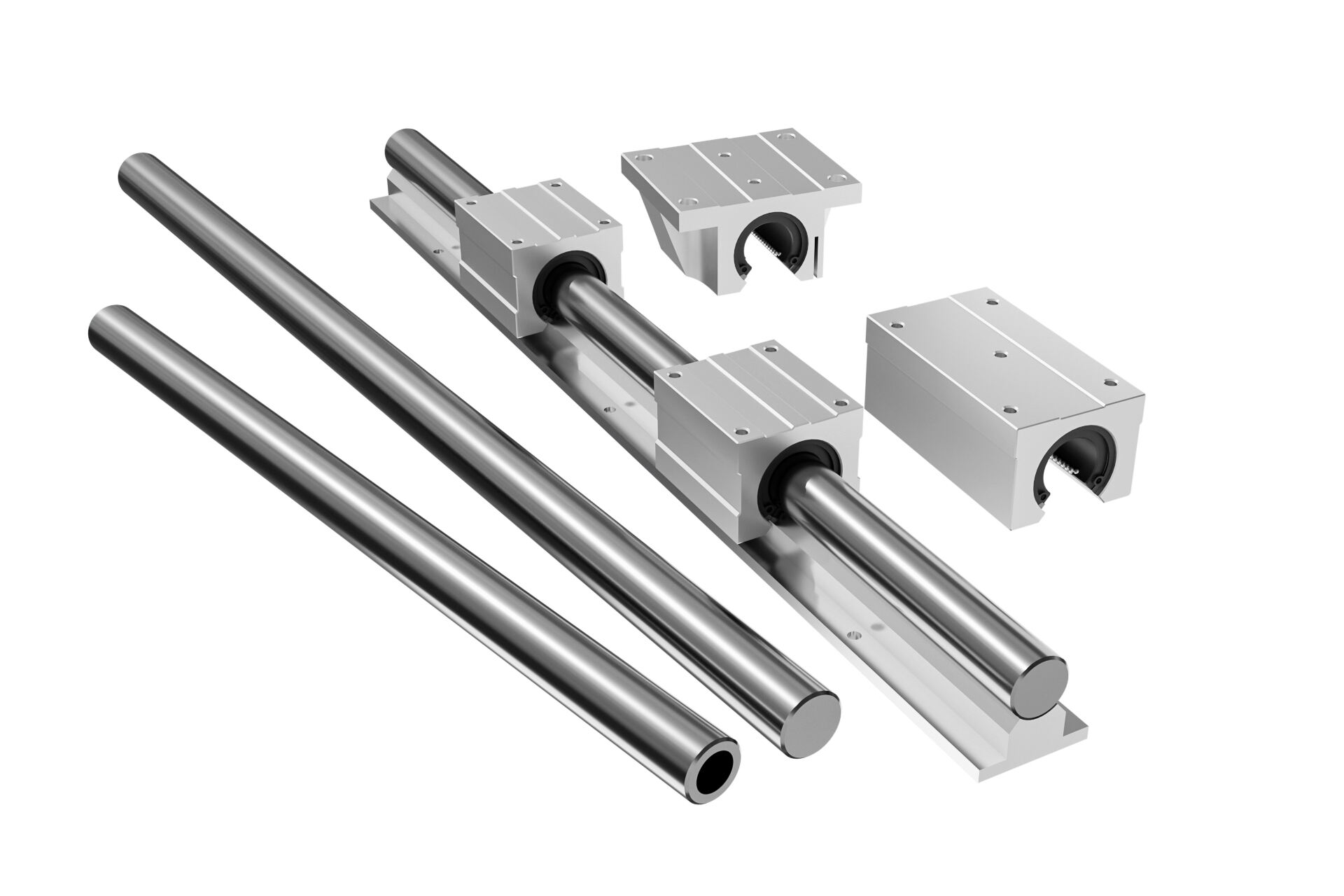
Lineární ložiska jsou „nepřehlédnutelnými hrdiny“ každé výrobní linky, ale s 4 hlavními typy (každý s konkrétními případy použití) výběr toho správného není intuitivní. Jako starší aplikační inženýr společnosti YOSO MOTION jsem strávil 8 let tím, že jsem přizpůsoboval lineární ložiska potřebám automobilového průmyslu, odvětví 3C a balení. Začněme základy: 4 klíčové typy lineárních ložisek , jak je od sebe rozeznat a kdy použít každý z nich – a poté se podíváme na 4 reálné případy z roku 2024, kdy správná volba odstranila nákladné poruchy.
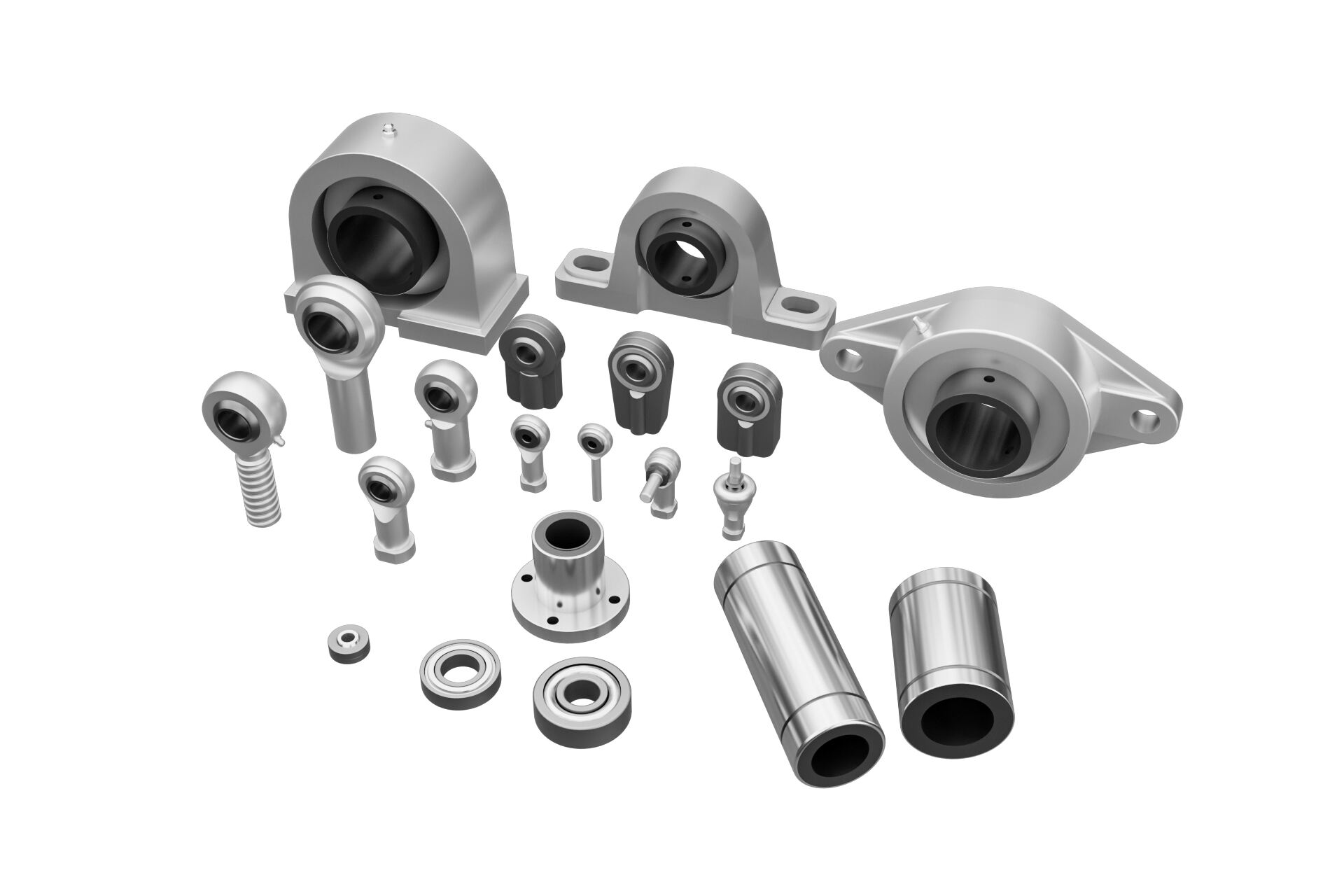
1. Kuličková vodící ložiska (Nejčastější: Naše řada LM/LMH)
To jsou pracovní koně – malá, lehká a ideální pro nízké až střední zatížení (0,5–10 tun). Používají přesné ocelové kuličky ke snížení tření, takže jsou ideální pro rychle se pohybující části, jako jsou dopravníky nebo klouby robotických ramen. Vyrábíme dva základní typy:
-
Otevřený typ (řada LM) : Základní model pro čistá prostředí (např. čisté místnosti v továrnách polovodičů). Bez těsnění, takže jsou levnější, ale náchylnější k prachu.
-
Prachovzdorné (řada LMH) : Dvouřadé gumové těsnění (přípona OP) pro prachové prostředí, jako jsou dílny na obrábění nebo truhlářství – toto jsme doporučili továrně pana Chen.
Profesionální tip: 80 % běžných výrobních potřeb má smysl řešit kuličkovými lineárními ložisky. Pokud je zatížení pod 10 tun a rychlost pod 1,5 m/s, začněte právě zde.
2. Těžká lineární ložiska (řada LMW pro vysoká zatížení)
Když kuličková ložiska nestačí – např. u lisy, kování nebo těžkých dopravníků (10–50 tun) – přicházejí do hry těžká ložiska. Naše řada LMW využívá kuličky většího průměru (12–20 mm oproti 6–10 mm u standardních modelů) a zesílené skříně z oceli SCM440, aby odolala extrémním zatížením.
Případová ukázka: Automobilka v Čchang-čchunu používala standardní kuličková ložiska na lisu o zatížení 5 tun – opotřebovala se za 3 měsíce. Přechod na ložiska LMW20UU problém vyřešil (o tom podrobněji později).
3. Korozivzdorná lineární ložiska (řada LMS pro vlhká/chemická prostředí)
Standardní ložiska rezaví ve vlhkých oblastech nebo tam, kde jsou vystavena chemikáliím — např. linky pro balení potravin, laboratoře v lékařském průmyslu nebo námořní zařízení. Naše řada LMS používá plné ložiskové kroužky z nerezové oceli 304/316 (nikoli pouze povrchově nesenované) a maziva pro potravinářský průmysl, aby odolávala rezivění a splňovala bezpečnostní normy.
Klíčový rozdíl: Plátovaná ložiska mají tenký povlak z nerezové oceli, který se za 6–8 týdnů odloupne. Ložiska LMS z plné nerezové oceli vydrží více než 12 měsíců ve vysoce vlhkém prostředí – to jsme ověřili ve vodárně v Hangzhou.
4. Přesná lineární ložiska (řada LMF-Precision pro testování/kontrolu)
Pro zařízení, u nichž i vibrace o velikosti 0,01 mm zkazí výsledky – např. testování OLED displejů, manipulace s polovodičovými waferovými destičkami nebo laserové měření – jsou přesná ložiska nepostradatelná. Naše řada LMF-Precision používá kuličkové klece s přesnou tolerancí (±0,01 mm) a šrouby pro předpětí k úplnému eliminování vibrací a axiálního vůle.
Proč je to důležité: Kamera inspekce ve továrně ve městě Šen-čen byla rozmazaná kvůli vibracím o velikosti 0,05 mm z běžných ložisek. Ložiska LMF12UU-Precision snížila vibrace na 0,008 mm – dostatečně ostré, aby zachytila rýhy o velikosti 0,01 mm.
Nyní, když znáte typy, pojďme propojit jednotlivé prvky pomocí reálných problémů. Většina „poruch ložisek“, které opravuji, nejsou výrobní vady – jde o nesoulad mezi typem a prostředím. Zde jsou 4 příběhy klientů z roku 2024, které ukazují, jak správná volba lineárního ložiska (a vyhnutí se běžným chybám) mění výrobní linky.
Seznam nejprodávanějších lineárních ložisek na Alibaba
Problém 1: Časté zasekávání v prachem zatížených dílnách (špatný typ: otevřený vs. prachovzdorný)
Pan Chen z továrny v Sü-čou vyrábí hliníkové rámečky na telefony – jejich dílna je plná kovového prachu z CNC obrábění. Jejich předchozí lineární ložiska (z běžné značky) měla otevřený design, takže se prach ucpával v držácích kuliček, což způsobovalo zasekávání. Zkoušeli přidat více maziva, ale to jen víc prachu vázlo – čímž se problém ještě zhoršil.
Když jsem navštívil jejich provoz, okamžitě jsem si všiml dvou problémů: za prvé ložiska byla standardní otevřená LM8UU, bez ochrany proti prachu; za druhé používali univerzální tuk, který nebyl kompatibilní s kovovým prachem. Vyměnili jsme je za lineární ložiska YOSO MOTION LMH8UU-OP – náš nejpopulárnější model s ochranou proti prachu – a přešli na tuk s vysokou viskozitou a odolný vůči přichytávání nečistot.
Model LMH8UU-OP je vybaven dvojitou gumovou těsnicí lištou, která zabraňuje vnikání 98 % prachu do dutiny ložiska. Ukázali jsme také jejich servisnímu týmu, jak měsíčně čistit ložisková sedla (úkol trvající 5 minut), místo aby pouze nanášeli další tuk. O tři měsíce později zavolal pan Chen zpět: „Celkem jsme vyměnili pouze 2 ložiska – výpady se snížily o 80 % a ušetříme 1 200 dolarů měsíčně na náhradních dílech.“
Klíčová poučení: V prašných prostředích (obrábění, truhlářství, těžba) nikdy nepoužívejte otevřená lineární ložiska. Hledejte modely s ochranou proti prachu IP65 nebo vyšší – naše řada LMH s příponou OP (olejově těsněná) je speciálně navržena právě pro tyto účely.
Bolavý bod 2: Předčasné opotřebení v silnoproudých lince pro automobilové štítkování (špatný typ: standardní vs. těžké zatížení)
V březnu 2024 nás kontaktoval automobilový lisovací závod v Čchang-čchunu s jiným problémem: jejich lineární ložiska na posuvu lisu se opotřebovala již během 3 měsíců. Lis vyvíjí sílu 5 tun a ložiska byla dimenzována na 3 tuny – jejich předchozí dodavatel jim prodal poddimenzované modely, aby snížil náklady.
Naměřili jsme zatížení (během špičkového provozu to bylo 5,2 tuny) a doporučili naše vysoce výkonné lineární ložisko LMW20UU. Tato ložiska mají zesílený vnější plášť z legované oceli SCM440 (ve srovnání se standardní uhlíkovou ocelí) a větší průměr kuliček (12 mm oproti 8 mm), čímž se zvýší nosnost na 8 tun. Dále jsme na přední straně ložiska přidali nerezovou stěrku, která odebere kovové třísky z vodící lišty, než dosáhnou ložiska.
Šest měsíců poté ukazuje jejich servisní záznam nulovou výměnu ložisek. Šéf lisovny, pan Wang, mi řekl: „Dříve jsme museli každé 3 měsíce dvě hodiny vypnout provoz kvůli výměně ložisek – nyní je kontrolujeme během týdenních prohlídek a stále vypadají jako nové.“
Nosnost je nepřiměřitelná. Abyste předešli použití příliš malého rozměru, vypočítejte své dynamické zatížení (sílu během pohybu) a přidejte bezpečnostní rezervu 50 %. Náš inženýrský tým nabízí zdarma výpočet zatížení – stačí nám poslat detaily vaší aplikace a my doporučíme vhodný model.
Upozornění na chybu zatížení: Nikdy se nespoléhejte na hodnocení „statického zatížení“ u pohyblivých částí – dynamické zatížení (síla během provozu) je u většiny zařízení o 30–50 % nižší než statické zatížení.
Bolavý bod 3: Koroze na linkách pro balení potravin a nápojů (špatný typ: pokovené vs. plné nerezové oceli)
Továrna na balenou vodu v Chančou čelila jedinečné výzvě: lineární ložiska na jejich dopravní lince začala rezivět již po 6 týdnech. Linka používá vysokotlakou vodu k čištění lahví, takže ložiska byla neustále vystavena vlhkosti a čisticím chemikáliím. Jejich předchozí „nerezová“ ložiska ve skutečnosti pouze měla povrchové pokovení – to se rychle odloupávalo.
Doporučili jsme lineární ložiska YOSO MOTION LMS16UU-SUS z plné nerezové oceli. Každá část – vnější pouzdro, držák kuliček, kuličky – je vyrobena z nerezové oceli 304, a používáme potravinářský mazivo NSF H1, které je bezpečné pro nepřímý kontakt s potravinami. Upravili jsme také ložiskové sedla tak, aby měla odvodňovací otvory, aby se voda kolem ložisek nehromadila.
Od října 2024 tyto ložiska běží již 7 měsíců bez korozních známek. Manažerka kvality v továrně, paní Li, uvedla: „Nyní úspěšně procházíme všemi audity potravinové bezpečnosti – již nemáme žádné odlupující se kousky rzi v prostoru čištění a od instalace jsme nekoupili žádné nové ložisko.“
Pro vlhká nebo chemicky náročná prostředí (potravinářské balení, farmacie, námořní aplikace) vyhledejte plnopirátková nerezová ložiska (ne povlakovaná) a potravinářské mazivo. Povlakovaná ložiska mohou stát o 30 % méně na počátku, ale budou muset být vyměňována až pětkrát častěji.
Bolavý bod 4: Vibrace způsobující nepřesnosti při testování elektroniky (špatný typ: běžná vs. přesná ložiska)
Továrna na OLED displeje ve Shenzhenu měla problém, který zněl drobně, ale byl nákladný: lineární ložiska v jejich testovacím zařízení vibrovala, což způsobovalo rozmazání obrazu kamery při kontrole jednotlivých pixelů displeje. Předchozí ložiska měla volně sedící kuličkové klece, takže se kuličky při pohybu posouvaly – což způsobovalo vibraci o velikosti 0,05 mm a ničilo přesnost inspekce.
Vyměnili jsme jejich běžné ložisko za precizní lineární ložisko YOSO MOTION LMF12UU. Tato ložiska používají vyztužený polyamidový držák kuliček s úzkou tolerancí (±0,01 mm), který udržuje kuličky v ose, a navíc mají šroub pro předpětí, který eliminuje axiální vůli. Společně s nimi jsme použili naše precizní vodicí lišty (rovnoběžnost ≤0,02 mm/m), čímž dochází ke snížení vibrací již ve zdroji.
Rozdíl byl okamžitý. Inženýr zodpovědný za kontrolu v továrně mi řekl: „Obrázky z kamer jsou nyní dostatečně ostré, aby bylo možné rozpoznat vrypy o velikosti 0,01 mm – naše míra nepostřehnutých vad klesla z 1,1 % na 0,09 %.“ Ložiska již bez problémů běží pět měsíců a nevyskytují se žádné vibrace.
Tip na přesnost: U zařízení pro testování, měření nebo montáž výrobků 3C zvolte lineární ložiska s příponou „Precision“ (např. naše řada LMF-Precision) a funkcí nastavení předpětí. Vibrace nad 0,02 mm narušují přesnost – během instalace je proto třeba vždy použít měřič vibrací.
Jak se vyhnout chybám při výběru typu lineárních ložisek (naše 3kroková kontrola)
Po 8 letech řešení problémů jsem zredukoval výběr typu na 3 jednoduché otázky – položte si je před nákupem a vyhnete se tak 90 % poruch:
-
Jaké je vaše prostředí? Prašné → Prachotěsné (LMH); Mokré/chemické → Odolné proti korozi (LMS); Čisté → Otevřené (LM).
-
Jaká je vaše zátěž? Pod 10 tun → Kuličkové pouzdro (LM/LMH); 10+ tun → Těžké zatížení (LMW).
-
Potřebujete přesnost? Zkušební/měřicí → Přesné (LMF-Precision); Běžná montáž → Standard.
Pokud si stále nejste jisti, zašlete nám 3 věci: fotografii vašeho zařízení, hmotnost zatížení a podrobnosti o prostředí. Pošleme vám doporučený typ a bezplatný vzorek (pro kvalifikované klienty) k otestování před nákupem. To jsme udělali i pro pana Chen, poslali jsme mu vzorek LMH8UU-OP, testoval ho týden a zaznamenal nulové zaseknutí, než uzavřel kompletní objednávku.
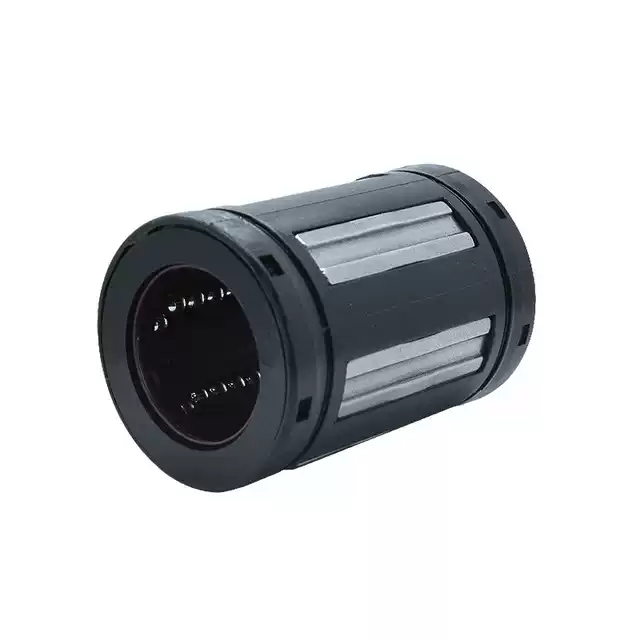
Proč lineární ložiska YOSO MOTION vydrží déle než obecné značky
Výběr správného typu je jen polovina bitvy – druhou polovinu tvoří kvalita. Naše ložiska jsou navržena tak, aby odpovídala nárokům každého typu:
-
Výběr materiálu : Ocel pro ložiska SUJ2 (HRC60) u standardních/těžkých modelů; nerezová ocel 304/316 u odolných proti korozi – žádná levná uhlíková ocel, která se opotřebí během měsíců.
-
Návrh těsnění : Prachovzdorné řady LMH používají dvoucestná těsnění z nitridové pryže (odolnost -20 °C až 120 °C) ve srovnání s běžnými jednocestnými těsněními, která praskají do 3 měsíců.
-
Kontrola kvality : Každé ložisko projde 3 testy: zkouška zatížení 120 %, zkouška vibrací (max. 0,01 mm u přesných modelů) a kontrola těsnění pod tlakem vzduchu. Běžné značky tyto testy vynechávají – otestovali jsme více než 10 běžných ložisek a 6 neprošlo zkouškou zatížení při 100% kapacitě.
Nabízíme nejen ložiska – poskytujeme vám podporu i po nákupu. Minulý měsíc měla továrna na elektroniku v Ču-chaji potíže s instalací ložisek LMF-Precision. Poslali jsme inženýra do jejich dílny, vyškolili jejich tým a upravili předpětí šroubů – vše zdarma. Kvalitní ložiska by měla být doplněna kvalitním servisem. Ke každé objednávce navíc přikládáme individuální instalační návod (s fotografiemi přizpůsobenými vaší aplikaci, pokud nám zašlete snímky z dílny) a technickou podporu 24 hodin denně – takže nikdy nebudete muset řešit problémy sami.
Získejte ještě dnes doporučení pro vámi určená lineární ložiska
Největší chybou, kterou vidím, je nákup obecných lineárních ložisek online bez ověření typové shody. Otevřené ložisko za 5 dolarů se může zdát levné, ale pokud se každé 2 týdny zablokuje (jako u pana Čchena), stojí vás to 1 200 dolarů měsíčně za prostoj a náhrady. Správný typ vyjde na počátku o trochu více, ale dlouhodobě ušetří desetinásobek.
V továrně pana Chen ve městě Chu-cou jsou nyní na všech 8 montážních linkách používány ložiska LMH8UU-OP – za posledních 3 měsíce žádné poruchy. Ložiska LMW20UU ve stříbrné továrně v Čchang-čchunu již 6 měsíců bez jakýchkoli opotřebení. To není náhoda – je to výsledek správné volby typu pro konkrétní aplikaci.
Obraťte se dnes na náš tým se specifikacemi vašeho zařízení, požadavky na zatížení a podmínkami prostředí. Zašleme vám zdarma doporučení vhodného typu a (pro kvalifikované zákazníky) i vzorek k otestování na vaší lince – bez závazku. Pojďme změnit vaše starosti s lineárními ložisky na věc méně, o kterou se musíte starat – a začněme správnou volbou typu.
Obsah
- Problém 1: Časté zasekávání v prachem zatížených dílnách (špatný typ: otevřený vs. prachovzdorný)
- Bolavý bod 2: Předčasné opotřebení v silnoproudých lince pro automobilové štítkování (špatný typ: standardní vs. těžké zatížení)
- Bolavý bod 3: Koroze na linkách pro balení potravin a nápojů (špatný typ: pokovené vs. plné nerezové oceli)
- Bolavý bod 4: Vibrace způsobující nepřesnosti při testování elektroniky (špatný typ: běžná vs. přesná ložiska)
- Jak se vyhnout chybám při výběru typu lineárních ložisek (naše 3kroková kontrola)
- Proč lineární ložiska YOSO MOTION vydrží déle než obecné značky
- Získejte ještě dnes doporučení pro vámi určená lineární ložiska